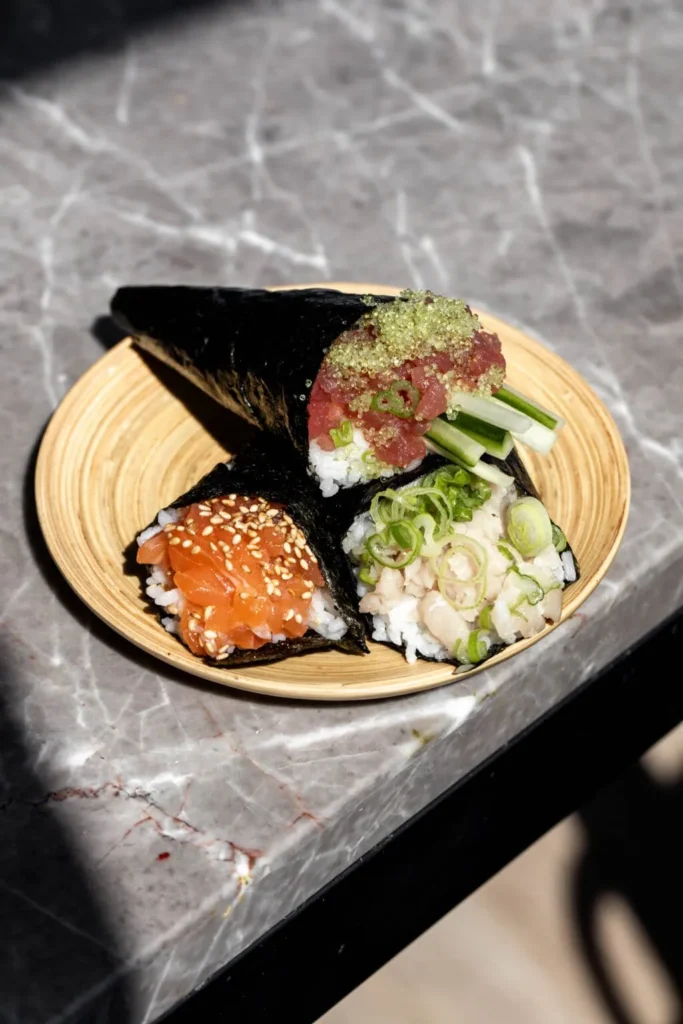

Unlike sushi rolls or nigiri, which usually take more time and precision, this easy Temaki Sushi method lets everyone build their own custom roll at the table. It’s perfect for a DIY sushi party, where guests can pick from ingredients like fresh vegetables or sashimi-grade fish.
I still remember the first time we did this at home with friends—it was laid-back, delicious, and surprisingly affordable. Compared to dining out, it’s a lot cheaper and honestly just as satisfying. Whether it’s for a casual get-together or a cozy family dinner, this style of sushi has become one of our go-to meals. No wonder it’s now a favorite for both small gatherings and everyday dinners, especially with how popular sushi has become lately.
🍣 Hand Roll Sushi (Temaki) vs. Cut Rolls (Maki)
When I make sushi at home, one of the first decisions is whether to go with hand rolls (temaki) or cut rolls. I usually pick hand rolls when I want something quick, casual, and fun—perfect for rolling together with friends and family around the table. On the other hand, cut rolls—also known as maki, makizushi, or norimaki—need more precision. They’re tightly rolled into a cylinder and then sliced into bite-sized pieces.
Both use classic elements like seasoned sushi rice, fresh seafood, and crisp vegetables, all wrapped neatly in nori sheets. What I really appreciate about hand rolls is that they require no special tools—just prep your fillings and let everyone build their own unique roll. Personally, I’ve taught many beginners how to roll sushi this way, and it’s rewarding to see their confidence grow with each attempt.
I’ve even written a detailed post comparing these styles, including my method of teaching four different rolling techniques, which is especially helpful for newcomers. When hosting sushi nights, I like to include favorites like California rolls and spicy tuna rolls. It’s always a joy watching people experiment with their own creations. To make more recipes—Simple Tuna Sushi Bake, Salmon Sushi Bake, Spam Musubi Bake, Crispy Rice Sushi Sandwich, Baked Spicy Salmon Hand Rolls and Spicy Tuna Crispy Rice visit my post.
What is a Sushi Hand Roll?
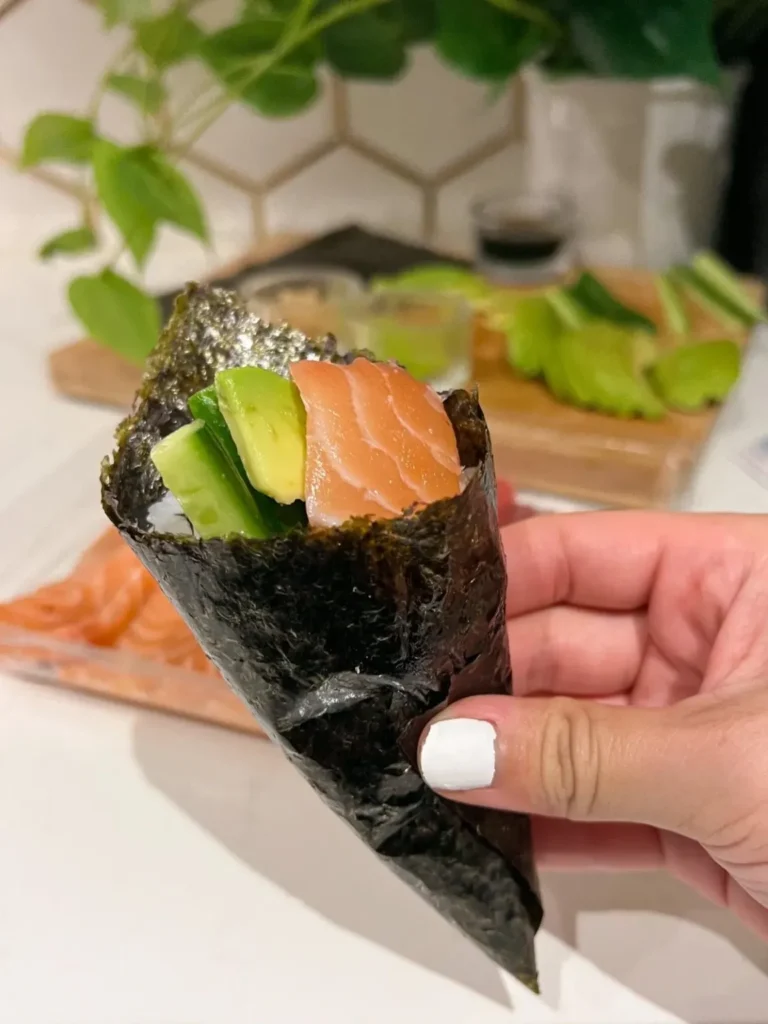
A sushi hand roll, or temaki, is a cone-shaped sushi. It’s made with nori (seaweed paper), sushi rice, and fresh fillings like fish or veggies. Each roll is easy to hold and fun to eat.
I still remember making these with my niece for the first time. We didn’t need any tools—just rice, fillings, and a smile. That’s the charm of hand rolls. They’re simple, fresh, and great for everyone.
You can set up a small sushi station, like a hot pot night, and let everyone roll their own. Try tuna, salmon, or shrimp, then add your favorite sauces or toppings.
The best part? Each roll can be unique. Mix, match, and enjoy your own style. This guide will help you create a fun and tasty sushi night at home.

Ingredients for Hand Rolls
Making sushi hand rolls at home is easy and fun. I love doing this on a calm weekend. You can mix your favorite fillings and create your own tasty rolls. Here’s what I always keep close:
- Nori sheets – These are a must. You can find them in most stores or online. I once stocked up during a big sale at H Mart and didn’t need to buy more for months.
- Sushi rice – Soft and a bit sticky, this rice holds the roll together. I season it with rice vinegar for that real sushi taste. I often make extra rice and use it in poke bowls the next day.
- Vegetables – Pick what’s fresh. Try cucumber, carrot, avocado, or even tofu. I also like seaweed salad and radish for a nice crunch. These work great for a vegetarian option too.
- Seafood – Use what you love. Try salmon, tuna, shrimp, Thai sauce, kani (crab), or yellowtail. I get my fish from a local Thai seafood shop. It’s always safe and fresh.
- Condiments – Add flavor and balance with soy sauce, wasabi, eel sauce, Japanese mayo, or spicy mayo. I sometimes mix my own spicy mayo to get the heat just right.
With these simple ingredients, you can make endless hand rolls. Mix, match, and have fun. A homemade sushi night is always a good idea!
Prepping Sushi Ingredients
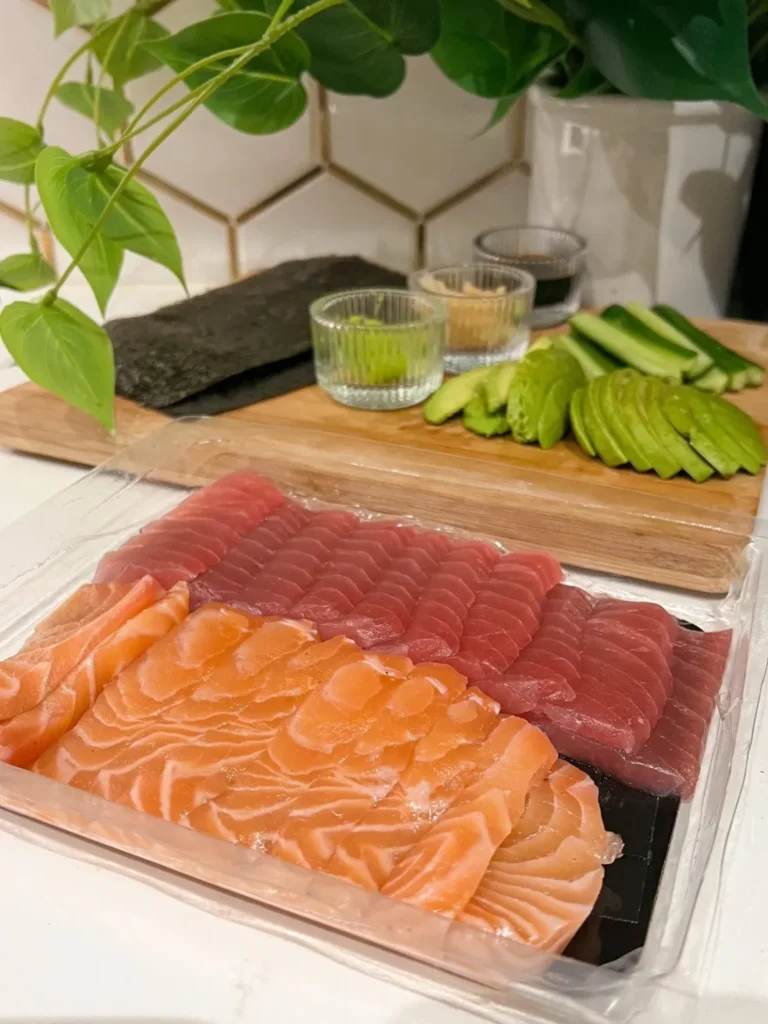
To make a really good sushi hand roll, you’ll want to prep everything before you start rolling. Slice the fish and seafood into bite-sized pieces that are easy to work with. Wash and cut your fresh vegetables to the shape and size you prefer—I usually go with thin matchsticks for things like cucumber and carrot for better texture and balance.
Then take your nori seaweed sheets and cut them in half. That makes them just the right size, so your rolls hold together without falling apart. Prepping everything ahead makes the rolling part fast and fun.
Now, let’s talk about the base: the sushi rice. Use short-grain rice because it gets that sticky, chewy feel that makes a hand roll hold together well. Rinse it a few times before cooking to remove extra starch. Once cooked and still warm, season it with a blend of rice vinegar, sugar, and salt.
I personally prefer it a bit less sweet, so I taste as I go and adjust the mix. You can do the same—just a quick test with a spoon helps you dial it in. When each component is prepped with care, the hand roll feels balanced, flavorful, and satisfying in every bite.

How to Make your Best Hand Roll Sushi
Making sushi hand rolls at home is not just affordable—it’s actually really satisfying once you get the hang of it. I’ve made these rolls on weeknights with family, and the process feels rewarding every time. You’ll find that it’s simple enough for beginners and still fun for experienced cooks.
Step 1: Prepare the Base
Begin with a horizontal seaweed sheet and place a thin layer of rice diagonally on the top left corner.
Next,
layer in your fillings—try one piece of seafood like salmon, plus a few slices of fresh vegetables like cucumber or avocado.
Keep the filling light so your hand roll holds together well. Too much stuffing makes it harder to shape and bite cleanly.
I’ve learned that balance is key here—especially when making multiple rolls in one sitting.
Step 2: Roll and Wrap
Take the bottom left corner of the seaweed sheet and fold it toward the top edge.
Then, roll it into a cone shape, wrapping the rest of the sheet neatly.
You’ll want to do this fairly quickly—fresh seaweed tends to lose its crispness fast.
I’ve made the mistake of pausing mid-roll and ended up with a soggy sheet. Quick hands help keep that satisfying crunch.
Step 3: Enjoy Immediately
Eat your homemade sushi hand roll right after making it.
Seaweed paper absorbs moisture from the fillings quickly, which can make it soft and chewy. One thing I enjoy most is mixing up ingredients—like pairing shrimp with pickled radish or adding a bit of spicy mayo for a flavor kick.
The combinations are endless, and making small tweaks helps personalize each bite.
Honestly,
that first bite of a freshly rolled sushi cone at home? It’s one of my favorite parts of the whole meal.
🥗Expert Nutrition Tips
- Protein boost: Add more fish like salmon or tuna, or go with tofu if you’re plant-based. I often add extra tofu cubes to my rolls when I want to stay full longer—it’s a clean way to increase protein without overpowering the flavor.
- Lower carbs: Swap out some sushi rice for crunchy veggies or try cauliflower rice. I’ve used cauliflower rice a few times when prepping low-carb hand rolls for a friend with diabetes—it held together surprisingly well.
- Sodium control: Cut back on regular soy sauce, or choose low-sodium versions to manage sodium intake. You can also season your rice with a little rice vinegar and sesame oil for a flavor lift without overdoing the salt.
- Healthy fats: Include slices of avocado or use omega-3-rich salmon to increase good fats in your roll. These fats not only enhance the mouthfeel but also support heart health, which makes this a smarter choice than deep-fried sushi.
🍣How to Eat a Handroll
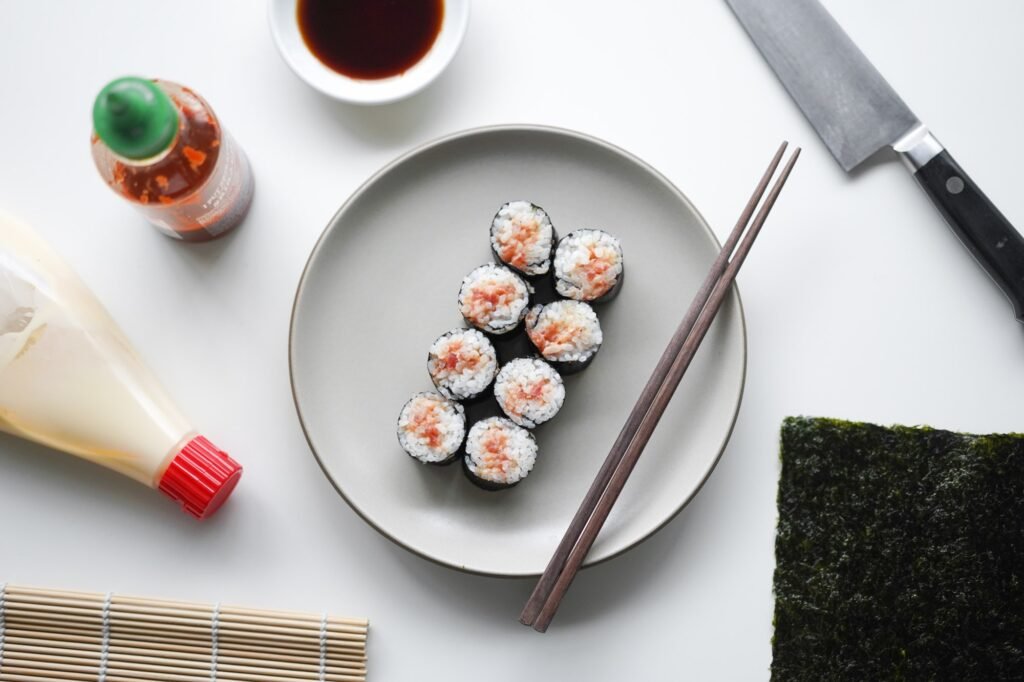
The simplest and most traditional way to enjoy a handroll (or temaki) is by using your hands—no chopsticks needed. Personally, I like to place a small dab of wasabi directly on the fish and then lightly dip the edge into soy sauce for balanced flavor.
Just be gentle—too much soy can overpower the delicate taste of the sushi-grade fish.
It’s really important to eat temaki sushi right after you make it.
Once the nori sheet absorbs moisture from the rice and fillings, it loses its crispness fast—sometimes in less than a minute. I’ve had rolls go soggy mid-conversation, and it made biting into them a lot less enjoyable. For that signature crunch and clean bite, eat it immediately after assembling.
More Recipes You Might Like

Sushi Hand Rolls Made Simple: No Skills or Sushi Mat Needed!
Description
Sushi Hand Rolls are fun and easy to make at home. Just fill seaweed sheets with rice, fish, and veggies, then roll them up by hand. They’re fresh, quick, and perfect for a light meal or snack. I love how everyone can make their own roll just the way they like it.
Ingredients
Instructions
- Prepare your fillings. Slice fresh fish, cucumber, and avocado into thin strips. Keep rice warm and sticky for easy rolling.
- Lay the nori sheet. Place one sheet shiny side down on your palm or a small board. Add a small scoop of rice to one side.
- Add fillings. Layer your sliced fish and veggies on top of the rice. Do not overfill, or it will tear.
- Roll and enjoy. Fold the nori into a cone shape. Press the edge to seal. Dip into soy sauce or enjoy plain.
Nutrition Facts
Servings 4
- Amount Per Serving
- Calories 720kcal
- % Daily Value *
- Total Fat 12g19%
- Saturated Fat 2.5g13%
- Cholesterol 60mg20%
- Sodium 800mg34%
- Potassium 800mg23%
- Total Carbohydrate 100g34%
- Dietary Fiber 4g16%
- Protein 32g64%
- Vitamin A 200 IU
- Vitamin C 4 mg
- Calcium 40 mg
- Iron 2 mg
- Selenium 8 mcg
- Copper 0.2 mg
* Percent Daily Values are based on a 2,000 calorie diet. Your daily value may be higher or lower depending on your calorie needs.
Note
- Use fresh fish and crisp veggies. Fresh food makes every bite taste bright and clean.
- Keep your rice warm but not hot. This helps it stick better when you roll.
- Don’t overfill your roll. A small amount of filling gives the best shape and clean edges.
- Wrap and eat right away. The seaweed stays crisp, and you get that perfect crunch!