Imagine a dish that bursts with vibrant colors, smoky aromas, and rich flavors—all without a single animal product. That’s exactly what Spanish Vegan Paella offers you.
Whether you’re a seasoned vegan or simply curious about plant-based meals, this iconic Spanish recipe will surprise and delight your taste buds. You’ll discover how easy it is to create a hearty, satisfying meal that brings the warmth and zest of Spain right into your kitchen.
Ready to impress your friends or treat yourself to a flavorful adventure? Keep reading to unlock the secrets of making an unforgettable Spanish Vegan Paella.
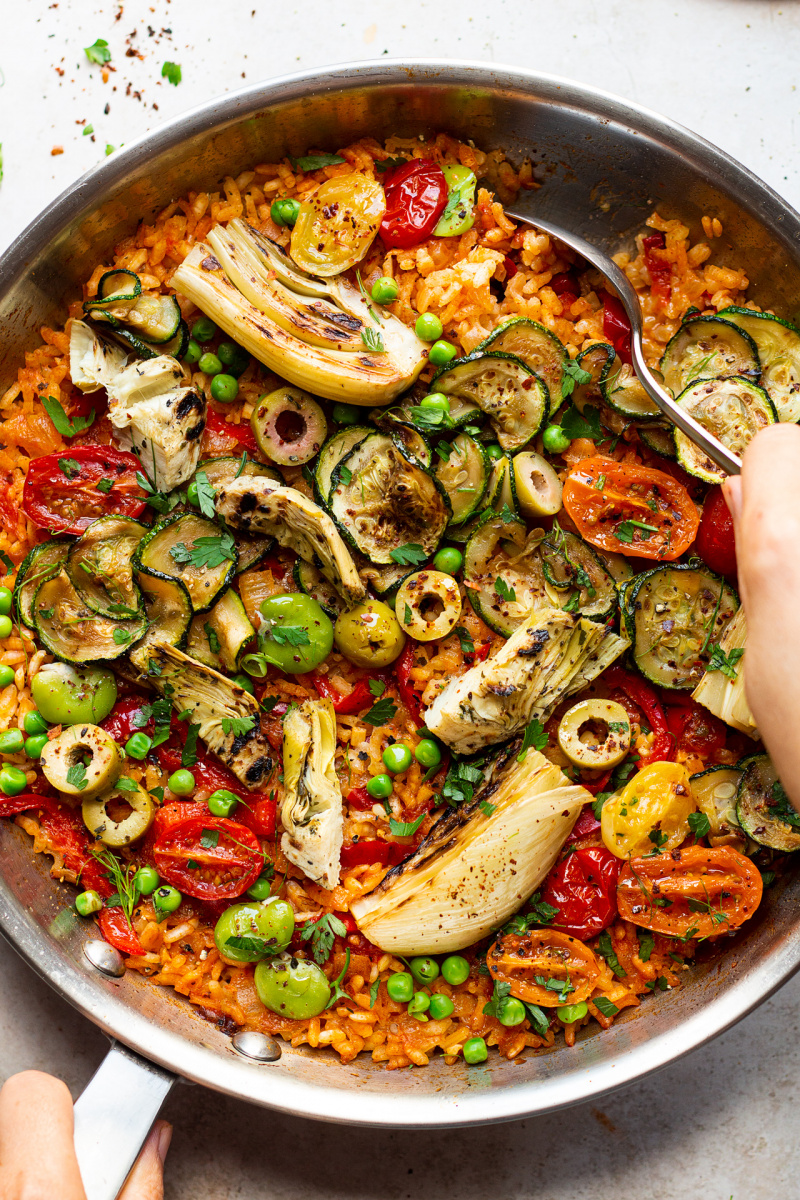
Credit: www.lazycatkitchen.com
Ingredients
Choosing the right ingredients is key to making a Spanish Vegan Paella that truly shines. Every component adds its own flavor and texture, creating a dish that’s vibrant and satisfying. Let’s break down the essentials so you know exactly what to get before you start cooking.
Rice And Grains
The heart of paella is its rice. Use short-grain rice like Bomba or Arborio. These absorb liquid well and stay firm, giving you that perfect bite.
Have you ever tried paella with a different grain? I once experimented with quinoa, but it lacked the authentic texture. Sticking to traditional rice really makes a difference.
Vegetables
Fresh, colorful vegetables bring life to your paella. Think red and yellow bell peppers, green beans, artichoke hearts, and tomatoes. They add sweetness and earthiness to the dish.
Don’t forget peas or broad beans for a pop of green and a bit of protein. The variety keeps each mouthful exciting and full of texture.
Spices And Herbs
Smoky paprika is non-negotiable in Spanish paella. It gives that signature warmth and depth. Saffron is the star spice, lending a golden hue and subtle floral notes.
Fresh herbs like parsley brighten the final dish. If you don’t have saffron, try turmeric as a budget-friendly alternative, but be cautious—it can easily overpower.
Broth And Liquids
A rich vegetable broth is crucial to infuse flavor into the rice. Use a good-quality broth or homemade stock if you can. It makes your paella taste homemade and full-bodied.
Some recipes add a splash of white wine or a squeeze of lemon juice at the end for acidity. These small touches can elevate your paella from good to unforgettable.
Choosing The Right Pan
Choosing the right pan is key to making an authentic Spanish vegan paella. The pan affects cooking time, heat distribution, and the final taste. Using the proper pan helps achieve the famous crispy bottom layer called “socarrat.” It also ensures even cooking of rice and vegetables. Below, we explore traditional options and practical alternatives for home kitchens.
Traditional Paella Pans
Traditional paella pans are wide, shallow, and round. They have low sides and two handles for easy movement. These pans are usually made of carbon steel, which heats quickly and evenly. Carbon steel also helps form the socarrat without burning the rice. Traditional pans come in various sizes to suit different servings. Using one brings a genuine touch to your vegan paella.
Alternatives For Home Cooking
Not everyone has a traditional paella pan at home. A large, wide skillet or frying pan can work well. Look for one with a flat bottom and low sides to spread the rice thinly. Non-stick pans help prevent sticking, but avoid very deep pans. Cast iron skillets also offer good heat retention. These options make vegan paella easy for home cooks without special equipment.
Preparing The Vegetables
Preparing the vegetables is a key step in making Spanish vegan paella. Fresh, well-prepared vegetables give the dish its vibrant colors and rich taste. Taking time with this step ensures each bite bursts with flavor and texture.
Chopping And Sautéing
Start by chopping the vegetables into even, bite-sized pieces. Use red bell peppers, tomatoes, green beans, and artichokes for authentic taste and color. Heat olive oil in a wide pan over medium heat. Sauté the vegetables until they soften and develop a slight caramelization. This process unlocks their natural sweetness and deepens the flavor.
Balancing Flavors
Season the vegetables with smoked paprika, garlic, and a pinch of salt. These spices add warmth and depth. Stir gently to coat every piece evenly. Taste the mix to ensure the flavors blend well. Adjust seasoning with lemon juice or a dash of black pepper if needed. Balanced flavors make the vegan paella unforgettable.

Credit: dishingouthealth.com
Cooking The Rice
Cooking the rice is the heart of a Spanish vegan paella. It requires careful attention to get the perfect texture and flavor. The rice must absorb all the smoky, rich tastes of the broth and vegetables. It should be tender but not mushy. Achieving this balance takes patience and the right technique.
Use short-grain rice like bomba or arborio for the best results. These absorb liquid well and stay firm. The cooking process has two important steps: toasting and simmering the rice, followed by creating the famous crispy crust called socarrat. Both steps build the classic flavors and textures of paella.
Toasting And Simmering
Start by lightly toasting the rice in olive oil. This step adds a nutty flavor and helps the rice hold its shape. Stir the rice gently until it looks translucent around the edges. Then, pour in the vegetable broth infused with saffron and smoked paprika.
Simmer the rice without stirring much. Let it cook evenly and absorb the broth slowly. Keep the heat medium-low to avoid burning. Add more broth if needed but do not stir. The goal is to let the rice cook and form a tender layer.
Achieving The Socarrat
The socarrat is the crispy, caramelized rice layer at the bottom of the pan. It brings a wonderful texture and smoky aroma. To get socarrat, increase the heat for the last few minutes of cooking. Listen for a gentle crackling sound.
Do not stir or scrape the bottom. Let the rice toast and brown slowly. This golden crust is the pride of Spanish paella. It adds a delicious crunch that contrasts the soft rice above. Serve the paella right away to enjoy this special texture.
Incorporating Spices
Spices are the heart of Spanish Vegan Paella. They add depth and warmth to this vibrant dish. The right spices create the iconic golden color and rich aroma. Each spice plays a unique role in balancing flavors. Using traditional spices connects the dish to its Spanish roots.
Smoky Paprika
Smoky paprika, or pimentón, is a staple spice in paella. It gives a deep, smoky flavor without heat. This spice enhances the taste of roasted vegetables and rice. Choose smoked paprika for an authentic, earthy touch. Avoid sweet paprika, as it lacks the smoky character. A teaspoon or two is enough to lift the entire dish.
Saffron And Alternatives
Saffron provides paella with its signature golden hue and subtle floral notes. It is the most prized spice in traditional recipes. A few threads steeped in warm water release its color and aroma. Saffron is expensive but worth every penny for authenticity. Use turmeric or annatto as budget-friendly alternatives. These spices mimic saffron’s color but lack its unique flavor. Turmeric adds earthiness, while annatto offers a mild, nutty taste. These options keep the dish vibrant and appealing.

Credit: www.k33kitchen.com
Adding Protein Alternatives
Adding protein alternatives to Spanish vegan paella enriches its taste and texture. Proteins make the dish more filling and nutritious. Plant-based proteins fit perfectly with traditional paella flavors. They absorb the smoky and savory spices well. This section highlights two popular protein options for vegan paella.
Beans And Legumes
Beans and legumes are classic protein sources in vegan cooking. Chickpeas, white beans, and butter beans blend beautifully in paella. They add a creamy texture and mild flavor. These legumes soak up the saffron and smoked paprika spices. Their natural earthiness balances the dish’s bright vegetables. Beans also provide fiber, helping digestion and fullness. Adding legumes keeps the paella hearty and satisfying.
Tofu And Tempeh Options
Tofu and tempeh are versatile soy-based proteins. Firm tofu absorbs the paella broth and spices well. Tempeh offers a nutty taste and firmer bite. Both can be marinated in garlic, lemon, and smoked paprika before cooking. This boosts their flavor and mimics traditional paella ingredients. Sautéing tofu or tempeh until golden adds a tasty crust. These options enrich the dish with protein and texture variety.
Serving Suggestions
Serving Spanish Vegan Paella offers a chance to enjoy its rich flavors fully. This dish stands out with its vibrant colors and smoky aroma. Present it well to enhance the dining experience. Thoughtful pairings and sides bring out the best in the paella.
Traditional Accompaniments
Serve the paella with fresh lemon wedges. A squeeze of lemon brightens the smoky, earthy flavors. Include a simple mixed green salad with olive oil and vinegar. This adds a light, refreshing contrast. Crusty bread on the side helps soak up any leftover sauce. A bowl of olives or roasted almonds can add texture and a salty bite.
Pairing With Drinks
A chilled glass of Spanish white wine pairs perfectly. Try Albariño or Verdejo for crisp acidity. For a non-alcoholic option, sparkling water with a slice of lemon works well. Sangria with fresh fruits also complements the dish’s bright flavors. Avoid heavy drinks that overpower the delicate taste of the paella.
Tips For Flavorful Paella
Creating a flavorful Spanish vegan paella takes more than just mixing ingredients. Attention to detail and technique bring out the true essence of this dish. The following tips focus on building layers of taste and managing cooking times and heat. These elements help capture the authentic spirit of paella without meat or seafood.
Layering Flavors
Start with a base of sautéed onions and garlic to create depth. Add smoked paprika for a warm, smoky note that defines paella. Use fresh tomatoes or tomato paste to bring brightness and acidity. Include a variety of vegetables, such as bell peppers and artichokes, to add texture and natural sweetness.
Cook the rice in vegetable broth infused with saffron. Saffron gives paella its golden color and unique aroma. Gradually add the broth, allowing the rice to absorb each addition slowly. This builds a rich, complex flavor that makes every bite satisfying.
Timing And Temperature Control
Maintain medium heat to cook the rice evenly without burning. Start by heating the pan well before adding ingredients. Once the broth is added, avoid stirring the rice. This helps form the prized socarrat, the crispy crust at the bottom.
Cook the paella until the rice is tender but firm. Remove from heat and let it rest for a few minutes. This resting period allows the flavors to settle and the texture to improve. Patience in timing and heat control is key to a perfect vegan paella.
Common Mistakes To Avoid
Making Spanish vegan paella can be a rewarding experience. Avoiding common mistakes helps keep the dish authentic and delicious. Small errors can change the texture and flavor drastically. Pay close attention to these key areas for the best results.
Overcooking Rice
Rice is the heart of paella. Overcooking makes it mushy and sticky. Use the right amount of liquid and cooking time. Stir gently and avoid lifting the lid too often. The rice should be tender but firm. Perfect rice absorbs flavors without losing shape.
Skipping The Socarrat
Socarrat is the crispy crust at the bottom of the pan. It adds a smoky flavor and texture contrast. Do not stir the rice during the last minutes of cooking. Increase the heat slightly to create the golden crust. Missing socarrat means missing a key paella element. It gives the dish an authentic Spanish character.
Variations To Try
Spanish Vegan Paella offers many exciting ways to enjoy this classic dish. Different ingredients and spices create unique flavors and textures. Trying variations lets you experience the richness of Spanish cuisine while keeping it plant-based. Each version highlights fresh, vibrant ingredients and traditional cooking methods.
Explore these tasty options to find your new favorite vegan paella recipe.
Seasonal Vegetable Paella
This variation uses fresh vegetables that are in season. Asparagus, artichokes, peas, and green beans work well. These vegetables add color and natural sweetness. The rice absorbs the flavors of the veggies and saffron perfectly. This dish is light, healthy, and full of texture. It changes with the seasons, so it never feels the same twice. A great way to celebrate local produce and support farmers.
Spicy Vegan Paella
For those who like a bit of heat, spicy vegan paella is ideal. Smoked paprika, chili flakes, and fresh peppers create a bold taste. This version balances spice with the earthiness of saffron and garlic. Tomatoes add a tangy depth that complements the rice. You can adjust the spice level to suit your taste. It warms the soul and excites the palate. Perfect for chilly days or whenever you want a fiery meal.
Conclusion
Spanish Vegan Paella offers a vibrant twist on a classic dish. Its bright colors and rich flavors delight every palate. This recipe brings healthy, plant-based ingredients together in harmony. Easy to prepare, it suits both beginners and experienced cooks. Share this meal with family or friends for a special gathering.
Enjoy the smoky aroma and crispy golden crust that make it unique. This dish proves vegan food can be both tasty and satisfying. Try it today and savor a genuine taste of Spain.