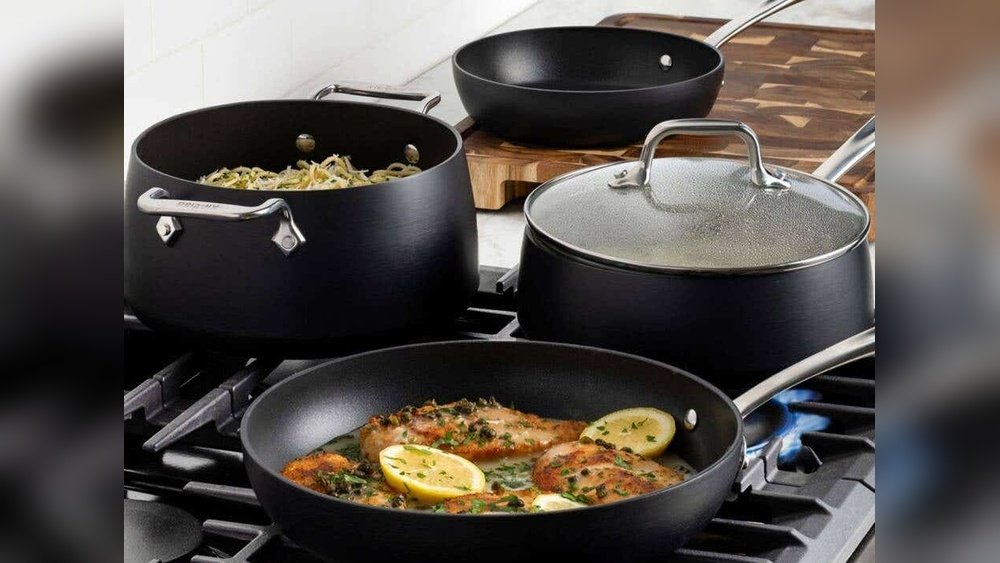
When I first started cooking for myself, I felt lost in the kitchen aisle. Shiny pots and pans were everywhere. Each set promised to make cooking easier. But which cookware sets really help beginners learn, cook, and enjoy their time in the kitchen? I learned the hard way that not all pans are equal. If you’re just starting out, let me share what I wish I knew earlier about choosing the best cookware sets for beginners.
Why Your First Cookware Set Matters
Choosing your first cookware set can make cooking more fun and less stressful. The right tools help you avoid burnt food, stuck eggs, and even save cleaning time. When I bought my first cheap set, I ended up frustrated. Handles got hot, food stuck, and some pieces were too heavy.
I realized not every set is made for new cooks.
Investing a little more time to pick a set with the right features made a big difference. Cooking became less of a chore, and I started trying new recipes.
What To Look For In Beginner Cookware Sets
Here’s what I learned to check before buying:
1. Material Type
The material affects how food cooks and how easy it is to clean.
- Nonstick is great for eggs and pancakes.
- Stainless steel is durable and looks nice, but may stick if you’re not careful.
- Aluminum heats up fast but can warp if too thin.
- Ceramic is nonstick and chemical-free but can chip.
- Number of Pieces
Many sets offer 10, 12, or 15 pieces. This often includes lids, spoons, and spatulas. I found that 8 to 12 pieces are enough for most beginners. Too many pieces just crowd your cupboard.
3. Included Items
A good beginner set should include:
- 1–2 frying pans (skillets)
- 1–2 saucepans with lids
- 1 larger pot (stockpot)
- 1 sauté pan
- A few basic utensils
A set missing a skillet or saucepan will frustrate you quickly.
4. Ease Of Cleaning
If you’re not used to hand washing, look for sets marked dishwasher safe. Nonstick pans are usually easier to clean, but don’t last as long as steel.
5. Weight And Handle Comfort
Heavy pans can be hard to use if you’re not strong. I once bought a set that felt like lifting weights. Light to medium weight is best for daily use. Try holding the pan in the store if you can.
Comfortable handles make a difference.
6. Oven Safety
Some recipes start on the stove and finish in the oven. Check if your set is oven safe. Not all nonstick pans can go in the oven.
7. Price And Warranty
You don’t need to buy the most expensive set. But very cheap sets usually don’t last. Look for a good balance. Some brands offer a warranty, which shows confidence in quality.
8. Compatibility With Your Stove
If you have an induction cooktop, not all pans work. Check the box for “induction compatible” if needed.
.png?v=1762379030992&options=w_870,h_700)
Credit: www.greenpan.us
My Top Cookware Sets For Beginners (2024)
After trying different sets and reading reviews, here are some I recommend for new cooks. I focus on practical features, not hype.
| Brand/Model | Material | Pieces | Nonstick | Dishwasher Safe | Oven Safe |
|---|---|---|---|---|---|
| T-fal Ultimate Hard Anodized | Hard Anodized Aluminum | 12 | Yes | Yes | Up to 400°F |
| Cuisinart MCP-12N Multiclad Pro | Stainless Steel | 12 | No | Yes | Up to 500°F |
| Rachael Ray Cucina | Aluminum/Ceramic | 12 | Yes | Yes | Up to 400°F |
| Calphalon Classic | Stainless Steel/Nonstick | 10 | Yes | Yes | Up to 450°F |
Why These Sets Stand Out
I chose these sets because they balance price, quality, and ease of use. For example, the T-fal set has a “Thermo-Spot” indicator. It tells you when the pan is hot enough, which really helps when you’re still learning. The Cuisinart set is a bit heavier but feels solid and lasts for years.
The Rachael Ray Cucina set is colorful, which adds fun to cooking. Handles stay cool, so I don’t burn my hands. The Calphalon Classic set has measuring marks inside the pans—this is a small detail that saves time for recipes.
Key Features To Compare
Let’s break down what really matters side-by-side:
| Feature | Why It Matters | Beginner Tip |
|---|---|---|
| Nonstick Surface | Prevents food from sticking, easy to clean | Use less oil, avoid metal utensils |
| Riveted Handles | Stronger, safer grip | Check for loose rivets over time |
| Tempered Glass Lids | See food without lifting lid | Still, use oven mitts—they get hot |
| Oven Safe | More recipe options | Double-check safe temperature limit |
Common Mistakes Beginners Make
I made many errors with my first set. Here’s what to avoid:
- Buying the biggest set you can find. Many pieces go unused.
- Ignoring weight and comfort. Heavy pans can make cooking tiring.
- Skipping reviews. Real user reviews often reveal problems.
- Using high heat on nonstick pans. This can damage the coating.
- Washing nonstick pans in the dishwasher too often. Hand wash when possible to make them last longer.
Honest Pros And Cons I Noticed
No set is perfect. Here’s what I found in real use.
Pros of Good Beginner Sets:
- Cooking is easier with nonstick pans.
- Sets with glass lids help you see food while cooking.
- Dishwasher-safe pans save time.
Cons to Watch Out For:
- Nonstick coatings wear out in 2–3 years.
- Stainless steel can be hard to clean if food sticks.
- Ceramic pans may chip if dropped.

Credit: alva-cookware.us
Practical Tips For Picking Your Set
- Hold the pans before buying, if possible.
- Start with a smaller set. You can add more pieces later.
- Ask friends or family for their experiences.
- Don’t focus only on looks—function matters more.
- Read the care instructions. Some pans need more gentle use.
How To Make Your Cookware Last
With a little care, your set will last longer:
- Use wooden or silicone utensils with nonstick pans.
- Avoid sudden temperature changes (don’t put a hot pan in cold water).
- Dry pans after washing to prevent rust.

Credit: www.bonappetit.com
Frequently Asked Questions
What Is The Best Cookware Material For Beginners?
Nonstick is usually best for beginners. Food comes off easily, and cleanup is fast. Stainless steel is good if you want something durable and don’t mind a bit more cleaning.
How Many Pieces Do I Really Need?
Most people need 8–12 pieces. This should include at least one frying pan, one saucepan, and one larger pot.
Can I Put All Cookware In The Dishwasher?
Check the label. Many sets are dishwasher safe, but hand washing helps nonstick pans last longer.
Should I Avoid Metal Utensils With Nonstick Pans?
Yes, metal can scratch nonstick coatings. Use wood, silicone, or plastic utensils to keep pans in good shape.
Where Can I Find More Advice About Cookware Types?
You can read more on the Wikipedia Cookware and Bakeware page for detailed information.
Choosing your first cookware set should be exciting, not stressful. Start simple, focus on what you’ll really use, and pick a set that feels comfortable in your hands. With the right tools, you’ll enjoy cooking much more—even when you’re just starting out.