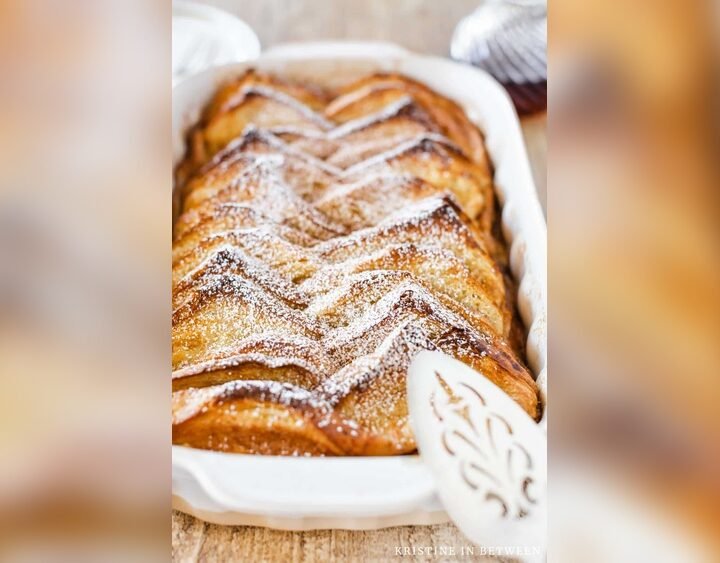
Brioche French Toast Casserole: My Experience, Tips, And Honest Insights
There’s something special about waking up on a weekend and knowing breakfast is already taken care of. I remember the first time I made Brioche French Toast Casserole—I was hosting friends for brunch, feeling a bit nervous, wanting everything to feel homey but not stressful. I didn’t want to stand over a stove flipping slices while everyone chatted and sipped coffee in the next room. That’s when I discovered the magic of this casserole. It’s easy, you make it ahead, and the results are pure comfort.
But as easy as it sounds, there are a few things I wish I had known before my first try. In this article, I’ll share my real experience, tips, and a few honest mistakes so you can make your own Brioche French Toast Casserole with confidence. Whether you want a cozy family breakfast, a holiday treat, or just an excuse to use up leftover brioche, this guide covers everything you need.
What Makes Brioche French Toast Casserole So Good?
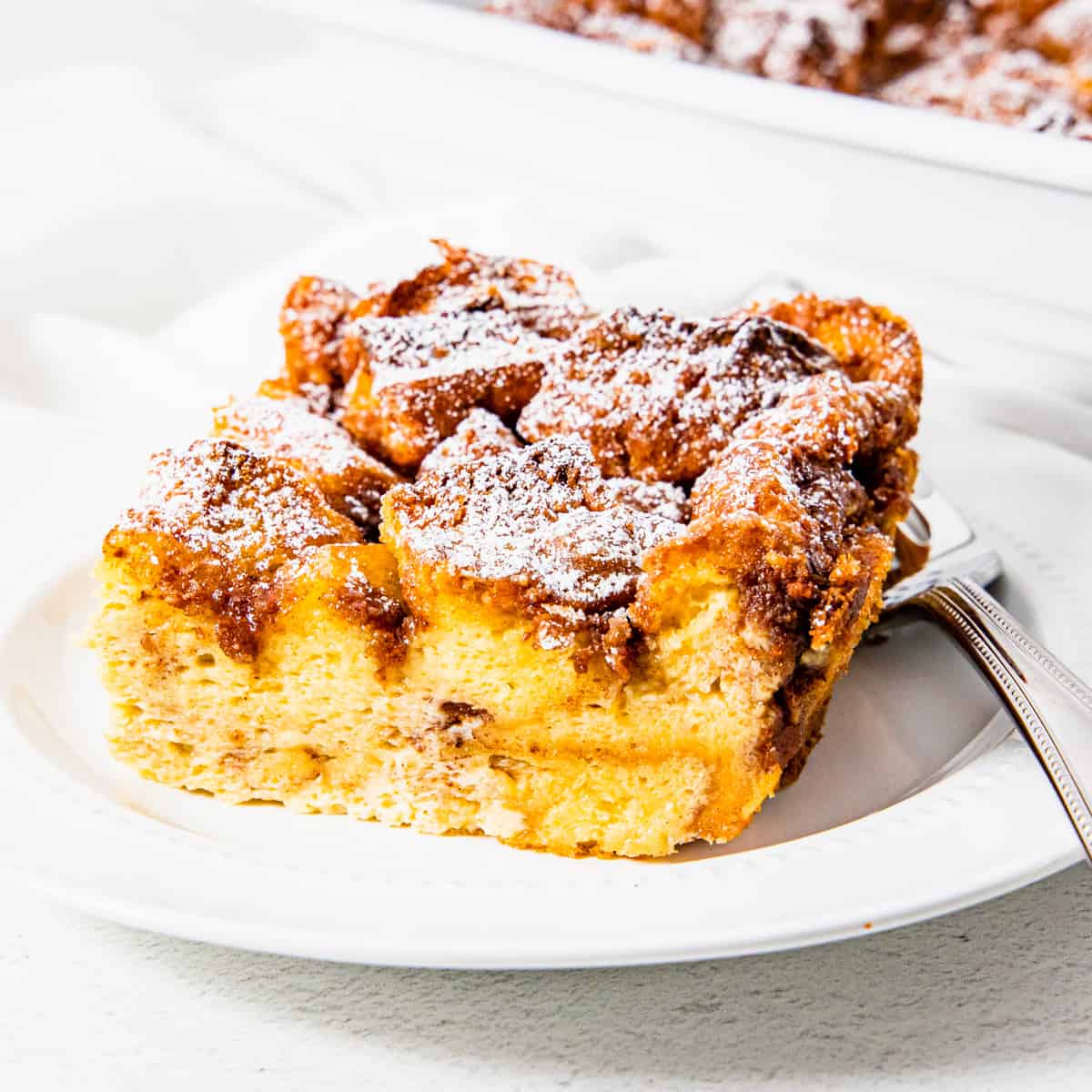
The first thing you notice is the bread. Brioche is not just any bread—it’s soft, slightly sweet, and almost cake-like. That’s why it soaks up the custard beautifully, giving you a casserole that’s rich and tender inside, with a golden, slightly crisp top. I love how you get both creamy and toasty textures in each bite.
There’s also the make-ahead magic. You assemble everything the night before, let the bread soak up the custard, and bake it in the morning. That means more sleep for you and less stress when friends or family are waiting.
And honestly, the casserole is a crowd-pleaser. It looks impressive, smells amazing, and tastes even better the next day. It’s perfect for brunch, holidays, or just when you want to treat yourself.
Ingredients: What You Really Need
When I first started making this casserole, I experimented a lot. Some recipes were fussy, others too plain. Here’s what I found works best:
Basic Ingredients
- Brioche bread: 1 large loaf (about 16 ounces), slightly stale is best
- Eggs: 6 large
- Whole milk: 2 cups
- Heavy cream: 1 cup (for richness)
- Granulated sugar: ⅔ cup
- Pure vanilla extract: 2 teaspoons
- Ground cinnamon: 1½ teaspoons
- Salt: ½ teaspoon
- Unsalted butter: 2 tablespoons, melted (for drizzling)
- Brown sugar: ¼ cup (for topping)
- Powdered sugar: For dusting after baking
- Fresh berries or sliced fruit: Optional, for serving
- Maple syrup: For serving
Optional Add-ins
- Pecans or walnuts: ½ cup, chopped (for crunch)
- Chocolate chips: ⅓ cup, scattered between layers
- Orange zest: For a fresh twist
- Nutmeg: ¼ teaspoon, for extra warmth
I’ve made it with both store-bought and bakery brioche. The bakery version is usually richer, but honestly, any decent brioche works. If you can’t find brioche, challah or even a soft white bread can substitute, but the flavor won’t be as buttery.
Step-by-step: How To Make Brioche French Toast Casserole
Let me walk you through the process as I do it in my own kitchen. It’s simple, but a few details make a big difference.
1. Prep The Brioche
Cut the brioche into 1-inch cubes. If it’s a bit stale, that’s perfect—it will soak up the custard without turning mushy. Fresh bread works too, but I recommend toasting the cubes lightly in the oven (at 300°F for 10 minutes) to dry them out.
This step changed my results from soggy to just right.
2. Make The Custard
In a big bowl, whisk together the eggs, milk, cream, granulated sugar, vanilla, cinnamon, salt, and nutmeg if using. Whisk until the sugar dissolves and everything is well blended. I use a hand whisk, not a mixer, to keep the texture smooth.
3. Assemble The Casserole
Grease a 9×13-inch baking dish with butter or nonstick spray. Spread half the brioche cubes in the dish. Pour half the custard over the bread, pressing down gently with your hands so the bread absorbs some of the liquid. Scatter any add-ins (nuts, chocolate chips, orange zest) at this point.
Top with the rest of the brioche and pour over the remaining custard. Press down again so all the bread gets a custard bath.
4. Chill And Soak
Cover the dish tightly with plastic wrap or foil and refrigerate for at least 3 hours, but overnight is best. I’ve tried baking it after just an hour, and the middle stayed dry. The overnight soak makes a big difference—the custard fully saturates the bread for that creamy texture.
5. Bake
Preheat your oven to 350°F (175°C). Uncover the casserole and let it sit at room temperature while the oven heats (about 20 minutes). Drizzle the melted butter over the top, then sprinkle with brown sugar for a caramelized crust.
Bake for 40–50 minutes. The top should look golden and feel set, not jiggly. If it browns too quickly, cover loosely with foil for the last 10 minutes. I like my casserole slightly custardy in the center, but if you want it firmer, add 5–10 minutes.
6. Serve
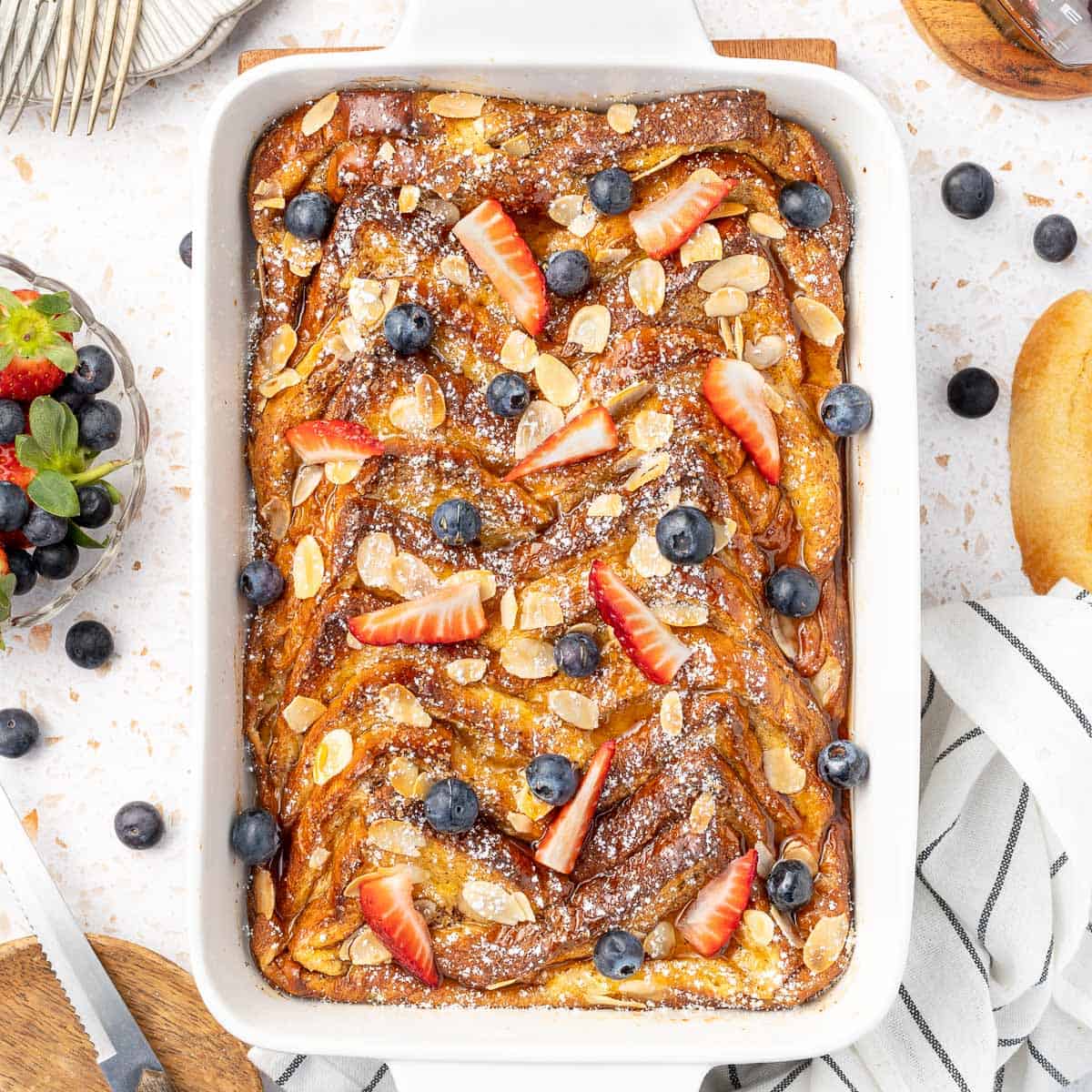
Let it cool for 10–15 minutes. Dust with powdered sugar, add berries or fruit if you like, and serve with warm maple syrup. I always set out extra syrup and fresh fruit so people can help themselves.
My Honest Experience: What Works, What Doesn’t
I’ve made this casserole for holidays, lazy Sundays, and even as a dessert for dinner parties. Here’s what I’ve learned:
The Good
- Effortless mornings: Everything is done ahead, so mornings are relaxed.
- Feeds a crowd: A 9×13 dish serves 8–10 people easily.
- Versatile: You can swap flavors, add-ins, or toppings to suit your mood or what’s in your pantry.
- Kid and adult approved: My friends’ kids ask for seconds, and adults love the nostalgic French toast flavor.
The Not-so-good
- Soggy bottom: If you skip drying the bread or don’t let it soak long enough, the bottom can turn mushy. I learned this the hard way.
- Overly sweet: Some recipes add too much sugar. I cut back the sugar, and it’s still sweet enough, especially with syrup.
- Blandness: Using cheap bread or skipping vanilla/cinnamon leaves the casserole bland. Don’t skimp on these!
Lessons Learned
- Texture is everything. Dry bread and a long soak give the best results.
- Balance your flavors. A little orange zest or nutmeg adds depth.
- Don’t rush the bake. Undercooked casserole is just sad. Test with a knife in the center—it should come out mostly clean.
Choosing The Best Brioche
Not all brioche is the same. At first, I grabbed the cheapest loaf I could find. It worked, but the flavor was… just okay. When I splurged on a bakery brioche, the difference was clear. The casserole tasted richer, almost like bread pudding.
Here’s how different breads stack up:
| Bread Type | Texture | Flavor | Soak Ability |
|---|---|---|---|
| Brioche | Soft, rich | Buttery, slightly sweet | Excellent |
| Challah | Light, fluffy | Eggy, mild sweet | Very good |
| White bread | Soft, plain | Bland | Good (if stale) |
| French bread | Chewy | Neutral | Fair |
If you’re making this for a special occasion, use real brioche. For everyday, challah works well and is sometimes cheaper.
My Personal Flavor Variations
Brioche French Toast Casserole is like a blank canvas. I change it up depending on the season or who I’m serving. Here are some of my favorite twists:
- Berry Cream Cheese: Add dollops of cream cheese and scatter fresh blueberries between bread layers. The cream cheese melts into creamy pockets, and the berries burst with flavor.
- Apple Cinnamon: Sauté sliced apples with cinnamon and a little sugar, then layer them with the bread. It’s like apple pie meets French toast.
- Chocolate Banana: Add sliced bananas and a handful of chocolate chips. This is a hit with kids and anyone who loves dessert for breakfast.
- Holiday Spice: Add orange zest, dried cranberries, and a pinch of allspice. Perfect for Thanksgiving or Christmas mornings.
One thing I always do is keep the custard base simple. That way, any add-ins or toppings really shine.
:max_bytes(150000):strip_icc()/Brioche_French_Toast_Casserole_020-405df1cc482a4cedba4be97b1b1c2855.jpg)
Credit: www.southernliving.com
Toppings And Serving Suggestions
This casserole is great straight from the oven, but the right toppings make it special. Here’s what I’ve tried:
- Maple syrup: Classic and always a favorite.
- Powdered sugar: For a pretty, bakery-style look.
- Fresh berries: Strawberries, blueberries, or raspberries add freshness.
- Whipped cream: For a dessert-like treat.
- Toasted nuts: Pecans or walnuts for crunch.
- Caramel sauce: When you want to go all out.
I sometimes make a simple berry compote (just simmer berries with a bit of sugar until syrupy) for a fruity topping.
Make-ahead And Storage Tips
This casserole is designed for making ahead, but a few tricks help keep it at its best:
- Overnight soak: Don’t skip this. The bread needs hours to absorb the custard.
- Fridge or freezer: You can assemble and refrigerate up to 24 hours before baking. For longer storage, freeze after assembling (without the topping), then thaw overnight in the fridge before baking.
- Reheating: Leftovers reheat well in the oven (cover with foil at 350°F for 15 minutes) or microwave. The top stays crisp, and the inside stays creamy.
I’ve frozen leftovers in single portions, then reheated for a quick breakfast. It’s not quite as good as fresh, but still comforting.
Credit: disheswithdad.com
How Brioche French Toast Casserole Compares To Classic French Toast
I get asked a lot—why not just make classic French toast? After all, it’s a breakfast staple. Here’s my take, based on several brunches and plenty of trial and error:
| Feature | Brioche French Toast Casserole | Classic French Toast |
|---|---|---|
| Prep Time | 10 mins (plus overnight soak) | 15 mins (cooking as you go) |
| Hands-On Time | Minimal | High (flip each slice) |
| Feeds | Crowds (8–10) | Small groups (2–4) |
| Texture | Creamy inside, crisp top | Crisp outside, soft inside |
| Make-Ahead | Yes, overnight | No |
| Flavor Depth | Rich, custardy | Simple, eggy |
For holidays or lazy weekends, the casserole wins. For quick weekday breakfasts, classic French toast is faster. But you can’t beat the ease and wow-factor of pulling a golden casserole from the oven.
Common Mistakes And How To Avoid Them
I’ve made all the classic errors, so you don’t have to. Here’s what to watch out for:
- Using fresh bread: It gets mushy and falls apart. Dry or slightly stale bread is best.
- Not soaking long enough: The casserole will be dry in the middle. Let it soak overnight.
- Too much sugar: The casserole plus syrup can be overpowering. Adjust sugar to taste.
- Baking too short or too long: Underbaked means soggy; overbaked means dry. Check at 40 minutes and cover if browning too fast.
- Skipping the rest after baking: Letting it cool a bit helps set the custard so it slices neatly.
Nutritional Facts And Portion Sizes
Let’s be honest—this is an indulgent breakfast. But you can control portions and ingredients to fit your needs.
For An Average Serving (1/10th Of The Casserole):
- Calories: ~340
- Protein: 9g
- Carbs: 36g
- Fat: 17g
- Sugar: 17g
To lighten it up, you can use half-and-half instead of cream, reduce sugar, or add more fruit.
Making Brioche French Toast Casserole For Special Diets
I’ve cooked for friends with allergies and dietary needs. Here’s what I’ve learned:
- Dairy-free: Use almond or oat milk and a dairy-free cream (like coconut cream). Substitute vegan butter. The texture changes slightly but still tastes great.
- Gluten-free: Use gluten-free brioche or challah. The soak time may need adjusting (gluten-free bread absorbs differently).
- Nut-free: Just skip nuts and double-check your bread ingredients.
- Lower sugar: Use a sugar substitute or reduce sugar by half—the casserole is still sweet, especially with syrup.
Always check labels on your bread and add-ins if you’re cooking for allergies.
When To Serve Brioche French Toast Casserole
Over the years, I’ve brought this casserole to all sorts of gatherings. Here are my favorite occasions:
- Holiday brunches: Christmas, Easter, Mother’s Day—this is my go-to dish.
- Potlucks and office parties: Easy to transport and reheat.
- Family weekends: Prep the night before and sleep in.
- Breakfast-for-dinner: Add bacon or sausage and call it a meal.
Kids, grandparents, picky eaters—everyone seems to love it.
My Best Tips For Success
If you’re making this for the first time, here’s what I wish someone had told me:
- Dry the bread: Even if it’s not stale, toast it a bit to help it hold up.
- Use real vanilla and cinnamon: The flavor difference is worth it.
- Don’t skip the soak: Overnight really is best.
- Let it rest after baking: This helps set the custard and makes serving neater.
- Customize: Use what you have—berries, nuts, chocolate, citrus zest. Make it your own.
- Test bake time: Ovens vary. Start checking at 40 minutes and adjust as needed.
Credit: www.abakingjourney.com
Real-time Trends: Why Brioche French Toast Casserole Is Still So Popular
Looking at food blogs and social media, Brioche French Toast Casserole is still trending. It’s often featured on brunch menus and in holiday recipe roundups. The appeal is simple—it’s easy, feeds a group, and feels special. According to Food Network, French toast casseroles are among the most searched-for brunch dishes, especially during winter holidays.
People love sharing photos of golden, bubbly casseroles topped with fruit or syrup. It’s not just about taste—it’s about making mornings easier and gatherings warmer.
Frequently Asked Questions
How Do I Keep My French Toast Casserole From Getting Soggy?
Use day-old brioche or lightly toast fresh bread cubes. Let the casserole soak overnight so the custard fully absorbs. Bake until the top is golden and the center is just set.
Can I Assemble Brioche French Toast Casserole Two Days Ahead?
Yes, but it’s best within 24 hours. After 36 hours, the bread can become too soft and fall apart. For longer prep, assemble and freeze, then thaw overnight before baking.
What’s The Best Way To Reheat Leftovers?
Reheat in a 350°F oven, covered with foil for 15–20 minutes. The microwave works for single servings but can make the texture softer. The oven keeps the top crisp.
Can I Make This Recipe Dairy-free Or Gluten-free?
Absolutely. Use dairy-free milk and cream (like almond or coconut), and swap in gluten-free brioche. Check that all your add-ins are allergy-friendly.
How Do I Know When The Casserole Is Done?
The top should be golden and puffed, and a knife inserted in the center should come out mostly clean (a little custard is okay, but not wet). Let it rest 10–15 minutes before serving.
If you’re looking for a breakfast that feels special but doesn’t keep you in the kitchen, Brioche French Toast Casserole is a winner. It’s forgiving, flexible, and always gets rave reviews—at least in my kitchen. Try it once and it might become your go-to brunch recipe, too.