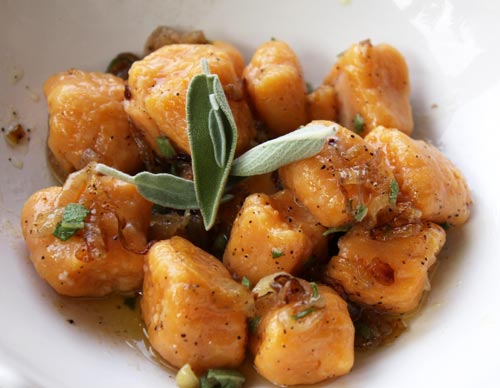
Potato Gnocchi In Burnt Butter Sage Sauce: A Personal Journey
Making potato gnocchi in burnt butter sage sauce is a small adventure in my kitchen every time. I remember my first attempt. I was a little nervous—would the gnocchi be chewy or fall apart? Would the sage sauce taste bitter? But what drew me to this dish was its simplicity and comfort. There’s something magical about turning humble potatoes into soft little pillows and then bathing them in nutty, aromatic butter.
Over time, I’ve learned a lot—what works, what doesn’t, and how to keep things easy. If you love Italian food, or you’re just looking for a cozy meal to share with friends or family, you’ll enjoy this recipe. Let me walk you through my process, with all the tips and honest thoughts I wish I’d known at the start.
Why Potato Gnocchi With Burnt Butter Sage Sauce?
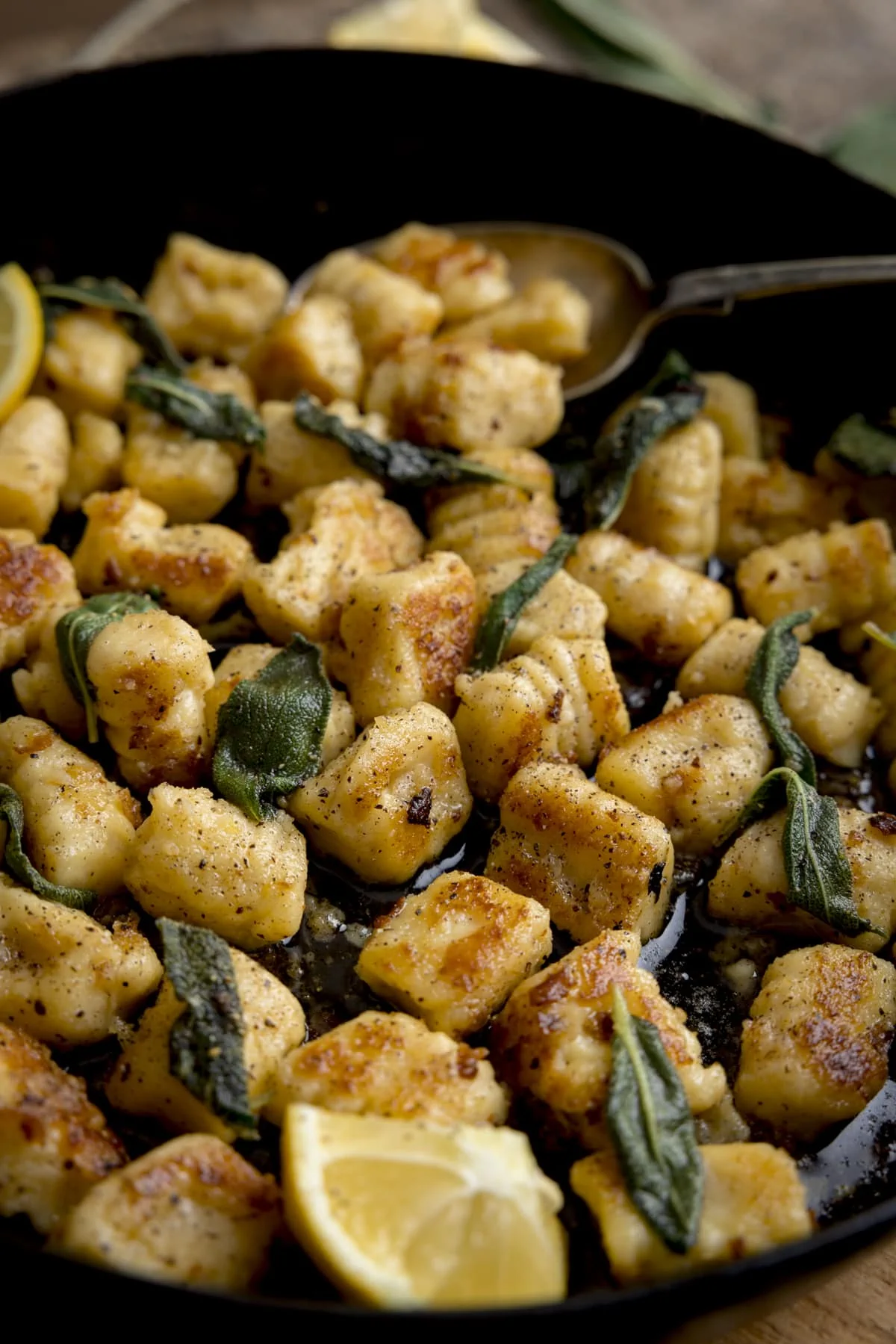
Gnocchi is not just another pasta. These small dumplings have a unique, pillowy texture. When paired with burnt butter sage sauce, the flavors shine. The butter turns nutty and brown, and the sage leaves become crispy and fragrant. It’s a classic for a reason.
I find this dish especially great for weeknights or small gatherings. It’s quick (once you get the hang of it), and it feels special without being fussy. Plus, you probably already have most of the ingredients at home.
Ingredients And Quantities
Here’s exactly what I use for two generous servings (or three lighter portions):
- 2 medium russet potatoes (about 400g/14oz)
- 1 large egg
- 1 cup all-purpose flour (plus extra for dusting)
- 1/2 teaspoon salt
- 4 tablespoons unsalted butter
- 10-12 fresh sage leaves
- Freshly grated Parmesan cheese (for serving)
- Black pepper (optional)
I’ve tried swapping russets for Yukon Golds, but russets give the best fluffy result.
Credit: italianfoodforever.com
Step-by-step Gnocchi Making
Making gnocchi from scratch isn’t as hard as it sounds. Here’s my real-life breakdown:
- Cook the potatoes. I bake mine at 400°F for about 45 minutes until soft. You can boil them, but baking keeps them dry.
- Peel and mash. While still hot (but not burning your hands! ), peel and mash the potatoes. A potato ricer is best, but a regular masher works.
- Cool slightly. Spread the mash out to lose steam. This step is key—too much moisture makes heavy gnocchi.
- Mix in egg and salt. Gently mix the egg and salt into the mashed potatoes.
- Add flour gradually. Sprinkle flour over the mixture and fold it in gently. Stop when it just comes together—don’t knead!
- Shape the dough. Roll into long ropes about 3/4-inch thick, then cut into 1-inch pieces. Dust with flour to prevent sticking.
- Shape (optional). For the classic look, roll each piece on a fork to get ridges, but I often skip this.
- Boil water. Salt a big pot of water and bring to a boil.
- Cook gnocchi. Drop pieces in batches. When they float (about 1-2 minutes), they’re done. Scoop them out with a slotted spoon.
Tip: Don’t overwork the dough. The less you handle it, the softer your gnocchi will be.
Making Burnt Butter Sage Sauce
This sauce feels fancy, but it’s a breeze. Here’s how I do it:
- Melt butter in a wide skillet over medium heat.
- Add sage leaves when butter starts to foam.
- Swirl and watch. Butter will turn golden, then brown. Sage leaves crisp up.
- Remove from heat as soon as you smell a toasty, nutty aroma.
Pour the sauce over the drained gnocchi. Toss gently to coat. Finish with a shower of Parmesan and a little black pepper.
Credit: www.kitchensanctuary.com
Common Mistakes (and How I Learned From Them)
I’ve made my share of mistakes! Here are some things I wish I’d known sooner:
- Too much flour makes dense, chewy gnocchi. Less is more.
- Potatoes too wet? Gnocchi fall apart or get sticky. Bake, don’t boil, and let steam escape after mashing.
- Undercooking the sage leaves them soggy and bitter. Wait until the butter browns and the leaves crisp.
- Overcooking butter turns it black and bitter instead of nutty and brown. Watch closely—seconds matter.
Why Homemade Gnocchi Feels Special
I’ve bought packaged gnocchi before, but homemade has a cloud-like softness. It feels lighter and less rubbery. Friends always seem impressed—even though it’s easier than making most pastas. The burnt butter sage sauce gives a restaurant-quality finish with little effort.
How Potato Type And Technique Impact Results
Not all potatoes are equal. Russets have less water and more starch, which means fluffier gnocchi. When I used waxy potatoes, the dough got sticky, and I needed more flour—leading to heavier dumplings.
Technique matters too. Overmixing the dough develops gluten, making gnocchi tough. Keeping everything gentle and quick is key. I also use a bench scraper for mixing and cutting, which helps avoid warm hands melting the dough.
Here’s a quick comparison of potato types I’ve tried:
| Potato Type | Texture | Ease of Handling |
|---|---|---|
| Russet | Light, fluffy | Easy |
| Yukon Gold | Soft, a bit heavy | Medium |
| Red Potato | Dense, sticky | Hard |
Burnt Butter Sage Sauce: Why It Works
The flavor of brown butter is nutty, rich, and a little sweet. Sage brings a gentle, earthy aroma. I didn’t realize at first how much the butter’s temperature affects taste—a little too long and it’s burnt, not browned.
I sometimes add a clove of crushed garlic for extra depth, but it’s not traditional. The sauce also works well on store-bought gnocchi, ravioli, or even roasted vegetables.
Here’s a quick guide to how sauce timing changes the result:
| Cooking Time | Butter Color | Flavor |
|---|---|---|
| 2-3 minutes | Pale yellow | Mild, creamy |
| 4-5 minutes | Golden brown | Nutty, rich |
| 6+ minutes | Dark brown/black | Bitter, burnt |
Serving And Storing Gnocchi
I like to serve gnocchi right away. The texture is best fresh—soft and pillowy. Leftovers can be kept in the fridge for a day or two, but they get a bit chewy when reheated. If I need to make ahead, I freeze the uncooked gnocchi on a tray, then bag them.
They go straight into boiling water from frozen.
If you want to get creative, add peas, crispy pancetta, or swap sage for rosemary. But honestly, the classic combination is hard to beat.
Why This Recipe Stands Out
Compared to other pasta dishes, this one is fast, inexpensive, and deeply satisfying. I love that you can make it with basic ingredients and no special tools. Friends sometimes ask me to bring gnocchi to potlucks—it’s always a hit.
Another insight: if you want vegan gnocchi, skip the egg (they’ll be a bit softer, but still good) and use plant-based butter.
For more about the history of gnocchi and different styles, see Wikipedia.

Credit: www.theburntbuttertable.com
Frequently Asked Questions
How Do I Know When The Gnocchi Are Cooked?
When the gnocchi float to the surface of the boiling water, they’re done. This usually takes about 1-2 minutes.
Can I Use Dried Sage Instead Of Fresh?
Fresh sage gives the best flavor and crispy texture. Dried sage works in a pinch but won’t crisp up—use only a small pinch to avoid bitterness.
My Dough Is Too Sticky. What Should I Do?
Sprinkle in a little more flour, but don’t overdo it. Sticky dough means your potatoes may be too wet or you added the egg before cooling the mash.
Can I Freeze Homemade Gnocchi?
Yes, freeze uncooked gnocchi in a single layer on a tray. Once solid, bag them up. Cook straight from frozen—don’t thaw first.
Is It Okay To Make The Sauce Ahead Of Time?
The sauce tastes best fresh. If you must make ahead, reheat gently and add a splash of water to loosen it.
—
Every time I make potato gnocchi in burnt butter sage sauce, I’m reminded how simple ingredients can create something truly special. Even if your first batch isn’t perfect, the process is fun and the results are always comforting. Once you try it, you’ll never want to buy store-bought gnocchi again. Happy cooking!