If you’ve never tried Japanese Chicken Curry With Rice (Kare Raisu), you’re missing one of the most comforting and satisfying dishes I’ve ever made. I remember the first time I cooked it—it was a rainy evening, and I wanted something hearty and warm, but not too complicated. Japanese curry felt like the perfect answer. I was surprised by how easy it was to prepare and how the flavors reminded me of home, even though I’d never been to Japan.
Unlike Indian or Thai curries, Japanese curry is mild, a little sweet, and thick like a stew. It’s a family favorite in Japan, and I quickly understood why after my first bite. Each spoonful was rich and soothing, with tender chicken, soft carrots, and potatoes, all smothered in a glossy curry sauce. If you’re looking for a dish that’s easy, filling, and guaranteed to make your kitchen smell amazing, let me walk you through my experience making Kare Raisu.
What Makes Japanese Chicken Curry Unique
At first, I thought curry was just spicy and complex. But Japanese curry is different. It’s milder, a little sweet, and the sauce is thicker. What’s interesting is that curry was introduced to Japan by the British during the 19th century.
Over time, it became a national comfort food.
Japanese curry uses a curry roux—a blend of flour, butter, and curry powder. You can buy it in blocks at Asian supermarkets, but making it at home is easy and tastes fresher. The curry is usually served with sticky white rice. Some people add a fried pork cutlet on top, but the chicken version is lighter and just as tasty.
Ingredients You’ll Need
When I made this dish, I used ingredients I already had in my pantry. Here’s what you need for 4 servings:
- 500g (about 1 lb) boneless chicken thighs, cut into bite-sized pieces
- 2 medium onions, sliced
- 2 medium carrots, cut into chunks
- 2 medium potatoes, peeled and cut into chunks
- 1 medium apple, grated (adds sweetness)
- 2 cloves garlic, minced
- 1 tbsp ginger, minced
- 3 tbsp curry powder
- 2 tbsp all-purpose flour
- 2 tbsp butter
- 2 cups chicken stock
- 1 tbsp soy sauce
- 1 tbsp honey (optional)
- 1 tbsp tomato paste
- Salt and pepper, to taste
- 2 cups cooked Japanese rice
Optional Add-ins
- 1/2 cup frozen peas
- 1/2 red bell pepper, chopped
- A dash of Worcestershire sauce
I like adding peas for color, but you can skip or swap vegetables based on what you have.
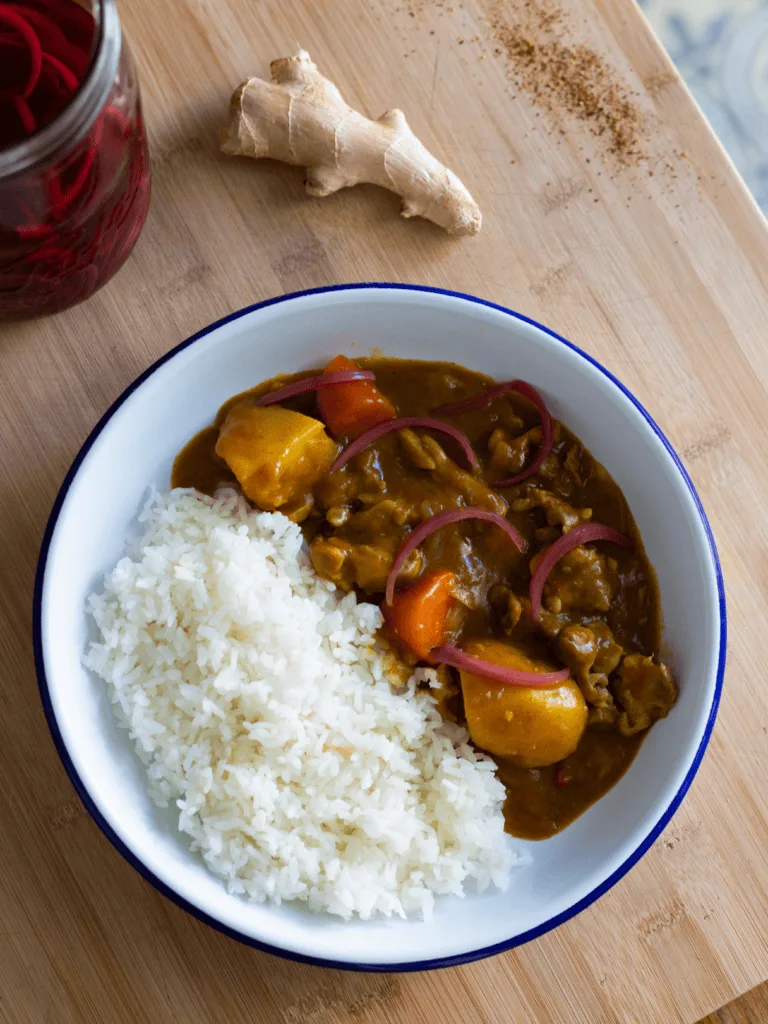
Credit: multicarbs.com
Step-by-step Cooking Instructions
When I cooked Japanese chicken curry for the first time, I was nervous about the roux. But it turned out to be the easiest part. Here’s how I do it:
1. Brown The Chicken
Heat a large pot over medium heat. Add a little oil, then the chicken. Brown on all sides. Remove and set aside.
2. Cook The Vegetables
In the same pot, add onions. Sauté until soft. Add garlic and ginger, stirring for 1 minute. Add carrots and potatoes.
3. Make The Curry Roux
In a small pan, melt butter over low heat. Stir in flour. Cook, stirring, until it turns light brown. Add curry powder and cook for another minute. It will smell amazing!
4. Combine Everything
Return chicken to the pot with vegetables. Add chicken stock, grated apple, soy sauce, tomato paste, and honey. Bring to a boil, then lower the heat. Simmer for 15 minutes.
5. Thicken The Sauce
Stir in the curry roux. Mix until the sauce thickens. Add salt, pepper, and extra seasonings if needed. If you like, toss in peas or bell pepper for the last 5 minutes.
6. Serve
Spoon hot curry over cooked rice. I love it with a side of pickled ginger or even a fried egg on top.
Cooking Time
- Prep: 15 minutes
- Cooking: 30 minutes
- Total: 45 minutes
Why You’ll Love This Dish
What I love about Kare Raisu is its flexibility. You can use any protein—chicken, pork, beef, or even tofu. The curry is mild enough for kids but still has depth, thanks to the apple and honey. It’s filling, warming, and great for meal prep. Leftovers taste even better the next day.
I also appreciate that the dish is budget-friendly. Most ingredients are easy to find, and you don’t need expensive cuts of meat.
Comparing Japanese Curry To Other Curries
To give you a better idea, here’s how Japanese curry compares to Indian and Thai curries in terms of flavor and ingredients:
| Type | Spiciness | Main Ingredients | Texture |
|---|---|---|---|
| Japanese Curry | Mild | Curry roux, chicken, potatoes, carrots | Thick, stew-like |
| Indian Curry | Medium to Hot | Spices, tomato, cream | Saucy, sometimes creamy |
| Thai Curry | Medium to Hot | Coconut milk, herbs, chili paste | Thin, soupy |
I find Japanese curry the easiest to cook on a busy night, and it’s the most kid-friendly.
Nutritional Value And Serving Tips
Japanese chicken curry is packed with protein, fiber, and vitamins from all the veggies. One serving (with rice) is about 500 calories, depending on how much oil and rice you use. It’s a balanced meal by itself, but you can add a salad or simple miso soup for variety.
If you want to reduce calories, use less butter, swap chicken thighs for breast, or add more veggies. I sometimes replace half the potatoes with sweet potatoes for a twist.
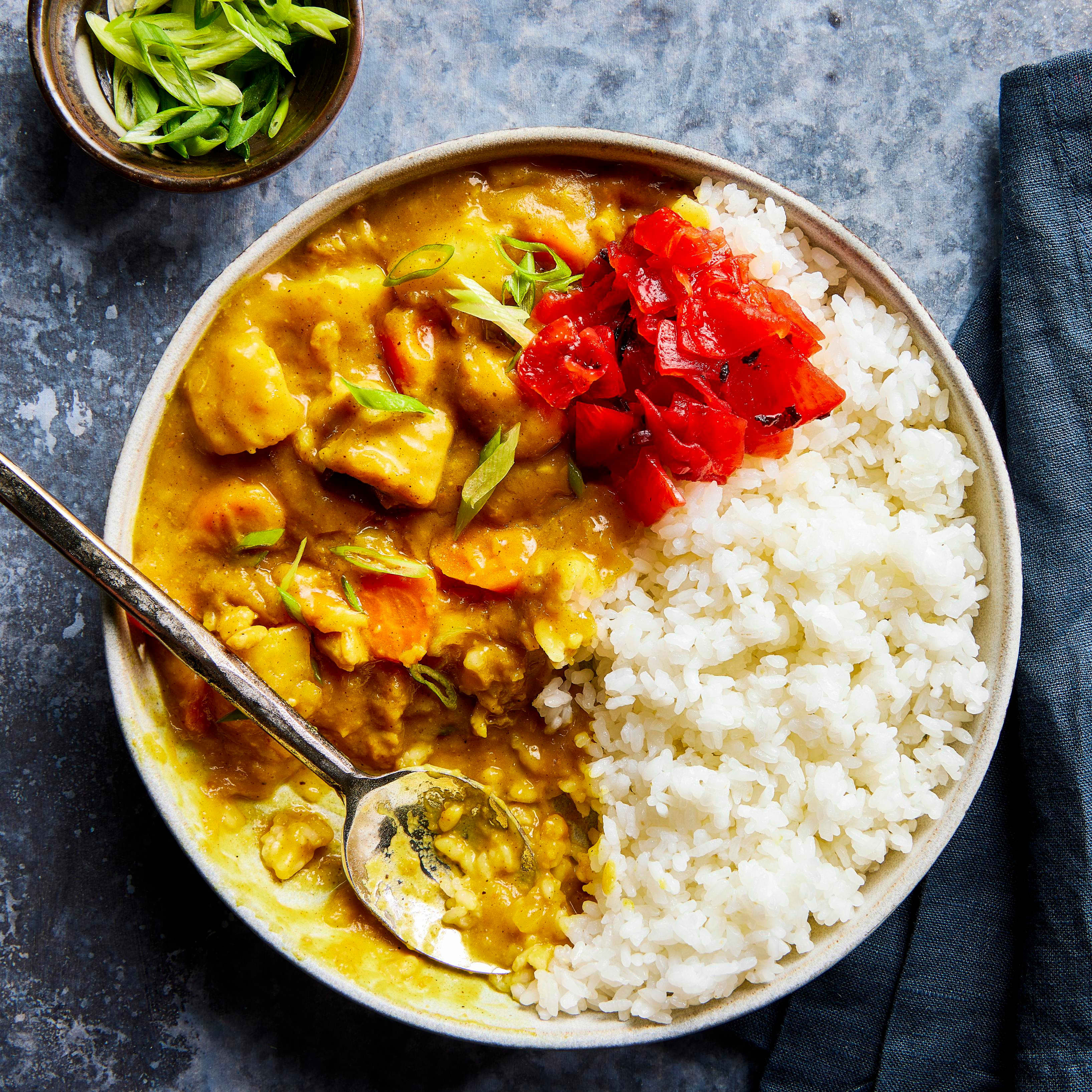
Credit: www.americastestkitchen.com
How To Store And Reheat
One of my favorite things about kare raisu is how well it keeps. I often make a big batch and store leftovers for lunch. Here’s how I do it:
| Storage Method | How Long | Tips |
|---|---|---|
| Fridge | 2–3 days | Keep rice and curry separate for best texture |
| Freezer | Up to 1 month | Freeze in portions; thaw overnight in fridge |
When reheating, add a splash of water if the curry looks too thick.
Common Mistakes And My Tips
I’ve made a few mistakes with this recipe. Here’s what I’ve learned:
- Don’t rush the roux. If you burn it, the curry tastes bitter.
- Cut veggies evenly. That way, everything cooks at the same rate.
- Don’t skip the apple. It adds a sweet depth you can’t get from sugar.
- Use Japanese rice. Short-grain rice is stickier and holds the curry sauce better than long-grain types.
If you want more information on Japanese curry’s history and variations, check out the Wikipedia page on Japanese curry.

Credit: beyondsweetandsavory.com
Frequently Asked Questions
What Is The Best Chicken Cut For Japanese Curry?
I recommend boneless chicken thighs. They stay juicy and tender after simmering. Chicken breast can be used, but it dries out faster.
Can I Make This Curry Vegetarian?
Yes! Swap chicken for tofu or chickpeas and use vegetable stock. The curry sauce is very flexible.
How Spicy Is Japanese Curry?
Japanese curry is usually mild. You can add chili powder or hot sauce if you like it hotter.
Can I Use Store-bought Curry Roux?
Absolutely. It’s convenient and tastes good. But making your own roux gives the dish a fresher, less salty flavor.
What Rice Should I Use With Kare Raisu?
Use Japanese short-grain rice. It’s sticky and pairs perfectly with the thick curry sauce. Regular white rice works in a pinch, but the texture isn’t quite the same.
Cooking Japanese Chicken Curry With Rice (Kare Raisu) brought so much comfort and warmth to my kitchen. It’s a dish I now crave on cold nights or when I want a meal that feels like a hug. If you try it, I hope you enjoy it as much as I do—and don’t be afraid to make it your own!