I’ll be honest: sticky messes used to drive me crazy. I’ve peeled off price tags, only to find a thick, stubborn glue still stuck to the jar. Or the kids would leave gum on the table, and I’d spend ages scrubbing. It always felt like commercial goo removers were either too harsh, smelled terrible, or cost more than I wanted to pay for cleaning up a little mess. So I started making my own homemade goo remover—and I’ve never looked back.
What surprised me most was how simple and effective these DIY solutions can be. With just a few kitchen staples, I can tackle anything from label glue to crayon marks and even greasy cooking residue. If you’ve ever wondered how to make your own goo remover at home, I’m sharing exactly what’s worked for me, plus a few tips I wish I’d known earlier.
Why Make Your Own Goo Remover?
Making goo remover at home is not just about saving money (though you really do). For me, the biggest reasons are:
- Safety: Store-bought removers can be packed with chemicals. I like knowing exactly what’s in my cleaning products.
- Customizable: Some surfaces need gentle care, others need more power. Homemade goo removers let you adjust.
- Eco-Friendly: Most DIY recipes use ingredients I already have, which means less plastic waste.
Plus, I find these natural options work just as well for 90% of messes around my house.
What You’ll Need: Key Ingredients
These are the most effective, simple ingredients I use in my homemade goo remover recipes:
- Baking soda – A gentle abrasive that helps lift sticky stuff.
- Cooking oil (like coconut, olive, or vegetable) – Breaks down glue and sticky residues.
- White vinegar – Cuts through grease and sticky spots.
- Lemon juice – Natural degreaser and deodorizer.
- Liquid dish soap – Helps lift and wash away residue.
- Essential oils (optional) – For a fresh scent; I usually add tea tree or lemon.
Don’t worry if you don’t have all of these; the basic recipes still work with just a couple!
My Favorite Homemade Goo Remover Recipes
Here’s what I use most often, depending on the mess.
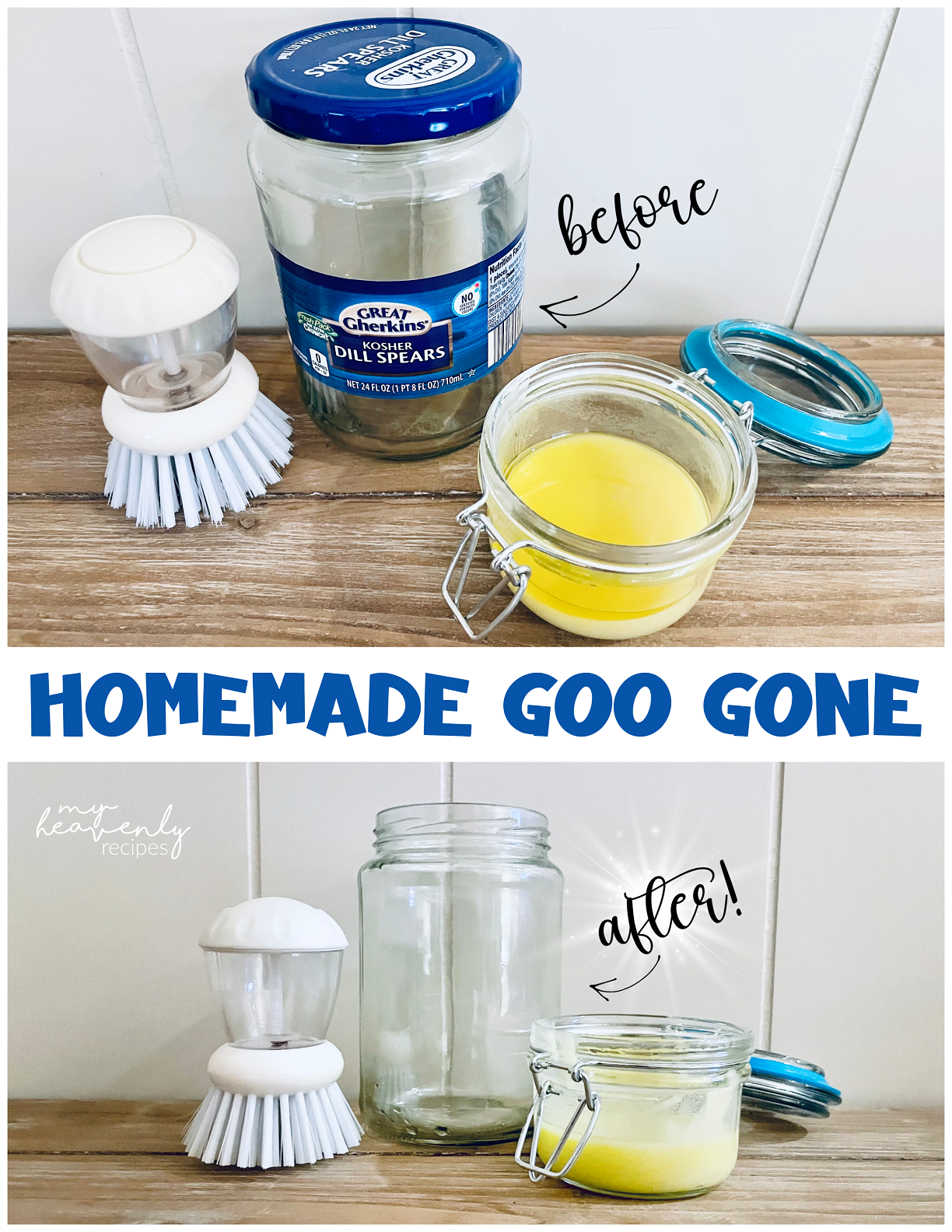
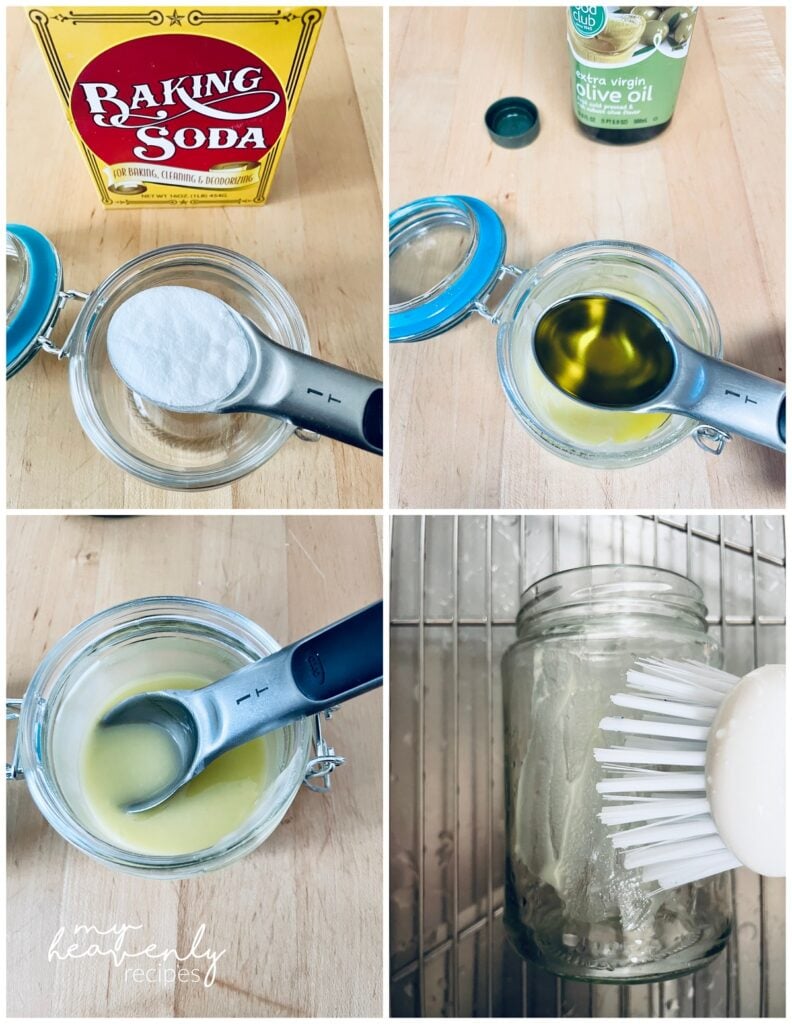
1. Baking Soda And Oil Paste
This simple paste is my go-to for almost anything sticky.
Ingredients:
- 2 tablespoons baking soda
- 2 tablespoons cooking oil
Instructions:
- Mix the baking soda and oil in a small bowl until you have a paste.
- Spread it over the sticky spot.
- Let it sit for 2–5 minutes.
- Rub gently with a cloth or your fingers.
- Wipe clean with a damp towel.
Tips: This mix is safe for glass, plastic, metal, and even some finished wood. I’ve used it to remove stickers from jars, tape residue on windows, and even old bumper sticker glue.
2. Vinegar And Dish Soap Spray
When I need something a little stronger, I turn to this spray.
Ingredients:
- 1 part white vinegar
- 1 part water
- A few drops dish soap
Instructions:
- Mix the vinegar, water, and dish soap in a spray bottle.
- Spray directly onto the goo.
- Let it soak for 5–10 minutes.
- Wipe with a sponge or paper towel.
Tips: This works wonders on greasy stovetops, kitchen counters, and sometimes even dried gum. I avoid using it on natural stone (like granite), since vinegar can damage those surfaces.
3. Lemon Juice And Baking Soda Paste
For stubborn spots or sticky smells, I love this combo.
Ingredients:
- 2 tablespoons baking soda
- 2 tablespoons lemon juice
Instructions:
- Stir together until you get a fizzy paste.
- Rub onto the sticky area.
- Let sit for 5 minutes.
- Wipe clean.
Tips: I’ve used this on plastic food containers that smell weird or have greasy labels.
4. Quick Oil Only Method
Sometimes, the simplest way is just oil.
Instructions:
- Dab a little oil onto a paper towel.
- Rub the sticky area.
- Wipe off with a clean, dry cloth.
Tips: This is gentle on painted surfaces. I use it for getting tape off kids’ toys and even on my hands after working with glue.
How Homemade Goo Removers Compare
Over the years, I’ve tested homemade recipes against popular store-bought removers. Here’s a quick side-by-side:
| Type | Main Ingredients | Works On | Safety | Cost |
|---|---|---|---|---|
| Homemade | Baking soda, oil, vinegar | Labels, gum, crayon, grease | Non-toxic | Very low |
| Commercial | Petroleum distillates, citrus solvent | Labels, tar, sticky messes | May irritate skin | Moderate-high |
For me, the homemade option wins for everyday messes. Commercial removers might work faster for heavy-duty jobs, but I rarely need that.
Surfaces And Stains: What Works Best
I’ve learned that not every method is perfect for every surface. Here’s what I use for different messes:
| Surface | Best Homemade Method | Notes |
|---|---|---|
| Glass | Baking soda + oil | Safe and leaves no scratches |
| Plastic | Lemon + baking soda | Removes odors, too |
| Metal | Vinegar + dish soap | Great for greasy residue |
| Wood (finished) | Oil only | Test first in a small spot |
Important: Always Test In An Out-of-sight Spot First, Especially On Painted Or Delicate Surfaces.
Extra Tips For Success
After lots of trial and error, here are a few lessons I’ve learned:
- Don’t rush. Let the remover sit a few minutes before scrubbing.
- For thick glue, peel off as much as possible by hand first.
- Use a plastic scraper or old credit card for tough spots (never metal).
- Wash the area with soap and water after removing the goo, especially on kitchen items.
- Store leftover paste in a small jar—it lasts a week or two.
One thing I discovered by accident: if you add a drop or two of essential oil, it not only smells better, but it also helps cut through really sticky stuff. Lemon or tea tree are my favorites.
When Homemade Isn’t Enough
There are rare times when homemade goo remover isn’t quite enough. For example, dried super glue or tar can be tricky. In those cases, I’ll use a commercial product, but only as a last resort. Most of the time, though, my homemade recipes solve the problem without any harsh chemicals or strong smells.
Real-time Results And What To Expect
From my own experience, homemade goo removers work about 90% as well as commercial brands. The biggest difference? Sometimes you need to let the paste or spray soak a bit longer. I’ve timed it—sticky labels on glass jars usually come off in under 5 minutes with a baking soda and oil paste.
Crayon on walls took a bit longer, but still worked.
I also noticed that using these natural ingredients didn’t damage my surfaces or leave weird residue. In fact, my kitchen smells fresher after using the lemon and baking soda mix!
If you want more background on the science behind these methods, check out the Wikipedia article on adhesives.
Frequently Asked Questions
How Long Does Homemade Goo Remover Last?
Most homemade pastes are best used fresh, but you can store them in a sealed jar for up to one week. Shake or stir before using again.
Will Homemade Goo Remover Damage Paint?
If you use oil or baking soda gently, it’s usually safe. Always test on a small, hidden spot first to be sure.
Can I Use Homemade Goo Remover On Clothes?
Yes, but rinse thoroughly with warm water and soap afterwards. Lemon and baking soda work well for sticky stains on fabric.
Is Homemade Goo Remover Safe For Kids And Pets?
Yes, as long as you use basic ingredients like oil, baking soda, and vinegar. Avoid essential oils if your pets are sensitive.
What If The Sticky Mess Won’t Come Off?
Try letting the remover sit longer, or repeat the process. For really tough glue, you might need a commercial product as a last resort.
Making your own goo remover is easy, cheap, and surprisingly effective. With a few pantry staples, you can tackle almost any sticky mess—no harsh chemicals, no mystery ingredients. Trust me, once you try it, you’ll never want to go back to store-bought.