Roasting a turkey was always something that seemed big and a bit scary to me. The first time I did it, I worried about everything—would it be juicy? Would the skin get crispy? Would I overcook it and end up with dry, sad turkey slices?
But after a few tries, and more than a few family dinners, I finally found a method that’s simple, repeatable, and actually fun. If you’ve never roasted a turkey before or just want to make sure you get it right every time, this guide is for you.
I’ll walk you through every step, share what went wrong for me, and give you tips that actually helped.
Choosing The Right Turkey
Let’s start with the basics: the turkey itself. Size matters, but not as much as you think. For most dinners, a 12 to 14-pound turkey is perfect. It fits in most ovens and feeds about 10 people with some leftovers.
Here’s a quick table to help you pick:
| Turkey Weight | Serves | Thawing Time (Fridge) |
|---|---|---|
| 8–12 lbs | 6–8 people | 2–3 days |
| 12–14 lbs | 8–10 people | 3–4 days |
| 14–18 lbs | 10–14 people | 4–5 days |
I learned the hard way that bigger birds take longer to cook and can dry out more easily. I recommend buying a fresh turkey if you can, but frozen is totally fine—just give it enough time to thaw in the fridge.
Ingredients You Need
You don’t need fancy stuff to make a turkey taste amazing. Here’s what I use every time:
- 1 whole turkey (12–14 lbs)
- 1/2 cup unsalted butter, melted
- 2 tablespoons olive oil
- 1 tablespoon salt
- 2 teaspoons black pepper
- 1 tablespoon garlic powder
- 1 tablespoon dried thyme
- 1 tablespoon dried rosemary
- 1 tablespoon dried sage
- 1 large onion, quartered
- 1 lemon, quartered
- 4 garlic cloves, smashed
- 2 cups chicken broth (for basting)
- Optional: Fresh herbs (for inside the cavity)
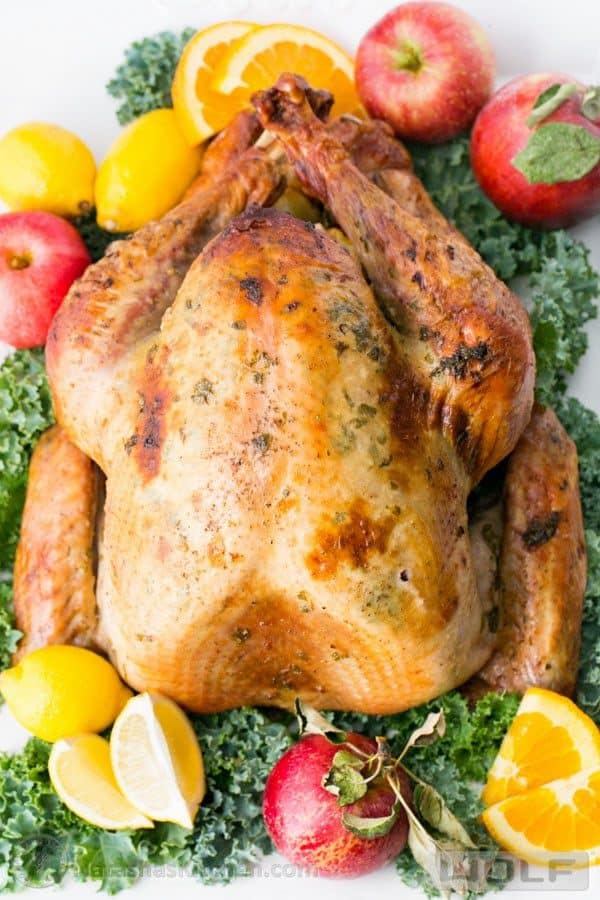
Simple, right? The only thing I suggest not skipping is the butter—it really helps the skin brown and adds flavor.
Preparing The Turkey
This is the part that used to stress me out. Here’s my step-by-step, no-nonsense approach:
- Thaw the turkey completely in the fridge. Never thaw on the counter.
- Remove the neck and giblets from inside the cavity. (I forgot once—don’t be like me!)
- Pat the turkey dry with paper towels. This makes the skin crisp up.
- Mix the melted butter, olive oil, salt, pepper, garlic powder, thyme, rosemary, and sage together.
- Rub half this mixture under the skin (gently loosen it with your fingers). Rub the rest all over the outside.
- Stuff the cavity with onion, lemon, garlic, and any fresh herbs you have.
Here’s what I wish someone had told me: Don’t overstuff the cavity. Air needs to circulate for even cooking.
Roasting The Turkey
Now for the main event. I used to guess the oven temp and timing, but now I follow these steps and it works every time.
- Preheat your oven to 325°F (163°C).
- Place the turkey breast-side up on a rack in a large roasting pan.
- Pour about 2 cups of chicken broth into the bottom of the pan.
- Roast the turkey uncovered. For a 12–14 lb turkey, plan for 13–15 minutes per pound.
Here’s a table that makes timing easy:
| Turkey Weight | Roasting Time |
|---|---|
| 12 lbs | 2.5–3 hours |
| 14 lbs | 3–3.5 hours |
| 16 lbs | 3.5–4 hours |
Key tip: About halfway through, if the skin is browning too fast, cover the breast loosely with foil.
I like to baste the turkey with pan juices every hour. Some people say it doesn’t help, but I’ve found it keeps the breast moist.

How To Know When It’s Done
This is the moment of truth. Forget guessing or poking—use a meat thermometer. The turkey is done when the thickest part of the thigh reaches 165°F (74°C). Check the breast too; it should be at least 160°F (71°C).
Here’s a quick comparison of doneness signs:
| Method | Reliable? | What I Noticed |
|---|---|---|
| Juices run clear | No | Sometimes clear but still undercooked inside |
| Wiggling leg | Somewhat | Works, but not precise |
| Meat thermometer | Yes | Never fails |
I once forgot the thermometer, and ended up with a turkey that looked perfect, but was still pink inside. Now I never skip this step.
Resting And Carving
When you take the turkey out, cover it loosely with foil and let it rest for 30–45 minutes. This keeps the juices from running out when you carve. I used to skip resting because I was impatient, but every time I did, the turkey turned out drier.
For carving, I watched a few quick videos online. The main thing is to use a sharp knife and take your time. Start with the legs and thighs, then the breast. If you want perfect slices, cut against the grain.
Troubleshooting Common Problems
Here are a few snags I ran into, and how to fix them:
- Dry breast: Tent with foil early, and baste with broth.
- Undercooked thighs: Cut them off and finish in the oven.
- Skin not crispy: Increase oven temp to 425°F for the last 15 minutes.
One insight I wish I knew sooner: Don’t rely on those pop-up timers that come with some turkeys—they often pop too late.
What Makes This Recipe Work
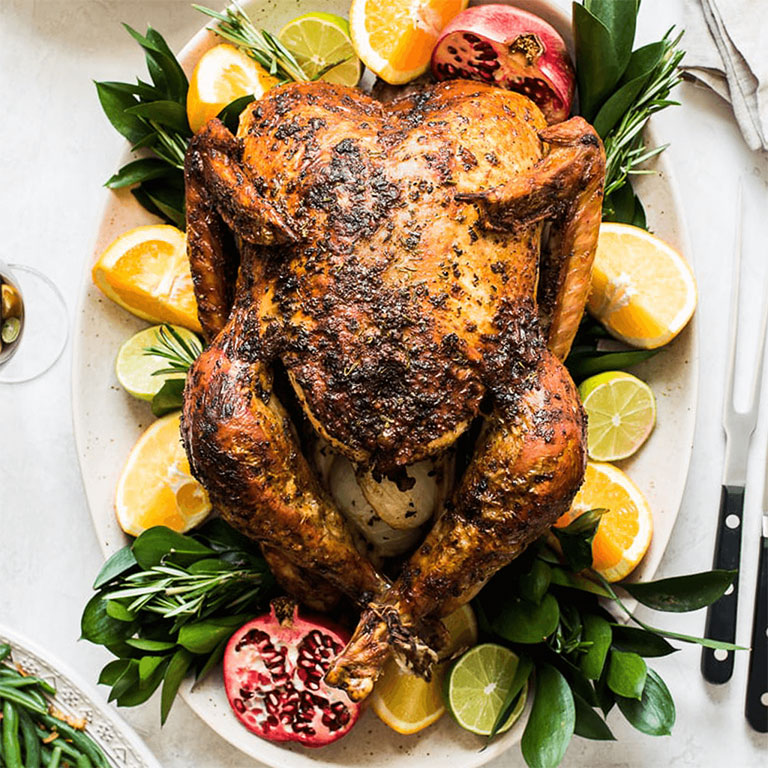
I’ve tried brining, fancy marinades, and stuffing the turkey with everything you can imagine. But nothing beats the simple combo of butter, herbs, and careful roasting. The meat stays juicy, the flavor is classic, and cleanup is easy.
A non-obvious thing: letting the turkey rest is just as important as roasting. Even if you’re running late, don’t skip this step.
Frequently Asked Questions
How Do I Thaw A Frozen Turkey Safely?
The safest way is in the fridge. Allow 24 hours for every 4–5 pounds. Place the turkey on a tray to catch any drips.
What If My Turkey Is Still A Bit Frozen On The Inside?
Don’t panic. Run cold water inside the cavity, then roast as usual. Add extra time and check the temp often.
Should I Wash The Turkey Before Roasting?
No. Washing spreads bacteria around your kitchen. Just pat it dry with paper towels.
Can I Stuff The Turkey?
It’s safer to cook stuffing separately. If you do stuff it, make sure the stuffing also reaches 165°F.
How Do I Store Leftovers?
Cool the meat quickly, then store in airtight containers in the fridge. Use within 3–4 days. For more food safety tips, check this USDA turkey resource.
Roasting a turkey doesn’t have to be stressful or complicated. With these steps, you can make a juicy, flavorful bird every time. Trust your thermometer, give yourself plenty of time, and enjoy the process. It gets easier—and more fun—each time you do it.
Happy roasting!