Baking pies has always felt like a little adventure to me. There’s something comforting about rolling out dough, filling the kitchen with warmth, and waiting for that golden, crisp crust. But I’ll be honest—blind baking pie crust used to be one of those steps I’d skip or rush, thinking it wasn’t essential. Oh, how wrong I was. Over time, I learned that blind baking is the secret to avoiding soggy bottoms and getting the perfect base for so many pies. If you’ve ever bitten into a pie with a mushy crust, you know how disappointing it can be. Let me walk you through everything I’ve learned, so you can master this technique and never worry about a soggy pie again.
What Is Blind Baking?
Blind baking simply means baking your pie crust before you add the filling. Sometimes, it’s partially baked. Other times, you bake it all the way. This step is especially important for pies with wet fillings, like custards or fruit. I didn’t realize at first just how much of a difference it makes until I compared pies side by side.
The blind-baked crust stayed crisp, even under juicy fillings, while the others turned limp.
When Should You Blind Bake?
Knowing when to blind bake is half the battle. Here’s when I always do it:
- Cream pies (like banana or chocolate)
- Custard pies (such as quiche)
- No-bake pies (lemon meringue, icebox pies)
- Juicy fruit pies (when the filling is extra wet)
If you’re not sure, just think: will the filling cook faster than the crust? If yes, blind bake.
What You Need For Blind Baking
Through trial and error, I found that having the right tools makes blind baking much easier:
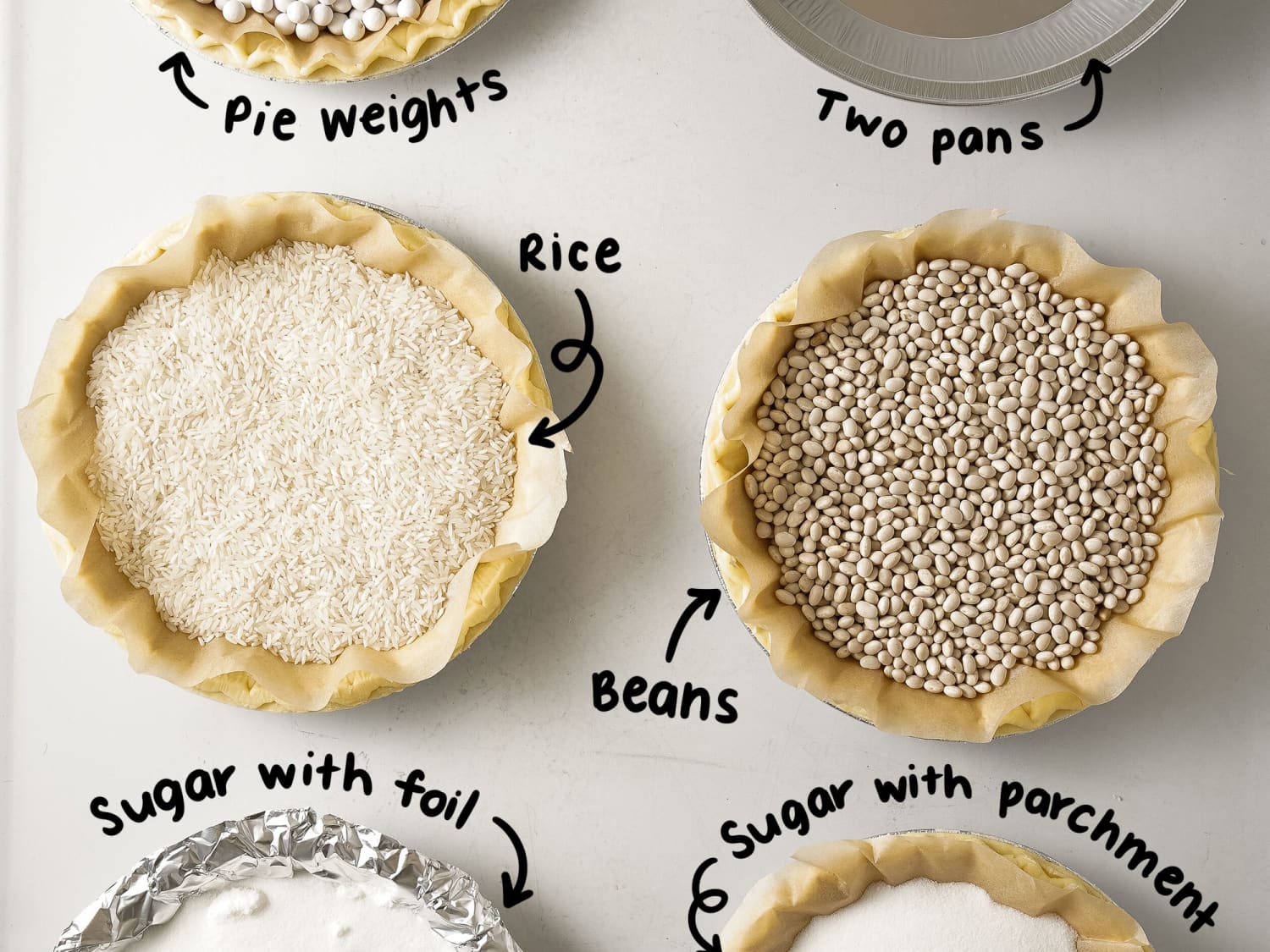
- Pie weights (ceramic, metal, or dried beans)
- Parchment paper or aluminum foil
- A fork for docking
- A pie pan (glass or metal works best for even browning)
- Rolling pin
You don’t need fancy equipment, but don’t skip the weights. I tried skipping them once, and my crust shrank so badly it looked like a mini tart!
Step-by-step: How To Blind Bake Pie Crust
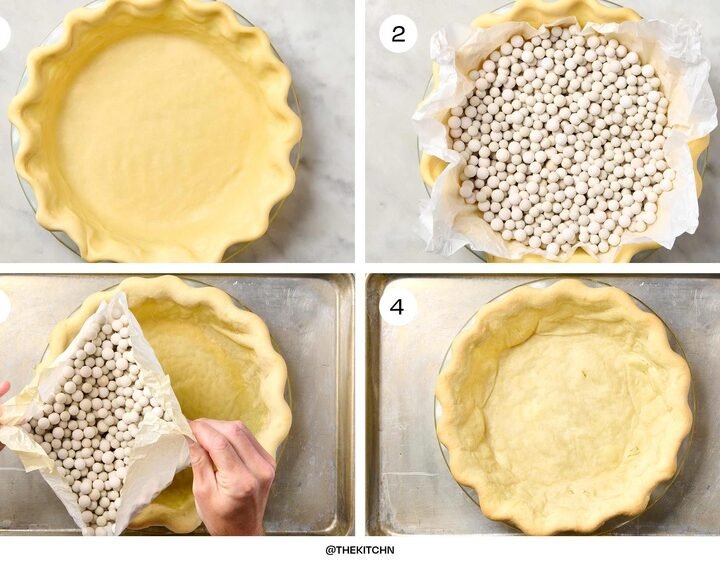
Here’s my easy, step-by-step method for blind baking a pie crust. I’ve broken it down based on what I actually do in my kitchen. This works for both store-bought and homemade dough.
1. Prepare The Dough
First, chill your dough. Cold dough is less likely to shrink. Roll it out and fit it into your pie pan. Leave a little overhang and trim, then fold the edge under and crimp as you like. Pop the whole pan in the fridge for at least 30 minutes.
This chill time helps hold the shape.
2. Dock The Crust
Using a fork, gently poke holes all over the bottom and sides of the dough. This is called “docking. ” It keeps bubbles from forming. I skipped this once and ended up with big air pockets under my crust.
3. Line And Weight
Tear off a piece of parchment paper or foil to cover the dough. Press it down so it fits snugly. Fill the lined crust with pie weights, dried beans, or even uncooked rice. Fill all the way to the edges—this helps the sides keep their shape.
4. Bake The Crust
Place the pan in a preheated oven—usually 375°F (190°C) works well. Bake for 15-18 minutes, until the edges are just starting to turn golden. Carefully lift out the parchment and weights (they’ll be hot—use oven mitts). Put the crust back in the oven.
5. Finish Baking
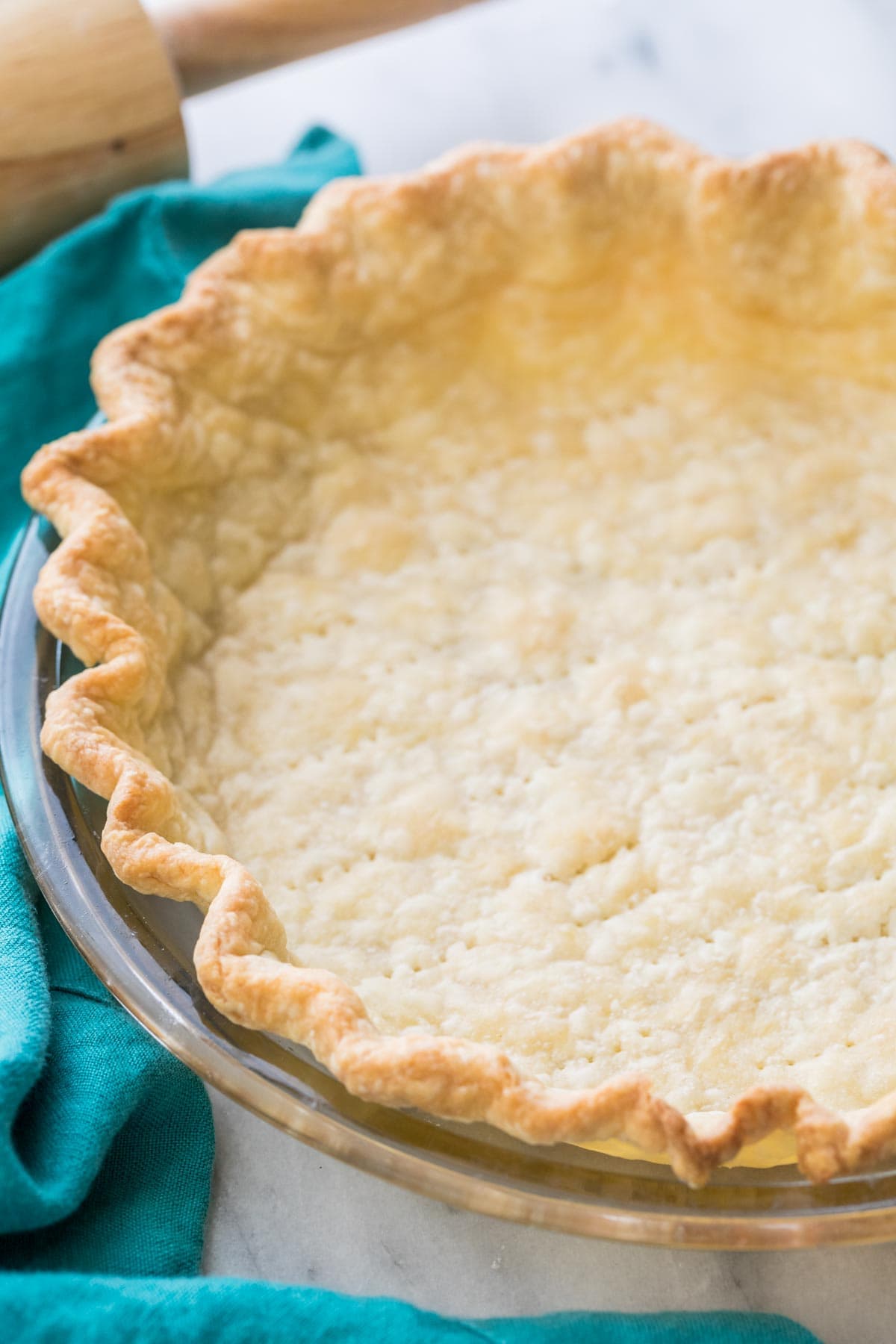
If you need a partially baked crust (for pies that bake again with filling), bake just until the bottom looks dry—about 5-7 more minutes. For a fully baked crust (for no-bake fillings), keep baking for another 12-15 minutes, until golden brown all over.
Here’s a quick comparison of times and temperatures I’ve used:
| Type of Pie | Oven Temp (°F) | Blind Bake Time | Remove Weights After |
|---|---|---|---|
| Partially Baked | 375 | 20-25 min | 15-18 min |
| Fully Baked | 375 | 30-35 min | 15-18 min |
6. Cool Before Filling
Always let the crust cool before filling it. If you add filling while it’s hot, it can become soggy. I usually set mine on a rack for at least 30 minutes.
My Honest Tips For Success
Blind baking isn’t hard, but a few things make a big difference. Here’s what I wish I’d known sooner:
- Chill the dough twice: Once after making, once after shaping. This stops shrinking.
- Don’t skimp on weights. Use enough so the sides don’t slide down.
- Watch the edges. They brown faster. If they darken too quickly, cover them with foil.
- Check for cracks. If you see any, brush with a little egg white and bake for 1-2 minutes. This seals the crust.
What Happens If You Don’t Blind Bake?
I tested this more than once. Skipping blind baking often leads to:
- Soggy crusts
- Uneven baking
- Shrinking dough
- Filling leaking under the crust
The difference is clear—blind baking means a crisp, sturdy crust that holds up, even after a night in the fridge.
Pie Weights: What Works Best?
I’ve tried different types over the years. Here’s how they compare:
| Type | Reusable? | Cost | Best For |
|---|---|---|---|
| Ceramic Weights | Yes | Medium | Frequent baking |
| Metal Weights | Yes | Higher | Professional results |
| Dried Beans | No (can reuse a few times) | Low | First-timers |
| Rice | No (after baking, not for cooking) | Low | Emergency backup |
Non-obvious tip: If you use beans or rice, save them in a jar labeled “pie weights.” After one or two uses, they’re too dry for cooking, but perfect for blind baking.
Common Mistakes And How To Avoid Them
I’ve made all the classic mistakes. Here are the big ones, and how I fixed them:
- Not chilling the dough: Leads to shrinking.
- Using too few weights: Sides collapse.
- Skipping docking: Crust bubbles up.
- Filling added too soon: Soggy bottom.
Avoid these, and you’re on your way to pie perfection.
Why Blind Baking Is Worth The Extra Step
It can feel like an extra chore, but blind baking saves your pie from disaster. There’s nothing sadder than spending hours on a pie, only to serve a mushy mess. Once I started blind baking, my pies were crisp, flaky, and delicious every time.
Friends and family noticed the difference right away.
If you want to see a professional explanation, I found the guide from King Arthur Baking Company very helpful.
Frequently Asked Questions
How Do I Keep My Pie Crust From Shrinking?
Chill your dough well before baking and use plenty of pie weights. Don’t stretch the dough into the pan—let it relax.
Can I Blind Bake A Store-bought Crust?
Yes, you can! Treat it the same as homemade. Just be gentle, as some store-bought crusts are more fragile.
Should I Use Parchment Or Foil For Lining?
Both work, but I prefer parchment. It’s less likely to stick and easier to remove.
What If I Don’t Have Pie Weights?
Use dried beans or rice. Just don’t cook them after—they’re best kept for blind baking.
How Do I Know When The Crust Is Done?
Look for a golden brown color and a dry, flaky texture. If the bottom is pale, bake a few minutes longer.
Blind baking changed the way I make pies. It’s a simple step, but it makes a huge difference. If you haven’t tried it yet, I promise you’ll taste the improvement. Give it a go, and your pies will have that bakery-style crispness every time.
Happy baking!