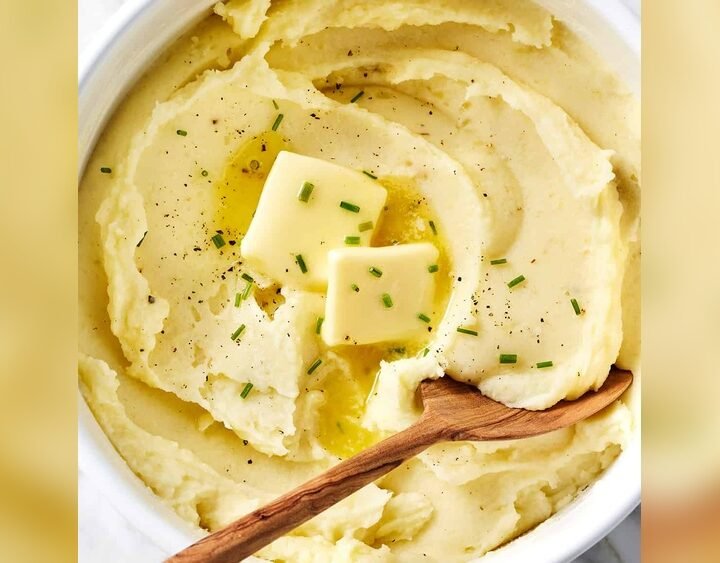
Mashed potatoes are one of those comfort foods that always bring back memories for me—family dinners, holidays, or even just a rainy evening craving something warm. Over the years, I’ve made mashed potatoes more times than I can count. Sometimes they turned out perfect, fluffy, and creamy.
Other times, they were a little too gluey or bland. I’ve learned a lot from those mistakes, and now I want to share exactly how to make the best mashed potatoes every single time.
Why Mashed Potatoes Matter
You might think mashed potatoes are simple, but there’s a real art to getting them right. People remember a great bowl of mashed potatoes. They’re a staple at big gatherings, and honestly, they can steal the show if done well. What surprised me is how much small choices—like the type of potato or the way you mash—can change everything.
Choosing The Right Potato
Let’s start with what matters most: the potatoes. Not all potatoes are equal for mashing. I’ve tried almost every kind, and here’s what I learned:
| Potato Type | Texture | Best For |
|---|---|---|
| Russet | Light, fluffy | Classic mashed potatoes |
| Yukon Gold | Creamy, rich | Extra creamy mash |
| Red potatoes | Dense, waxy | Chunky mash |
My personal favorite is a mix of Russet and Yukon Gold. Russets make the mash airy, while Yukon Golds add a buttery flavor and golden color.

Ingredients You’ll Need
For about 4 servings, here’s what I use:
- 2 pounds of potatoes (mix of Russet and Yukon Gold)
- 1/2 cup whole milk (warmed)
- 1/4 cup unsalted butter (plus more for topping)
- 1 teaspoon salt
- 1/4 teaspoon black pepper
- Optional: 1/4 cup sour cream or cream cheese for extra richness
Don’t skip the warm milk—cold milk cools everything down and makes the mash less fluffy.
Step-by-step: How I Make The Best Mashed Potatoes
I’ve fine-tuned this process over many dinners. Here’s how I do it:
1. Peel And Cut Evenly
Peel the potatoes and cut them into chunks about 1. 5 inches wide. If the pieces are uneven, some cook faster and get watery.
2. Start With Cold, Salted Water
I put the potatoes in a big pot and cover them with cold water. Add a teaspoon of salt right away. Starting cold helps them cook evenly.
3. Bring To A Boil, Simmer Gently
Bring the pot to a boil, then lower the heat to a gentle simmer. This takes about 15 minutes. I check for doneness by poking with a fork—the potatoes should be very tender but not falling apart.
4. Drain Well And Let Steam
After draining, I let the potatoes sit in the hot pot for a couple of minutes. This dries out any leftover water and gives a fluffier texture.
5. Mash While Hot
I mash them right away, while they’re still steaming. I use a potato masher for a classic texture. For ultra-smooth potatoes, a potato ricer works wonders, but I rarely bother unless it’s a special occasion. Avoid blenders or food processors—they make gluey potatoes.
6. Add Warm Milk And Butter
I heat the milk and butter together until the butter melts. Slowly pour it into the potatoes, mashing and stirring gently. This makes everything blend smoothly.
7. Season And Taste
I add salt, pepper, and sometimes a spoonful of sour cream for tang. I taste as I go—potatoes can soak up more salt than you think. If they need more butter, I don’t hold back. They’re comfort food, after all.
8. Serve Hot
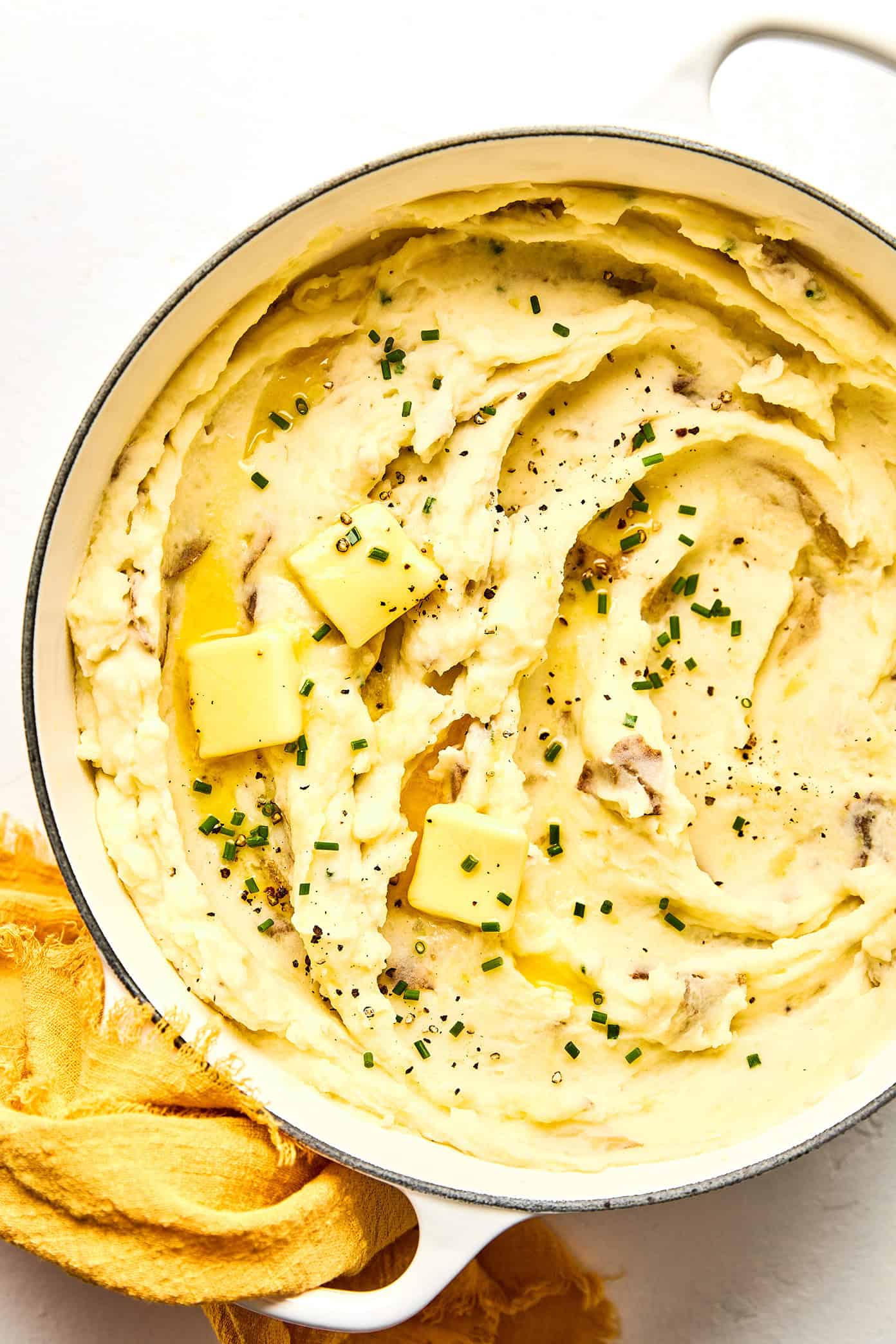
Mashed potatoes lose their magic if they sit too long. I serve right away, topping with a little extra melted butter and a sprinkle of chives if I have them.
Comparing Mashed Potato Methods
I’ve tried a lot of techniques over the years. Here’s how they compare:
| Method | Texture | Effort |
|---|---|---|
| Hand Mashing | Fluffy, some lumps | Low |
| Potato Ricer | Super smooth | Medium |
| Electric Mixer | Can be gluey | Medium |
Honestly, I stick with a hand masher unless I need restaurant-level smoothness.
Common Mistakes (and How To Avoid Them)
I’ve made every mashed potato mistake in the book. Here are a few to watch out for:
- Overmixing: This makes potatoes gluey. Mix just until combined.
- Adding cold milk or butter: This cools the mash and makes it heavy.
- Not seasoning enough: Potatoes soak up lots of salt. Taste often.
- Using the wrong potatoes: Waxy potatoes give a gluey texture.
- Letting them sit too long: Serve immediately for the best flavor and texture.
A non-obvious tip: Don’t be afraid to add a little more butter or cream if the potatoes seem dry. Texture is more important than sticking to exact measurements.
How To Store And Reheat
Leftover mashed potatoes aren’t the same, but they can still taste great if you handle them right.
- Store in an airtight container in the fridge (up to 3 days).
- To reheat, add a splash of milk or cream and warm gently on the stove, stirring often.
- Avoid microwaving in big batches—it can dry out the mash.
Another trick: If you have leftovers, use them for potato pancakes. Just mix with an egg and a little flour, then fry in a pan. They’re delicious!
Flavor Upgrades
Sometimes I like to change things up. Here are a few favorite add-ins:
- Roasted garlic for a sweet, mellow flavor
- Fresh herbs like chives or parsley
- Grated parmesan cheese for extra umami
- A spoonful of cream cheese for extra richness
Don’t go overboard, though. The best mashed potatoes are still about the potato flavor.
Nutritional Info (per Serving)
Here’s a quick look at the nutrition for a basic serving (with butter and milk):
| Calories | Fat | Carbs | Protein |
|---|---|---|---|
| 220 | 9g | 32g | 4g |
Potatoes are naturally gluten-free and full of potassium. Of course, adding a lot of butter or cream makes them richer.
Frequently Asked Questions
How Do I Make Mashed Potatoes Without Lumps?
For lump-free mash, use a potato ricer. If you like some texture, a hand masher is fine. Make sure to cook the potatoes until very soft.
Can I Make Mashed Potatoes Ahead Of Time?
Yes, but they taste best fresh. If making ahead, keep warm in a slow cooker on low with a little extra milk or butter stirred in before serving.
What’s The Best Way To Reheat Mashed Potatoes?
Reheat gently on the stove with a splash of milk or cream. Stir often. Avoid microwaving large amounts all at once.
Can I Use Non-dairy Milk?
Absolutely. I’ve used almond or oat milk before. The texture is a little different, but it works. Add olive oil instead of butter for a dairy-free version.
Are Mashed Potatoes Healthy?
Potatoes offer nutrients like potassium and vitamin C. The calories and fat depend on how much butter and cream you add. For a lighter version, use less butter and swap in plain yogurt.
If you want to dive deeper into mashed potato history and varieties, check out this excellent resource from the Wikipedia.
Making great mashed potatoes is all about the small things—the right potato, careful seasoning, and a little patience. With these tips, you’ll have a bowl that’s always creamy, fluffy, and full of flavor. Enjoy sharing them with friends and family—they never last long at my table.