It always felt wrong to throw away parmesan rinds. For years, I’d buy a wedge of Parmesan cheese, shave off the flavorful bits, and let the hard, leftover rind dry out in the fridge. I thought it was just waste. But then, after chatting with an Italian friend and a few experiments, I realized those rinds are like hidden gold in the kitchen.
If you’re like me and want to use every bit of your food, you’ll love discovering what to do with parmesan rinds. I’ll share what actually works, what to avoid, and a few surprises I learned along the way.
Why Parmesan Rinds Matter
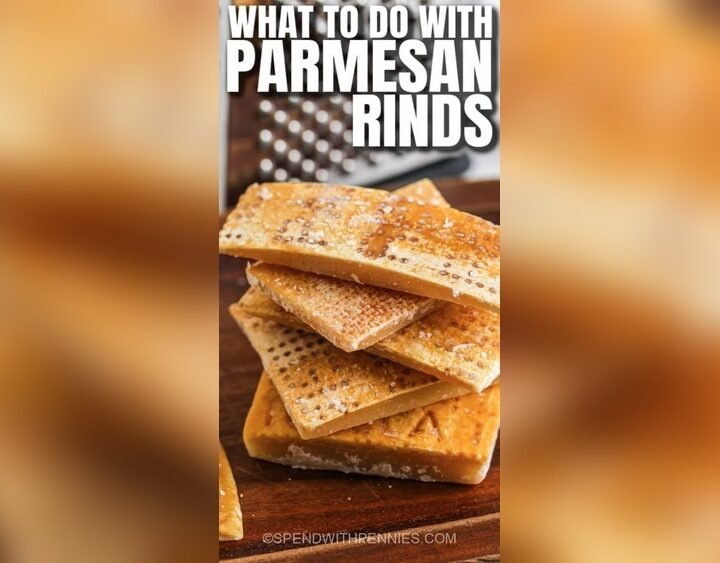
First, let’s get something clear—parmesan rinds are 100% edible. They’re just tougher and drier than the inside. That hard shell holds loads of umami flavor. When you use them right, they add a depth you can’t get from grated cheese alone.
I used to think only fancy chefs bothered with rinds. But honestly, I now toss them into many dishes, and they add something special.
Easy Ways To Use Parmesan Rinds
Here are the best ways I’ve used parmesan rinds in my own kitchen.
1. Flavorful Broths And Soups
Drop a parmesan rind into your next pot of soup or broth. It slowly melts, releasing rich, nutty, salty notes. I do this with minestrone, vegetable soup, or even chicken noodle.
- Just toss in a clean rind while the soup simmers.
- Remove it before serving (it gets rubbery but gives flavor).
- One rind works for 4–6 servings.
I once forgot to add a rind and my veggie soup tasted flat. With the rind, it’s deep and comforting.
2. Homemade Risotto
Risotto is all about creamy texture and layered taste. I started adding a small piece of rind as the rice cooks. It’s a game-changer.
- Add a chunk at the same time as your broth.
- The rind slowly infuses, making the risotto taste almost restaurant-quality.
- Fish it out before serving.
I find it works best with classic mushroom or asparagus risotto.
3. Pasta Sauce Booster
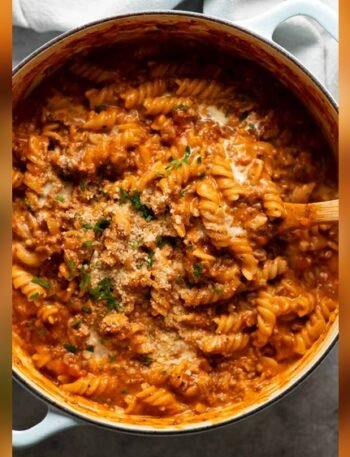
Sometimes, tomato sauce tastes too acidic or thin. I toss in a parmesan rind as the sauce simmers. It adds body and a savory kick.
- Works for red sauce, white sauce, or even bolognese.
- One rind per batch is enough.
- Remove before serving.
I noticed friends ask why my sauce tastes “different”—it’s the rind.
4. Stews And Beans
Beans and stews often taste even better when simmered with a parmesan rind. I do this with white bean soup and lentil stew.
- The rind thickens the broth and adds salty, cheesy notes.
- Especially good for vegetarian dishes that need more umami.
5. Infused Olive Oil
This one surprised me. I learned you can store a clean rind in a bottle of olive oil for a few days. The oil picks up a gentle parmesan scent.
- Use for drizzling on bread or salads.
- Don’t keep it more than a week (for safety).
6. Parmesan Stock
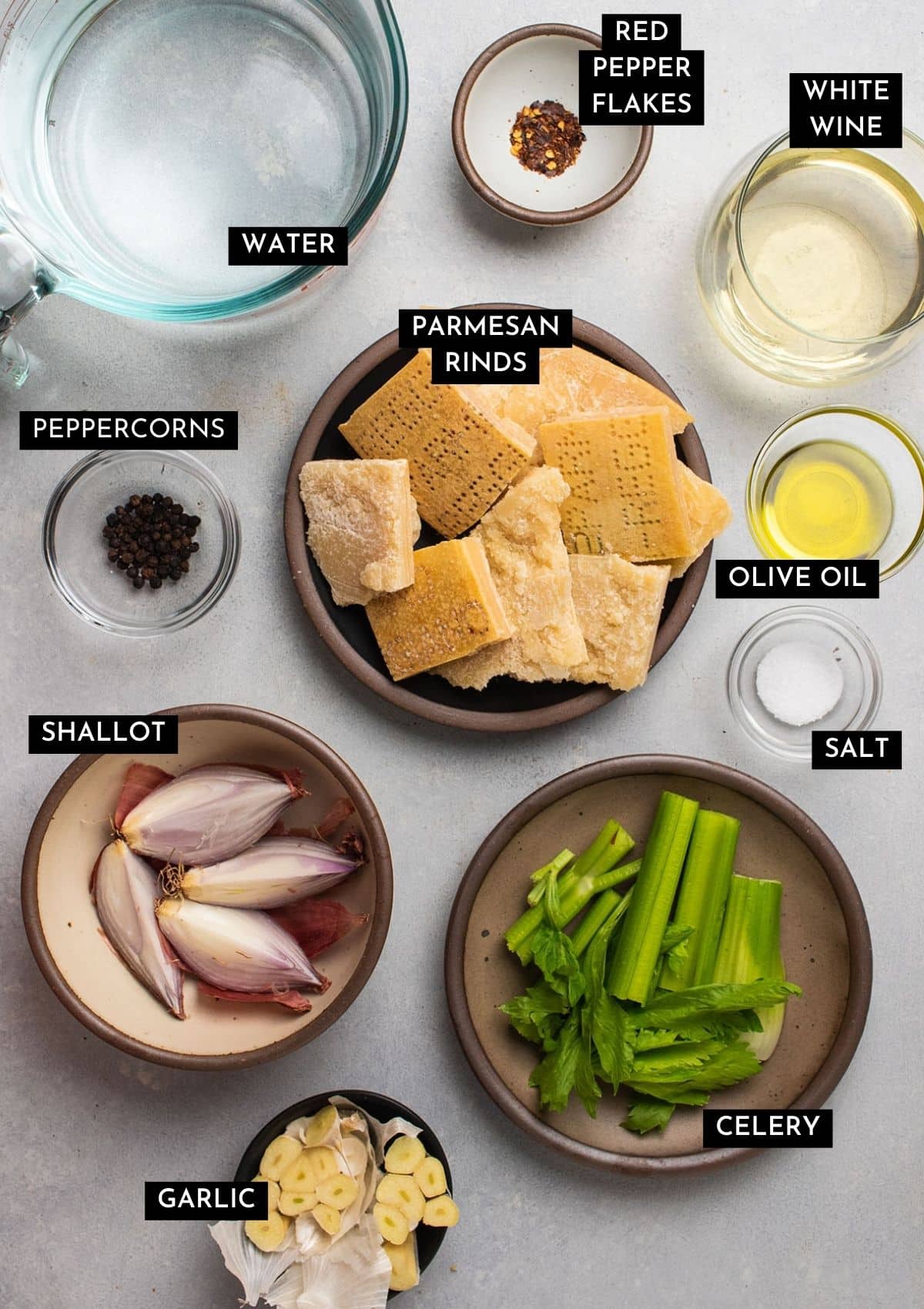
You can make a simple parmesan stock with just rinds, water, and a few aromatics. This works as a base for soups or to cook grains like farro or barley.
Basic parmesan stock:
- 3–4 parmesan rinds
- 6 cups water
- 1 onion, halved
- 2 garlic cloves
- Simmer all for 1 hour, strain, and use as broth.
It’s a secret weapon for flavor.
7. Cheesy Garlic Bread
I once grated the softer part of the rind (from the inside) and mixed it into garlic butter for bread. It melts just enough and adds an extra punch.
:max_bytes(150000):strip_icc()/Parmesan-Rinds-Are-a-Cooks-Secret-Ingredient-FT-BLOG0123-4fcdf6f2e513487dbd51cd0d1a39b5ac.jpg)
Credit: www.foodandwine.com
How Parmesan Rinds Compare To Other Cheese Rinds
Not all cheese rinds are created equal. Some are waxed or inedible. Parmesan rinds are safe to use if they are real Parmigiano Reggiano or Grana Padano and have no wax.
Here’s a quick comparison I made:
| Cheese Rind | Edible? | Best Use |
|---|---|---|
| Parmesan (Parmigiano Reggiano) | Yes | Soups, stews, sauces |
| Pecorino Romano | Yes | Similar to parmesan |
| Gouda (waxed) | No | Discard wax |
| Brie/Camembert | Yes | Eat with cheese |
| Cheddar (cloth-bound) | No | Remove cloth |
What Not To Do With Parmesan Rinds
I’ve learned a few things the hard way. Here are common mistakes to avoid:
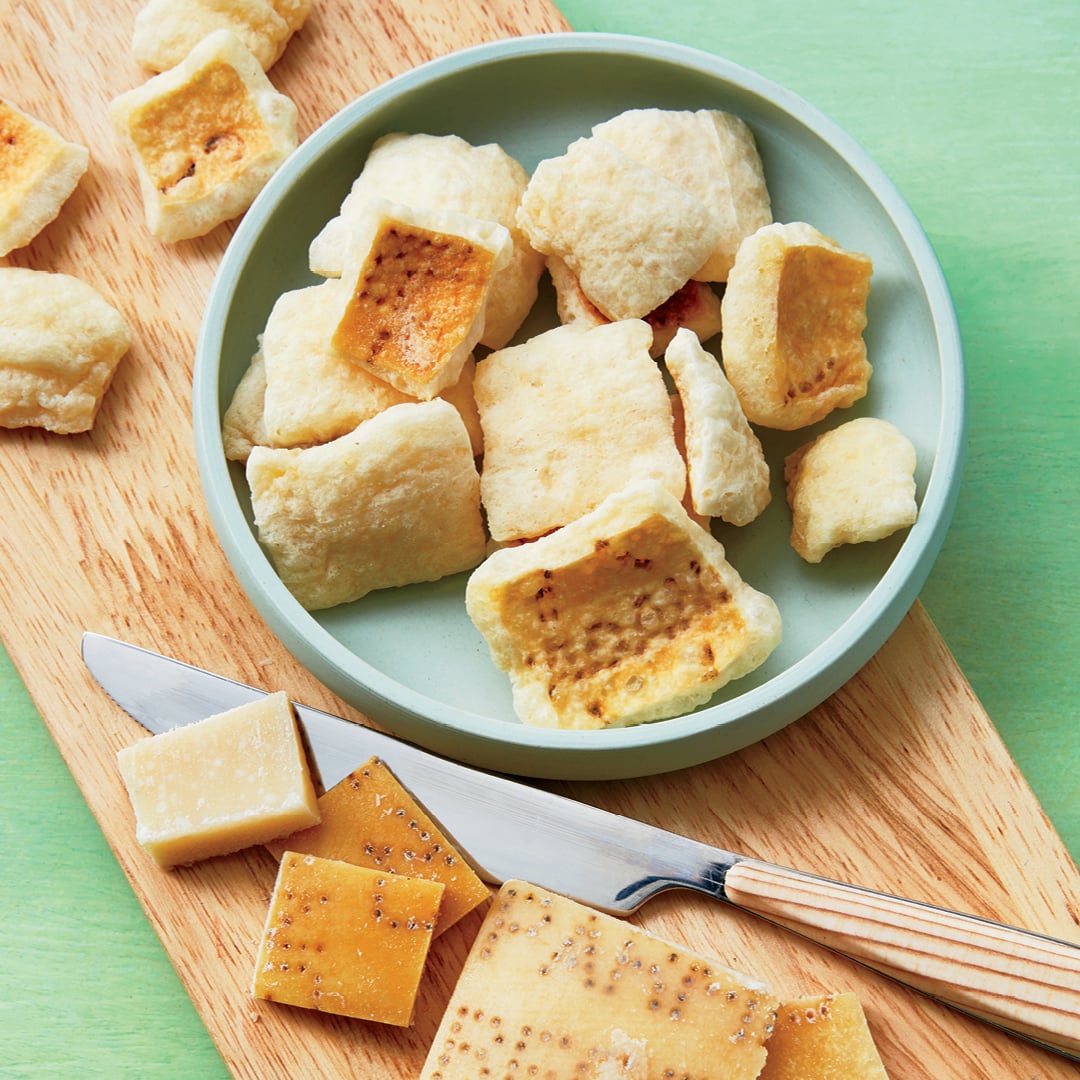
- Don’t try to eat them raw. They’re too hard and chewy.
- Avoid rinds with wax or plastic. Only use natural, clean rinds.
- Don’t leave the rind in when serving. It gets rubbery and isn’t pleasant to chew.
- Don’t use moldy rinds. If you see green or pink, toss it.
Credit: www.lifeasastrawberry.com
How To Store And Prepare Parmesan Rinds
If you go through parmesan slowly, you might end up with several rinds. Here’s what I do:
- Freeze them. Rinds freeze well for up to a year. I keep a zip bag labeled “parmesan rinds” in my freezer.
- Clean before using. If the rind has cheese stuck to it, scrape it off.
- Cut into smaller pieces. Easier to use as needed.
This habit saves money and adds flavor to meals I’d otherwise forget.
Unexpected Ways To Use Parmesan Rinds
Beyond soups and sauces, I found some creative uses:
- Savory oatmeal: Simmer oats with a small rind for breakfast.
- Homemade ramen: Drop a rind in the broth for extra umami.
- Pizza crust dip: Simmer rinds in tomato sauce, then use the sauce for dipping.
These little tweaks keep my kitchen routine exciting.
The Science Behind The Flavor
Parmesan rinds have high levels of glutamates, which create umami. It’s why even a small piece can transform bland food. I read that rinds are packed with amino acids and minerals, so using them isn’t just tasty—it’s smart and resourceful.
Here’s a look at how a parmesan rind changes a dish’s flavor:
| Dish | With Rind | Without Rind |
|---|---|---|
| Vegetable Soup | Rich, savory, full-bodied | Lighter, sometimes bland |
| Tomato Sauce | Balanced, less acidic | Sharper, more acidic |
| Risotto | Creamy, deep flavor | Good, but less complex |
Are Parmesan Rinds Worth Using?
Absolutely. They’re a free flavor booster. You get more value for your money and waste less. Sometimes I save up a few and use them in big batches of soup for friends. People always ask why it tastes so good.
A couple of times, I used rinds that had dried out for months—they still worked perfectly. The only time I regretted using one was when it was too salty. So, if your cheese is already salty, taste before adding more salt.
If you want official details on parmesan and rinds, check out the Parmigiano Reggiano Wikipedia page.
Credit: chatelaine.com
Frequently Asked Questions
Can You Eat Parmesan Rinds Directly?
No, they’re too tough to chew. Use them for flavor in cooking, then remove before serving.
How Long Can You Keep Parmesan Rinds?
They last in the freezer for up to a year. In the fridge, use within a few weeks.
Are Parmesan Rinds Safe For Vegetarians?
Some parmesan cheeses use animal rennet. Check the label if you’re strict about vegetarian eating.
Can I Use Parmesan Rinds In Slow Cooker Recipes?
Yes, they’re great for slow-cooked soups and stews. Just remember to take them out before serving.
Is There A Difference Between Parmigiano Reggiano And Grana Padano Rinds?
Both work the same way for cooking. Parmigiano Reggiano usually has a stronger, nuttier flavor.
—
If you’ve been tossing parmesan rinds, try saving them. They’ve changed the way I cook, and I bet you’ll notice the difference, too. It’s a small step to better meals, less waste, and a bit of kitchen magic you can share with friends and family.