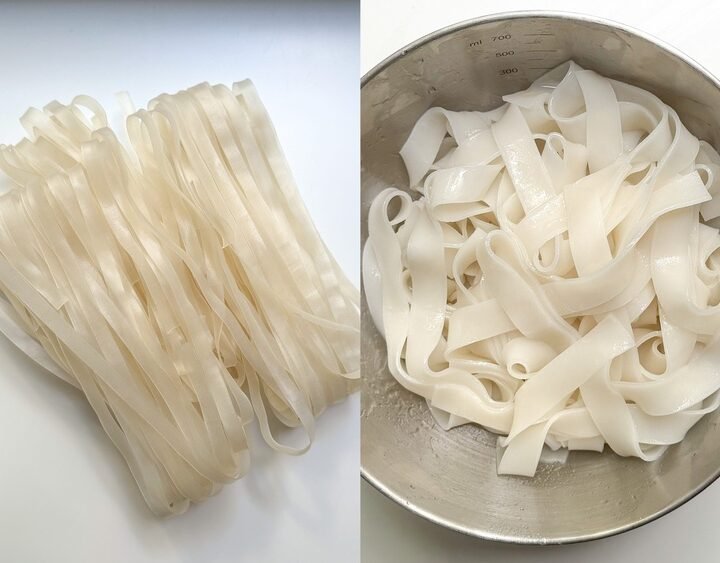
Picking the right vermicelli noodles can feel confusing. When I first started cooking with them, I stared at so many options in the store—thin, thick, rice, mung bean, wheat. I just wanted something that worked for my favorite stir-fry. Over time, I learned that not all vermicelli noodles are the same.
Choosing the right one really makes a difference in your cooking.
If you’ve ever felt lost in the noodle aisle, you’re not alone. I’ll share what I’ve learned from years of experimenting with vermicelli noodles in different dishes. My hope is that you’ll find it easier to pick the perfect noodles for your next meal.
Understanding Vermicelli Noodles
Vermicelli noodles are long, thin strands. They’re used in many Asian dishes—like pho, spring rolls, and stir-fries. The word “vermicelli” can mean different things in different countries. In Italy, it refers to a type of pasta, but in Asian cooking, it usually means thin rice noodles or bean thread noodles.
In my experience, the first step is knowing which type of vermicelli you need. Here are the most common kinds:
| Type | Main Ingredient | Texture | Best For |
|---|---|---|---|
| Rice Vermicelli | Rice flour | Soft, chewy | Stir-fries, salads, soups |
| Bean Thread (Glass Noodles) | Mung bean starch | Springy, clear | Hot pots, spring rolls, desserts |
| Wheat Vermicelli | Wheat flour | More dense | Some Italian and Indian dishes |
I usually reach for rice vermicelli for Vietnamese pho or Thai salads. For hot pot or Chinese-style stir-fries, I pick bean thread noodles. It’s easy to grab the wrong one if you don’t check the label, especially since the packaging often looks similar.
Key Things To Consider
When I started buying vermicelli noodles, I made lots of mistakes. Sometimes the noodles would break apart or turn mushy. Here’s what I pay attention to now:
- Ingredients List
- Simple is best. I look for noodles with just rice flour and water, or mung bean starch and water. Extra ingredients can affect taste and texture.
- Thickness
- Some dishes need thin noodles, others need thicker ones. Thin noodles cook faster but can turn to mush if overcooked. I check the package for the noodle width.
- Cooking Time
- Rice vermicelli usually cooks in 3-5 minutes. Bean thread noodles soften after soaking in hot water for about 5 minutes. I always read the instructions—different brands vary.
- Origin
- I prefer brands from Thailand, Vietnam, or China for rice vermicelli. For bean thread, I like products from China or Taiwan. They taste more authentic in recipes.
- Packaging
- Clear, unbroken noodles are a good sign. If the noodles look dusty or broken, I skip them.
Here’s a quick look at how cooking times compare:
| Type | Cooking Method | Time Needed |
|---|---|---|
| Rice Vermicelli | Boil or soak | 3-5 minutes |
| Bean Thread | Soak in hot water | 5-7 minutes |
| Wheat Vermicelli | Boil | 5-8 minutes |

Choosing For Your Recipe
One weekend, I tried making a Thai noodle salad. I grabbed bean thread noodles instead of rice vermicelli by mistake. The texture was all wrong. That’s when I realized the importance of matching the noodle to the dish.
Here are some popular dishes and the best noodle types:
- Pho or Bun Cha: Rice vermicelli
- Spring Rolls: Bean thread or thin rice vermicelli
- Hot Pot: Bean thread
- Pad Thai: Slightly wider rice noodles (not true vermicelli, but close)
- Salads: Thin rice vermicelli
If you’re unsure, think about the texture you want. Rice vermicelli is soft and a bit chewy. Bean thread noodles are slippery and springy. Wheat vermicelli is firmer, better for pasta-style dishes.
Common Mistakes To Avoid
I’ve learned the hard way that small mistakes with vermicelli noodles can ruin a dish. Here are two that tripped me up:
- Overcooking: These noodles cook fast. If you boil them too long, they break down. I always set a timer and rinse with cold water after cooking.
- Wrong Type: It’s easy to mix up rice vermicelli and bean thread noodles. Reading the package carefully saves a lot of frustration.
Another tip: For stir-fries, slightly undercook the noodles. They’ll finish cooking in the pan with the sauce.

How To Store Vermicelli Noodles
I usually buy noodles in bulk, especially when they’re on sale. Here’s what works for me:
- Uncooked: Keep them in a cool, dry place. I use airtight containers to keep out moisture.
- Cooked: Store in the fridge for up to 2 days. They tend to stick together, so I toss them with a little oil before chilling.
Don’t freeze cooked vermicelli. The texture changes and gets mushy.
Quick Tips For Buying The Best Vermicelli
When shopping, I use this mental checklist:
- Check the package for clear, unbroken strands.
- Pick the right type for your recipe.
- Look for short ingredient lists.
- Avoid brands with lots of additives.
- If possible, try a few brands to find your favorite.
Once, I bought a cheap, no-name brand. The noodles fell apart in hot water. Now, I spend a little more for trusted brands. It saves me time and headaches.
Here’s a side-by-side comparison of what to look for:
| Good Choice | Not So Good |
|---|---|
| Clear packaging, whole strands | Broken, dusty noodles |
| Simple ingredients | Many additives |
| Origin matches cuisine | Generic brands |

Why The Right Vermicelli Matters
It might seem like a small thing, but the right vermicelli noodles can make or break a meal. When I use good noodles, my pho has the perfect chew, and my spring rolls don’t fall apart. There’s a big difference in texture, flavor, and even how the sauce sticks to the noodles.
If you’re new to cooking with vermicelli, don’t be afraid to experiment. Try different brands and types. You’ll quickly notice the difference. And remember—most mistakes can be fixed with a little practice.
For more about the types of noodles, I found the info on Wikipedia helpful when I was starting out.
Frequently Asked Questions
What’s The Main Difference Between Rice Vermicelli And Bean Thread Noodles?
Rice vermicelli is made from rice flour and is usually white and opaque when cooked. Bean thread noodles are made from mung bean starch and become clear and slippery when cooked. They have different textures and work best in different dishes.
Can I Use Rice Vermicelli Instead Of Bean Thread Noodles?
Sometimes, but not always. Rice vermicelli is chewier, while bean thread noodles are more slippery. If texture matters in your dish (like for spring rolls or hot pot), use the right type.
How Do I Stop Vermicelli Noodles From Sticking Together?
After cooking, rinse the noodles with cold water and toss with a little oil. This keeps them separate and stops them from clumping.
Are Vermicelli Noodles Gluten-free?
Rice vermicelli and bean thread noodles are usually gluten-free. But wheat vermicelli is not. Always check the label for hidden gluten or cross-contamination.
How Do I Know When Vermicelli Noodles Are Cooked?
They should be soft but still a little firm when you bite them. I taste them after the minimum cooking time. If they’re done, I drain and rinse them right away to stop the cooking process.
If you follow these tips, picking the right vermicelli noodles will get easier every time. Soon, you’ll know exactly which noodles to grab for each meal—and your dishes will taste better, too.