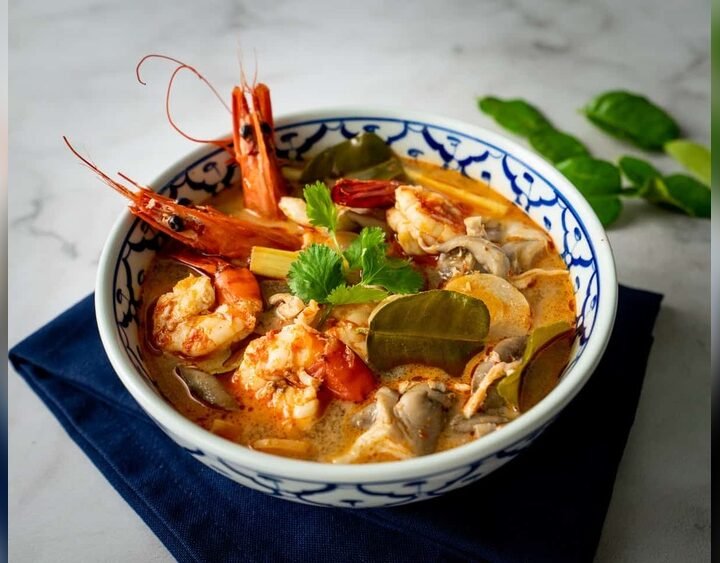
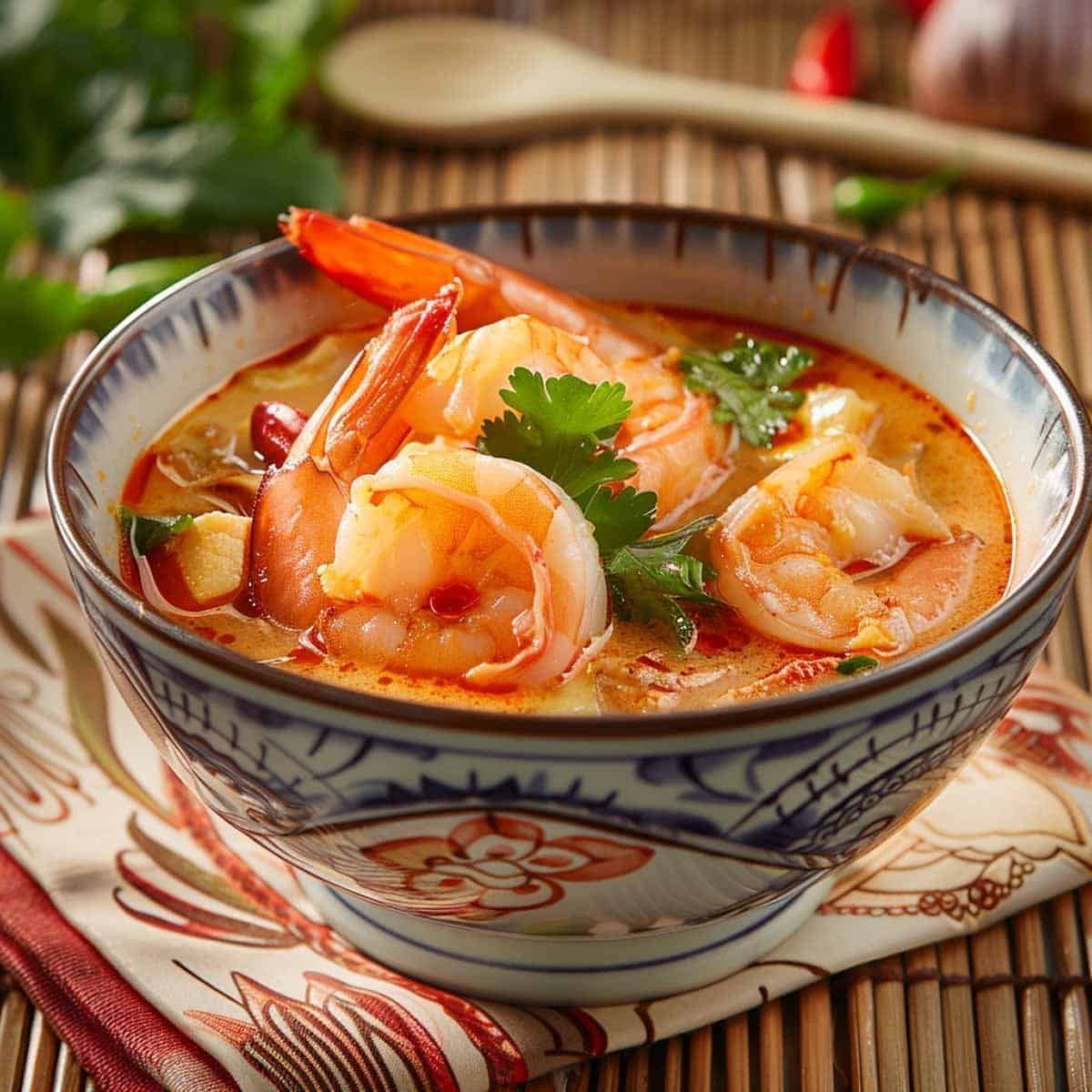
There’s something magical about a hot, fragrant bowl of Tom Yum Goong. The first time I tasted this spicy Thai shrimp soup, I was hooked. The flavors—sour, spicy, sweet, and salty—all hit at once. It’s not just food; it’s an experience. If you’ve ever wondered how to make Tom Yum Goong at home, you’re in the right place. I’ve cooked this soup many times, made mistakes, and picked up tricks along the way. I’ll share everything, from picking the right ingredients to making sure your soup tastes authentic, just like it does in Thailand.
What Makes Tom Yum Goong Special?
Tom Yum Goong is more than just soup. It’s a balance of four main flavors: spicy, sour, salty, and sweet. The shrimp gives it a rich taste, while herbs like lemongrass and kaffir lime leaves make it bright and fresh.
What surprised me was how simple the ingredients are, yet how complex the soup tastes. You don’t need fancy tools or hard-to-find spices. But attention to detail is everything. Many home cooks—myself included, at first—mess up by skipping certain herbs or using the wrong broth.
That’s why I’ll walk you through each step.
Essential Ingredients For Authentic Tom Yum Goong
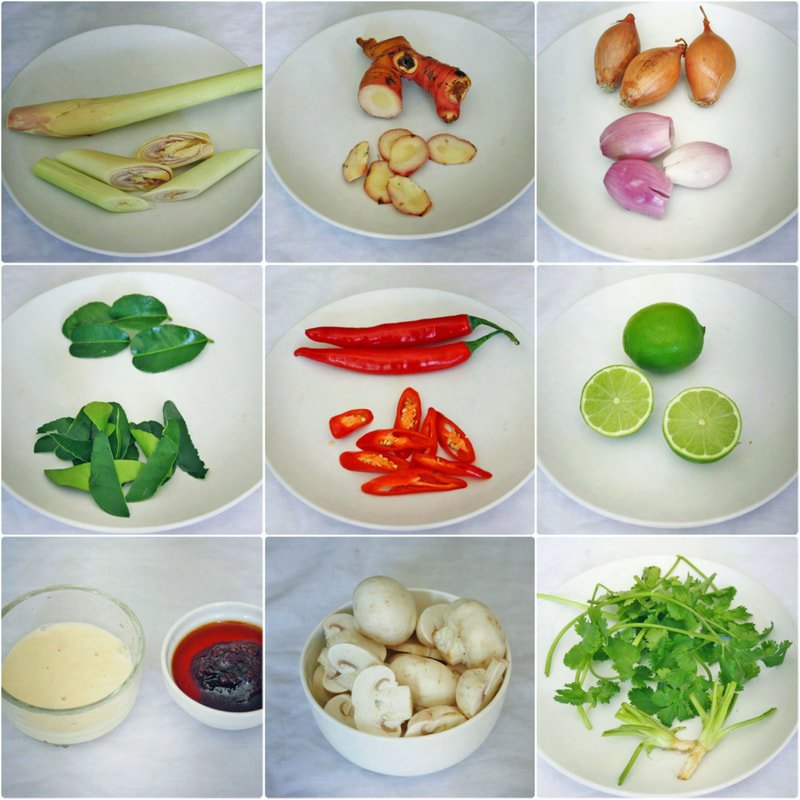
Getting the right ingredients is key. I learned early on that swapping or skipping some herbs changes the taste completely. Here’s what you need for a classic version that serves 2-3 people:
- Shrimp (about 8-10 large, peeled but with tails on for flavor)
- Chicken stock or water (4 cups)
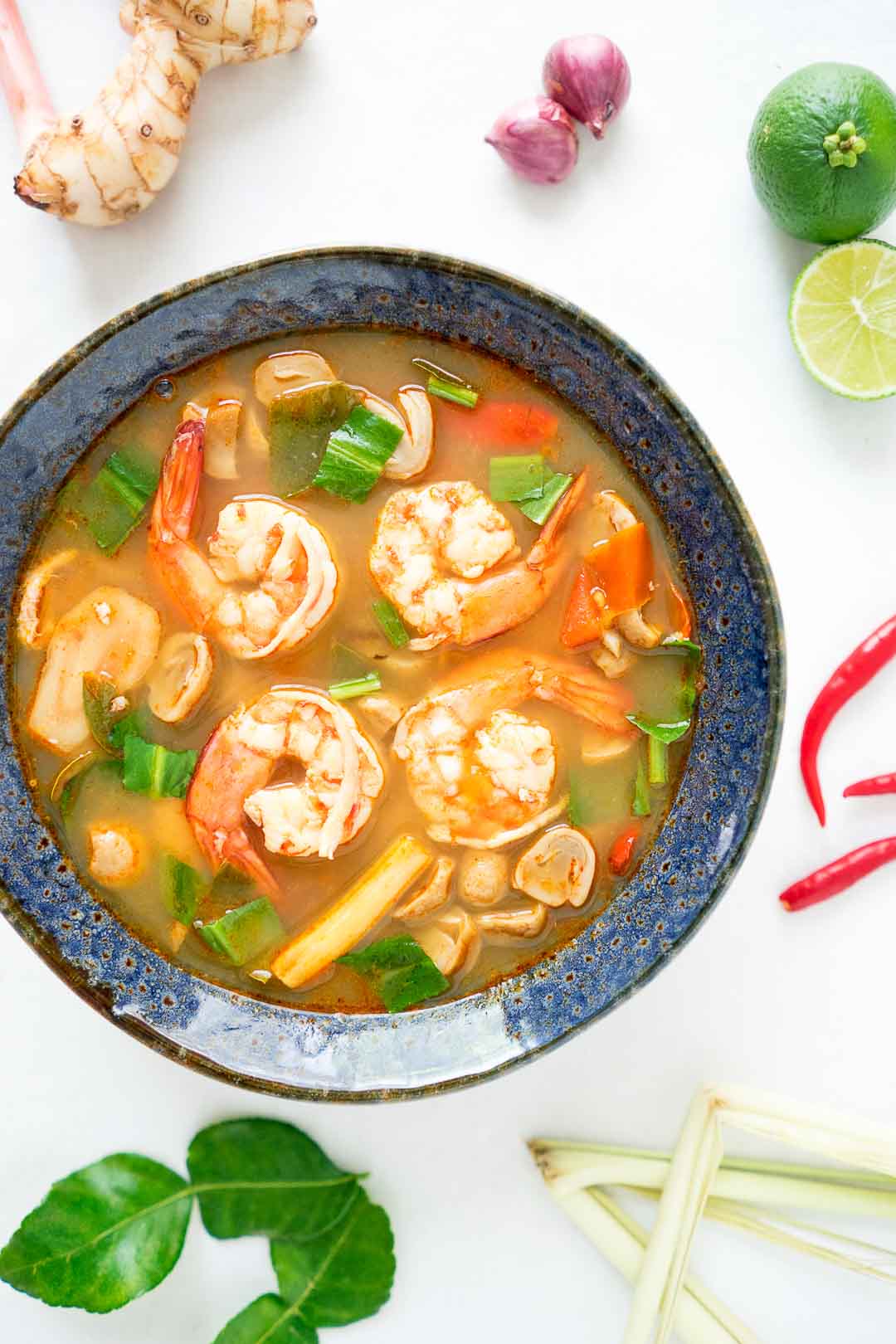
- Lemongrass (2 stalks, bruised and cut into 2-inch pieces)
- Kaffir lime leaves (5-6, torn in half)
- Galangal (4-5 thin slices)
- Thai bird’s eye chilies (3-5, smashed)
- Straw mushrooms or white mushrooms (1 cup, halved)
- Tomatoes (1 medium, cut into wedges)
- Fish sauce (3 tablespoons)
- Lime juice (3-4 tablespoons, fresh is best)
- Sugar (1 teaspoon)
- Cilantro (a small handful, chopped)
- Thai chili paste (Nam Prik Pao) (1 tablespoon, optional but recommended)
Tip: If you can’t find galangal or kaffir lime leaves, look for them in Asian grocery stores. Substitutes don’t give the same aroma.
Ingredient Comparison: Fresh Vs. Substitutes
Here’s how the real ingredients stack up against common substitutes I’ve tried:
| Ingredient | Authentic | Substitute | Impact on Flavor |
|---|---|---|---|
| Lemongrass | Fresh stalks | Lemon zest | Milder, less citrusy |
| Galangal | Fresh slices | Ginger | Spicier, lacks earthy notes |
| Kaffir lime leaves | Fresh or frozen | Lime zest | Similar aroma, but not exact |
| Bird’s eye chilies | Fresh | Jalapeño or serrano | Less heat, different flavor |
Honest insight: I once tried making Tom Yum without kaffir lime leaves. The soup tasted flat, even with extra lime juice. For the real deal, hunt down the original herbs—it’s worth it.
Step-by-step Tom Yum Goong Recipe
I used to think this soup would take hours, but you can finish in about 30 minutes. Here’s my go-to method, with tips to avoid common mistakes.
1. Prepare The Herbs And Shrimp
- Wash and cut the lemongrass, galangal, and kaffir lime leaves.
- Peel the shrimp, leaving the tails on. Save the shells for extra flavor (optional).
2. Make The Broth
- In a medium pot, add chicken stock or water. Bring to a gentle boil.
- Toss in the lemongrass, galangal, kaffir lime leaves, and chili peppers.
- Simmer for about 5 minutes. The kitchen will smell amazing.
Pro tip: If you want a deeper shrimp flavor, add the shrimp shells to the broth and simmer for 10 minutes, then remove before adding other ingredients.
3. Add Vegetables And Shrimp
- Add mushrooms and tomatoes. Cook for 2–3 minutes.
- Drop in the shrimp and cook until they turn pink—about 2 minutes.
4. Season The Soup
- Add fish sauce, sugar, and Thai chili paste (if using).
- Turn off the heat before adding lime juice (this keeps the soup fresh and tangy).
5. Final Touches
- Taste and adjust. Want it saltier? Add a dash more fish sauce. Too sour? Balance with a bit more sugar.
- Sprinkle chopped cilantro on top.
6. Serve Right Away
Tom Yum Goong is best enjoyed hot. I like to serve it with steamed jasmine rice, which helps balance the heat.
Cooking Time And Serving Size
- Prep time: 10 minutes
- Cook time: 20 minutes
- Total time: About 30 minutes
- Serves: 2–3 people
If you’re cooking for more, just double the ingredients. The soup still cooks quickly.
Why Shrimp Tails Matter
Leaving the tails on the shrimp might seem odd, but they add flavor to the broth. Plus, they look beautiful when served. If you’re worried about eating around the tails, just let your guests know—they’re easy to remove.
Making Tom Yum Goong Less (or More) Spicy
I’ve made this soup for friends who love heat and others who don’t. Adjusting the spice level is easy:
- Use fewer chilies for a milder soup.
- For more heat, smash the chilies and add chili paste.
- Removing the seeds reduces heat, too.
Non-obvious tip: If you add the chili paste at the start, the soup will be spicier. Stir it in at the end for a milder, more fragrant soup.
Tom Yum Goong: Clear Vs. Creamy
You might notice two styles of Tom Yum: clear and creamy. The creamy version uses evaporated milk or coconut milk. Both are authentic, but the clear version is classic.
| Type | Main Difference | Flavor Profile | Calories per Serving |
|---|---|---|---|
| Clear Tom Yum | No added milk | Sharp, clean, spicy | About 150 |
| Creamy Tom Yum | With evaporated/coconut milk | Richer, slightly sweet | About 220 |
I prefer the clear version for weeknight dinners. If you want something more filling, the creamy style is worth trying.
Common Mistakes And How To Avoid Them
Making Tom Yum Goong is simple, but I’ve seen and made a few mistakes:
- Boiling the herbs too long. This makes the broth bitter. Simmer them just until fragrant.
- Adding lime juice while boiling. Heat destroys the fresh sour taste. Always add lime juice after turning off the heat.
- Overcooking the shrimp. Shrimp cooks fast—just a couple of minutes. Overcooked shrimp gets rubbery.
- Using dried herbs. Dried galangal or lemongrass doesn’t have the same impact. Fresh is best, even if it means an extra trip to the store.
Insider tip: If you can’t find Thai chili paste, you can skip it. But a spoonful gives the soup its signature reddish color and a layer of smoky, sweet heat.
Serving Ideas And Pairings
Tom Yum Goong is bold. I like to serve it as a starter or main dish. Here are some ways to round out your meal:
- Steamed jasmine rice: Soaks up the soup and balances spice.
- Thai omelet (Kai Jeow): Quick, fluffy, and mild.
- Stir-fried vegetables: Light and fresh, they complement the soup.
- Thai iced tea: Sweet and cooling, perfect after spicy soup.
Nutritional Benefits
Shrimp is high in protein and low in fat. The soup itself is light but filling, thanks to the herbs and mushrooms. Here’s a quick look at the nutrition per bowl (clear version):
| Nutrient | Per Serving |
|---|---|
| Calories | 150 |
| Protein | 18g |
| Fat | 4g |
| Carbohydrates | 9g |
| Sodium | 1100mg |
Real-world tip: The sodium is high due to fish sauce, so use low-sodium chicken broth if you’re watching salt intake.
My Experience: The First Time I Got It Right
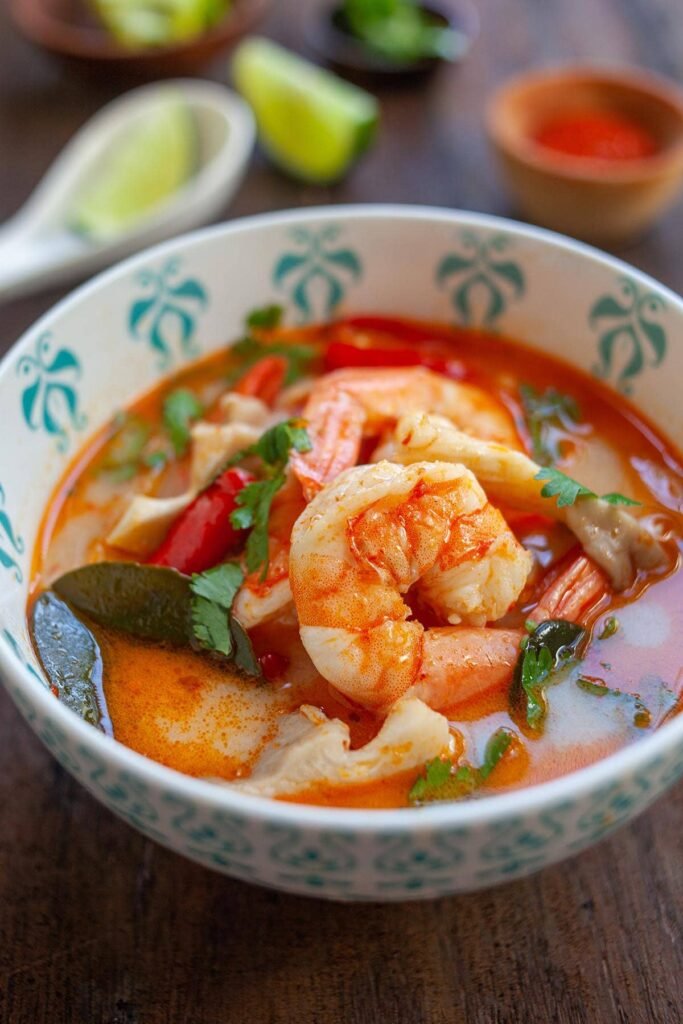
The first few times I made Tom Yum Goong, it never tasted quite like the restaurants. I realized I was skipping kaffir lime leaves, thinking lime juice was enough. When I finally used all the herbs, the soup came alive.
The aroma was bright, the flavor balanced, and I knew I had finally cracked it. My family noticed the difference, too—no leftovers that night!
Where To Find Authentic Ingredients
If you have an Asian market nearby, that’s your best bet. I’ve also had luck at some large supermarkets, especially in the produce section. Kaffir lime leaves and galangal often come frozen, which works fine. If you’re curious about Thai ingredients and their uses, you can learn more from this detailed Wikipedia article on Tom Yum.
Frequently Asked Questions
What Does “tom Yum Goong” Mean?
“Tom Yum” is Thai for sour and spicy soup. “Goong” means shrimp. So Tom Yum Goong is simply spicy sour shrimp soup.
Can I Use Other Seafood Instead Of Shrimp?
Yes, you can swap in squid, fish, or mixed seafood. Cooking times may vary—fish, for example, needs just a few minutes.
Is Tom Yum Goong Gluten-free?
Most ingredients are naturally gluten-free. Check your fish sauce and chili paste labels, as some brands add wheat.
How Do I Store Leftovers?
Let the soup cool, then store in an airtight container in the fridge for up to 2 days. Reheat gently on the stove—don’t let it boil, or the shrimp can get tough.
Can I Freeze Tom Yum Goong?
It’s best fresh, but you can freeze the broth without the shrimp. Add fresh-cooked shrimp when reheating for better texture.
Making Tom Yum Goong at home is a little adventure. Once you taste that perfect balance of flavors, you’ll want to make it again and again. It’s not just about following a recipe—it’s about learning what makes this soup so special.
With these tips, you’ll be able to bring a taste of Thailand to your kitchen, any night of the week.