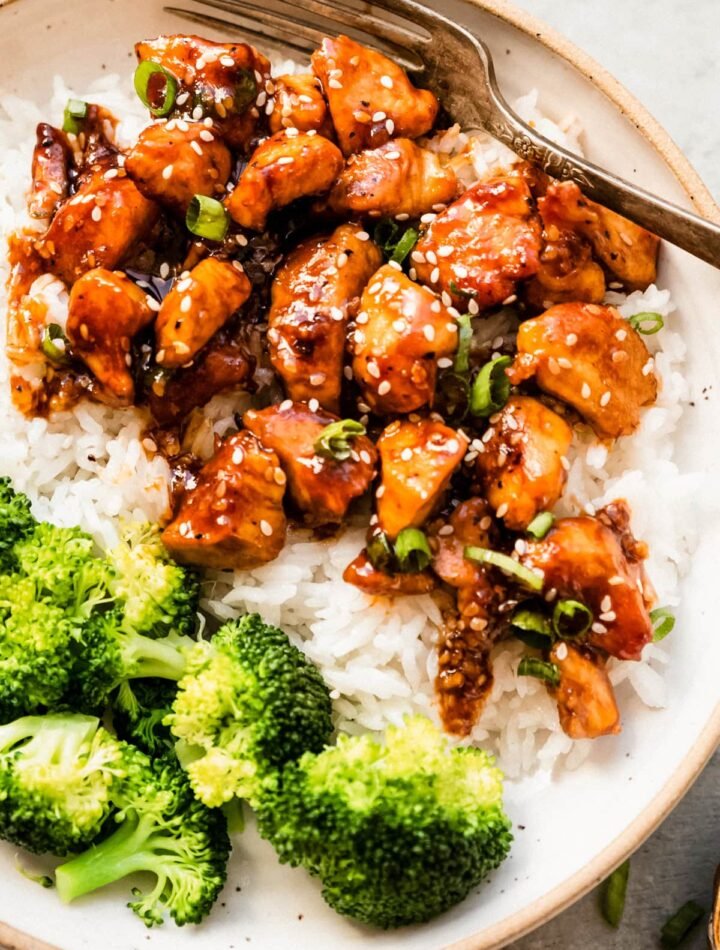
If you’re like me, you love takeout. There’s something comforting about those glossy chicken dishes, especially sesame chicken. For years, I craved that sweet, nutty flavor but always felt guilty about the calories, the sugar, the heavy oil. One day, I decided to make a healthier version right at home. I wanted something that tasted just as good, but felt better for my body. After lots of testing, tweaking, and a few burnt pans, I finally landed on a recipe I was proud to share.
This article is my journey with healthy sesame chicken. I’ll share everything I learned—what works, what doesn’t, and the little tricks that make all the difference. If you want a meal that’s tasty, lighter, and easy to whip up, stick with me.
I promise you’ll finish reading with confidence and maybe even a craving!
Why I Wanted A Healthier Sesame Chicken
Growing up, I thought Chinese takeout was the best treat. But as I got older, I noticed how heavy I felt after eating those dishes. The traditional sesame chicken is usually deep-fried, covered in sugar, and swimming in salty sauce. It’s delicious but not exactly something you want every night.
Here’s a quick look at the average restaurant sesame chicken:
| Nutrition | Restaurant Version (per serving) | Homemade Healthy Version (per serving) |
|---|---|---|
| Calories | 800-950 | 350-400 |
| Total Fat | 40-55g | 10-15g |
| Sugar | 35-50g | 8-12g |
| Sodium | 1,000-1,500mg | 400-600mg |
Seeing those numbers made me realize why I felt so sluggish. I started thinking about ways to keep the flavor but lose the heaviness. It took some experimenting, but eventually, I found a balance.
What Makes Sesame Chicken Unhealthy
If you’ve never cooked it yourself, you might not know what goes into traditional sesame chicken. Here are the main things that make it less healthy:
- Deep frying: The chicken is coated and fried in oil. This adds a lot of fat and calories.
- Heavy sauce: Most recipes use a lot of sugar and soy sauce, which pile on sodium and sweetness.
- White rice: Served with plain white rice, which spikes blood sugar and doesn’t offer much nutrition.
I realized most of the unhealthiness came from the cooking method and sauce. Changing these could make a huge difference.
Creating A Healthy Sesame Chicken Recipe
I started by looking at the basics. If I could swap out the unhealthy parts, maybe I could still make it taste like the original. Here’s how I changed it:
- Baked or stir-fried chicken instead of deep-frying.
- Lean chicken breast instead of thighs.
- Less sugar, using honey or maple syrup for sweetness.
- Low-sodium soy sauce to cut back on salt.
- Whole grain rice or cauliflower rice for more fiber.
With these swaps, I was surprised at how much lighter the meal felt. The flavor was still there, but it didn’t weigh me down.
Ingredients: What You Need For Healthy Sesame Chicken
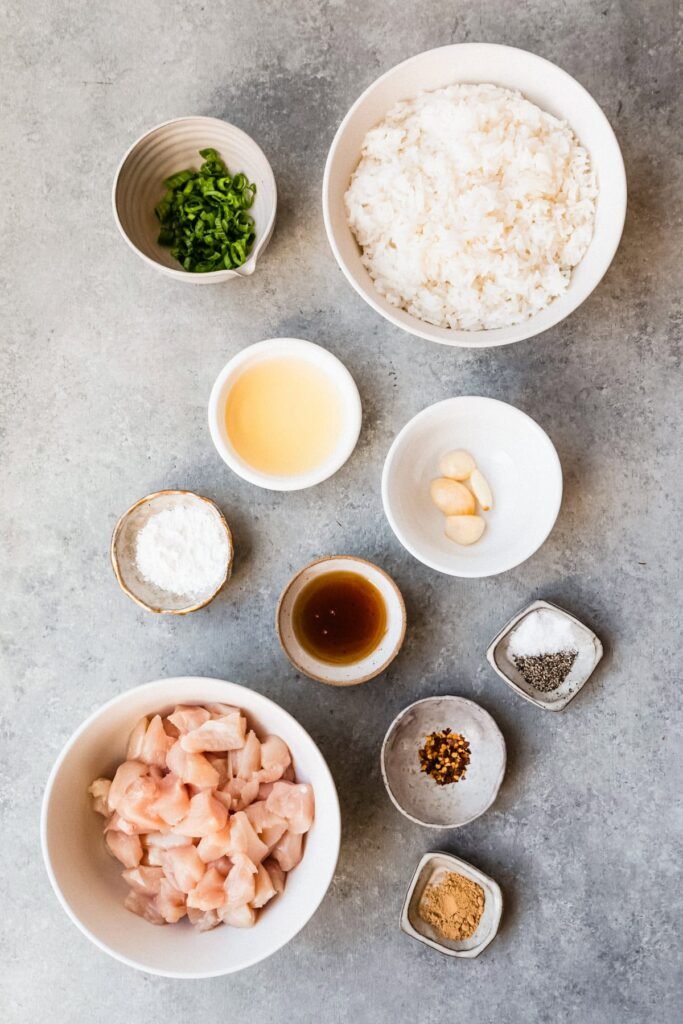
I found that simple, fresh ingredients made a big difference. Here’s the recipe I use most often (serves 4):
- 1 pound chicken breast, cut into bite-sized pieces
- 2 tablespoons cornstarch (optional, for crispiness)
- 2 tablespoons olive oil or avocado oil
- 2 tablespoons honey (or pure maple syrup)
- 2 tablespoons low-sodium soy sauce
- 2 tablespoons rice vinegar
- 1 tablespoon sesame oil
- 2 cloves garlic, minced
- 1 teaspoon fresh ginger, grated
- 1 tablespoon sesame seeds
- 1 tablespoon green onions, sliced
- 2 cups steamed brown rice or cauliflower rice
- Salt and pepper to taste
You can add vegetables like broccoli, bell peppers, or snap peas. They add color, crunch, and more nutrition. Sometimes, I toss in whatever I have in the fridge.

Cooking Instructions: Step-by-step
Making healthy sesame chicken doesn’t require fancy skills. Here’s how I do it:
- Prep the chicken: Cut it into bite-sized pieces. Toss with cornstarch for a light coating (optional).
- Cook the chicken: Heat olive oil in a non-stick skillet. Add chicken and cook until golden and cooked through, about 5-7 minutes. Remove chicken from the pan.
- Make the sauce: In the same pan, add garlic and ginger. Stir for 1 minute. Add honey, soy sauce, rice vinegar, and sesame oil. Let it simmer for 2-3 minutes until slightly thickened.
- Combine: Add chicken back to the pan. Toss with sauce to coat evenly. Sprinkle with sesame seeds and green onions.
- Serve: Spoon over brown rice or cauliflower rice. Add veggies on the side or mix in.
The whole process takes about 20-25 minutes. It’s easy enough for a weeknight.
Practical Tips I Learned Along The Way
After making this dish many times, I discovered a few tricks that make it even better:
- Don’t overcook the chicken. Dry chicken is the enemy of good sesame chicken. Keep the pieces small for even cooking.
- Use fresh ginger and garlic. Powdered versions work, but fresh gives a brighter, more authentic flavor.
- Toast the sesame seeds. Just a minute in a dry pan brings out their nutty aroma.
- Balance the sauce. Sometimes honey can be too sweet. Taste as you go and adjust. I add a splash of water if it’s too thick.
- Add vegetables. Broccoli, carrots, and snap peas are my favorites. They soak up the sauce and add texture.
One non-obvious thing: If you want the chicken crispy, bake it at 425°F for 15-20 minutes after tossing in cornstarch and oil. It’s almost like fried, but so much lighter.
Comparing Cooking Methods: Stir-fry Vs. Baking
I tried both ways: stir-frying and baking. Here’s how they stack up:
| Method | Texture | Calories | Prep Time | Cleanup |
|---|---|---|---|---|
| Stir-Fry | Juicy, slightly crispy | 350-400 | 15-20 min | 1 pan |
| Baked | Crispy, less oily | 340-380 | 20-25 min | Sheet pan + bowl |
Personally, I use stir-frying when I want quick results. If I have extra time, baking gives a crispier bite. Both are healthier than deep-frying.
Nutritional Benefits: Why This Recipe Is Good For You
Switching to this healthier version made a big impact on how I felt after eating. Here are some benefits:
- Lower calories: Less oil and sugar means fewer calories, so it fits into most diets.
- Less sodium: Using low-sodium soy sauce helps control blood pressure.
- Better protein: Lean chicken breast gives you high-quality protein without excess fat.
- More fiber: If you use brown rice or add veggies, you get more fiber, which keeps you full longer.
- Healthy fats: Sesame oil and olive oil are both rich in good fats.
One thing I didn’t expect: the meal feels satisfying but doesn’t make me sleepy. It’s the kind of dish you can eat and still go for a walk afterward.
Common Mistakes And How To Avoid Them
I made plenty of mistakes when I started. Here are some that beginners often face:
- Sauce too thin or thick: If the sauce is watery, cook it longer. If it’s too thick, add a splash of water.
- Chicken overcooked: Cook in small batches, don’t crowd the pan. This keeps it juicy.
- Too salty or sweet: Taste the sauce before adding to the chicken. Adjust with water or more vinegar.
- Not enough flavor: Fresh garlic, ginger, and toasted sesame seeds boost the taste.
- Skipping veggies: Don’t forget vegetables. They balance the meal and make it more nutritious.
A non-obvious insight: Let the chicken rest for a minute after cooking. This keeps it tender and juicy.
How Healthy Sesame Chicken Fits Different Diets
I’ve served this dish to friends with different dietary needs. Here’s how you can adapt it:
- Gluten-free: Use tamari or coconut aminos instead of soy sauce.
- Low-carb: Serve with cauliflower rice, skip the honey, or use stevia.
- Dairy-free: This recipe is naturally dairy-free.
- Vegetarian option: Swap chicken for tofu or tempeh. It soaks up the sauce just as well.
I’ve even made it for picky eaters and kids. The sweet, nutty flavor is always a hit.
Real-time Data: How Popular Is Healthy Sesame Chicken?
Interest in healthier versions of classic Chinese dishes is growing fast. According to Google Trends, searches for “healthy sesame chicken” have doubled in the past two years. On platforms like Instagram and TikTok, homemade versions are getting millions of views.
A recent survey by the National Restaurant Association showed that 60% of diners want healthier options when eating out. But most takeout places haven’t changed their recipes much. That’s why cooking at home is the best way to control what you eat.
How I Serve It: Meal Prep And Leftovers
One thing I love about this recipe is how well it keeps. I often make extra and use it for meal prep. Here’s what works:
- Store in airtight containers for up to 3 days.
- Reheat in the microwave or on the stove. Add a splash of water to loosen the sauce.
- Serve in wraps with lettuce, or toss in salads for variety.
I noticed the flavors get deeper after a day. The sauce soaks into the chicken, and it tastes even better. It’s a great lunch box meal, too.

Comparing Healthy Sesame Chicken To Other Takeout Favorites
Sometimes, I crave other Chinese dishes, but I still want to eat healthy. Here’s how healthy sesame chicken stacks up against some popular choices:
| Dish | Calories (per serving) | Total Fat | Sugar |
|---|---|---|---|
| Healthy Sesame Chicken | 350-400 | 10-15g | 8-12g |
| General Tso’s Chicken | 900-1,100 | 50-60g | 35-45g |
| Orange Chicken | 850-950 | 40-55g | 30-40g |
| Sweet and Sour Chicken | 800-950 | 35-50g | 30-45g |
You can see why I stick to sesame chicken. It’s lighter, but still satisfies my cravings.
Balancing Flavor And Nutrition: My Honest Thoughts
When I started making healthy sesame chicken, I worried it would taste “diet. ” I thought I’d miss the crunch and the sticky sauce. But after a few tweaks, I found the flavor was still bold and satisfying. The sweetness is balanced, and the sesame brings warmth without being overpowering.
A couple of things to keep in mind:
- It won’t be as crispy as the deep-fried version, but baking helps.
- The sauce is lighter, so it doesn’t coat every piece in thick glaze. If you miss that, you can add a bit more cornstarch to thicken.
- Using honey instead of sugar gives a softer sweetness. Some people prefer maple syrup for a richer taste.
I learned to adjust the recipe based on how I felt. If I wanted more crunch, I baked. If I wanted speed, I stir-fried. The flexibility is what makes this dish a staple in my kitchen.
Experience-based Improvements: What I’d Do Differently
After dozens of batches, I found a few ways to make it even better:
- Try air frying: It gives a crispy texture without extra oil.
- Use boneless thighs: They’re slightly juicier, but still lean.
- Add chili flakes: For a bit of heat. It’s subtle but adds depth.
- Top with roasted cashews or peanuts: For crunch and extra flavor.
One mistake I made early on: using too much sesame oil. It’s strong—just a little goes a long way.
Why Homemade Is Always Better
Making healthy sesame chicken at home gives you control. You decide how much sugar, salt, and oil to use. You can add vegetables, swap the protein, and adjust flavors. Restaurant versions are tasty, but they use shortcuts and extra fat to make the dish appealing.
I also found that homemade meals bring people together. Cooking with friends or family turns dinner into an experience. The aroma of toasted sesame seeds fills the kitchen and makes everyone hungry.
If you’re worried about time, don’t be. This recipe is faster than waiting for delivery, and you’ll feel better after eating it.
Frequently Asked Questions
How Do I Make Healthy Sesame Chicken Gluten-free?
It’s easy. Use tamari or coconut aminos instead of soy sauce. Check that your cornstarch is gluten-free. The rest of the ingredients are naturally gluten-free.
Can I Use Chicken Thighs Instead Of Breast?
Yes, you can. Chicken thighs are a bit higher in fat but still lean. They give a juicier texture. Just trim excess fat and cook the same way.
What’s The Best Way To Make The Chicken Crispy Without Deep Frying?
I recommend tossing chicken in cornstarch, spraying lightly with oil, and baking at 425°F for 15-20 minutes. Alternatively, use an air fryer for crispiness with less oil.
Can I Freeze Healthy Sesame Chicken?
You can freeze it, but the texture may change. Freeze in airtight containers for up to 2 months. Thaw and reheat gently. The sauce might separate, so stir well before serving.
Is Sesame Chicken Healthy For Weight Loss?
Yes, especially the homemade version. It’s high in protein and lower in fat and calories. Pair with veggies and whole grain rice for a balanced meal. Watch portion sizes and avoid extra sugar.
—
After years of craving sesame chicken but wanting something lighter, I’m glad I found a way to enjoy it guilt-free. The recipe is easy, flexible, and fits almost any diet. If you’re nervous to try, just start with fresh ingredients and simple steps. You’ll be surprised at how good healthy sesame chicken tastes—and how much better you feel after eating it. For more background on sesame and its health benefits, check out this Wikipedia page.
Give it a try. You might just make it your new favorite weeknight meal.