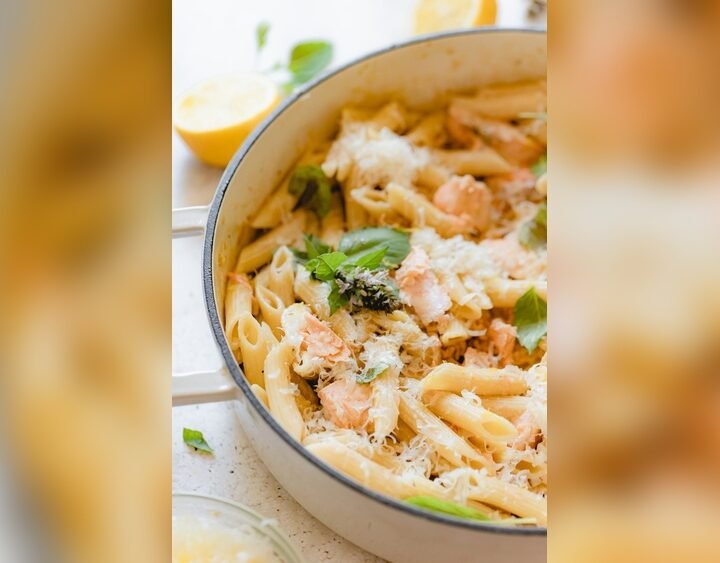
Pasta alla Salmone is one of those dishes that always feels special, but it’s surprisingly easy to make at home. I remember the first time I cooked it—I was nervous about getting the balance right between the creaminess and the salmon flavor.
But after a few tries, I realized it’s actually quite forgiving. The result is a comforting, elegant meal that’s perfect for a quiet night in or when you want to impress friends without spending hours in the kitchen.
Why Pasta Alla Salmone Is Worth Making
If you love creamy pasta and seafood, this dish brings the best of both worlds. The sauce is silky and rich, but the smoked salmon adds a delicate, savory edge. What I love most is how quickly it comes together. With simple ingredients and about 30 minutes, you can have something that tastes like it came from a cozy Italian restaurant.
You don’t need to be a pro chef to make this work. I’ve made it after long workdays, and it’s never failed. Plus, it’s easy to adjust: you can tweak the creaminess, toss in peas for color, or use different pasta shapes based on what’s in your pantry. There’s a reason why this recipe has become a staple in my kitchen.
Ingredients You’ll Need
For one batch (serves 2–3 people), gather these ingredients:
- Pasta: 250 grams (about 9 oz) of fettuccine or penne
- Smoked salmon: 120 grams (about 4 oz), sliced into strips
- Heavy cream: 200 ml (about 3/4 cup)
- Shallot: 1 small, finely chopped
- Butter: 1 tablespoon
- Olive oil: 1 tablespoon
- Dry white wine: 2 tablespoons (optional, but adds depth)
- Lemon zest: From 1/2 a lemon
- Fresh parsley: 1–2 tablespoons, chopped
- Salt and black pepper: To taste
- Freshly grated Parmesan (optional, for serving)
Why These Ingredients Matter
- Smoked salmon gives a gentle smoky flavor that pairs beautifully with cream.
- Heavy cream makes the sauce rich and smooth.
- Shallot adds a sweet, mild onion flavor without overpowering the salmon.
- White wine lifts the sauce, adding a little acidity.
- Lemon zest brightens things up, so it never feels heavy.
A quick note: I’ve tried this with regular onions, but shallots really keep the flavor balanced. And if you’re not a fan of cream, you can swap in half-and-half, but the sauce won’t be as silky.
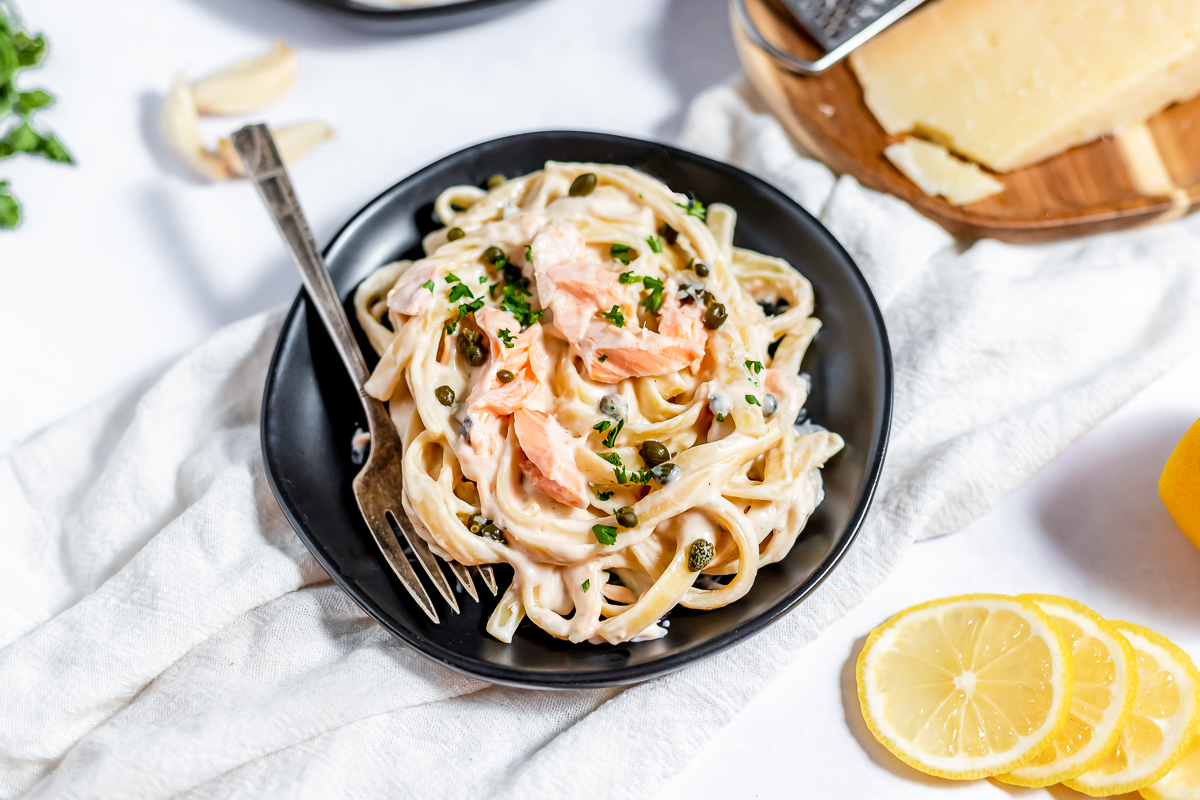
Credit: sabrinacurrie.com
Step-by-step: How To Make Pasta Alla Salmone
Here’s how I make it at home. You won’t need fancy tools—just a large pot and a skillet.
- Boil the pasta. Bring a large pot of salted water to a boil. Add your pasta and cook until just al dente (usually 1–2 minutes less than the package says). Save about 1/2 cup of the pasta water before draining.
- Sauté the shallot. While the pasta cooks, heat the butter and olive oil in a large skillet over medium heat. Add the chopped shallot and sauté until soft and fragrant (about 2–3 minutes). Don’t let it brown—you want it sweet and gentle.
- Deglaze with white wine (if using). Pour in the wine and let it simmer for about a minute, scraping up any bits from the pan. This step adds a subtle tang.
- Add cream and salmon. Lower the heat. Pour in the cream and let it warm up. Then stir in the smoked salmon strips. The salmon will turn a little opaque and infuse the sauce.
- Add lemon zest and parsley. Stir in the lemon zest and half the parsley. Season with salt and lots of black pepper.
- Combine pasta and sauce. Add the drained pasta to the skillet, tossing gently to coat. If the sauce is too thick, splash in a bit of pasta water to loosen it.
- Finish and serve. Taste and adjust seasoning. Plate the pasta, sprinkle with more parsley, and add Parmesan if you like.
Practical Tips From My Experience
- Always save some pasta water—it’s the secret to a silky sauce that clings to the noodles.
- Don’t let the cream boil. Gentle heat keeps the sauce smooth and prevents it from splitting.
- If you want a lighter version, use less cream and add a splash of milk. I’ve done this, and it still tastes good, just less rich.
- Leftovers are rare, but if you have them, add a little milk or cream when reheating to bring back the creamy texture.
Choosing The Best Ingredients
Great ingredients make a big difference. When I first tried bargain smoked salmon, it was too salty and chewy. Spending a little more for good-quality salmon made the dish taste restaurant-worthy.
Pasta Types: What Works Best
I’ve used spaghetti, penne, and fettuccine. Here’s a quick comparison:
| Pasta Shape | Texture | How Well It Holds Sauce |
|---|---|---|
| Fettuccine | Flat, wide | Excellent |
| Penne | Tubular | Good |
| Spaghetti | Round, thin | Decent |
Fettuccine is my go-to, but penne is great for scooping up creamy bits. Use what you have—this recipe is flexible.
Cream: Heavy, Light, Or Plant-based?
Heavy cream gives the best texture. I once tried with half-and-half—it was still tasty but the sauce was thinner. For a dairy-free version, I used oat cream. The flavor was different, but still enjoyable.
Smoked Salmon: Cold Vs. Hot Smoked
There are two main types of smoked salmon:
| Type | Texture | Flavor |
|---|---|---|
| Cold-smoked | Silky, soft | Delicate, smoky |
| Hot-smoked | Firm, flaky | Stronger, cooked |
Cold-smoked is classic for this recipe—it melts into the sauce. Hot-smoked is chunkier and gives a more rustic feel. Both work, but I prefer cold-smoked for its tenderness.
Customizing Your Pasta Alla Salmone
Once you’ve tried the classic, you can make it your own. Sometimes I add a handful of frozen peas for color and sweetness. Chopped cherry tomatoes work, too, adding brightness.
If you want to boost the lemon flavor, add a squeeze of juice right before serving. But don’t add it too soon or the cream might curdle.
For more protein, I’ve stirred in a few cooked shrimp. It’s not traditional, but it’s delicious. And if you like a bit of heat, a pinch of red pepper flakes wakes up the sauce.
How To Serve Pasta Alla Salmone
Serve it right away—creamy pastas are best fresh. I like to pair it with a simple green salad and some crusty bread. The salad cuts through the richness, and the bread is perfect for wiping up any sauce left on the plate.
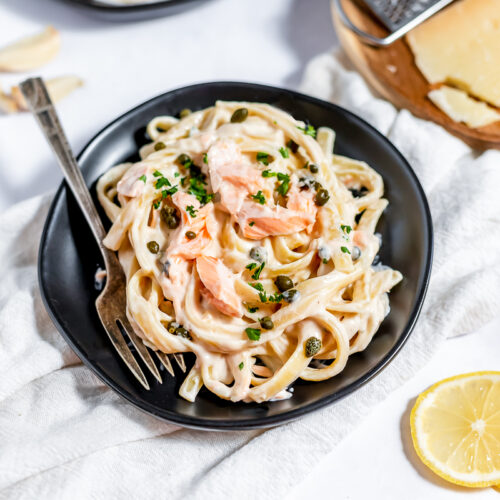
If you’re serving guests, sprinkle a little extra parsley and a twist of black pepper on top. It looks great and adds a fresh aroma.
Credit: sabrinacurrie.com
Real-life Cooking Challenges (and How To Fix Them)
Not every attempt went smoothly for me. Here are a few things I learned by messing up:
- Sauce too thick? Add reserved pasta water, a little at a time.
- Sauce split or curdled? The heat was probably too high. Keep it low and gentle once you add cream.
- Pasta overcooked? Drain it early—remember, it cooks a bit more in the sauce.
- Salmon too salty? Use unsalted butter and go easy on adding salt.
One mistake I made early on was adding the salmon too soon and letting it cook for too long. It became tough and lost its silky texture. Now I add it just as the cream warms, so it stays soft.
Nutrition And Portion Advice
This dish is rich, so a little goes a long way. For a light dinner, I usually serve smaller portions and fill up with salad or steamed veggies.
If you’re watching calories, you can use less cream or switch to a lighter alternative. Skipping the Parmesan also cuts back on fat, though I love a little on top.
Here’s a rough breakdown for a typical serving (with cream and salmon):
- Calories: 500–600 per serving
- Protein: 18–22g
- Fat: 28–35g
- Carbs: 50–60g
Of course, actual values depend on the brands and exact quantities you use.

Credit: www.ourcookingjourney.com
Storing And Reheating Leftovers
To be honest, leftovers rarely happen in my kitchen. But on the rare occasion they do, here’s what I’ve learned:
- Store in an airtight container in the fridge, up to 2 days.
- Reheat gently on the stove with a splash of milk or cream. Avoid the microwave—the sauce separates.
- If the sauce looks dry, add a bit of the reserved pasta water if you saved some, or just use a little milk.
The flavor is still good the next day, but the texture is creamiest when fresh.
What Makes Pasta Alla Salmone Stand Out
Pasta alla Salmone is more than just a creamy pasta. It’s the balance of smoke, cream, citrus, and fresh herbs that makes it feel special. Every bite is comforting but never boring.
I’ve found that even people who don’t usually love fish are surprised by how much they enjoy this dish. The salmon flavor is mellow and blends right in, especially if you use good-quality, mild smoked salmon.
Another thing I love: it’s easy to scale up for a dinner party or down for a solo meal. Just adjust the quantities, and the process stays the same.
Frequently Asked Questions
How Do I Keep The Sauce From Curdling?
To avoid curdling, keep the heat low when adding cream. Don’t let the sauce boil—just let it gently simmer. If you’re adding lemon juice for extra flavor, do it right at the end, off the heat.
Can I Use Fresh Salmon Instead Of Smoked?
Yes, but the result is different. Fresh salmon needs to be cooked first—sauté bite-sized pieces in the pan until just cooked, then continue with the recipe. The smoky flavor will be missing, but you can add a dash of smoked paprika for a hint of smokiness.
Is It Safe To Eat Smoked Salmon Without Cooking It?
Absolutely. Cold-smoked salmon is cured and safe to eat as is. In this recipe, it’s gently warmed, not fully cooked. If you’re pregnant or immune-compromised, check guidance from sources like the FDA.
Can I Make This Recipe Gluten-free?
Yes! Just swap the pasta for your favorite gluten-free brand. I’ve tried it with gluten-free penne—it worked perfectly. The sauce is naturally gluten-free.
What Wine Pairs Best With Pasta Alla Salmone?
I like a crisp, dry white wine like Pinot Grigio or Sauvignon Blanc. Their acidity cuts through the richness of the cream. If you don’t drink alcohol, sparkling water with lemon is a refreshing option.
Pasta alla Salmone is a dish that keeps surprising me. Every time I make it, I find a new little trick or twist that makes it even better. If you haven’t tried it yet, I hope my real-life tips help you make a version you’ll love—and maybe even turn into your own kitchen classic.