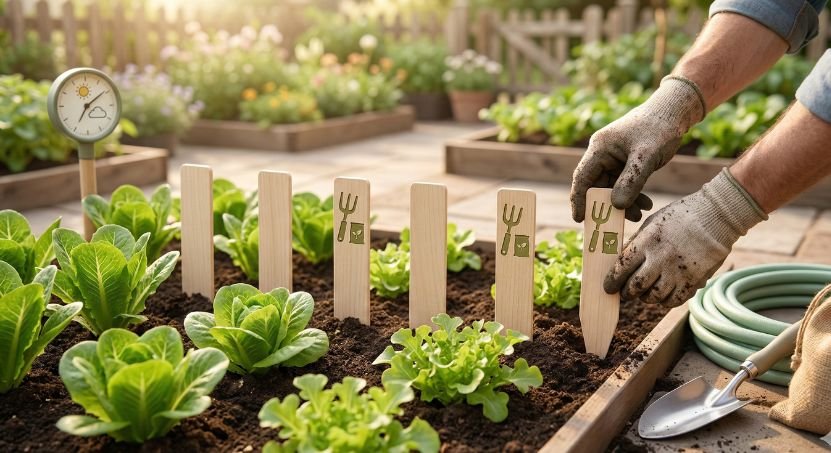
Growing fresh, crisp lettuce at home is rewarding, but getting it just right can be tricky. One key question you might have is: how often should you fertilize lettuce to keep it healthy and tasty?
Too little fertilizer, and your lettuce could end up weak and slow-growing. Too much, and you risk damaging your plants or wasting your effort. You’ll discover the perfect fertilizing schedule that helps your lettuce thrive, giving you a bountiful harvest every time.
Keep reading to unlock the secrets of feeding your lettuce just right!
Lettuce Growth Needs
Lettuce needs the right nutrients to grow healthy and strong. It uses nitrogen for green leaves, phosphorus for roots, and potassium for overall health. Good soil helps lettuce get these nutrients easily.
Soil should be loose and well-drained. Lettuce likes soil that holds some water but does not stay too wet. The pH level should be between 6.0 and 7.0 for best growth. Organic matter, like compost, can improve soil quality and nutrient supply.
Types Of Fertilizers
Organic fertilizers come from natural sources like compost, manure, and bone meal. They improve soil health and add nutrients slowly. These options release nutrients over time, helping lettuce grow steady and strong. Organic fertilizers are gentle and safe for the environment.
Synthetic fertilizers are made in factories. They provide nutrients quickly, which can boost lettuce growth fast. These fertilizers often contain nitrogen, phosphorus, and potassium in balanced amounts. Use them carefully to avoid overfeeding plants. Synthetic options work well when soil lacks nutrients.
Fertilizing Frequency
Seedling Stage: Fertilize lettuce seedlings every 7 to 10 days. Use a balanced, diluted fertilizer to avoid burning young roots. This helps seedlings grow strong and healthy. Avoid too much fertilizer, as it can harm delicate plants.
Mature Plant Stage: Fertilize mature lettuce every 2 to 3 weeks. Use a fertilizer high in nitrogen to support leafy growth. Water plants well after fertilizing to help nutrients reach roots. Observe plants for signs of nutrient deficiency or overfeeding.
Signs Of Nutrient Deficiency
Yellow leaves often show a lack of nitrogen. Lettuce needs this for green, healthy growth. Slow growth or small leaves can mean not enough nutrients. Leaf edges turning brown may point to potassium deficiency. Sometimes, the leaves look pale or washed out, showing iron or magnesium problems.
Check lettuce plants regularly. They tell you when they need food. Use these signs to decide when to fertilize. Keep the leaves bright green and strong. This helps lettuce grow fresh and tasty.
Application Techniques
Soil incorporation means mixing fertilizer directly into the soil before planting. This helps nutrients reach lettuce roots faster. It also improves soil health and moisture. Use balanced fertilizers with nitrogen, phosphorus, and potassium for best results.
Foliar feeding is spraying liquid fertilizer on lettuce leaves. It gives plants a quick nutrient boost. Use it when lettuce shows signs of nutrient shortage. Spray early in the morning or late afternoon to avoid leaf burn. Foliar feeding works best with small amounts and frequent applications.
Common Mistakes To Avoid
A common mistake is over-fertilizing lettuce. Too much fertilizer can burn the leaves and roots. Lettuce prefers a light feeding every 2 to 3 weeks during growth. Another error is using the wrong type of fertilizer. Choose one with balanced nutrients, like nitrogen, phosphorus, and potassium. Avoid fertilizers high in nitrogen only, as they cause leaf growth but poor head formation.
Applying fertilizer on dry soil can harm plants. Always water the soil before fertilizing. Avoid fertilizing late in the season, which can make leaves bitter. Also, do not fertilize lettuce grown in poor soil without testing it first. Soil tests help know exactly what nutrients are missing.
Adjusting Fertilizer Schedule
Climate affects how often lettuce needs fertilizer. In hot weather, plants use nutrients faster. This means you should fertilize more often. Cooler climates slow down growth, so less fertilizer is needed. Rain can wash away nutrients, so check soil after heavy rain. Dry weather might need extra feeding to keep lettuce healthy.
Different lettuce types need different care. Leaf lettuces grow quickly and need regular feeding. Head lettuces take longer and need fewer feedings. Butterhead types like gentle feeding to avoid bitter leaves. Knowing your lettuce type helps set the right fertilizer schedule.
Conclusion
Fertilizing lettuce regularly helps plants grow healthy and strong. Use a balanced fertilizer every two to three weeks. Avoid adding too much fertilizer at once. Watch your lettuce for signs of poor growth or yellow leaves. Water the plants well after fertilizing.
Healthy soil also supports good lettuce growth. Keep an eye on your garden and adjust as needed. With simple care, you can enjoy fresh, crisp lettuce all season. Growing lettuce can be easy and rewarding. Try these tips to keep your lettuce thriving.