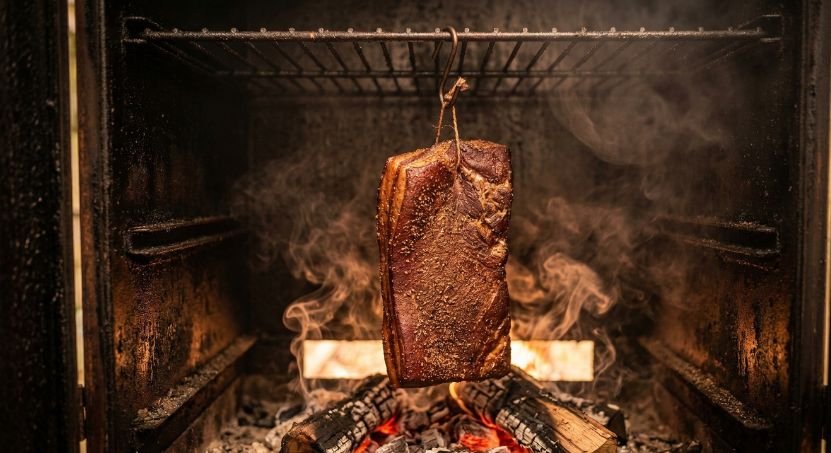
Imagine waking up to the irresistible aroma of smoky, perfectly cured bacon sizzling on your stove—made entirely by your own hands. You might think crafting your own bacon is complicated or time-consuming, but with the right steps, it’s easier and more rewarding than you expect.
Whether you want to impress your family or simply crave that rich, smoky flavor you can’t find in stores, making and curing your own smoky bacon puts you in full control of the taste and quality. Ready to learn how you can transform simple pork belly into mouthwatering bacon that’s bursting with flavor?
Keep reading, and I’ll guide you through every step of the process so you can enjoy bacon like never before.
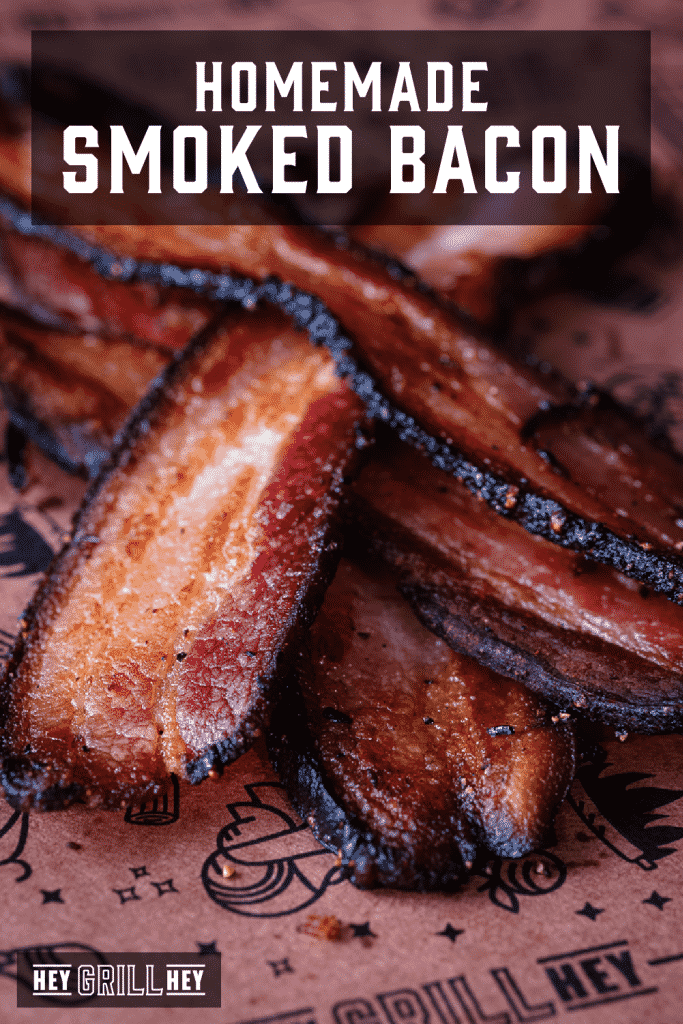
Credit: heygrillhey.com
Choosing The Right Pork Belly
Choosing the right pork belly is the first step to making great smoky bacon. The quality of the meat affects the flavor and texture of your bacon. Selecting fresh and high-quality pork belly ensures a better curing and smoking process. This section helps you understand what to look for when picking pork belly for your bacon.
Fresh Vs. Frozen Pork Belly
Fresh pork belly has a better texture and flavor than frozen. It cures more evenly and absorbs the seasoning well. Frozen pork belly may lose some moisture and taste. If you use frozen, thaw it slowly in the fridge. Avoid using pork belly that has been frozen for a long time.
Size And Thickness Considerations
Choose pork belly with a good balance of meat and fat. The ideal thickness is about 1 to 2 inches. Thicker pieces take longer to cure and smoke but offer richer flavor. Very thin pork belly can dry out during smoking. Pick a size that fits your smoker or curing space.
Sourcing Quality Meat
Buy pork belly from trusted butchers or local farms. Look for meat with a firm texture and a pinkish color. Avoid pork belly with dark spots or unpleasant smell. Organic or pasture-raised pork often tastes better. Ask your butcher about the source and handling of the meat.
Essential Ingredients For Curing
Curing bacon requires a few key ingredients. These ingredients preserve the meat and add deep, smoky flavors. Choosing the right items ensures a tasty and safe final product. Below are the essential ingredients you need to start curing your own smoky bacon.
Types Of Salt And Curing Salts
Salt is the main ingredient in curing. It draws moisture out, preventing bacteria growth. Use kosher salt or sea salt for best results. Curing salts, like Prague powder 1, contain nitrites. They help keep the meat pink and safe. Never use curing salt alone; it must mix with regular salt.
Sugar Varieties
Sugar balances saltiness and aids fermentation. White sugar is common but brown sugar adds richer taste. Maple sugar or honey can bring unique sweetness. Choose sugar based on the flavor you want to create. Sugar also helps the bacon develop a nice color.
Spices And Flavor Enhancers
Spices create the signature smoky bacon flavor. Black pepper, paprika, and garlic powder are popular choices. Red pepper flakes add heat for bold taste. Experiment with herbs like thyme or bay leaves. These enhance the aroma and complexity of your bacon.
Wood Chips For Smoking
Wood chips give bacon its smoky flavor. Cherry, apple, or hickory chips are excellent options. Cherry wood offers a sweet, mild smoke. Hickory creates a stronger, classic smoke taste. Soak wood chips before smoking to produce steady smoke.
Preparing The Cure Mix
Preparing the cure mix is a key step in making smoky bacon. This mix preserves the pork belly and adds rich flavors. The right balance of ingredients ensures the bacon cures evenly and tastes delicious. Each element in the cure mix plays a role in the final product.
Focus on salt and sugar first. They are the base of your cure. Then add spices and herbs to build flavor. Finally, customize the mix to suit your taste.
Balancing Salt And Sugar
Salt is the main curing agent. It draws moisture out and prevents bacteria growth. Use curing salt or kosher salt for best results. Sugar balances saltiness and adds a touch of sweetness. Brown sugar or white sugar both work well. Too much salt makes bacon too salty. Too much sugar can cause sticky texture. A good starting ratio is 3 parts salt to 1 part sugar.
Adding Spices And Herbs
Spices bring complexity to your bacon. Black pepper adds warmth and mild heat. Paprika offers a smoky, slightly sweet flavor. Garlic powder gives a savory depth. Herbs like thyme or rosemary add earthiness. Keep spices fresh and grind them if possible. Use small amounts to avoid overpowering the pork. Mix spices evenly into your salt and sugar base.
Customizing Flavors
Experiment with flavors to make your bacon unique. Add chili flakes for heat. Use maple sugar or honey for sweetness. Smoked paprika boosts the smoky taste. Try dried orange peel for a citrus twist. Be cautious with strong flavors. Start with little and adjust next time. This lets you craft a cure mix that fits your style.
Applying The Cure
Applying the cure is the most important step in making your own smoky bacon. The cure draws moisture from the pork belly and adds flavor. It also helps preserve the meat and prepare it for smoking. There are two main methods for curing bacon: dry cure and wet cure. Both work well but use different techniques. After curing, packing and sealing the pork belly properly is essential to get the best results.
Dry Cure Method
The dry cure method uses a mixture of salt, sugar, and curing salts. Rub this mixture evenly over the entire pork belly. Make sure every part is covered with the cure. Place the belly in a plastic bag or container. Store it in the refrigerator for 7 to 10 days. Turn the pork belly every day to redistribute the cure. The dry cure pulls moisture from the meat slowly. This method gives a firm texture and strong flavor.
Wet Cure (brining) Method
The wet cure method uses a saltwater solution with curing salts and sugar. Mix the ingredients well until the salt and sugar dissolve. Submerge the pork belly completely in the brine. Use a container or large plastic bag to hold the belly and brine. Keep the pork belly in the refrigerator for 5 to 7 days. The wet cure penetrates the meat evenly and adds moisture. This method results in tender, juicy bacon with balanced flavor.
Packing And Sealing The Pork Belly
After applying the cure, pack the pork belly tightly. Use a vacuum sealer or strong plastic bags. Remove as much air as possible to prevent spoilage. Proper sealing keeps the cure in contact with the meat. It also stops unwanted bacteria from growing. Label the package with the date you started curing. Store it in the refrigerator until ready to smoke. Good packing and sealing ensure safe curing and tasty bacon.
Curing Time And Storage
Curing time and proper storage are key to making delicious smoky bacon at home. This phase lets the flavors develop deeply and ensures the meat stays safe to eat. Understanding how long to cure and how to store the bacon helps achieve perfect results every time.
Ideal Curing Duration
Typically, curing takes about 5 to 7 days. This allows the salt and spices to fully penetrate the pork belly. The meat becomes firm and flavorful during this time. Avoid curing for less than 5 days to prevent underdeveloped taste and texture. Longer curing can intensify flavors but may cause overly salty bacon.
Refrigeration Tips
Keep the pork belly refrigerated at 36°F to 40°F (2°C to 4°C) during curing. Use a shallow dish or tray and cover it with plastic wrap or a clean cloth. Turn the meat daily to redistribute the cure evenly. Proper refrigeration prevents harmful bacteria and keeps the meat fresh. Always store cured bacon separately from raw meats.
Checking For Proper Cure
After curing, the bacon should feel firm and slightly dry. The color will change from pale pink to a deeper red or brown. Smell the bacon to ensure it has a clean, salty aroma without any sour or off odors. If the meat feels mushy or smells bad, discard it. Proper curing ensures safety and excellent smoky bacon flavor.
Rinsing And Drying The Belly
Rinsing and drying the pork belly is a vital step in making smoky bacon. After curing, the belly holds salt and spices on its surface. Removing this excess cure ensures a balanced flavor and prevents the bacon from becoming too salty. Proper drying also prepares the meat for smoking. It helps develop a sticky layer called the pellicle. This layer allows smoke to cling better, giving the bacon a rich smoky taste. Taking time to rinse and dry the belly carefully improves the final texture and flavor of your homemade bacon.
Removing Excess Cure
After curing, rinse the pork belly under cold water. Use your hands to gently remove extra salt and spices. Avoid scrubbing too hard to keep the cure inside the meat. Rinse until the surface feels clean but still moist. Pat the belly dry with paper towels. This step reduces harsh saltiness and keeps the curing flavors balanced.
Drying Techniques
Dry the belly in a cool, well-ventilated place. Use a wire rack to lift the meat and allow air circulation. Leave the belly uncovered or lightly covered with cheesecloth. Drying takes 12 to 24 hours, depending on humidity. The goal is to remove surface moisture without drying the meat inside. Proper drying firms the skin and improves smoke absorption.
Forming The Pellicle
The pellicle is a tacky, shiny layer on the meat surface. It forms during drying and helps smoke stick better. Check the belly by lightly touching it. It should feel slightly sticky but not wet. This layer traps smoke particles and enhances smoky flavor. Achieving a good pellicle is key to delicious homemade smoky bacon.
Smoking Your Bacon
Smoking your bacon is the key to developing its rich, smoky flavor. This step transforms cured pork belly into the delicious bacon you love. Pay attention to wood choice, smoking method, and temperature to get the best results.
Proper smoking enhances taste and texture. It also helps preserve the meat. Understanding each part will make your homemade bacon stand out.
Choosing The Smoking Wood
The type of wood affects the flavor deeply. Fruitwoods like apple or cherry give a mild, sweet smoke. Hickory and oak provide a stronger, classic taste. Avoid resinous woods such as pine, which create harsh flavors.
Experiment with blends to find your preferred smoky profile. Fresh, dry wood produces cleaner smoke and better aroma. Always use wood chips or chunks, not sawdust, for even burning.
Hot Vs. Cold Smoking
Hot smoking cooks and smokes bacon at once. It uses higher temperatures, about 165°F to 185°F. This method is faster and results in ready-to-eat bacon. Cold smoking adds smoke flavor without cooking.
Cold smoking happens below 90°F. It requires an extra cooking step after smoking. Choose hot smoking for ease. Pick cold smoking for delicate, intense smoke taste.
Smoking Temperature And Duration
Keep the smoker temperature steady for best results. For hot smoking, maintain 175°F to 185°F. Smoke the bacon for 2 to 4 hours until it reaches an internal temperature of 150°F.
Cold smoking can last 6 to 12 hours or more, depending on taste. Use a reliable thermometer to avoid overheating. Proper timing ensures smoky flavor without drying out the meat.

Credit: www.youtube.com
Finishing And Storing Bacon
Finishing and storing your homemade smoky bacon is key to preserving its flavor and texture. After curing and smoking, proper cooling, slicing, and storage ensure your bacon stays fresh and delicious. This section guides you through these essential final steps.
Cooling And Wrapping
Let the bacon cool completely before handling. Cooling stops cooking and helps the fat firm up. Wrap the cooled bacon tightly in plastic wrap or butcher paper. This protects it from air and moisture. Store the wrapped bacon in the refrigerator if you plan to use it soon.
Slicing Tips
Use a sharp knife or a meat slicer for even slices. Cut bacon against the grain for a tender bite. Slice the bacon as thick or thin as you like. Thicker slices hold up well in cooking, while thin slices crisp quickly. Chill the bacon before slicing for cleaner cuts.
Storage For Fresh And Cooked Bacon
Keep fresh, uncooked bacon in the fridge for up to two weeks. For longer storage, freeze bacon in airtight bags. Cooked bacon lasts about a week in the refrigerator. Store cooked slices in a sealed container. Label packages with dates to track freshness easily.
Cooking And Serving Ideas
Cooking and serving your own smoky bacon opens many tasty possibilities. Freshly cured bacon has a rich, smoky flavor that enhances simple meals. Explore easy ways to enjoy it beyond just frying slices.
Try these ideas to bring out the best in your homemade bacon. Each method highlights its unique taste and texture perfectly.
Classic Breakfast Recipes
Start your morning with crispy smoky bacon. Serve it alongside scrambled eggs and toast for a hearty breakfast. Add bacon to pancakes or waffles for a sweet and salty twist. Make a breakfast sandwich with bacon, egg, and cheese on a toasted bun. Bacon also pairs well with hash browns or grits for a filling plate.
Incorporating Bacon In Dishes
Use smoky bacon to boost flavors in many recipes. Chop and mix it into salads for a crunchy, savory punch. Add bacon bits to baked potatoes or soups for extra richness. Wrap bacon around vegetables or meats before grilling for added taste. Stir bacon into pasta sauces or casseroles to deepen the flavor.
Bacon Pairings And Garnishes
Combine smoky bacon with fresh herbs like parsley or chives for a bright contrast. Serve with creamy dips or cheese spreads to balance its saltiness. Garnish dishes with crispy bacon crumbles for texture and visual appeal. Pair bacon with fruits like apples or pears to highlight its smoky sweetness. A drizzle of maple syrup or honey can also complement bacon well.
Troubleshooting Common Issues
Making your own smoky bacon is rewarding but can come with some challenges. Troubleshooting common issues helps improve your results. Knowing what to check saves time and avoids wasted effort. Here are some typical problems and easy fixes for curing and smoking bacon at home.
Cure Too Salty Or Bland
Saltiness depends on the amount of curing salt and time. Use the right ratio of salt to meat weight. If bacon is too salty, soak it in cold water for a few hours. Change the water several times to remove excess salt.
If bacon tastes bland, add more sugar or spices to the cure mix next time. Even distribution of cure ensures balanced flavor. Massage the cure into the pork belly evenly before sealing.
Uneven Smoking
Uneven smoke flavor usually comes from poor airflow or temperature control. Arrange bacon slices so smoke reaches all sides. Avoid overcrowding the smoker or grill.
Keep the smoker temperature steady, ideally between 175°F and 200°F (80°C to 93°C). Use quality wood chips like cherry or apple for mild smoke. Rotate the meat halfway through smoking for even coverage.
Texture Problems
Bacon that is too tough or soft indicates curing or cooking issues. Over-curing dries the meat, making it tough. Follow cure times carefully, usually 7 to 10 days.
If bacon is too soft or mushy, it may need more time in the smoker or refrigerator to firm up. Proper chilling after curing helps develop the right texture. Slice bacon thinly to improve tenderness when cooking.

Credit: jesspryles.com
Conclusion
Making and curing your own smoky bacon takes time but is worth it. You control the flavors and quality from start to finish. Using simple ingredients and careful smoking creates delicious bacon at home. Try different wood chips to find your favorite smoky taste.
Fresh homemade bacon adds a special touch to any meal. Enjoy the process and the tasty results you can share with family and friends. Keep practicing, and your homemade bacon will improve every time.