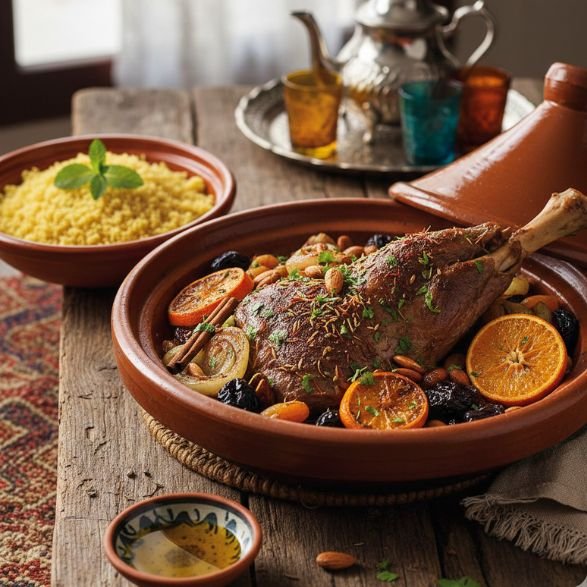
If you’re looking to elevate your dinner with bold and exotic flavors, this Moroccan Leg of Lamb recipe is exactly what you need. Imagine tender, juicy lamb infused with a fragrant blend of spices like cumin, coriander, turmeric, and paprika—each bite bursting with warmth and richness.
Whether you’re cooking for family or impressing guests, this dish promises a mouthwatering experience that’s surprisingly easy to prepare. Ready to discover how simple it is to bring the vibrant tastes of Morocco right into your kitchen? Keep reading, and let’s get cooking!

Credit: www.anotherfoodblogger.com
Ingredients
The key to an authentic Moroccan Leg of Lamb starts with the right ingredients. Each component adds depth and richness to the dish. The spices, herbs, and other flavorings create the classic Moroccan taste. Preparing the lamb carefully enhances the overall experience. Below is a breakdown of essential ingredients you need.
Spices And Herbs
Moroccan cooking depends heavily on spices. Ras el hanout is a popular spice mix. It usually contains cumin, coriander, cinnamon, and turmeric. Ground ginger adds warmth. Smoked paprika gives a subtle smokiness. Fresh herbs like mint and cilantro brighten the flavors. A pinch of saffron adds a unique aroma and color.
Lamb Preparation
Choose a fresh leg of lamb, about 4 to 5 pounds. Trim excess fat but leave some for flavor. Make small cuts in the meat to help spices penetrate. Rub the spice mix evenly all over the lamb. Let it rest for at least an hour before cooking. This helps the meat absorb the flavors fully.
Additional Flavorings
Olive oil is essential to help spices stick to the lamb. Garlic cloves add sharpness and depth. Lemon juice or preserved lemon provides a tangy contrast. A little honey or date syrup balances the spices with sweetness. Fresh onions and carrots can be roasted alongside for extra taste and aroma.
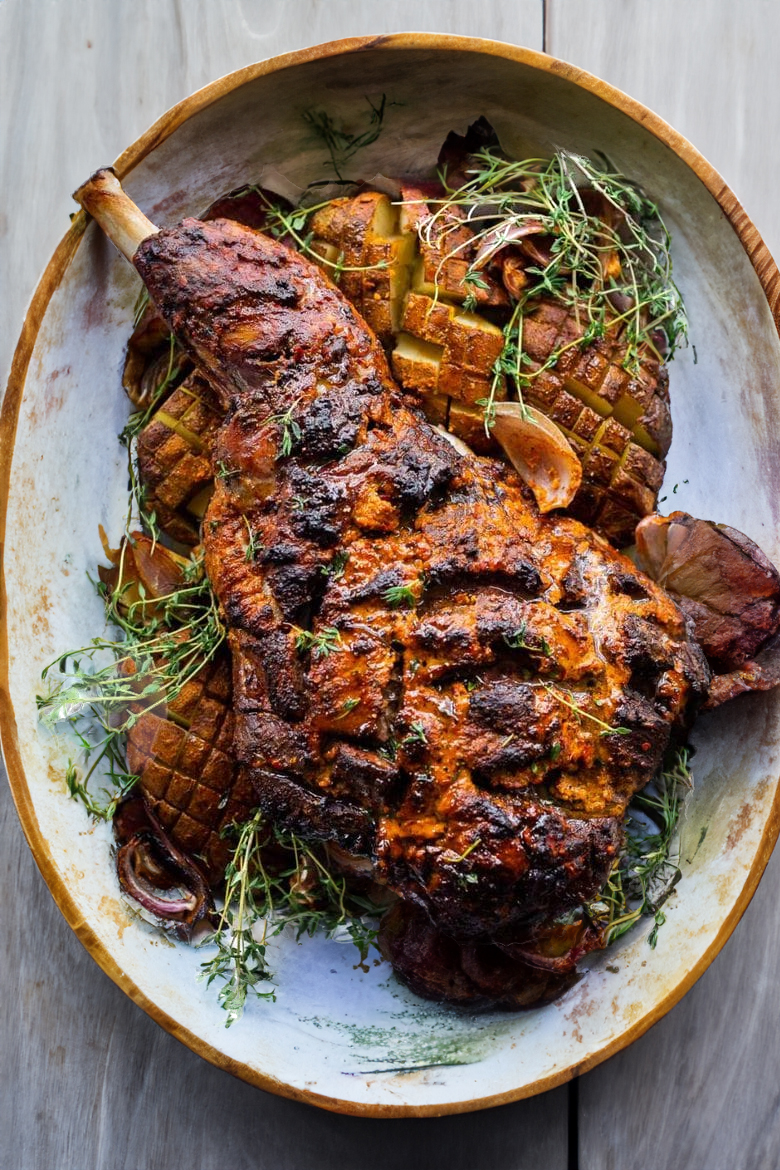
Credit: www.schweboo.com
Marinating The Lamb
Marinating the lamb is a key step in making a delicious Moroccan leg of lamb. The marinade infuses the meat with rich flavors and tenderizes it. Proper marinating makes the lamb juicy and full of taste. Take time with this step for the best result.
Creating The Marinade
Start by mixing olive oil with garlic and fresh lemon juice. Add ground cumin, coriander, and smoked paprika for warmth. Sprinkle turmeric and a pinch of cayenne for a gentle heat. Stir in salt and black pepper to balance flavors. Ras el hanout is the secret Moroccan spice blend here. Use fresh herbs like chopped mint and coriander leaves. This blend gives the lamb its unique aroma and taste.
Applying And Resting
Make small deep cuts in the lamb leg with a sharp knife. Rub the marinade all over the meat, pushing some into the cuts. Cover the lamb tightly with plastic wrap or place it in a sealed container. Let it rest in the fridge for at least 4 hours, or overnight if possible. This resting time allows the spices to soak deep into the meat. The longer the marination, the more tender and flavorful the lamb becomes.
Cooking Methods
Cooking Moroccan leg of lamb offers several methods that bring out rich flavors. The choice depends on time and equipment. Each method enhances the spices and tenderness uniquely. Understanding these techniques helps you prepare the perfect meal.
Slow Roasting
Slow roasting cooks the lamb gently over low heat. This method tenderizes the meat deeply. The spices soak in well, creating a rich aroma. Use a temperature around 275°F (135°C) for several hours. Cover the lamb with foil to keep moisture. Check occasionally to avoid drying out.
Oven Roasting Tips
Preheat the oven to 350°F (175°C) for a faster roast. Season the lamb with Moroccan spices and olive oil. Place it on a rack in a roasting pan. Roast uncovered for a crispy crust. Baste the lamb every 20 minutes for juiciness. Use a meat thermometer to check doneness. Aim for 135°F (57°C) for medium-rare.
Using A Grill Or Smoker
A grill or smoker adds smoky flavor to the lamb. Use indirect heat to cook slowly and evenly. Prepare coals or wood chips for a fragrant smoke. Marinate the lamb with traditional Moroccan spices first. Grill the leg for 2 to 3 hours, depending on size. Turn occasionally to avoid burning. Let the meat rest before slicing for best results.
Flavor Enhancers
The rich taste of Moroccan leg of lamb depends greatly on its flavor enhancers. These ingredients bring life to the dish, blending deep, spicy, and fresh notes. They transform simple lamb into an aromatic feast.
Each enhancer adds a unique twist. They balance heat, earthiness, and zest. The right combination makes every bite memorable and full of character.
Harissa Paste
Harissa paste is a spicy chili paste from North Africa. It adds warmth and a slight smoky flavor to the lamb. Made with roasted red peppers, garlic, and spices, it creates a bold taste.
Using harissa in the marinade helps tenderize the meat. It also gives the lamb a beautiful red color and a gentle heat that lingers.
Ras El Hanout Spice Blend
Ras el hanout means “top of the shop” in Arabic. This spice blend includes cinnamon, cumin, coriander, and turmeric. Each spice adds depth and complexity to the lamb.
The blend has warm, sweet, and earthy notes that match lamb perfectly. It helps create a fragrant crust during roasting, enhancing every bite.
Chermoula Sauce
Chermoula sauce is a fresh, zesty marinade made with herbs, garlic, lemon, and spices. It brightens the rich lamb flavor with its citrusy and herbal tones.
Applying chermoula before cooking keeps the meat juicy and tender. It adds a refreshing contrast to the warm spices and deep lamb taste.
Serving Suggestions
Serving a Moroccan leg of lamb calls for thoughtful pairings. The rich, spiced meat shines brightest alongside complementary sides. These dishes balance flavors and textures. They create a memorable meal for every occasion.
Traditional Side Dishes
Couscous is a classic side with Moroccan lamb. It soaks up the flavorful juices well. Roasted vegetables like carrots, zucchini, and eggplant add color and earthiness. Slow-cooked tagines with dried fruits and nuts deepen the meal’s complexity. Flatbreads such as khobz help scoop and savor each bite.
Fresh Salads
Light salads provide a refreshing contrast. A simple tomato and cucumber salad with lemon and mint is perfect. Orange and olive salad offers a sweet, tangy twist. Fresh herbs like parsley and coriander brighten the plate. Crisp greens balance the rich lamb flavors nicely.
Yogurt-based Sauces
Cooling yogurt sauces pair beautifully with spicy lamb. A garlic and mint yogurt sauce adds a creamy, fresh note. Plain Greek yogurt with a pinch of cumin works well too. These sauces soften the spices and add moisture. They enhance every tender slice of lamb.
Tips For Tenderness
Achieving tender Moroccan leg of lamb requires attention to key details. Tender meat enhances the spices and flavors of the dish. Small steps can make a big difference in texture. Focus on the cut, resting, and carving for the best results.
Choosing The Right Cut
Select a fresh leg of lamb with even marbling. Marbling means small streaks of fat inside the meat. This fat melts during cooking, keeping the lamb juicy and soft. Avoid cuts with too much connective tissue, which can be tough. Ask your butcher for a boneless leg for easier carving.
Proper Resting Time
After cooking, let the lamb rest for at least 15 minutes. Resting allows juices to redistribute inside the meat. Cutting too soon causes the juices to run out, making the lamb dry. Cover the lamb loosely with foil during resting to keep it warm. This step improves tenderness and flavor.
Carving Techniques
Use a sharp knife for clean, thin slices. Cut against the grain of the meat to shorten muscle fibers. Shorter fibers mean a more tender bite. Carve slowly and carefully to keep the slices intact. Avoid tearing or pressing down hard on the meat.
Variations And Twists
The Moroccan leg of lamb recipe offers many ways to change its flavor and texture. These variations bring new tastes and make the dish your own. Small changes can create a big difference on your plate.
Using Dried Fruits
Dried fruits add a sweet contrast to the spicy lamb. Common choices include apricots, raisins, and dates. Chop them into small pieces and mix with the spices. They soften during cooking and give a rich, fruity taste. This twist makes the dish more complex and colorful.
Adding Nuts And Seeds
Nuts and seeds add a crunchy texture and nutty flavor. Almonds, pine nuts, and sesame seeds work well. Toast them lightly to bring out their aroma. Sprinkle on top of the cooked lamb or mix inside a stuffing. This addition creates a lovely contrast to the tender meat.
Spice Level Adjustments
Adjust spices to suit your taste and heat preference. Use less chili for a mild dish or add extra for a spicy kick. Ras el hanout and cumin give warmth without heat. Paprika adds smoky flavor without burning. Fine-tune the spice mix to enjoy your perfect Moroccan lamb.
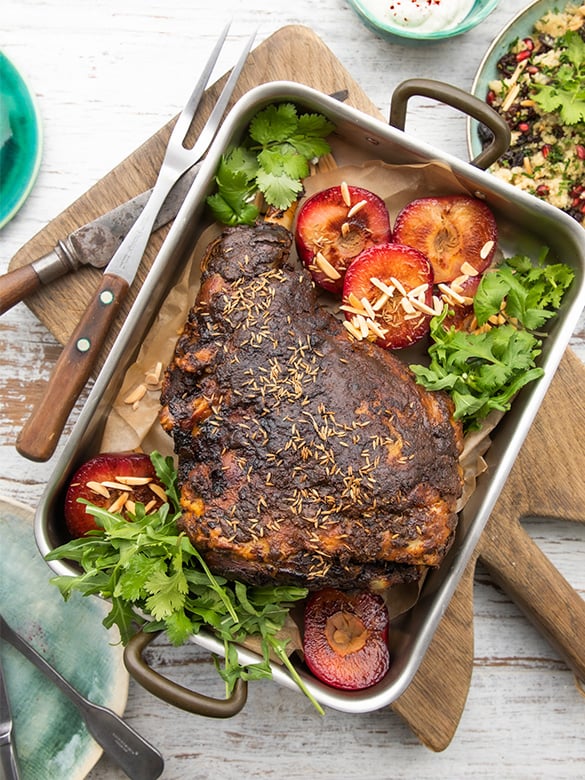
Credit: www.australianlamb.com.au
Conclusion
This Moroccan leg of lamb recipe brings bold flavors to your table. The blend of spices creates a warm, rich taste. Cooking the lamb slowly makes it tender and juicy. Serve with couscous or fresh salad for a complete meal.
Try this dish for a simple yet special dinner. Enjoy the taste of Morocco in your own kitchen.