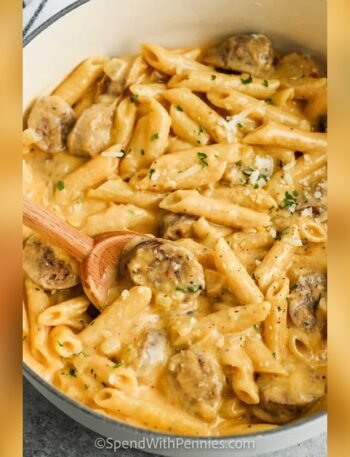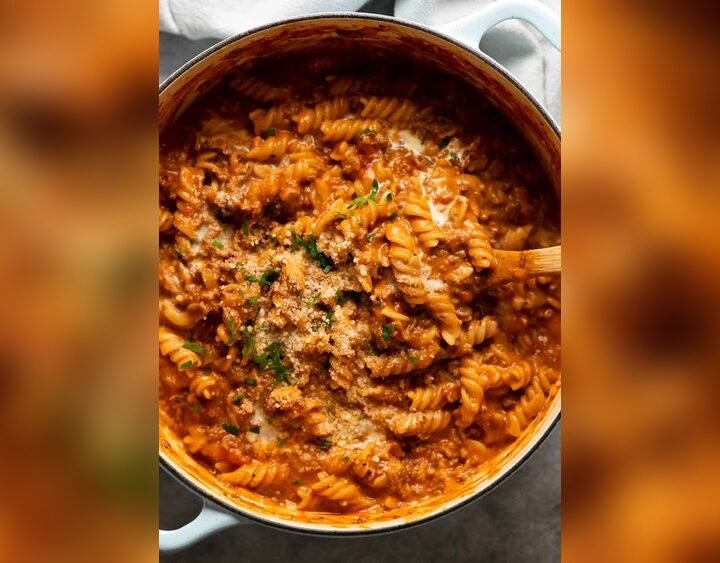
One Pot Pasta With Creamy Tomato Sauce: My Honest Experience
There are days when I want something comforting but have zero energy to wash a mountain of dishes. That’s when my one pot pasta with creamy tomato sauce comes to the rescue. I’ve made this dish dozens of times—sometimes after a long day, sometimes for a group of hungry friends. It always works. If you’re looking for a simple, flavorful meal with minimal cleanup, this recipe is for you.
Why One Pot Pasta Is A Game-changer
Cooking pasta in one pot honestly feels like a kitchen hack. You toss everything—pasta, sauce ingredients, water—into the same pot. As the pasta cooks, it soaks up all the flavors, and the starch helps make the sauce extra creamy. There’s no draining, no juggling multiple pans.
I first tried this method when I was short on time and ingredients. It felt risky, but the results were surprisingly delicious. Now, I actually prefer it over traditional pasta. It saves time, effort, and I don’t end up with a pile of dirty dishes.
Ingredients You’ll Need
Here’s everything I use for my go-to creamy tomato one pot pasta. Most of these are pantry staples, so you might already have them at home.
- Pasta: 12 ounces (340g) penne, fusilli, or spaghetti
- Olive oil: 2 tablespoons
- Garlic: 3 cloves, minced
- Onion: 1 small, finely chopped
- Crushed tomatoes: 1 can (14 ounces/400g)
- Vegetable or chicken broth: 3 cups (720ml)
- Heavy cream: 1/2 cup (120ml)
- Parmesan cheese: 1/2 cup (50g), grated
- Dried Italian herbs: 2 teaspoons (basil, oregano, or a mix)
- Salt and pepper: To taste
- Sugar: 1 teaspoon (optional, balances acidity)
- Fresh basil: Handful, chopped (optional, for topping)
- Red pepper flakes: A pinch (optional, for a little heat)
This amount makes about four generous servings. You can easily double it if you have a bigger group.
Ingredient Insights
- Pasta type matters: Short shapes like penne or fusilli cook evenly and hold sauce well. Spaghetti works, but stir it more often to prevent sticking.
- Broth over water: Using broth instead of water adds so much flavor. I’ve tried both, and the difference is clear.
- Heavy cream: I’ve swapped this with half-and-half or even milk in a pinch, but real cream gives the silkiest sauce.
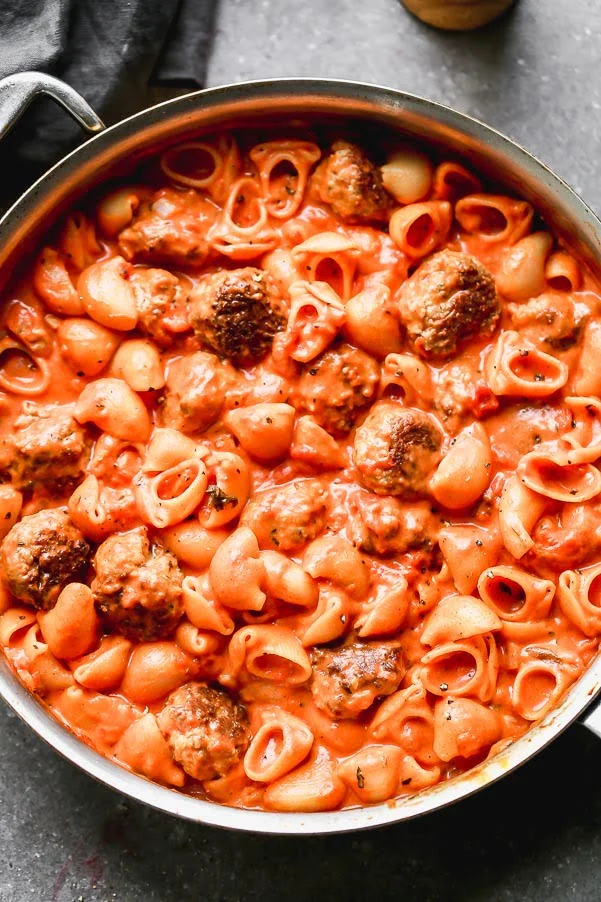
Step-by-step Cooking Instructions
Making this one pot pasta is as simple as it gets. Here’s how I do it every time:
- Heat the pot: Pour olive oil into a large, deep skillet or Dutch oven. Set to medium heat.
- Sauté aromatics: Add chopped onion and cook until soft (about 2–3 minutes). Add minced garlic and cook for 30 seconds until fragrant.
- Add tomatoes and herbs: Stir in crushed tomatoes, dried herbs, and sugar if using. Season with salt and pepper.
- Add pasta and broth: Pour in the dry pasta and broth. Make sure the pasta is just covered by liquid. If it isn’t, add a bit more broth or water.
- Simmer uncovered: Bring to a gentle boil. Stir often, especially at the start, so the pasta doesn’t stick together.
- Cook until al dente: Let it simmer for 10–12 minutes, stirring every few minutes. The sauce will thicken as the pasta cooks.
- Make it creamy: When the pasta is almost done, lower the heat and stir in the heavy cream and parmesan. Mix well until the sauce looks smooth and creamy.
- Finish and serve: Taste and adjust salt or pepper if needed. Top with fresh basil and a sprinkle of red pepper flakes, if you like.
From start to finish, this takes about 25 minutes. No draining, no fuss.
What Makes This Pasta So Creamy?
The creaminess comes from two things: the heavy cream and the starch released by cooking the pasta in the sauce. When I first made it, I was amazed at how thick and silky the sauce turned out—no flour or thickeners needed.
If you want it extra rich, you can add more cream or cheese. Sometimes I even stir in a spoonful of cream cheese for a tangy twist.

Real-life Tips And Common Mistakes
I’ve learned a few things after making this pasta again and again. Here’s what can make or break your one pot pasta:
- Don’t overcook the pasta. It keeps softening even after you turn off the heat. Aim for just al dente.
- Stir often. Especially at the start, so the pasta doesn’t clump or stick to the bottom.
- Watch the liquid. If it looks dry before the pasta is done, add a bit more broth. If it’s too watery, let it simmer a little longer.
- Add vegetables or protein. Sometimes I throw in spinach, mushrooms, or cooked chicken for variety.
- Cheese melts best when heat is low. Add parmesan at the end to keep the sauce smooth.
Many first-timers don’t realize the timing is flexible. If you want a thinner sauce, stop cooking sooner. For thicker sauce, give it a couple more minutes.
Nutrition And Serving Suggestions
One pot pasta with creamy tomato sauce is hearty and satisfying. Each serving (about 1 1/2 cups) has roughly:
- Calories: 430
- Protein: 14g
- Fat: 17g
- Carbs: 56g
- Fiber: 4g
It’s not the lightest meal, but it’s pure comfort food. I like serving it with a simple green salad or steamed veggies. Garlic bread on the side makes it even better.
How It Compares: One Pot Vs. Traditional Pasta
After making both styles for years, here’s how I’d compare them:
| One Pot Pasta | Traditional Pasta | |
|---|---|---|
| Cooking Time | 25 minutes | 35 minutes |
| Dishes to Wash | 1 pot | 2–3 pans |
| Sauce Texture | Creamy, thick | Can be watery |
| Flavor | More intense | Classic |
Customization Ideas
The best part of this recipe is how flexible it is. Here are some fun ways I’ve changed it up:
- Add protein: Grilled chicken, shrimp, or sausage go well. Add them at the end so they don’t overcook.
- Make it vegan: Use coconut cream and skip the cheese. Nutritional yeast adds a cheesy flavor.
- Sneak in veggies: Bell peppers, spinach, zucchini, or peas can be tossed in with the pasta.
- Try different cheeses: Mozzarella makes it gooey, while a little gorgonzola adds sharpness.
If you want more ideas, I found some creative twists on BBC Good Food that are worth checking out.
My Honest Thoughts: The Good And The Not-so-good
What I love most is how stress-free this dish is. It tastes rich and homemade, but I don’t need fancy skills. It’s also budget-friendly and works with whatever’s in my fridge.
But I’ll be real—if you want super al dente pasta, the one pot method isn’t always perfect. The pasta can get a bit softer than traditional boiled pasta, especially if you’re not careful with timing. Also, if you use spaghetti, you need to stir more so it doesn’t stick together.
Still, for most nights, the convenience wins out. The flavor and creaminess are hard to beat.
Frequently Asked Questions
Can I Use Gluten-free Pasta?
Yes, but watch the cooking time. Gluten-free pasta cooks faster and can get mushy if left too long. Stir gently and check often.
How Do I Store And Reheat Leftovers?
Cool leftovers quickly and store in an airtight container for up to 3 days. To reheat, add a splash of milk or broth and warm on the stove over low heat, stirring until creamy again.
Can I Freeze One Pot Pasta With Creamy Tomato Sauce?
I don’t recommend it. Cream sauces often separate when frozen and reheated. It’s best enjoyed fresh or within a couple of days.
What Can I Use Instead Of Heavy Cream?
Half-and-half, whole milk, or unsweetened oat cream work as substitutes. The sauce will be a bit less rich, but still delicious.
Why Is My Sauce Too Thick Or Too Thin?
If it’s too thick, add a little more broth or milk. If it’s too thin, let it simmer uncovered for another minute or two, stirring often. The sauce thickens more as it cools.
If you’re looking for a comforting, easy meal, one pot pasta with creamy tomato sauce is a winner in my book. It’s simple, adaptable, and always hits the spot—especially on busy nights. Try it once, and you’ll see why it’s become a staple in my kitchen.