
Pumpkin Ravioli With Sage And Walnut Parmesan: My Honest Experience
Pumpkin ravioli with sage and walnut parmesan is one of those dishes that always makes me feel like I’m eating something special. The first time I made it, I was nervous. Pasta seemed complicated, and I wasn’t sure about the pumpkin filling.
But after tasting the final dish, I realized it’s easier than it looks—and totally worth the effort.
Let me walk you through my experience making pumpkin ravioli from scratch, with honest tips and real-life advice. If you love Italian food or want to impress someone, this recipe is a great choice. It’s cozy, flavorful, and has a wonderful balance of sweet and savory.
Why Pumpkin Ravioli Is Worth Making
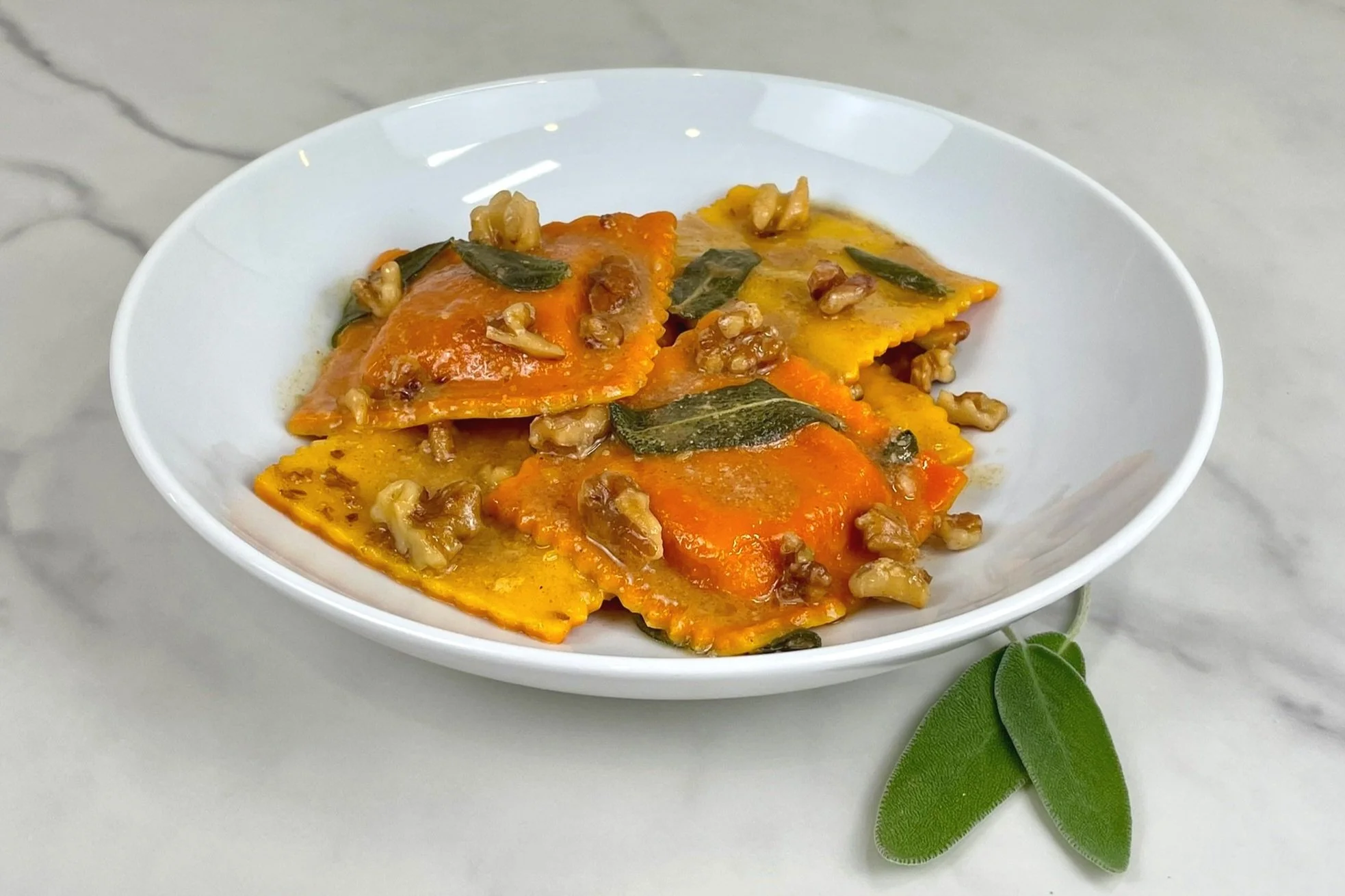
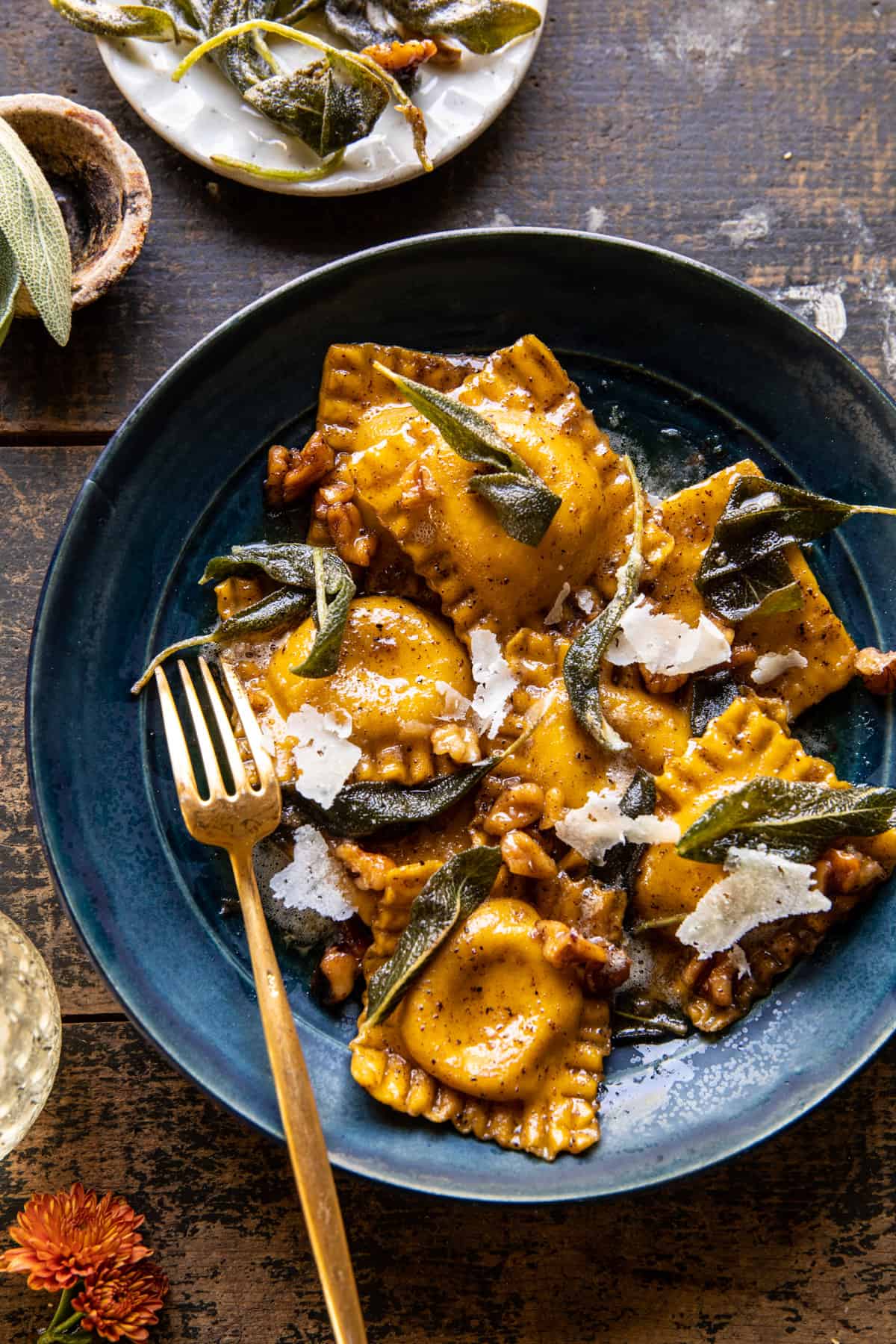
Pumpkin ravioli feels fancy, but it’s actually simple. The filling is creamy and a bit sweet, which pairs well with the earthy taste of sage and the crunch of walnuts. Adding parmesan brings a salty finish that ties everything together.
I first tried this dish at a local Italian restaurant, but making it at home felt more rewarding. You control the ingredients, and the freshness is unbeatable. If you’ve never made pasta before, don’t worry. I’ll share step-by-step tips, mistakes I made, and how to get the best results.
Ingredients You’ll Need
Here’s what I used for four servings. You can double the recipe if you want leftovers.
- 2 cups all-purpose flour
- 3 large eggs
- 1 cup pumpkin puree (fresh or canned)
- 1/2 cup ricotta cheese
- 1/4 cup grated parmesan
- 1/4 teaspoon nutmeg
- Salt and pepper to taste
- 4 tablespoons unsalted butter
- 12 fresh sage leaves
- 1/3 cup walnuts, chopped
- Extra parmesan for topping
I recommend using fresh pumpkin puree if you can. It gives a deeper flavor than canned. But canned works well if you’re short on time.
Making Pumpkin Ravioli: Step-by-step
I know homemade pasta can seem intimidating. The first time, I made mistakes but learned a lot. Here’s my process, broken down to make it easy.
1. Make The Pasta Dough
- Pour flour onto a clean surface.
- Create a well in the center, crack in the eggs.
- Mix with a fork, then knead by hand for 8-10 minutes.
- The dough should feel smooth and elastic.
- Wrap in plastic and rest for 30 minutes.
Tip: If dough feels dry, add a few drops of water. If sticky, sprinkle flour.
2. Prepare The Filling
- Combine pumpkin puree, ricotta, grated parmesan, nutmeg, salt, and pepper.
- Mix until smooth.
- Taste and adjust seasoning.
3. Roll Out The Dough
- Divide dough in half.
- Roll each piece into thin sheets (about 1/16 inch thick).
- If you have a pasta machine, it saves time.
- If not, use a rolling pin and patience.
4. Assemble Ravioli
- Place small teaspoons of filling on one sheet, spaced 1 inch apart.
- Lay second sheet on top.
- Press around filling to seal.
- Cut into squares with a knife or ravioli cutter.
5. Cook Ravioli
- Bring salted water to a boil.
- Drop ravioli in gently.
- Cook for 3-4 minutes, until they float.
Common mistake: Overfilling ravioli makes them burst. Keep the filling small and seal edges tightly.
6. Prepare Sage Walnut Parmesan Sauce
- Melt butter in a pan over medium heat.
- Add sage leaves, cook until crispy.
- Stir in walnuts, toast for 1 minute.
- Toss cooked ravioli in sauce.
- Sprinkle extra parmesan on top.
Cooking Time And Serving Size
- Prep time: 40 minutes
- Cook time: 15 minutes
- Total time: 55 minutes
- Serving size: Four generous portions
If you’re cooking for more people, double the ingredients. Ravioli can be frozen before cooking, which helps if you like meal prep.
Real-life Tips And Insights
When I made pumpkin ravioli the first time, I learned a few things that recipes don’t always mention.
- Pumpkin moisture matters. If using homemade puree, drain it well. Too much water makes the filling sloppy.
- Don’t rush the dough. Resting dough gives better texture and makes rolling easier.
- Sage burns fast. Watch the butter closely. Sage leaves turn crisp quickly, and burnt butter tastes bitter.
- Walnuts add crunch. If you skip them, the texture feels flat. Toasting walnuts makes them taste richer.
- Parmesan quality counts. Freshly grated is best. Powdered versions don’t melt the same way.
I also noticed ravioli tastes better the next day. The flavors deepen overnight, especially the pumpkin and sage.
How Pumpkin Ravioli Stacks Up
I tried store-bought pumpkin ravioli before making it myself. Here’s how homemade compares:
| Aspect | Homemade | Store-Bought |
|---|---|---|
| Flavor | Rich, fresh, balanced | Mild, often bland |
| Texture | Tender, creamy filling | Thicker pasta, less filling |
| Cost | Lower (ingredients only) | Higher (packaged) |
| Customization | Full control | Limited |
Homemade ravioli wins in flavor and texture. The only downside is the time and effort, but the result is worth it.
Credit: www.prepmyrecipe.com
Nutritional Data
Pumpkin ravioli isn’t just tasty—it’s nutritious. Pumpkin is high in vitamin A and fiber. Ricotta and parmesan add protein and calcium, but watch the butter if you’re counting calories.
| Nutrient | Per Serving |
|---|---|
| Calories | 450 |
| Protein | 15g |
| Fat | 18g |
| Carbohydrates | 52g |
| Fiber | 4g |
| Vitamin A | 160% Daily Value |
This makes it a good choice for a balanced meal. If you want to make it lighter, use less butter or swap ricotta for low-fat cheese.
Areas For Improvement
No recipe is perfect. Here are things I’d change next time:
- Try adding a pinch of cinnamon to the filling for more warmth.
- Use roasted pumpkin for deeper flavor.
- Test other nuts (like pecans) for different crunch.
- Make smaller ravioli for easier serving.
- Experiment with gluten-free flour for friends with allergies.
I always encourage adjusting the recipe. Cooking is personal, and small changes make it yours.

Credit: cooking.nytimes.com
Common Mistakes To Avoid
- Not draining pumpkin puree: Leads to watery filling.
- Overcooking ravioli: Makes pasta mushy.
- Underseasoning filling: Results in bland taste.
- Using old parmesan: Doesn’t melt well.
- Forgetting to seal edges: Ravioli bursts during cooking.
Learning from these mistakes saved me time and stress on later tries.
Frequently Asked Questions
How Can I Make Pumpkin Ravioli Ahead Of Time?
You can assemble ravioli, place them on a tray, and freeze before cooking. They stay fresh for up to two months. Cook directly from frozen, adding 1-2 extra minutes.
Can I Use Canned Pumpkin Instead Of Fresh?
Yes, canned pumpkin works well. Make sure it’s pure pumpkin, not pie filling. Drain excess water for best texture.
What’s The Best Way To Toast Walnuts?
I use a dry skillet over medium heat for 2-3 minutes. Stir often, and watch closely to avoid burning. Toasting boosts flavor and crunch.
Are There Vegetarian Alternatives For Parmesan?
You can use vegetarian hard cheese instead of parmesan. Some brands offer similar taste and texture without animal rennet. For more info, check Wikipedia.
Is Pumpkin Ravioli Suitable For Kids?
Yes, kids usually enjoy the mild, sweet pumpkin filling. You can reduce sage if they don’t like strong flavors. Use smaller ravioli for easier eating.
Pumpkin ravioli with sage and walnut parmesan is now one of my favorite comfort foods. It’s a dish that feels homemade and special, perfect for fall or any time you want something cozy. If you try it, I think you’ll love it as much as I do.
Don’t be afraid to experiment and make the recipe your own—cooking should be fun and personal.
Credit: www.halfbakedharvest.com