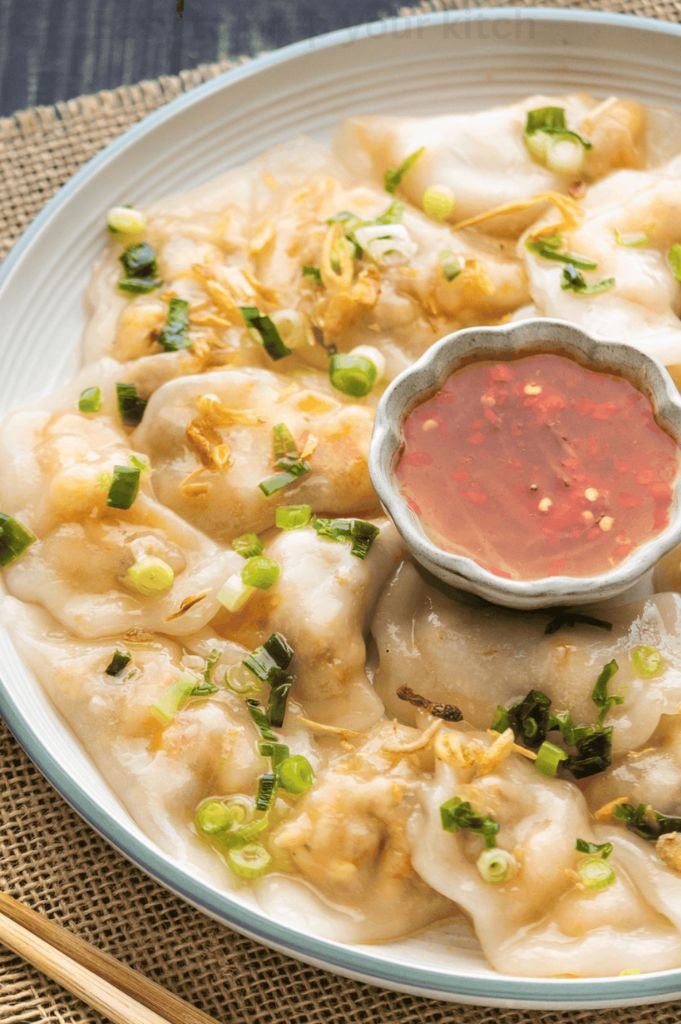
Among these, Bánh Bột Lọc feels extra special. The wrapper, made from tapioca starch or tapioca flour, turns clear like crystal after it is boiled. The dumpling feels smooth and chewy, almost playful in each bite.
The filling often has shrimp, meat belly, or minced meat. On top, there are crispy fried shallots, and it is always served with sweet chili fish sauce. The mix of sweet, savory, and zesty flavors makes the dish shine.
This specialty comes from Hue, the old imperial city in central Vietnam. In the past, it was part of a royal Vietnamese feast. Today, it is still loved and cooked in homes. The boiled dumplings feel soft yet springy, and shaping each one takes time and practice. From my own cooking, I learned that these dumplings are not just food.
You can enjoy them steamed, fried, or even wrapped in the Teo Chew or Chinese style. Some are shaped like a pyramid, which looks beautiful. No matter the style, they are always a highlight. Making them turns an ordinary day into something joyful. For me, cooking these dumplings with family or friends is a memory worth keeping.
About My Bánh Bột Lọc Recipe
A few years ago, I travelled through Vietnam with my family. I was determined to make these dumplings from scratch. What amazed me most was the unique aspect of this Vietnamese snack. The wrapper is made from tapioca starch. Once cooked or quickly blanched in cold water, it becomes clear, glossy, and almost see-through.
The dough looks jelly-like, like fish, and has a shiny appearance. Each bite has a chewy texture that awakens all the senses. I still remember my first attempt in a tiny kitchen abroad. Simple tricks, like quickly cooling the dumplings in cold water, can change the dish’s feel completely. Now, making it at home, I share these moments with my family
It turns into a fun, easy, and sensory cooking experience. It also shows the charm of authentic Vietnamese cuisine.
The dumplings you’ll fall in love with
The first time I tried Bánh Bột Lọc from a local Vietnamese vendor, it was love at first bite. These delicate dumplings had a chewy skin made with tapioca starch. They felt smooth, like silken sheets on my tongue. Inside, the filling of meat and shrimp was flavorful and balanced. It tasted like true authentic Vietnamese cuisine.
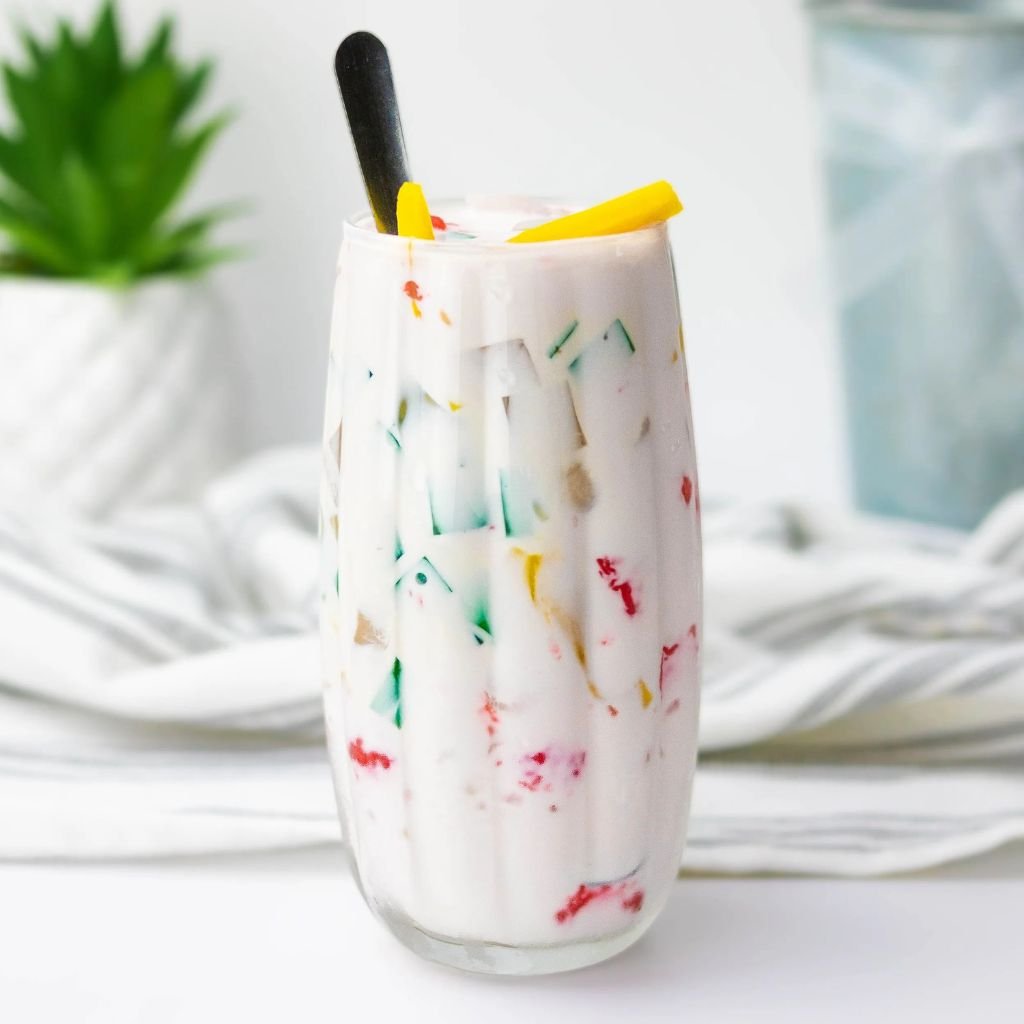
I remembered when my Aunty, one of the best home cooks, taught me family recipes like Thạch Dừa (Vietnamese Coconut Jelly) and Bì Chay (Vegetarian Shredded Pork). Those street food days gave me a deep love for the taste and the experience of these dishes.
Over time, I grew determined to perfect this recipe. After five big bags of tapioca, I got the right chewy texture and soft spring. That is what makes each bite so good.
The wrapper must wrap the filling pockets well so they slide effortlessly into your mouth. When you start chewing, you reach the center. It feels like finding jewels, a real treasure, with small gems of meat and shrimp full of flavor.
If you like noodle dishes such as chicken tapioca noodle soup (Bánh Canh Gà), (Sữa chua) or want something silky and textural, these dumplings will make you indulge again and again. They bring authentic flavors, a smooth texture, and that light bounce as you keep on chewing.
Why this recipe works
The dough is mixed with salt, sugar, and oil. Each layer holds its own flavor. From my cooking, I saw that balance makes the dumplings taste better even before the filling is added.
Using annatto seed oil gives the shrimp and prawns a bright shine. The thin wrapping glows with color. I tried this step at home. My family said the dumplings looked better right away.
Brushing with scallion oil makes the dumplings fresh and savory. This step fixes the problem of dumplings tasting plain or heavy. It adds a light and clean finish.
From my kitchen, I learned a key tip. Focus on seasoning, careful layering, and simple glazing. These steps turn Bánh Bôt Loc into a dish that feels like it came from a Vietnamese restaurant. The best part—it is even better because you made it yourself. ✅
What you’ll need for my Bánh Bột Lọc
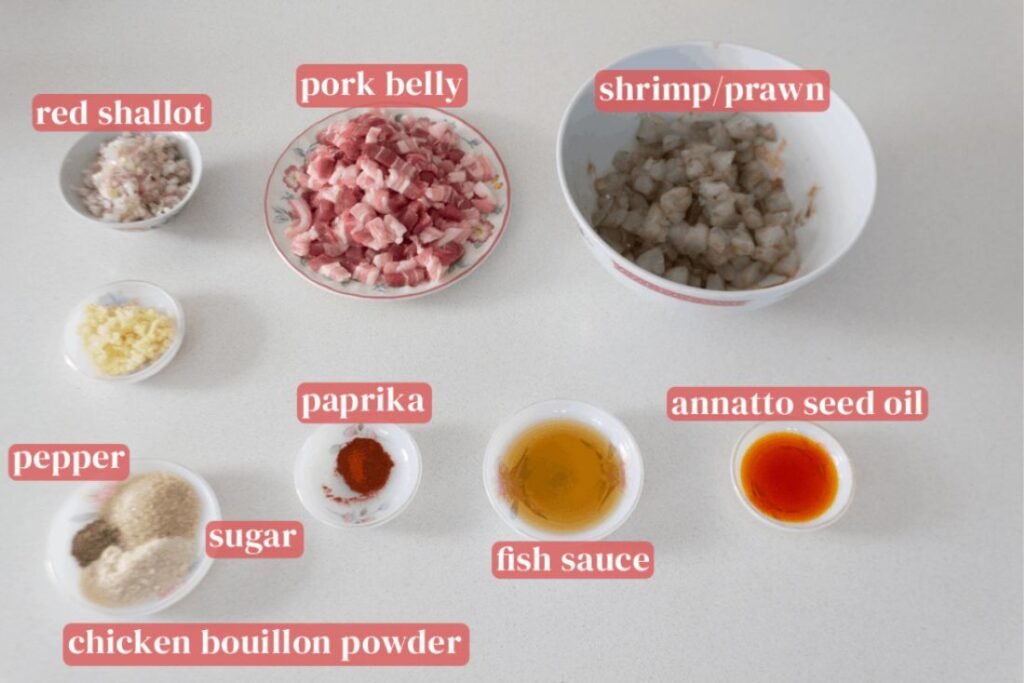
To make Bánh Bôt Loc, you need a mix of simple items and some special touches. I have cooked this many times, and the right ingredients make a big difference. Here is what you need:
✅ Ingredients for Bánh Bột Lọc
Shrimp shell – You can keep on or keep off the shells based on taste.
Meat belly – Gives a rich flavor and goes well with shrimp.
Small school prawns – Great for a soft texture and better bite.
Banh bot loc mix or tapioca starch – For that chewy, elastic dough.
Flour – Used with boiling water to create the right dough base.
Annatto seed oil – Adds a warm color and aroma.
Scallion oil – For finishing and extra flavor.
Fish sauce – A key Vietnamese taste enhancer.
Chicken bouillon powder (CBP) – For depth of flavor.
Garlic, sugar, salt, pepper – Basic seasoning.
Chilli, spring onion – For a fresh and spicy lift.
Fried shallots – Optional but adds crunch and aroma.
Water, ice cold water – For mixing and blanching.
1 onion, diced, 1-2 red chili, 1 lime, 4 tablespoons sugar, 1 cup chopped scallions – For extra flavor balance.
✅ Why these matter and how to use them:
Use shrimp shell for more flavor in the filling or stock. I sometimes deshell and finely chop the meat for a better fit in dumplings.
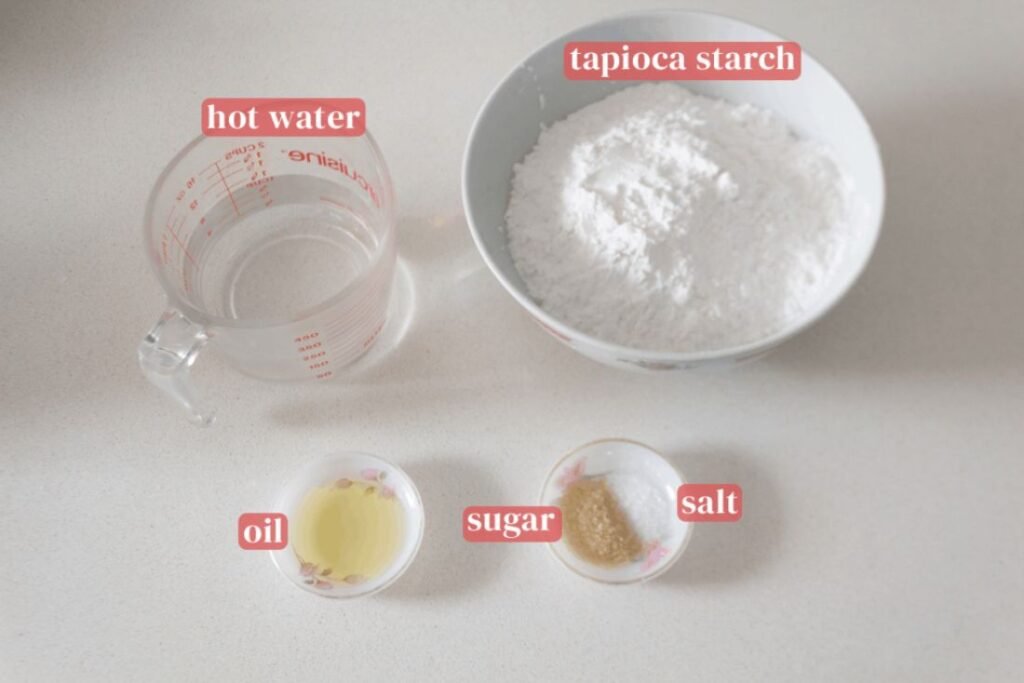
For the dough, mix tapioca starch, flour, and boiling water. It should feel like play-dough, elastic, and smooth.
Make mini balls with fingers or thumbs, flatten into circular discs about 2-3 inches in diameter, then add shrimp and Meat belly in the centre.
Fold into a semi-circle, seal, then boil for 8 minutes. After that, blanch in ice cold water for a translucent coating.
Adjust seasoning with fish sauce, garlic, sugar, and CBP. If your mixture feels too wet, add a little potato starch or corn starch.
I often try different brands like Erawan for tapioca starch because brands can change the final texture.
When you combine these steps, you create Vietnamese jelly-like dumplings that taste fresh, tangy, and savory. Trust me, once you master this, it feels like a marriage of flavors in every bite.
How to make this recipe
For the filling
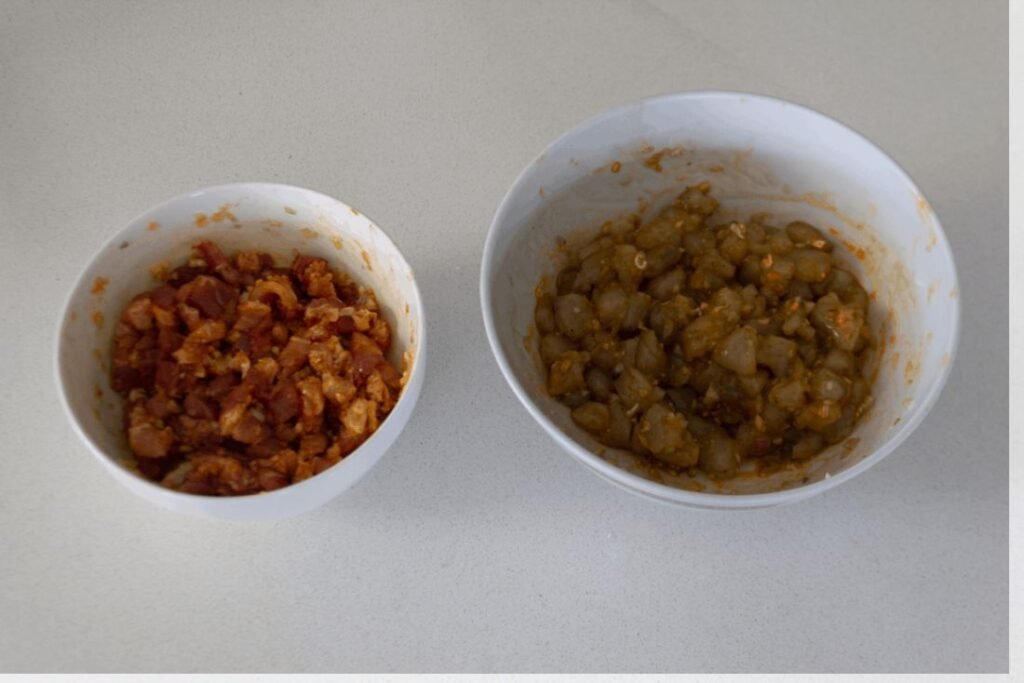
First, marinate the pork belly with 1/2 tbsp of annatto seed oil, 1/2 clove of chopped garlic, and 1/2 a chopped red shallot. Mix in 1/4 tbsp of white pepper, chicken bouillon powder, fish sauce, and 1 tsp of paprika.
Let it sit for 20 minutes so the flavors soak in. At the same time, marinate shrimp with the same seasoning for balance.
From my own cooking experience, this step gives the meat deep flavor and makes it tender. If you rush, you will lose that rich taste, so patience here really matters.
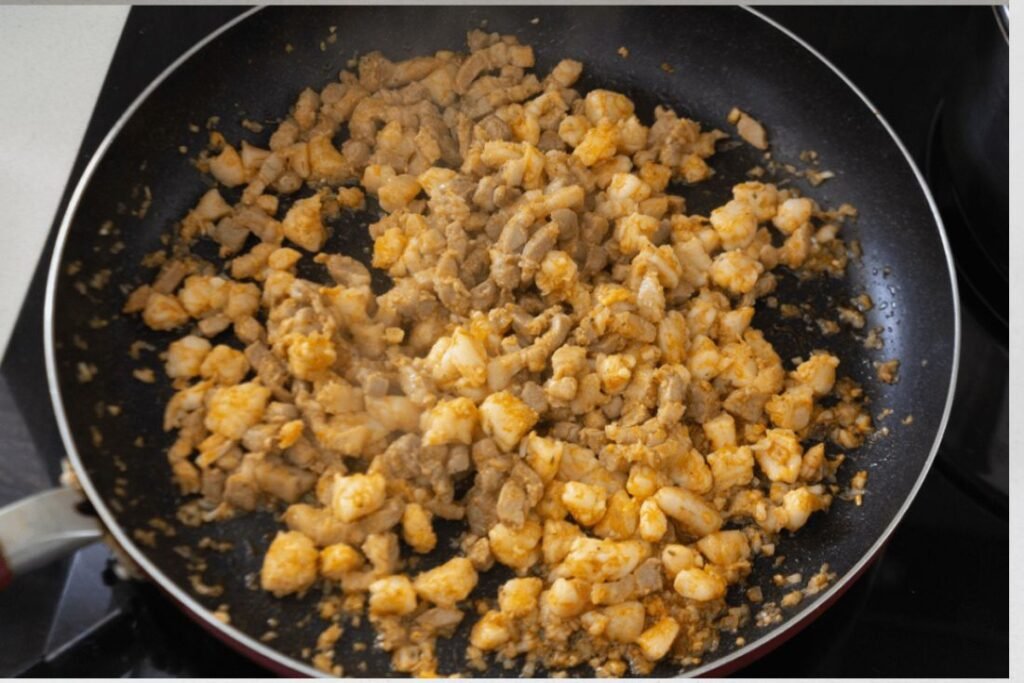
When ready, heat a pan with 3 tbsp of cooking oil on high heat. Stir fry the marinated pork belly for about 5 minutes until it’s 80% cooked, then add the marinated shrimp.
Cook for another 5 minutes until both are fully cooked through. Set aside and let it cool before moving on. From my personal kitchen practice, keeping the heat high makes a big difference – it gives the pork or meat a nice sear without drying it out, which is something I learned after testing this dish several times.
For the dough
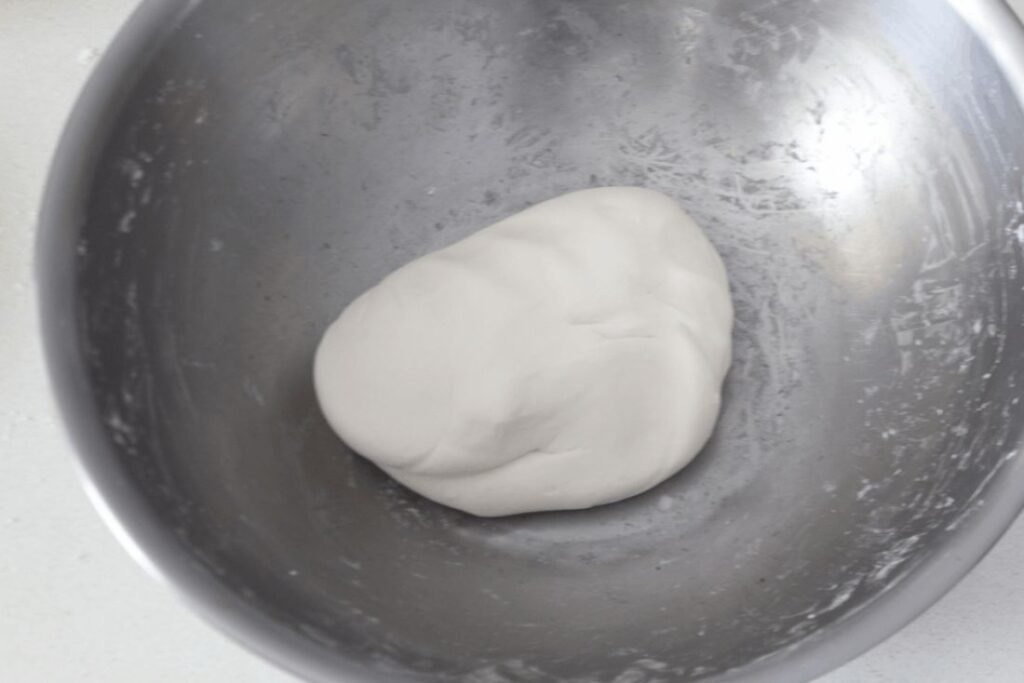
In a large bowl, combine tapioca starch, sugar, and salt. Pour in 1 cup of hot water over the starch mixture and mix well. At first, it will look crumbly, but don’t worry – that’s normal. Start kneading until a dry dough forms. Add oil and knead through for a smooth base. Then slowly pour in the remaining hot water while kneading again.
From my own hands-on cooking, I learned to go slow – adding water too fast makes the dough sticky and hard to control. Work the starch until you get a smooth dough with a texture like playdough. This patience pays off because it makes wrapping easier and helps prevent tearing later.
Wrapping the dumplings
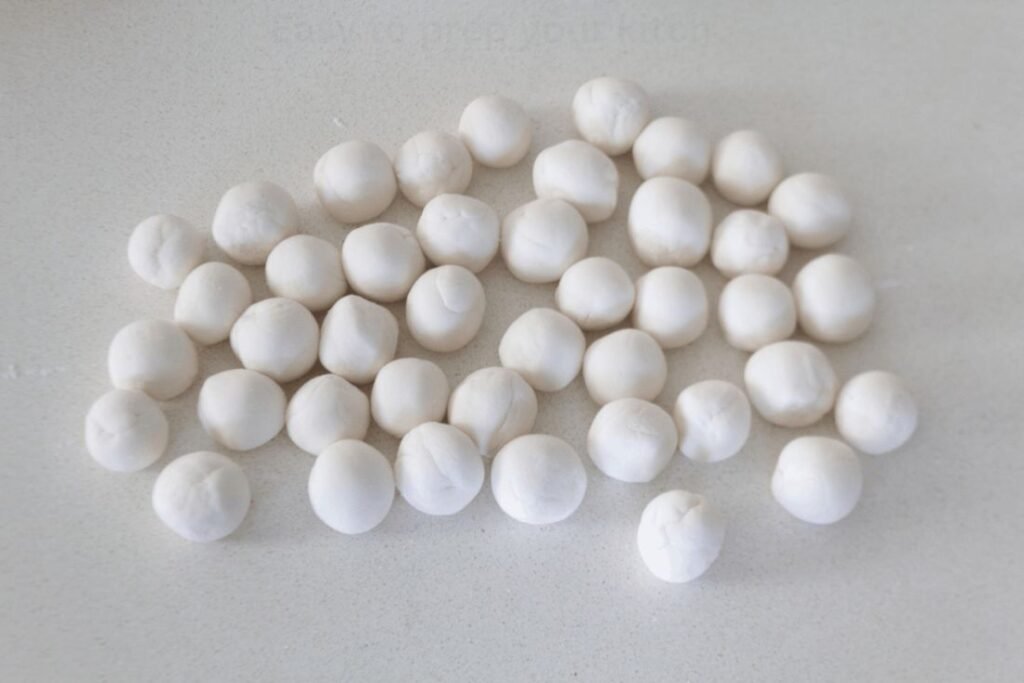
prepare Bánh Bột Lọc, I use the hand pressed method for the dough. I roll it into a long log and divide it into smaller portions. With my hands, I shape the segments into little balls and store them in a plastic bag so they don’t dry out.
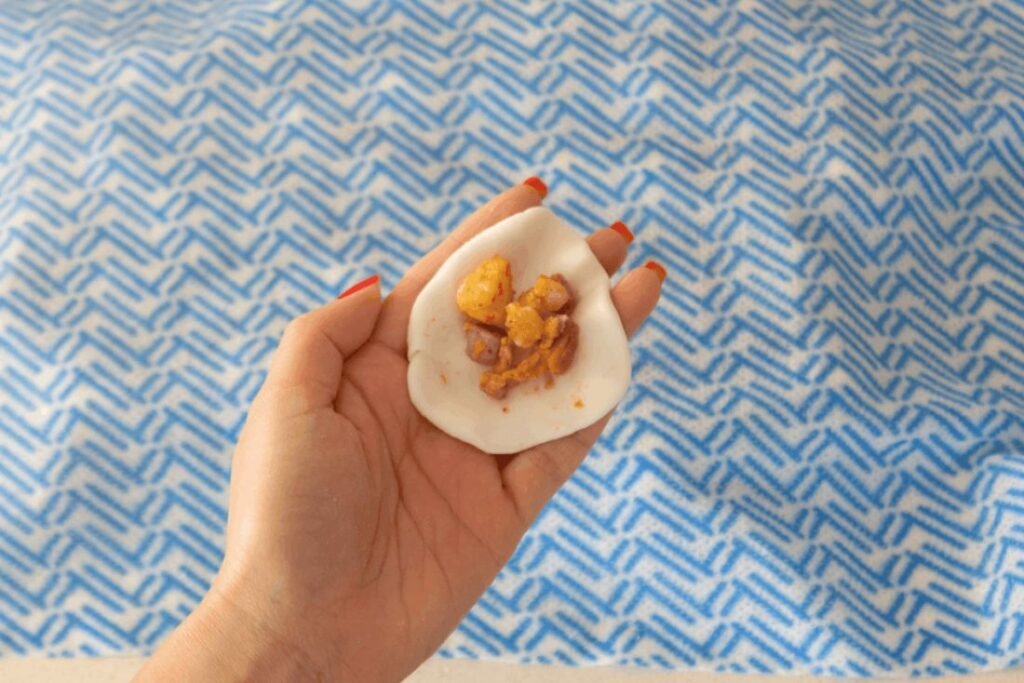
The size depends on how big you like them, but I usually go for roughly 1.5cm (0.6″). To shape, I flatten each ball with my palms, then use my thumb and index finger to press into a flattened dough circle about 10cm (4″) in diameter.
At this point, I fill each piece with about 1 tsp of the meat and shrimp filling, then fold the end over into a semi-circle. Be sure to seal the dumpling by touching edges and pressing tightly. I set them on a plate to rest. This foolproof method always yields a good balance between a thicker wrap or a thinner wrapper.
Rolling method
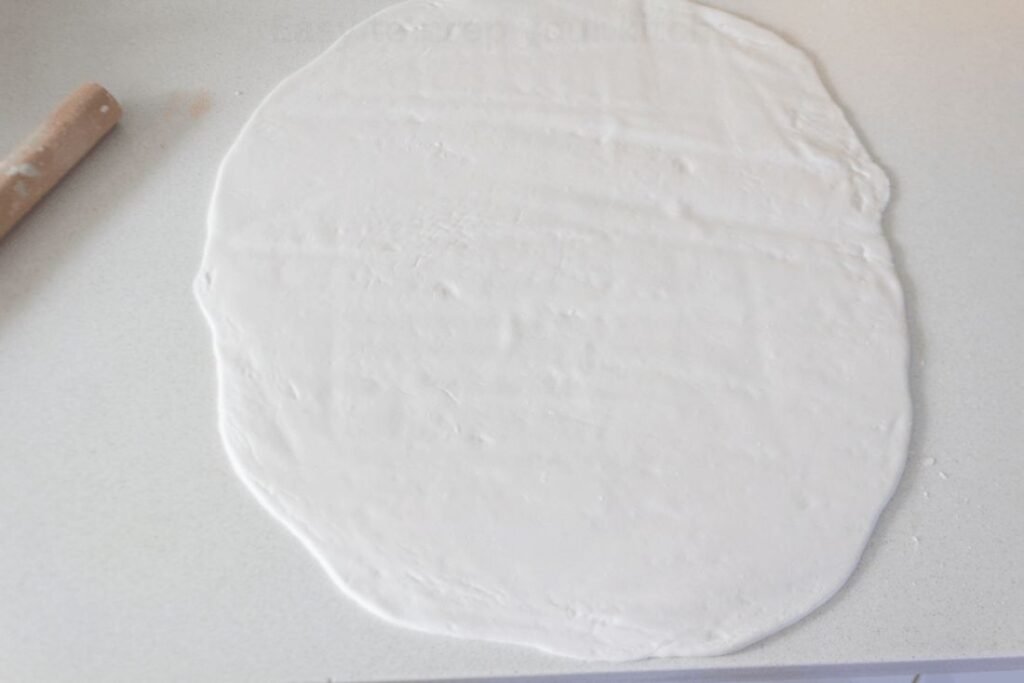
If you want them even thinner, you can see the next step. To solve this, I sometimes use a rolling pin to spread the unrolled balls into thin sheets around 2mm (0.08″).
Keep them moist while you work, and if one sticks, just fashion a new one.
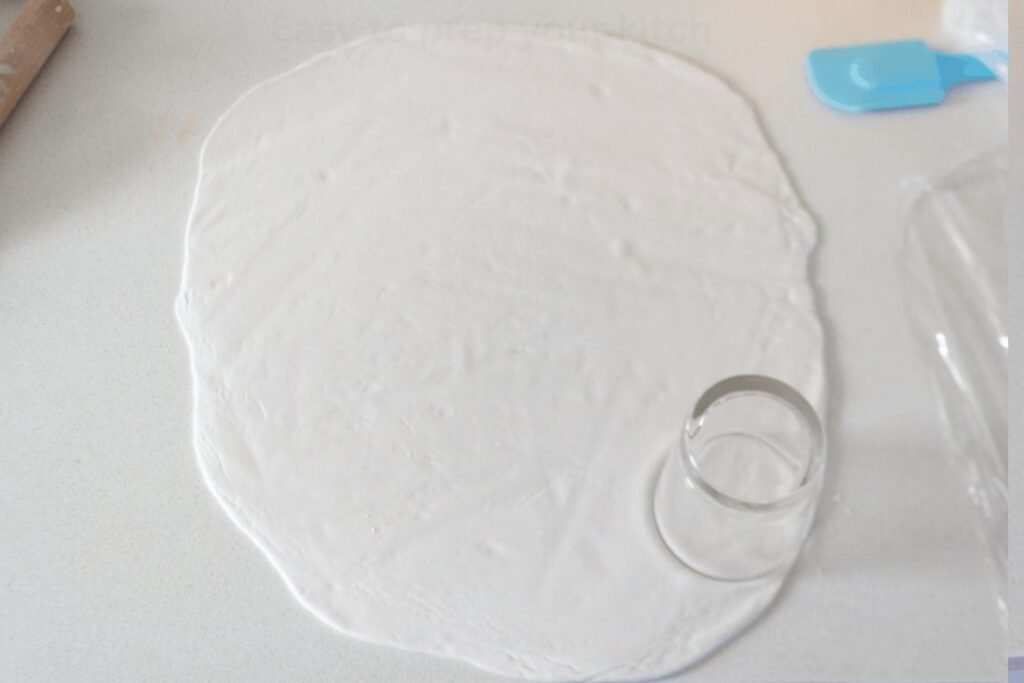
You can also start with the entire dough ball, press it flat, and use a round cookie cutter or a cup to cut out circles. This makes them easier to transfer before cooking.
Cooking the dumplings
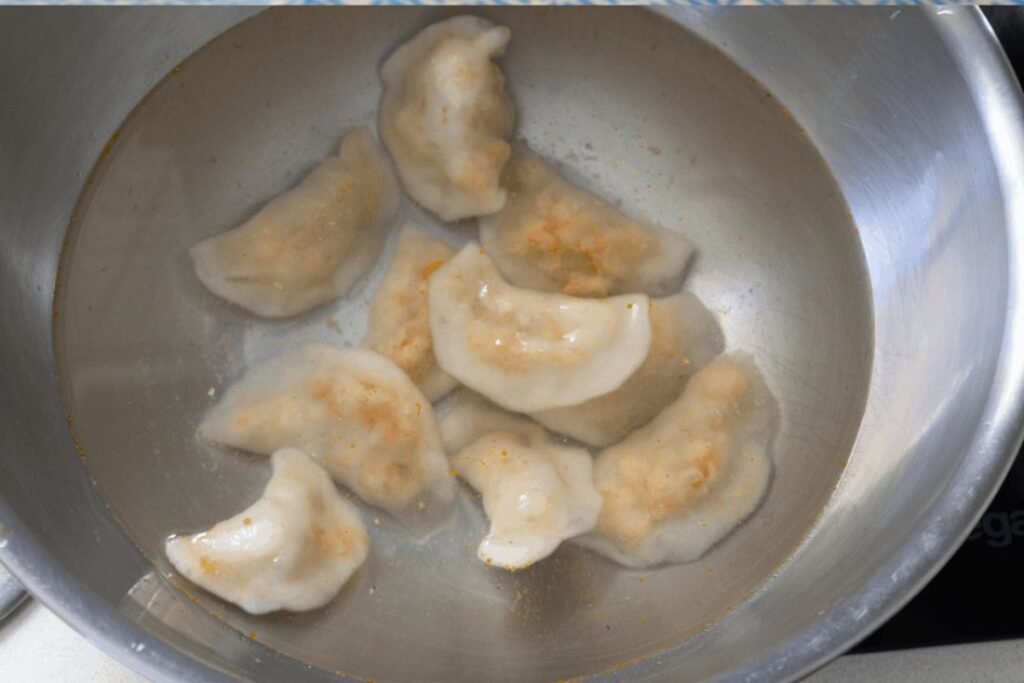
Next, I bring a pot of water to a boil and cook dumplings in batches, around 5–10 at a time, in a big pot to avoid overcrowding. I like to reduce cooking temperature once they’re in and let them go for approximately 10 minutes, until they start floating.
For the first batch, I always move them into a large bowl of cold water with a slotted spoon. This step makes the dumplings translucent and keeps them from sticking.
Making the scallion oil
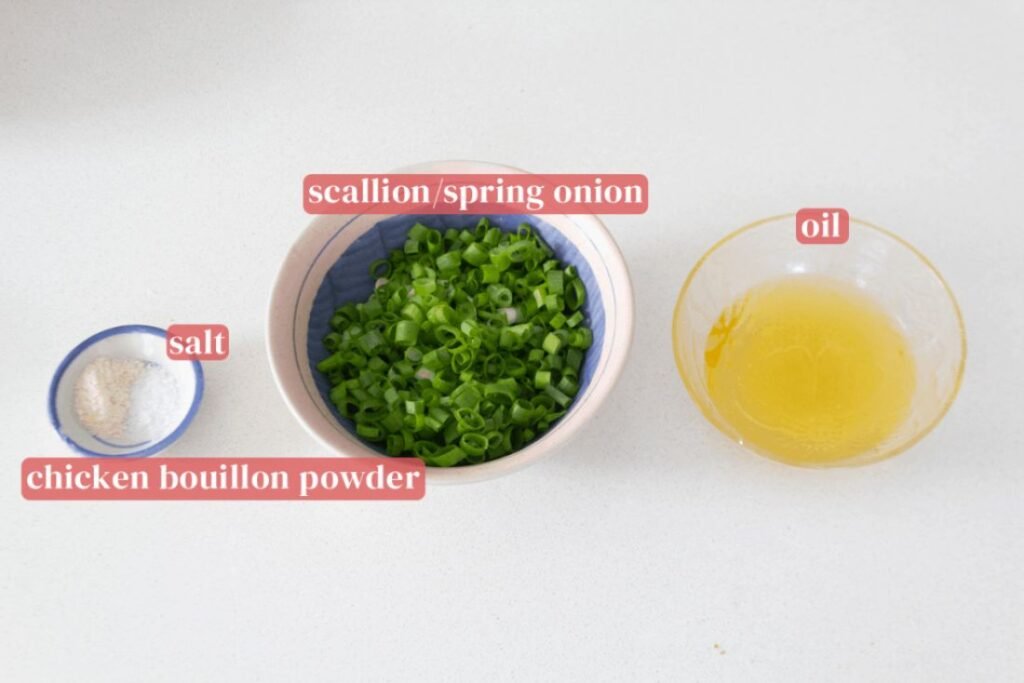
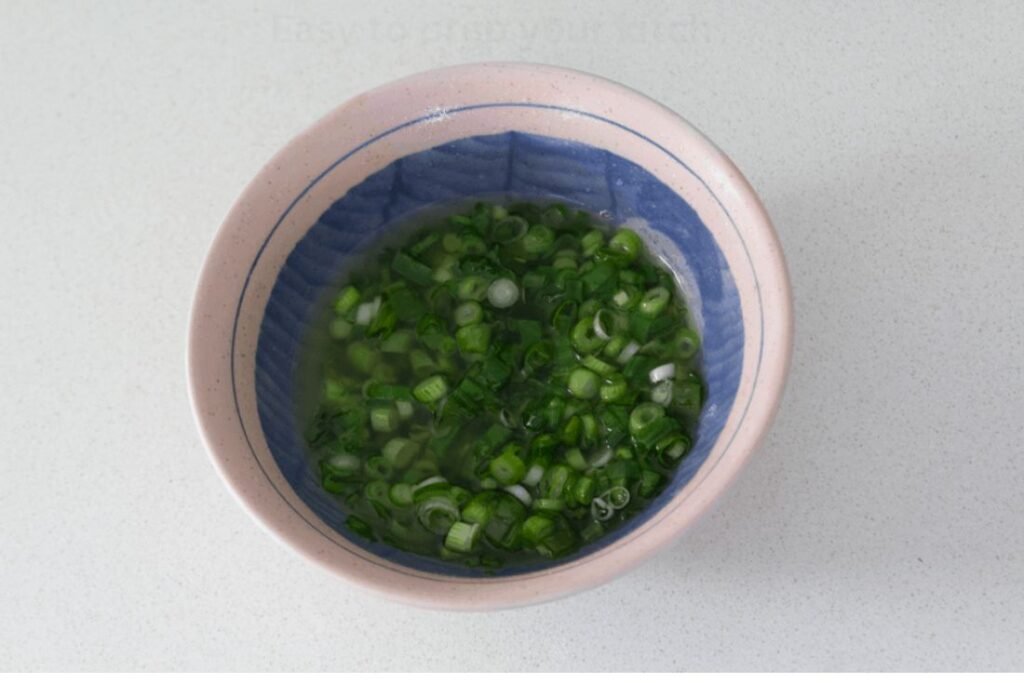
To finish, I mix chopped scallions, salt, and a touch of chicken bouillon powder. I then heat up oil until almost smoking and pour hot oil over the scallions. The quick sizzle creates fragrant scallion oil. I give it a stir until combined, then remove it with a spoon and drizzle over the dumplings.
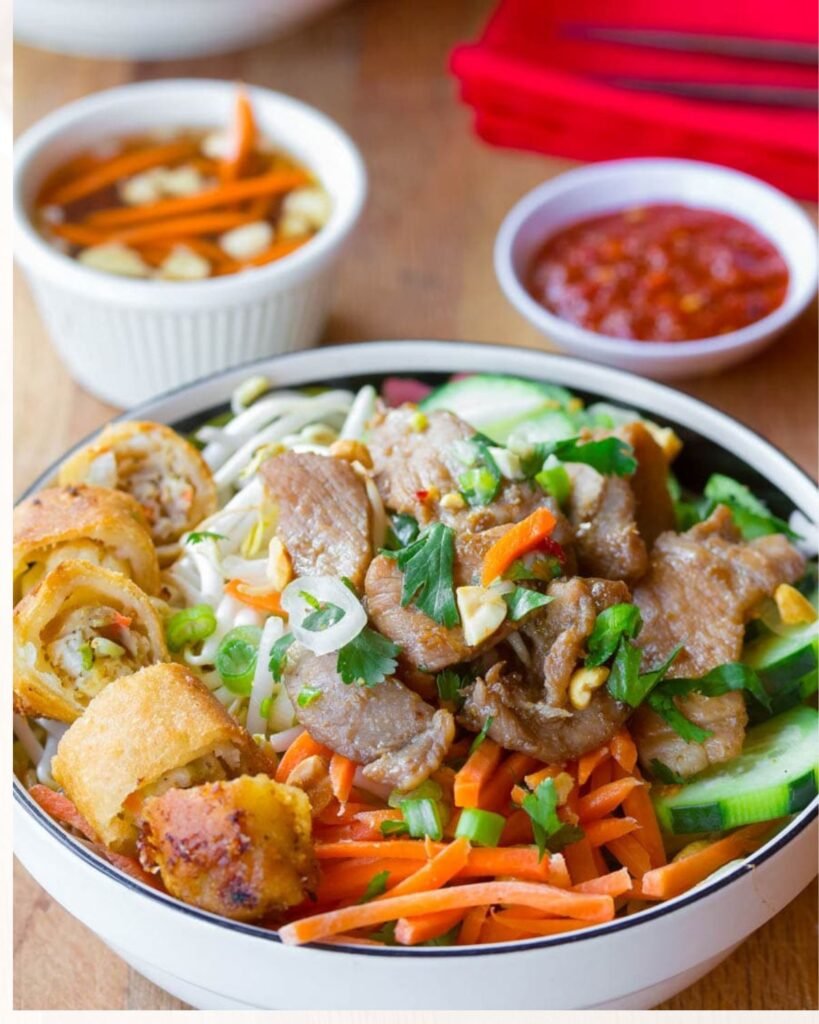
I love serving them warm and dipping into Vietnamese Dipping Sauce (Nước Mắm). The first time I made this, the aroma of the hot oil hitting the scallions reminded me of the street vendors in Vietnam, and it felt like bringing that memory right into my kitchen.
Tips for the best results
Roll dough thin and evenly I always make sure to roll the dough thin and evenly because it helps the dumplings cook faster and gives a less chewy bite. When the dough is too thick, it stays tough and never gets that clear, glossy look we all love.
Don’t overstuff the filling Too much filling can tear the wrapper and make it leak out while boiling. I learned this the hard way the first time I tried making these! A balanced amount makes it easier to wrap and keep everything sealed.
Cut filling ingredients finer When you cut the ingredients finer, they fit inside easily. This small step improves flavor and texture, so every bite tastes just right. I always chop shrimp and meat a bit smaller for better results.
Work quickly to avoid drying out The dough will dry if you leave it out for too long. This raises the risk of tearing during wrapping and cooking. I keep everything ready before I start so I can move fast.
Keep dough sealed when not being used Always store dough in a plastic bag or glad wrap when you’re not using it. This trick keeps it soft and easy to wrap later. I’ve done this for years, and it saves so much trouble.
Start with small batches Cooking too many at once can make things stressful and hurt the quality. Begin with a few pieces to stay in control and avoid mistakes. That’s what I do every time when I teach friends how to make this dish.
Vietnamese Steamed Tapioca Dumplings (Bánh Bột Lọc) are chewy and clear dumplings filled with shrimp and pork belly. They are wrapped in soft tapioca skin and steamed until tender. Served with sweet chili fish sauce, this Central Vietnam dish is simple to make and full of flavor.
Ingredients
Filling
1/2 lb meat belly (cut into 1/2” pieces)
1/2 lb shrimp (peeled, deveined, chopped)
1/2 c woodear mushroom (chopped)
1/2 small onion (chopped)
2 tsp oyster sauce
1 tsp fish sauce
1 tsp sugar
1 tsp chicken boullion
1/4 tsp salt
1/2 tsp black pepper
1 tsp chili powder (optional)
1 tsp sesame oil
Dough
1 bag/14oz tapioca starch
1 1/3 c boiling water
1 tsp salt
Additional Ingredients
1 pack frozen banana leaves (rinsed and wiped)
2 tbsp veggie oil
Instructions
1
Read first. Go through the full recipe before you start. It helps you see all steps and tools you need.
2
Prepare early. Measure your ingredients and get them ready. This keeps cooking smooth and fun.
3
Follow each step. Stay calm and take it slow. The dough may feel sticky at first — that’s normal.
4
Taste and adjust. Try one dumpling before cooking all. Add a bit more salt or fish sauce if you like.
Nutrition Facts
Servings 4
Serving Size ~140 g
Amount Per Serving
Calories427kcal
% Daily Value *
Total Fat18.6g29%
Saturated Fat3.8g19%
Cholesterol63mg21%
Sodium839mg35%
Potassium202mg6%
Total Carbohydrate52.3g18%
Dietary Fiber1.8g8%
Sugars2.1g
Protein8.9g18%
Vitamin A 130 IU
Vitamin C 1.6 mg
Calcium 41 mg
Iron 1.3 mg
Vitamin E 1.3 IU
Vitamin K 16 mcg
Folate 22 mcg
Biotin 2 mcg
Iodine 6 mcg
Magnesium 21 mg
Chromium 4 mcg
Chloride 145 mg
* Percent Daily Values are based on a 2,000 calorie diet. Your daily value may be higher or lower depending on your calorie needs.
Note
Use the right tapioca flour. It gives the chewy texture that makes this dish special. Mix slowly so the dough stays smooth and easy to shape.
Keep water warm, not hot. Warm water helps you form the dough without burning your hands or making it sticky.
Wrap the filling tight. Press the edges so the shrimp and pork stay inside when boiling.
Rinse in cold water. After cooking, drop the dumplings in cold water. This keeps them clear and springy.
Pin this recipe to share with your friends and followers.
Lauren Clark
Food and Kitchen Blogger
Hi, I'm Lauren Clark, a full-time Food and Kitchen Blogger, mother of 2 beautiful daughters and a lovely wife. I live in New Jersey with my family. I love traveling, sharing new recipes, reviewing kitchen tools, and spending time with my family.