7 Reasons to Love Bún ốc: A Light and Tangy Vietnamese Snail Soup
I’ve cooked this soup on busy mornings and quiet weekends. Sometimes on a hot, humid day that reminded me of a Florida garage in July. Other times during cold Midwest winters, when you want something warm but not heavy. Even in dry Arizona weather, this soup still makes sense. It’s light. It’s sharp. It wakes you up.
Snail noodle soup is not about power. It’s about balance. The broth needs control, not force. The snails need care, not pressure. Think of it like torque versus speed. Too much heat, and the texture fails. Too little, and the flavor feels flat.
I learned this the hands-on way. I’ve overcooked the snails. I’ve made the broth too sour. I’ve fixed both. That’s why I trust simple methods, good materials, and safe habits. Clean prep. Steady heat. A pot that heats evenly. A sharp knife that feels right in the hand. Ergonomics matter in cooking too.
This soup reminds me of how Americans work in real spaces. Garages. Home kitchens. DIY setups. You don’t need fancy gear. You need durability. Comfort. Control. Just like trusted tools people rely on every day, this recipe rewards patience and good technique.
If you want a noodle soup that feels fresh, honest, and real, this one delivers. No hype. No shortcuts. Just experience in a bowl.
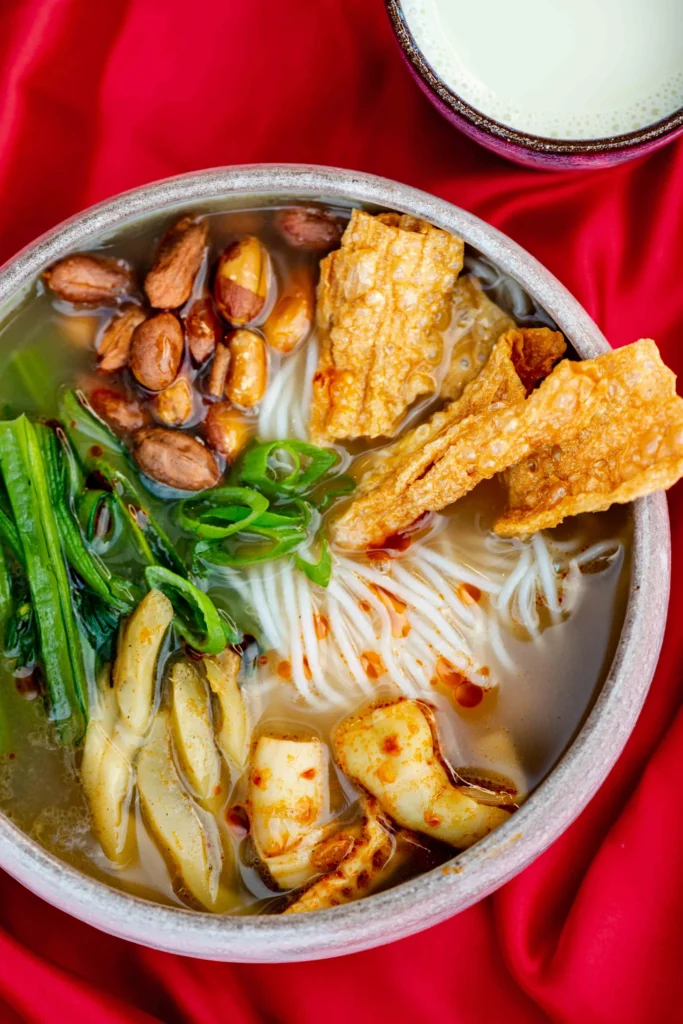
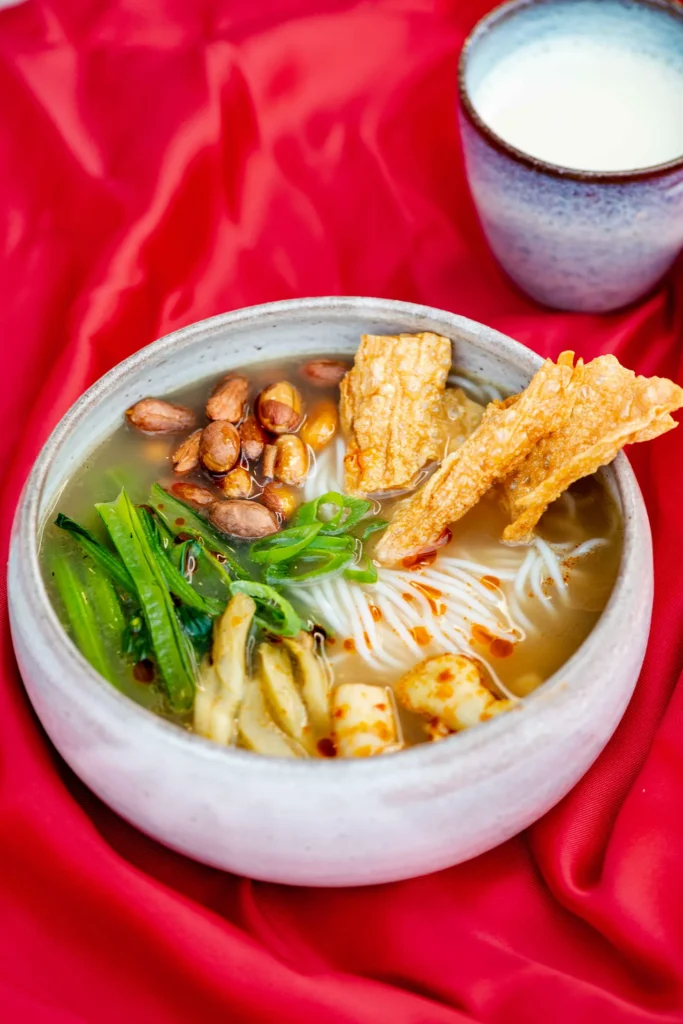
Bún ốc is one of those dishes that looks simple at first glance. Once you taste it, you feel there is more going on. I often describe it as a light and tangy Vietnamese noodle soup that wakes you up instead of slowing you down. People usually eat it in the morning or early afternoon. It works best when you want something warm but not heavy. It feels like everyday food, yet it carries real character.
Bún ốc stands out because it focuses on balance, not richness. The broth stays clear and gently sour. The noodles feel soft and light. The snails add texture without taking over the bowl. That balance is what sets it apart from many other Vietnamese noodle soups and makes it easy to remember.
Origins in Northern Vietnam
This dish comes from Northern Vietnam, especially Hanoi. You can feel that background in how the soup eats. It grew from street food, not from formal kitchens. Vendors cooked it early in the morning and served it right on the sidewalk. People ate it before work or school, often in a hurry. The food needed to be fast, light, and filling.
Weather shaped the dish over time. Northern Vietnam has cool winters and humid summers. Bún ốc works in both seasons. On cold days, the warm broth feels comforting. On hot days, the sour edge keeps it fresh. When I cook it now, I still think about those shifts and keep the soup light and flexible.
How Bún Ốc Is Different From Phở or Bún Bò
Many people compare Bún ốc to phở or bún bò, but the experience is very different. Phở and bún bò rely on deep broths that simmer for hours. Those soups feel rich and heavy. Bún ốc moves in the opposite direction. The broth is lighter, brighter, and slightly sour.
The noodles also change the feel. Bún ốc uses thin rice vermicelli that stays soft and gentle. Snails replace beef as the main protein. That swap adds chew instead of richness. Because of this, you eat the soup faster, feel lighter, and often want another bowl.
Why I Started Making Bún Ốc at Home
I did not plan to cook this dish at first. It started with a craving on a quiet weekend morning. The sky was gray and the pace felt slow. I wanted comfort, but I did not want something heavy. I wanted the feeling of street food mornings, not restaurant meals. That was when Bún ốc came to mind.
Living in the U.S., I realized I could make it at home without much effort. Asian grocery stores now carry most of the ingredients. I also liked having full control over flavor and cleanliness. Cooking it myself felt calmer and more personal.
First Time Tasting It (Sensory Memory)
The first time I tasted Bún ốc, the smell stayed with me. Warm tomatoes filled the air. A gentle sour note followed. Fresh herbs lifted everything. The broth was quiet. It simmered softly, as if it had no rush. That sound alone made the kitchen feel peaceful.
When I ate it, the noodles slid easily across the spoon. The snails had a soft chew. Nothing competed for attention. Each bite felt balanced. That memory pushed me to learn how to cook it myself, even after making a few early mistakes.
Why Homemade Works Better for U.S. Kitchens
Making Bún ốc at home works well in U.S. kitchens. Ingredients are easier to find now, especially frozen freshwater snails and rice vermicelli. Tomatoes are available all year. Simple substitutes for tamarind also work when needed.
At home, I can control the sour level slowly and safely. I can keep my prep space clean and manage heat with care. That matters to me, especially when working with snails. It feels similar to good workshop habits. Steady steps. Clean tools. No rush.
Key Ingredients and Why They Matter
Bún ốc does not use many ingredients, but each one has a clear role. When something is off, you notice it right away. I learned this through trial and error, especially early on. Once I understood how each part worked, the dish became easier to manage.
This is not a recipe you rush. You cannot skip steps. Still, it forgives small errors if you stay focused and taste as you go.
Freshwater snails (fresh or frozen, cleaned)
Rice vermicelli noodles (medium thickness)
Fresh ripe tomatoes
Tamarind paste or mild rice vinegar
Shallots
Garlic
Neutral cooking oil (canola, vegetable, or avocado)
Fish sauce
Shrimp paste (optional, for serving)
Perilla leaves (tía tô)
Green onions
Fresh herbs (cilantro or Vietnamese balm)
Chili oil or fresh chili (optional)
Lime wedges or extra vinegar (optional)
Freshwater Snails
Freshwater snails are the heart of this dish. When available, fresh snails give the cleanest flavor. Frozen snails are more common in the U.S. and work very well if handled with care. I use both, depending on what I find.
Texture matters most. Snails should feel chewy but tender. Overcooking makes them tough very fast. I always clean them well and cook them gently. Once this part is right, the whole dish improves.
Tomatoes and Tamarind
Tomatoes give the broth its body and color. Tamarind adds the sour note that defines Bún ốc. Together, they create balance instead of sharpness. I always add sour elements slowly because too much can overpower the soup.
When tamarind is hard to find, mild vinegar works well. Rice vinegar is my usual choice. I taste often and adjust little by little. That habit has saved many pots.
Rice Vermicelli (Bún)
Rice vermicelli cooks very fast, so timing matters. Thin noodles absorb broth well and stay light. When overcooked, they turn heavy and soft in the wrong way.
I always cook the noodles separately and rinse them after cooking. This keeps them smooth and clean. It seems like a small step, but it changes the final bowl.
Herbs and Toppings
Herbs finish the dish. Without them, the soup feels flat. Perilla leaves, green onions, and fresh herbs add aroma and lift. I add them right before serving so they stay bright.
Optional toppings like chili oil or shrimp paste are personal choices. I keep them on the side so everyone can adjust their bowl. That freedom feels right for this dish.
Tools and Kitchen Setup
You do not need special tools to make Bún ốc. I use the same setup I use for most soups. A clean and simple kitchen makes the process smoother and less stressful.
This approach fits well in U.S. home kitchens, where space and ease matter.
Basic Tools You’ll Actually Use
I rely on a small set of tools each time I cook this dish. A medium stockpot gives space for gentle simmering. A fine strainer helps with cleaning snails and noodles. A sharp knife and cutting board make prep safer and faster.
That is all I use. No extra gear. No complicated equipment. Just tools that work.
Food Safety and Prep Habits
Snails need careful cleaning. I rinse them well and blanch them briefly to remove grit. I keep heat controlled and avoid rushing. Clean hands, clean tools, and a clear workspace are important here.
I treat prep the same way I treat any careful task. Simple rules. No shortcuts. That mindset builds trust in the final dish.
How to Make Bún Ốc at Home (Step-by-Step)
This dish may sound complex, but it flows once you begin. Each step builds on the last. The key is staying calm and tasting often. When I stopped rushing, my results improved right away.
Think of this as gentle cooking, not fast cooking.
Preparing the Snails
I start by cleaning the snails well, then blanching them briefly. This removes grit and keeps the flavor clean. After they cool, I slice them thin so they cook evenly.
I avoid long cooking times. Snails tighten quickly. Stopping early keeps them tender and easy to eat.
Building the Broth
I add tomatoes to the pot first and let them soften slowly. Once they break down, I add water or light stock and bring it to a gentle simmer. I never let it boil hard.
Sour elements come last. I add tamarind or vinegar little by little and taste between each step. This slow method keeps the broth balanced.
Cooking the Noodles
I always cook the noodles in a separate pot. They need only a few minutes. Once soft, I rinse them with cool water and drain them well. This keeps them light and prevents clumping.
Skipping this step makes the bowl feel heavy. I learned that early on.
Assembling the Bowl
Assembly is simple but important. I place noodles in the bowl first. Then I add the snails. Hot broth goes over everything. Herbs come last.
That order keeps flavors clear and textures clean.
Common Mistakes I Made (So You Don’t Have To)
I made every mistake once. That is how I learned. This dish forgives small errors, but some mistakes stand out fast. Knowing them ahead of time saves stress.
I still pay close attention each time I cook.
Making the Broth Too Sour
At first, I added too much tamarind. The broth turned sharp and unbalanced. I learned to fix this by adding water, more tomatoes, or letting the soup simmer longer.
Now I add sour slowly and taste often. That habit changed everything.
Overcooking Snails
Overcooking makes snails rubbery. When this happens, slicing them thinner and adding them later helps. Still, prevention works best. I now cook them gently and briefly every time.
It is a small change with a big effect.
Skipping Fresh Herbs
I once skipped herbs because I was in a rush. The soup tasted dull. That moment showed me how important finishing touches are. Even basic herbs lift the whole dish.
I never skip them now.
Taste, Texture, and What to Expect
Bún ốc often surprises people. It feels light but complete. The flavors stay clear instead of layered and heavy. Each bite feels intentional.
It is a soup you finish easily, not one that slows you down.
Flavor Profile
The flavor is tangy, gently savory, and fresh at the end. The sour note wakes up your palate without overwhelming it. Tomatoes soften the edge and add warmth.
Nothing lingers too long. That is why it feels easy to eat.
Texture Contrast
Texture plays a big role. Soft noodles meet chewy snails. Fresh herbs add crispness. Each bite feels a little different.
That contrast keeps the bowl interesting until the last spoon.
When and How I Like to Serve Bún Ốc
I do not save this dish for special occasions. I cook it when the moment feels right. That flexibility is part of its charm.
It fits many situations without effort.
Best Time to Eat It
I enjoy Bún ốc most during weekend brunches, warm afternoons, or light dinners. It fills you without making you feel tired. That balance brings me back to it often.
Side Dishes and Add-Ons
I keep sides simple and optional. Extra herbs, chili oil, and lime wedges let everyone adjust their bowl. That choice keeps the meal relaxed and personal.
Is Bún Ốc Healthy?
I am not giving medical advice, but I pay attention to how food feels. This dish feels clean and light, even after a full bowl.
It suits days when I want energy, not heaviness.
Nutritional Highlights
Bún ốc offers lean protein from snails, a light broth, and very little oil. It feels balanced without trying to be labeled as health food.
That natural balance is what I value most.
Who Might Love This Dish
This dish works well for seafood lovers, fans of light soups, and people who avoid heavy meals. It fits many preferences without needing changes.
This Bún Ốc recipe is light, warm, and easy to love. I make it when I want comfort without feeling heavy. It is the kind of soup that wakes you up, not slows you down. The broth is clear and gently sour. The noodles are soft. The snails add a quiet chew that feels calm and steady.
Ingredients
Snail & marinade
400g snail meat
1/2tbsp fish sauce
1/4tsp ground black pepper
1/2tsp turmeric powder
Broth
500g pork bones
2liters water
2 shallots
1/2tbsp salt
Others
650g tomatoes (about 4-5)
500g firm tofu
30g green onions
1 shallot
50g tía tô-purple perilla leaves (~150g with stem)
2bird’s eye chilies (optional, but recommended)
6tbsp dấm bỗng or another rice vinegar (to taste)
Fish sauce (to taste)
Vegetable oil
Bún noodles
Rau muống stems (optional for serving)
Instructions
1
Prep first. Clean the snails well. Rinse the herbs. Set all bowls near the stove.
2
Watch the broth. Keep it hot, not hard. Slow heat keeps the soup clear and fresh.
3
Add snails last. Cook them fast. This keeps them soft and sweet.
4
Taste and fix. Add salt or chili if needed. Serve hot. Eat right away.
Nutrition Facts
Servings 1
Serving Size 1 large bowl (~450–500 g)
Amount Per Serving
Calories320kcal
% Daily Value *
Total Fat6g10%
Cholesterol60mg20%
Sodium900mg38%
Potassium450mg13%
Protein18g36%
Vitamin A 1200 IU
Vitamin C 18 mg
Iron 4 mg
Vitamin D 40 IU
Vitamin K 90 mcg
Niacin 2.5 mg
Phosphorus 180 mg
Chromium 5 mcg
Molybdenum 20 mcg
Chloride 1200 mg
* Percent Daily Values are based on a 2,000 calorie diet. Your daily value may be higher or lower depending on your calorie needs.
Note
Use fresh snails if you can. Fresh snails give clean taste. Old snails smell strong and ruin the soup.
Keep the broth light. Do not boil hard. Slow heat keeps the soup clear and sweet.
Add vinegar last. Too early makes the broth sharp. A small splash is enough.
Eat the soup hot. Bún ốc tastes best right away. Cold broth loses flavor and smell.
Pin this recipe to share with your friends and followers.
Lauren Clark
Food and Kitchen Blogger
Hi, I'm Lauren Clark, a full-time Food and Kitchen Blogger, mother of 2 beautiful daughters and a lovely wife. I live in New Jersey with my family. I love traveling, sharing new recipes, reviewing kitchen tools, and spending time with my family.