
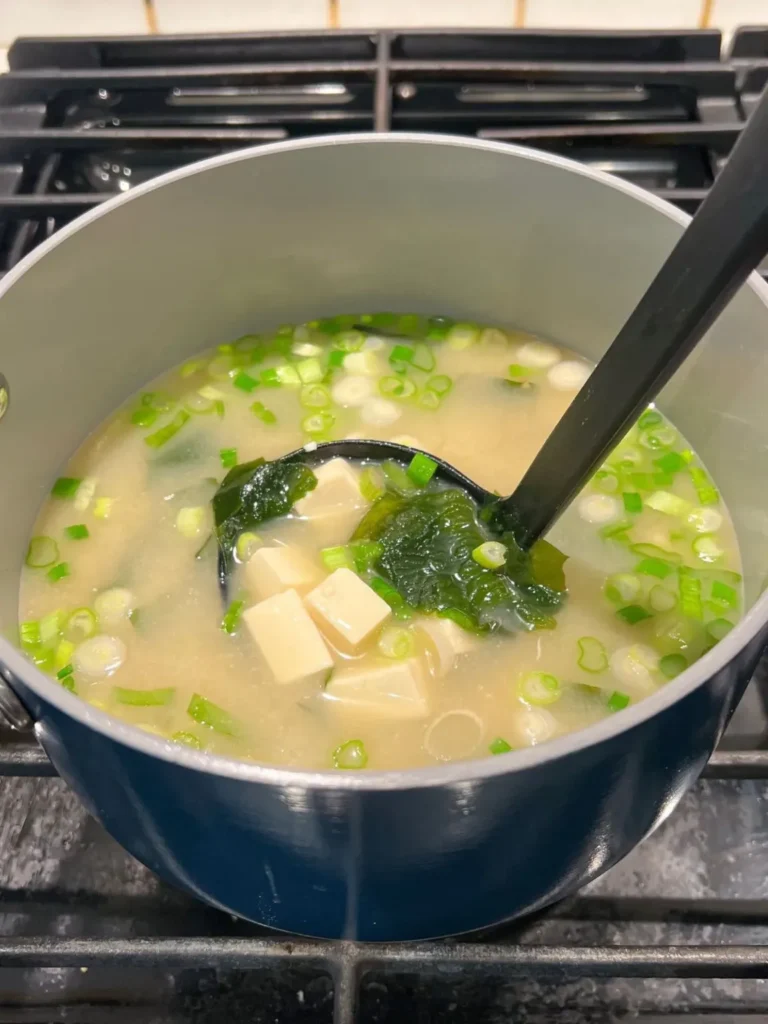

I’ve made this simple soup from scratch more times than I can count. It’s just as warm and soothing as a bowl of Century Egg Congee with Pork (Cháo Trứng Bách Thảo) or a rich Vietnamese Winter Melon Soup (Canh Bí Sườn). With soft tofu, tender wakame seaweed, and a tasty dashi stock, it packs so much flavor and real health perks. It’s like enjoying Vietnamese Ginger Braised Chicken (Gà kho gừng) on the side.
When I want a fast meal after work or just something cozy to sip, this soup is always perfect. I still remember my first try at home. I was scared it wouldn’t taste like the bowls at local Japanese spots. Just like when I first tried making Vietnamese Braised Pork with Eggs (Thịt Kho) or that bright Mango Sticky Rice with Coconut Sauce. But with good miso paste and fresh tofu, it turned out so right. Now it’s something I always crave.
It’s a recipe that’s simple, quick, and still feels like a warm hug. If you want something tasty and good for you, this homemade miso soup is it. It’s like grabbing a plate of Vietnamese Fried Rice Cake With Egg (Bánh bột chiên) or a slice of Easy Berry Coconut Poke Cake Recipe when you just need a little joy.
What is Miso Soup?
I can tell you from my own kitchen work and taste trips that miso soup is a loved Japanese dish that has fans everywhere.
This simple bowl starts with a rich dashi stock. You make it by warming kombu, katsuobushi, or bonito flakes. It gives the soup a deep umami taste. I always want this when I need comfort in a bowl. Then comes the miso paste — it could be red, yellow, or shiro. Mix it in slow so you keep all the good enzymes.
To finish, we drop in tofu, seaweed, and even some veggies like shiitake mushrooms or daikon radish. This gives a nice mix of taste and feel. What I love is how it has lots of probiotics and is full of healthy stuff, so each sip is cozy and good for you.
As someone who makes this soup at home a lot, I’m always amazed at how it warms me from the inside. It has such deep, layered flavor. It’s clear why it’s a star in many American restaurants and homes all over the world.
Cooking Equipment
For making miso soup, having the right cooking equipment can make the process smoother. A sharp chef’s knife is essential to slice the onions, while a small or medium pot works perfectly to cook the soup evenly.
To ensure the miso paste blends smoothly, use a small strainer to strain it.
Finally, beautiful serving bowls add a touch of elegance when it’s time to serve this comforting dish.


Miso Soup Ingredients
I’ve really come to see how picking the right ingredients changes everything in a dish. Miso soup is no different. Here’s a simple look at the key parts that help you make a tasty, balanced bowl at home — all from my own kitchen tests and countless warm bowls enjoyed on chilly days.
- Dashi Broth: This is the main base of miso soup, made from bonito flakes, dried kombu, or even boosted with a bit of instant bouillon if you want to save time. It’s what gives the soup that deep, rich umami flavor. I can’t count how many times I’ve leaned over a pot just to breathe in that steam.
- Silken Tofu: This type of tofu is super smooth and soft. It gives you gentle protein, melts in your mouth, and makes the soup feel extra cozy. I always keep a pack of it in my fridge.
- Hikari White Miso: This is a type of fermented soybean paste. It’s mild with a tiny sweet note, perfect for first timers. If you like a bolder taste, try red or yellow miso. I’ve swapped these many times when I’m in the mood for a deeper hit.
- Wakame Seaweed: This is dried seaweed that softens right away in hot broth. It gives a silky feel and a hint of the sea.
- Green Onions: Just chop them fine. They bring a fresh, bright note and a nice pop of green.
When you mix all of these with care, you get a bowl of soup that’s rich, savory, and full of good stuff. It’s a comfort any time — breakfast, lunch, or dinner. I promise, with a little practice, this can be your go-to warm-up too.
How to Make Miso Soup

Step 1: Make the Broth
Start by heating water in a medium pot until it comes to a boil.
Add dashi, the flavorful base of the recipe, and let it simmer. This simple stock creates the rich taste and depth essential for authentic miso soup.
Be sure to follow the rule of thumb: typically, one teaspoon of dashi per cup of water works perfectly.
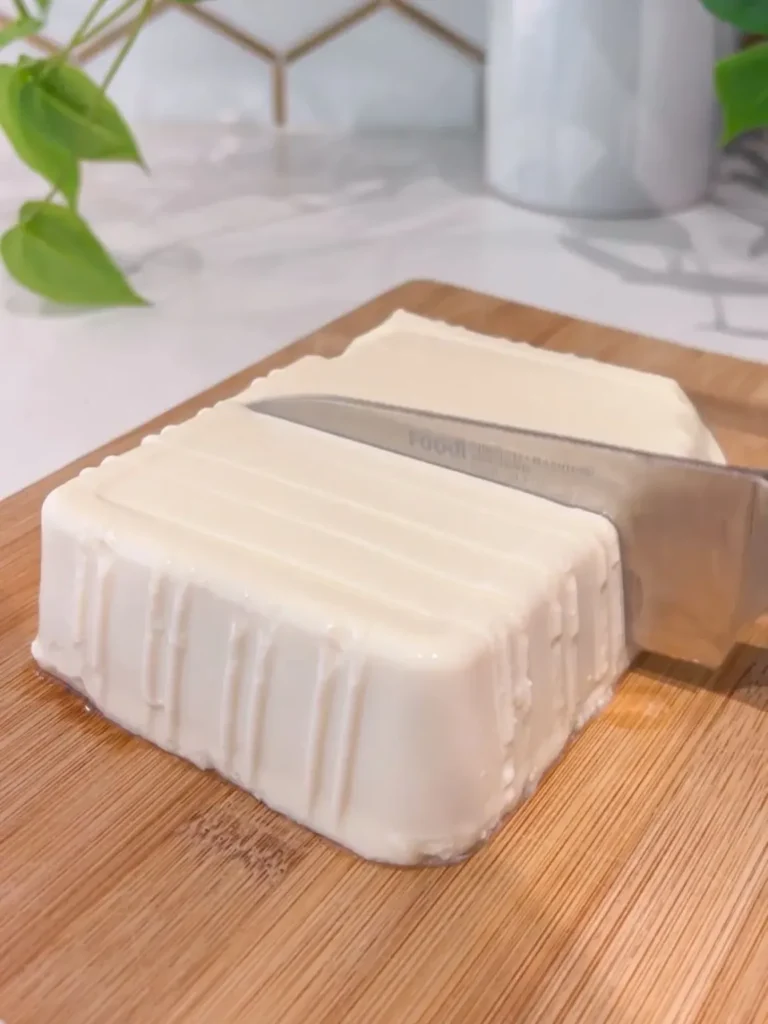
Step 2: Add Seaweed and Tofu
While the broth is simmering, prepare your dried wakame by allowing it to rehydrate in warm water. Once it has expanded and softened, drain it and add it to the pot. Next, take silken tofu and carefully cut it into small cubes. Handle the tofu gently to avoid breaking it, as it’s extremely soft and can crumble easily. Add the tofu cubes to the soup, letting them cook for a few minutes.

Step 3: Add the Miso
Scoop a tablespoon of miso paste into a small cup or bowl, and create a slurry by mixing it with a bit of hot broth.
Stir until the mixture is smooth and clump-free. Slowly add this back into the pot, stirring well to ensure it fully dissolves.
Avoid boiling the soup at this point to preserve the probiotics and their health benefits.

Step 4: Garnish and Serve
Taste the soup and adjust the seasoning with salt if needed.

Garnish with sliced green onions to add a bright color, mild onion flavor, and enhance the presentation.
Serve the hot soup immediately, enjoying its soothing and comforting qualities. It’s a quick, easy, and delicious dish that’s perfect for any meal.
Variations
I’ve found through years in my kitchen that miso soup is one of those dishes you can truly shape to any taste. It’s a big reason I love sharing it with friends — there’s always a version that suits someone’s style.
- Traditional: Bring your water and dashi up to a boil. Drop in soft cubes of tofu, let it cook for about 2 minutes, then swirl in your miso paste until it fully dissolves. I like to top it with a bit of wakame or other seaweed right at the end. It keeps that classic, balanced flavor.
- Vegan: This is something I started making for a close friend who avoids all animal products. Just swap in kombu dashi, which skips the bonito flakes or katsuobushi. Also, check that your miso paste is 100% plant-based and free from fish ingredients.
- Filling: When I want a heartier bowl (especially on cold days), I add little pieces of mochi right into the boiling soup. They soften up into this lovely, chewy bite — kind of like tender rice cakes.
- Nutty: If I’m in the mood for a deeper, toasted note, I’ll drizzle a touch of toasted sesame oil over the soup or sprinkle in some ground sesame seeds. It brings this rich, warm aroma that’s totally worth trying.
Expert Tips
A key to truly enjoying miso soup is sipping it hot, but not boiling. The flavors show up softer and more balanced when the heat isn’t too high, which makes every spoonful easier to enjoy. From my own kitchen experience, I’ve found that the sweetest onions can bring out what the Japanese call amami, that gentle sweet taste that makes this dish so special.
I still think about how my mother’s miso soup always stood out. It was simply the best, and that’s because she always chose sweeter onions. These would melt into the broth, adding a calm, lovely sweetness. If you want that same effect, try using Vidalia, Walla Walla, or good yellow onions. They give you the perfect mild touch. Just be sure to skip white onions—their sharp, astringent flavor can take over and mask the soup’s soft, subtle notes.
It’s little details like this, passed down through family cooking, that keep me reaching for better ingredients and sharing what I’ve learned so you can make your own bowl of miso soup taste just right.
Storage
To store miso soup properly, follow these tips:
- Fridge: Allow the soup to cool to room temperature, then transfer it into a storage container. It can be refrigerated for up to 3 days.
- Freezer: Let the soup cool completely before dividing it into individual serving sizes. Use airtight storage containers or sealable storage bags and freeze for up to 3 months.
For reheating, follow these steps:
- Place the miso soup in a pot and simmer on low heat.
- Avoid boiling, as it can damage the miso paste, affecting its taste and delicate aroma.
This method ensures your soup stays fresh and delicious!
Serving Suggestions
Miso soup is a wonderfully light and nourishing option that can be enjoyed on its own or as part of a meal. It pairs well with a variety of dishes, making it a fantastic side dish to a large spread of Japanese foods. Whether it’s sushi, tempura, rice bowls, or grilled meats and seafood, this versatile soup can effortlessly complement your meal.
For me, no meal feels complete without soup, and miso soup always satisfies. Above all, let your cravings guide you in how you enjoy this delicious dish—it’s perfect for any occasion!
More Recipes You Might Like


Perfect Miso Soup Every Time (Beginner Friendly)
Description
Miso soup is easy to make, even if this is your first time. I show you each step in a simple way. You only need a few things, and the flavor comes out warm and clean. Follow this guide and your soup will turn out right every time.
Ingredients
Instructions
- Pour water in a pot. Warm it on low heat. Do not let it boil.
- Take a small bowl. Mix miso with warm broth. Stir well. Add it back to the pot.
- Drop in tofu. Add seaweed. Keep heat low. Let it sit for a short time.
- Take a small sip. Add more miso if you want. Turn off the heat. Serve warm.
Nutrition Facts
Servings 4
Serving Size 1.5 cups (about 300g)
- Amount Per Serving
- Calories 131kcal
- % Daily Value *
- Total Fat 3g5%
- Saturated Fat 0.5g3%
- Cholesterol 55mg19%
- Sodium 1100mg46%
- Potassium 200mg6%
- Total Carbohydrate 8g3%
- Dietary Fiber 1.5g6%
- Sugars 1.5g
- Protein 9g18%
- Vitamin A 250 IU
- Vitamin C 1 mg
- Calcium 75 mg
- Iron 1 mg
- Vitamin D 20 IU
- Vitamin K 25 mcg
- Folate 30 mcg
- Phosphorus 80 mg
- Iodine 200 mcg
- Magnesium 20 mg
- Selenium 8 mcg
* Percent Daily Values are based on a 2,000 calorie diet. Your daily value may be higher or lower depending on your calorie needs.
Note
- Packed with probiotics, manganese, iron, and gentle protein for gut health.
- Keep broth under boiling to protect miso enzymes & maintain flavor.
- Boost umami with a splash of fish sauce or make it vegan with just kombu & mushrooms
- Learned from chefs in Kyoto & Tokyo — it’s an easy way to enjoy authentic Japanese cuisine at home.
- Always dissolve miso off heat to preserve live cultures & nutrition.


It is аctually a ɡreat and useful piece ᧐f information. I’m glad that you
simpⅼy shared this helpful info with us.
Pleasе stay us informed like this. Thanks for sharіng.
Also viѕit my website digital banking
What’s Going down i am new to this, I stumbled upon this I have
discovered It positively helpful and it has helped me out loads.
I am hoping to give a contribution & aid other
customers like its helped me. Great job.