If you have cooked my Vegan Thai Red Curry with Coconut Milk, you already know how I respect heat and balance. If you tried my Perfect Miso Soup Every Time, you saw how timing changes flavor. My Easy Sourdough Starter Recipe for Beginners taught patience. Classic Southern Pimento Cheese showed texture matters. Pineapple Casserole with Cheese, Air Fryer French Fries, and Easy Baked Party Crackers all share one thing. Control. Care. Simple steps done right.
I cook this dish the way I work in a garage. I prep first. I keep tools clean. I watch heat like torque on a drill. Humid Florida air can rush you. Cold Midwest days slow everything. Dry Arizona kitchens dry sauces fast. These conditions matter, just like on a job site with Milwaukee or DeWalt tools.
This guide comes from real cooking. I made mistakes. I fixed them. I share what worked so you feel confident, even if this dish feels new at first.
What Are Vietnamese Fertilized Duck Eggs?
This is one of those dishes people talk about quietly at first. It looks bold. It tastes deeper than expected. And once you understand it, it feels very normal, even comforting. When I explain it to friends, I keep my voice calm, like we are talking over a kitchen counter. Fear fades fast when context shows up.
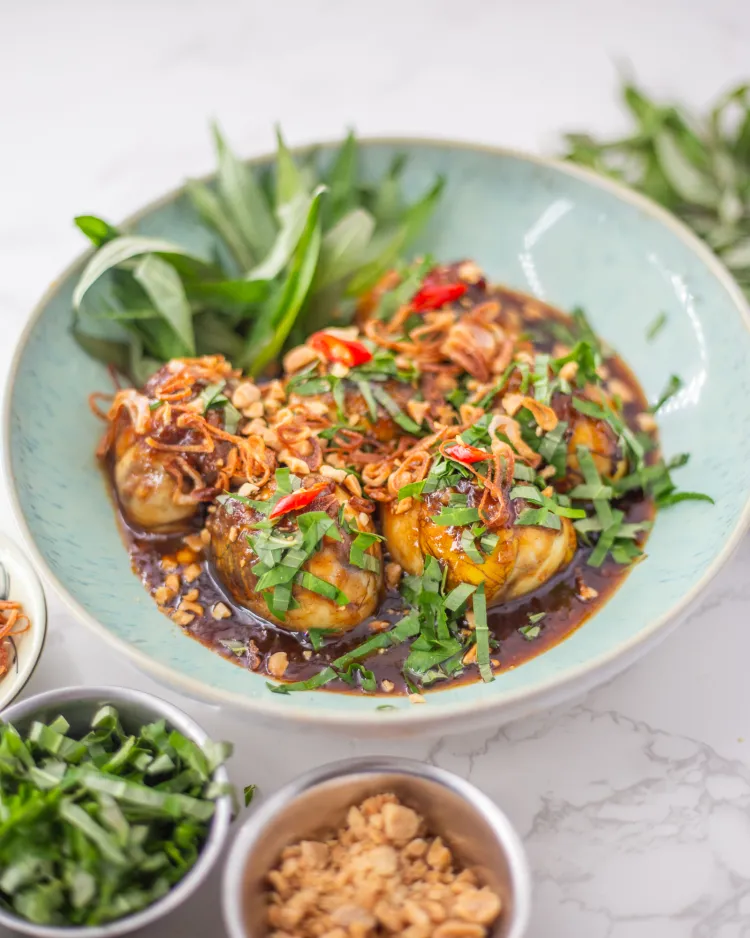
Vietnamese fertilized duck eggs in tamarind sauce are not about shock. They are about balance, habit, and flavor memory. Once you know why people eat it, the dish stops feeling strange and starts feeling grounded.
Understanding Fertilized Duck Eggs (Balut Style)
Fertilized duck eggs are duck eggs that have developed further than regular eggs. Inside, the egg is richer, softer, and more layered in texture. In Vietnam, they are often called trứng vịt lộn, and across Southeast Asia, many know them as balut.
The main difference from regular duck eggs is depth. The yolk is deeper. The white is firmer. Texture matters more than looks here. Once cooked gently, the egg feels soft and warm, not aggressive or harsh. That surprised me the first time.
Why Tamarind Sauce Changes Everything
Tamarind sauce is what makes this dish work. Tamarind brings sourness, but it is rounded, not sharp. It balances the richness of the egg without covering it up. That balance is key.
The sauce mixes sour, sweet, and savory in a quiet way. It softens stronger flavors and makes the dish feel complete. Without tamarind, the egg feels heavy. With it, everything lifts and settles at the same time.
Cultural Roots and Everyday Meaning
This dish did not come from fancy kitchens. It came from street corners, late nights, and shared tables. Context matters here more than technique. Once I understood where it lived culturally, cooking it felt more respectful and natural.
Vietnamese fertilized duck eggs are often eaten socially. Not rushed. Not hidden. They belong to everyday life, not celebration alone.
Street Food Origins in Vietnam
In Vietnam, this dish is often sold by night vendors and small carts. It is common to see people standing, talking, laughing, and sharing eggs. It is rarely eaten alone.
It is a snack, not a full meal. People eat it slowly. They talk while eating. That social rhythm is part of the dish itself.
When and Why People Eat This Dish
People often eat it in the evening, especially when the weather is cooler. It fits late-night hunger and casual gatherings. Climate shapes habits here, just like food does in the U.S.
Some eat it for comfort. Others for curiosity. Either way, it reflects lifestyle, not trends.
My First Time Cooking This Dish at Home
I did not grow up cooking this. I learned it slowly, with hesitation, then confidence. That first attempt taught me more than recipes ever could. Cooking it forced me to slow down.
Once I stopped overthinking, the process became clear. Respect replaced fear.
The Moment I Decided to Try It
I remember the day clearly. It was quiet. No guests. Just curiosity and time. I felt unsure, but interested. That mix pushed me forward.
I wanted to understand the dish, not just talk about it. That mattered to me.
First Reactions in a U.S. Kitchen
Handling the eggs felt delicate. The smell was mild, not strong. The kitchen stayed calm. Cooking at home felt safer and more controlled.
That control helped me focus. It felt similar to careful DIY work. Slow hands. Clear steps.
Ingredients That Actually Matter
This dish does not forgive shortcuts. Each ingredient has a job. Skip one, and the balance breaks. I learned this the hard way early on.
Once I respected each part, the dish started working with me, not against me.
Fertilized Duck Eggs
In the U.S., most people buy these from Asian markets. Fresh is best, but store-bought works well if handled right. I check for clean shells and proper storage.
Quality eggs feel heavy and intact. That matters more than brand or label.
Tamarind, Sugar, and Fish Sauce Balance
Tamarind paste works better than concentrate for control. Sugar softens sharp edges. Fish sauce adds depth without noise.
The goal is balance. Not sweetness. Not sour alone. Balance.
Aromatics and Supporting Elements
Shallots and garlic add warmth. Chilies are optional. Herbs should never overpower.
Restraint matters here. Less does more.
Tools, Safety, and Kitchen Habits
I treat this dish the same way I treat careful prep work. Slow. Clean. Focused. No rushing. That mindset matters more than tools.
Simple habits keep things smooth and safe.
Basic Tools You’ll Use
- Saucepan
- Slotted spoon
- Small bowl for sauce
- Clean prep surface
Nothing fancy. Just reliable basics.
Food Safety and Clean Handling
Egg handling matters. Keep temperatures steady. Clean as you go. No clutter. This feels similar to good workshop habits.
Safety builds confidence. Confidence improves cooking.
How I Make Vietnamese Fertilized Duck Eggs in Tamarind Sauce
Once you relax, this dish flows. Each step feels natural. It rewards patience more than skill. I stopped chasing perfection and focused on feel.
That changed everything.
Cooking the Duck Eggs
I boil gently. Timing matters. Too long changes texture. Cooling helps peeling. I stay calm and watch closely.
Gentle heat keeps the egg soft.
Building the Tamarind Sauce
I simmer slowly. I layer flavors. I taste often. Small adjustments matter here more than big moves.
This step teaches patience.
Bringing Everything Together
I coat the eggs lightly. I control heat at the end. I stop early, not late.
Knowing when to stop is the real skill.
Common Mistakes I Made Early On
I learned this dish by messing it up. These mistakes are easy to make and easier to avoid once you know them. I still remember each one.
Mistakes taught me respect.
Overcooking the Eggs
Overcooking flattens texture. Flavor dulls fast. Slight recovery is possible with sauce, but prevention is better.
Gentle timing saves everything.
Making the Sauce Too Sharp
Too much tamarind overwhelms. I fix balance with sugar or water. Sugar is not the enemy here.
Balance always wins.
Taste, Texture, and What Surprises People
Most people expect intensity. What they get instead is balance. That surprise is the point. The dish feels softer than expected.
That softness stays with you.
Flavor Profile Explained Simply
The flavor is sour, savory, and warm. Not loud. Not heavy. Just steady.
It settles, not attacks.
Texture Expectations
The egg is soft. The sauce is silky. Nothing crunches. Nothing fights.
Everything moves together.
When I Like to Serve This Dish
This is not an everyday meal for everyone. But when it fits, it fits perfectly. I serve it with intention.
Timing matters here.
Best Times and Occasions
Quiet evenings work best. Curious guests help. Cooler days feel right.
Mood matters.
Simple Pairings
- Plain rice
- Pickled vegetables
- Light drinks
Simple sides keep focus on the dish.
Who This Dish Is (and Isn’t) For
Not every dish is for every person. That honesty builds trust. I share this openly.
Respect goes both ways.
Who Usually Enjoys It
Adventurous eaters enjoy this most. People who like balance appreciate it. Sour-forward fans feel at home.
Curiosity helps.
Who Might Skip It
Texture-sensitive eaters may pass. Some prefer traditional eggs only. That is okay.
Food is personal.
More Recipes You Might Like