Slow Roasted Lamb Shoulder With Salsa Verde: My Honest Guide
There’s something magical about slow roasted lamb shoulder. The first time I made it, it was for a lazy Sunday lunch with friends. The smell drifted through the house for hours. When it was finally time to eat, the meat was falling off the bone, rich and juicy. The sharp, green salsa verde on top brought everything to life. If you’ve ever wanted to make a meal that feels both easy and special, this dish is it.
I’ll walk you through my real experience—what worked, what didn’t, and tips I wish I’d known before starting. This is not just a recipe. It’s a story of a meal that brings people together.
Why Slow Roasted Lamb Shoulder?
Lamb shoulder is a forgiving cut. It has a lot of marbling (fat running through the meat), so it stays moist even if you leave it in the oven a bit too long. That’s perfect for beginners or anyone who wants more flavor without stress.
Here’s why I love it:
- Flavor: The meat becomes sweet, earthy, and deeply savory.
- Texture: Slow roasting makes it tender; you don’t need a knife.
- Ease: Prep is quick; then the oven does the work.
One thing people often miss—shoulder is cheaper than leg of lamb, but just as tasty when cooked right.
Ingredients: What You Need
The best thing about this recipe is its simplicity. You don’t need fancy skills or rare spices. Here’s exactly what I used for a shoulder serving 4–6 people:
- 1 bone-in lamb shoulder (about 4–5 pounds)
- 2 tablespoons olive oil
- 1 tablespoon sea salt
- 1 tablespoon black pepper
- 4–5 cloves garlic (smashed)
- 2 sprigs fresh rosemary
- 2 sprigs fresh thyme
- 1 lemon (zest and juice)
- 1 cup dry white wine or chicken broth
For the salsa verde:
- 1 cup fresh flat-leaf parsley (finely chopped)
- 1/4 cup fresh mint (finely chopped)
- 1 tablespoon capers (rinsed and chopped)
- 2 anchovy fillets (finely chopped, optional)
- 1 small garlic clove (crushed)
- Zest and juice of 1 lemon
- 6 tablespoons extra virgin olive oil
- Salt and pepper to taste
Pro tip: Don’t skip the anchovies in salsa verde—they melt in and add a deep, umami kick. You won’t taste fish, just more flavor.
Credit: journal.swaledale.co.uk
Step-by-step: How I Made It
I found that the steps were easy, but timing was everything. Here’s my real-life process:
1. Prepare The Lamb
- I took the lamb out of the fridge an hour before cooking. This helps it cook evenly.
- Rubbed it all over with olive oil, salt, and pepper.
- Inserted garlic cloves and herbs into small cuts in the meat. This makes the flavor soak in.
2. Roast Low And Slow
- Placed the lamb in a roasting pan, skin side up.
- Poured wine (or broth) around it, not on top.
- Covered tightly with foil.
- Roasted at 325°F (163°C) for 3.5–4 hours. After 3 hours, I checked. The meat should be soft and easy to pull with a fork.
- Removed the foil for the last 30 minutes to brown the top.
3. Rest The Meat
This part is easy to skip, but don’t! I let the lamb rest, loosely covered, for 20–30 minutes. The juices settle, so every bite is moist.
4. Make The Salsa Verde
While the lamb rested, I mixed all the salsa verde ingredients. I chopped by hand for a chunky texture, but you can use a food processor for speed. Taste and adjust salt or lemon. The sauce should be punchy and bright.
5. Serve
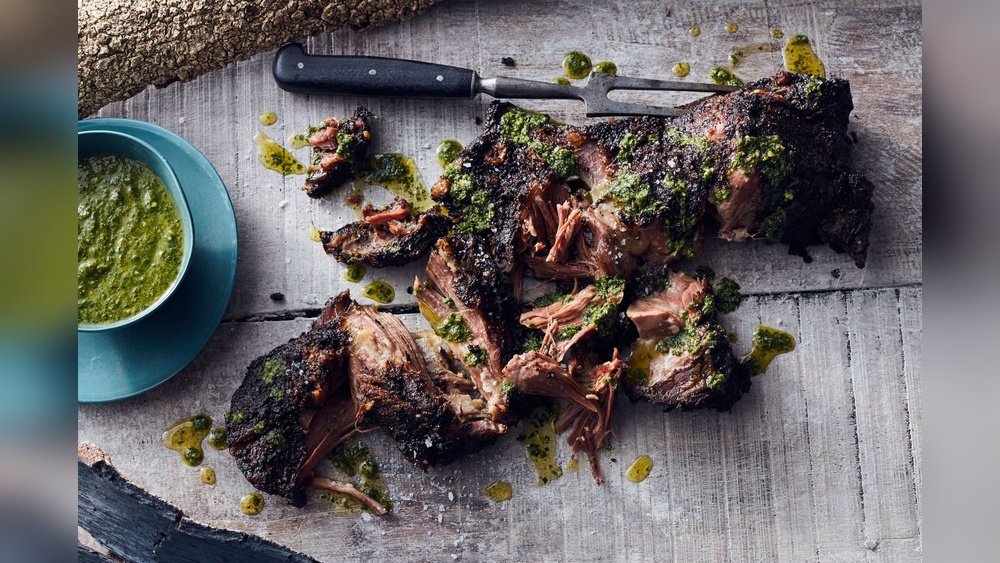
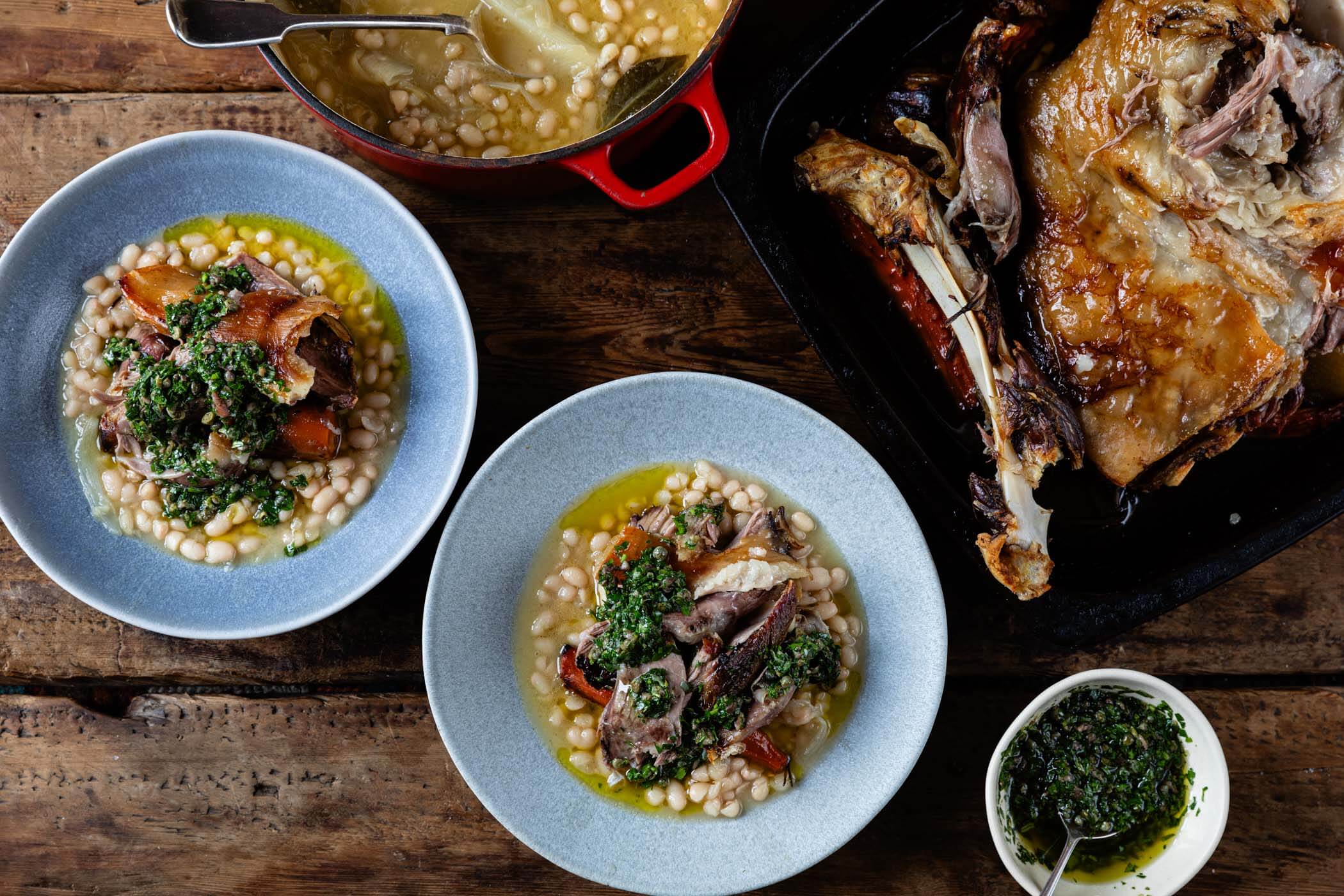
I shredded the lamb straight from the bone, spooned salsa verde on top, and served it with roasted potatoes and a simple salad. Every bite was a mix of juicy meat and fresh herbs.
How It Turned Out (real Talk)
I’ve made this dish a few times now. Here’s what I noticed:
- Crowd-pleaser: Even people who say they don’t like lamb went back for seconds.
- Hands-off: Most of the time, I was relaxing with friends, not in the kitchen.
- Leftovers: The next day, leftovers made amazing sandwiches.
But, I also learned:
- Timing matters: Don’t rush the roast. If you try to cook it faster at high heat, the meat will be tough.
- Fat renders out: There’s a lot of fat in the pan after cooking. I pour most off before serving, but save a little for flavor.
- Salsa verde is key: The tangy, herbal sauce cuts the richness of the lamb.

Credit: www.robertwelch.com
Comparison: Lamb Shoulder Vs. Other Cuts
When I first searched for recipes, I wondered if lamb leg or shank would be better. Here’s what I found after trying both:
| Cut | Flavor | Texture | Cooking Time | Cost (per lb) |
|---|---|---|---|---|
| Lamb Shoulder | Rich, deep | Very tender | 3-4 hours | Low |
| Lamb Leg | Mild | Firm | 2-2.5 hours | Medium |
| Lamb Shank | Strong | Stringy | 2-3 hours | Medium |
For me, shoulder is the best value and the easiest to cook well.
Tips For Success
After a few tries, here are my honest, experience-based tips:
- Use bone-in shoulder for more flavor and juiciness.
- Let it rest before carving. The meat will be more tender.
- Don’t over-salt. The salsa verde adds saltiness, so keep seasoning gentle.
- Cook with patience. Low and slow is not just a saying—it’s the secret.
- Try different herbs in the salsa verde. Sometimes I add tarragon or basil.
Many first-timers skip the resting step or use boneless meat. Both make a real difference in the end result.

Credit: www.goodhousekeeping.com
Serving Ideas And Real-life Pairings
The last time I made this, it was for a spring picnic. I served the lamb alongside:
- Roasted baby potatoes with rosemary
- A big green salad with lemon vinaigrette
- Crusty bread to mop up juices
I also found this meal pairs well with light red wines like Pinot Noir. If you prefer non-alcoholic drinks, a sparkling water with lemon is refreshing.
Here’s a quick look at serving pairings I’ve tried:
| Side Dish | How It Balances the Lamb |
|---|---|
| Roasted Potatoes | Soaks up juices, mild flavor |
| Spring Salad | Adds crunch and freshness |
| Flatbread | For easy scooping |
What I Would Change Next Time
If I could do it over, I’d try adding a few more herbs to the salsa verde—maybe a pinch of dill or chives for extra brightness. Next time, I’ll also save some of the pan juices and drizzle a little over the meat before serving.
A small challenge: If your oven runs hot, check the lamb after 3 hours. You want it pull-apart soft, not dry.
For more about lamb cuts and cooking, check out Wikipedia’s lamb guide.
Frequently Asked Questions
How Do I Know When The Lamb Shoulder Is Done?
If you can pull the meat apart with a fork and it’s juicy inside, it’s ready. The internal temperature should be about 190°F (88°C) for ultimate tenderness.
Can I Make This Dish Ahead Of Time?
Yes! I often cook the lamb a day before, let it cool, then reheat gently. The flavors deepen overnight.
What If I Don’t Have All The Salsa Verde Ingredients?
You can skip capers or anchovies, but keep the parsley, lemon, and olive oil. It’s still delicious, just a little less complex.
Can I Use Boneless Lamb Shoulder?
You can, but bone-in gives better flavor and helps keep the meat moist. If using boneless, check for doneness 30 minutes earlier.
What Are Common Mistakes With This Recipe?
Two big ones: rushing the cooking time (meat turns tough), and skipping the resting stage (meat loses juices). Letting the lamb rest is just as important as slow roasting.
Slow roasted lamb shoulder with salsa verde isn’t just a recipe—it’s an experience worth sharing. Every time I make it, I remember why slow food is special. The smell, the taste, and the smiles around the table make all the waiting worth it.
Give it a try, and don’t forget to tweak it to your own taste. That’s how great recipes are born.