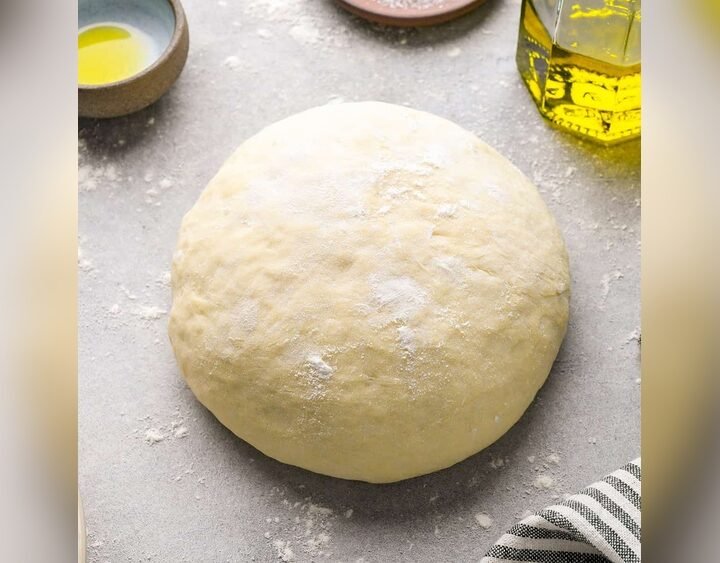
When I first tried making pizza at home, I had no idea what I was doing. The dough was tough, the crust tasted bland, and I almost gave up after the first disaster. But I kept experimenting, reading, and learning from mistakes.
After dozens of tries (and a lot of flour on the kitchen floor), I found the best homemade pizza dough recipe. This dough is simple, forgiving, and always comes out chewy and crisp. If you want real pizza flavor in your own kitchen, this is the recipe you need.
Why Homemade Pizza Dough Is Worth It
Store-bought pizza dough is easy, but it never tasted right to me. The crust felt too dense or too sweet. When I started making my own, I noticed three big changes:
- Better flavor: Homemade dough has a natural, yeasty taste you don’t get from the store.
- Perfect texture: You control if it’s chewy, thin, or thick.
- Customizable: You can tweak salt, oil, or even swap some flour if you want.
I realized that even beginners can make great pizza at home. You just need patience and a good recipe.
Ingredients For The Best Pizza Dough
Simple ingredients make all the difference. Here’s what you need for one large pizza (12–14 inches):
- 2 cups (250g) bread flour (or all-purpose flour works too)
- 1 teaspoon instant yeast
- ¾ teaspoon fine sea salt
- 1 teaspoon sugar
- ¾ cup (180ml) warm water (about 100°F/38°C)
- 1 tablespoon olive oil (plus more for greasing)
I use bread flour for chew, but I’ve made this with all-purpose flour and it’s still delicious. Instant yeast is easy because you mix it right in. Sugar helps feed the yeast and browns the crust.
Step-by-step: How To Make Pizza Dough At Home
Making pizza dough might sound tricky, but if you follow these steps, you’ll get it right:
- Mix dry ingredients. In a large bowl, combine flour, yeast, salt, and sugar. Mix well.
- Add water and oil. Pour in the warm water and olive oil. Stir with a wooden spoon until a shaggy dough forms.
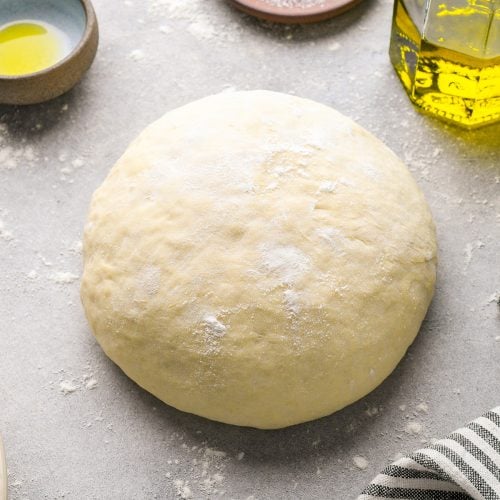
- Knead the dough. Turn out onto a floured surface. Knead with your hands for 6-8 minutes. The dough should be smooth and a little sticky, not dry.
- First rise. Place the dough in an oiled bowl. Cover with plastic wrap or a damp towel. Let it rise until doubled, about 60–90 minutes.
- Shape your pizza. Punch down the dough. Roll or stretch it into a 12–14 inch circle. Place on parchment or a lightly oiled baking sheet.
- Top and bake. Add your favorite sauce and toppings. Bake in a preheated oven at 500°F (260°C) for 10–12 minutes.
My Tips For Perfect Dough
- Let the dough rise slowly. If you have time, put it in the fridge overnight. The flavor gets even better.
- Don’t add too much flour while kneading. A sticky dough is normal at first.
- Use a pizza stone if you have one. It really makes the bottom crisp.
What Makes This Dough Different
Over the years, I’ve tried many recipes. Some use too much yeast and taste like bread. Others are bland and flat. This dough is balanced. It’s soft inside, crisp on the edges, and has a real pizza flavor.
Another thing I noticed: many recipes skip the sugar. Just a small amount makes the crust golden and adds flavor.
Here’s a quick comparison of different flours I’ve tried for this recipe:
| Flour Type | Texture | Flavor | Best For |
|---|---|---|---|
| Bread Flour | Chewy, airy | Rich, yeasty | Classic pizza crust |
| All-Purpose Flour | Softer, less chewy | Mild | Thin crust |
| Whole Wheat | Dense, hearty | Nutty | Healthier option |
Credit: joyfoodsunshine.com
Common Mistakes (and How To Fix Them)
I’ve made every mistake you can imagine. Here’s what I learned:
- Dough too tough: Usually means too much flour or not enough kneading.
- Crust is pale: Oven isn’t hot enough, or dough lacks sugar or oil.
- Dough won’t stretch: Needs more rest. Let it relax for 10 minutes.
- Flat, dense crust: Old yeast or not enough rising time.
One thing that helped me was measuring flour by weight, not cups. Scooping flour can pack too much into your cup. A kitchen scale is a game changer.
How I Bake For The Best Results
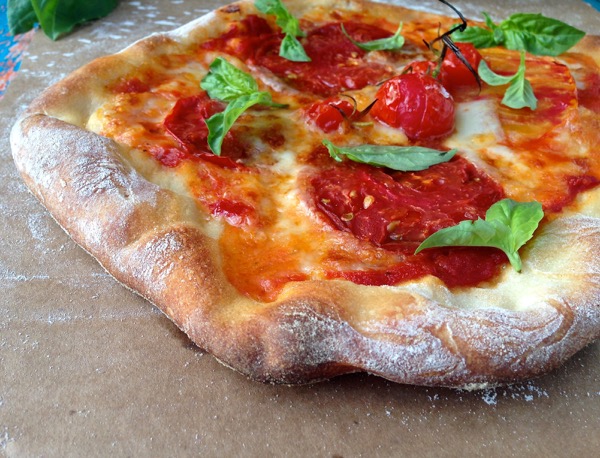
Every oven is different. I used to bake at 400°F, but the crust stayed soft. At 500°F, the pizza cooks fast and the crust gets bubbly.
I always preheat the oven for at least 30 minutes. If you have a pizza stone or steel, use it. If not, a thick baking sheet works too.
Here’s how different bake setups compare:
| Bake Surface | Crust Texture | Difficulty | Notes |
|---|---|---|---|
| Pizza Stone | Crisp, chewy | Medium | Best for classic pizza |
| Baking Sheet | Softer bottom | Easy | Great for thick crust |
| Parchment Paper | Even bake | Easy | Helps prevent sticking |
Credit: ciaoflorentina.com
Variations And Personal Touches
Once you master the base dough, try these ideas:
- Swap half the flour for whole wheat for a nutty taste.
- Add a pinch of garlic powder or Italian herbs to the dough.
- Brush the crust with olive oil and sprinkle with sea salt before baking.
On busy nights, I sometimes double the recipe and freeze extra dough balls. Just thaw in the fridge overnight and bake as usual.
Storing And Freezing Pizza Dough
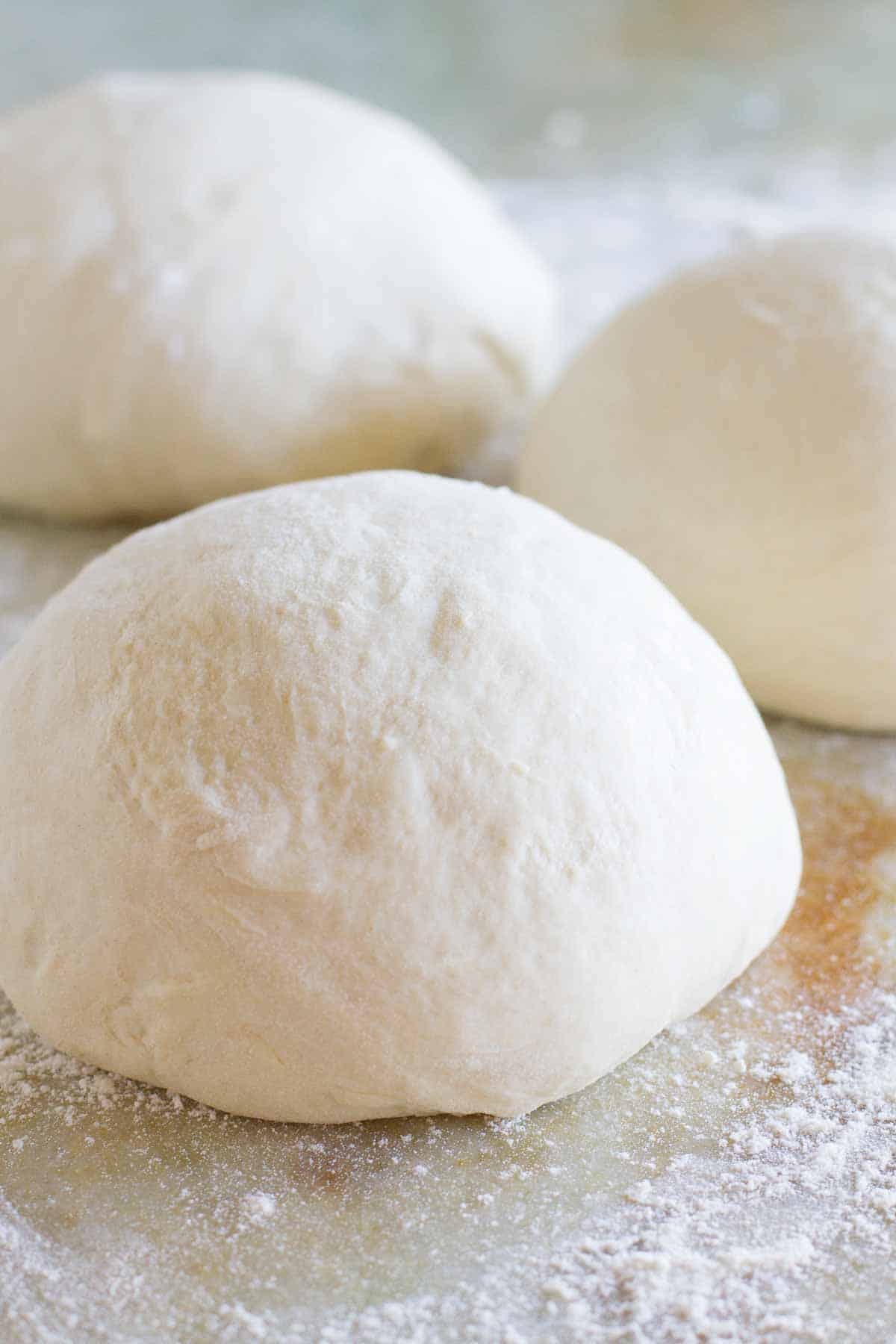
Fresh dough can sit in the fridge for up to 3 days. For longer storage, freeze it. Shape into balls, wrap in plastic, and place in a zip-top bag. Thaw in the fridge, then bring to room temperature before using.
Here’s a quick guide for storage:
| Storage Method | How Long | Best Practice |
|---|---|---|
| Room Temp | 2 hours | Cover, keep cool |
| Fridge | 3 days | Oil and cover tightly |
| Freezer | 2 months | Wrap well, thaw slowly |
Credit: www.tasteandtellblog.com
Final Thoughts
Homemade pizza dough changed my kitchen forever. It’s easier than you think, and the results are unbeatable. Don’t worry if your first try isn’t perfect. Each time, you’ll get a little better—and the smell of fresh-baked pizza makes everything worth it. If you want to dive deeper into dough science, check out the guides at King Arthur Baking.
Frequently Asked Questions
How Do I Know If My Dough Has Risen Enough?
It should double in size and feel soft when you poke it. If it springs back slowly, it’s ready.
Can I Use Active Dry Yeast Instead Of Instant Yeast?
Yes, but dissolve it in warm water first and let it sit 5 minutes before adding to the flour.
What If I Don’t Have Bread Flour?
All-purpose flour works. The crust will be a bit softer, but still delicious.
Why Is My Crust Soggy In The Middle?
Too much sauce or cheese, or not baking hot enough. Use less topping and bake on a preheated surface.
How Do I Freeze Pizza Dough?
Shape into a ball, wrap in plastic, and place in a freezer bag. Thaw in the fridge before using.
Making pizza dough at home is a journey, but it’s worth every minute. Happy baking!