Thin Green Noodles: My Honest Experience With This Unique Dish
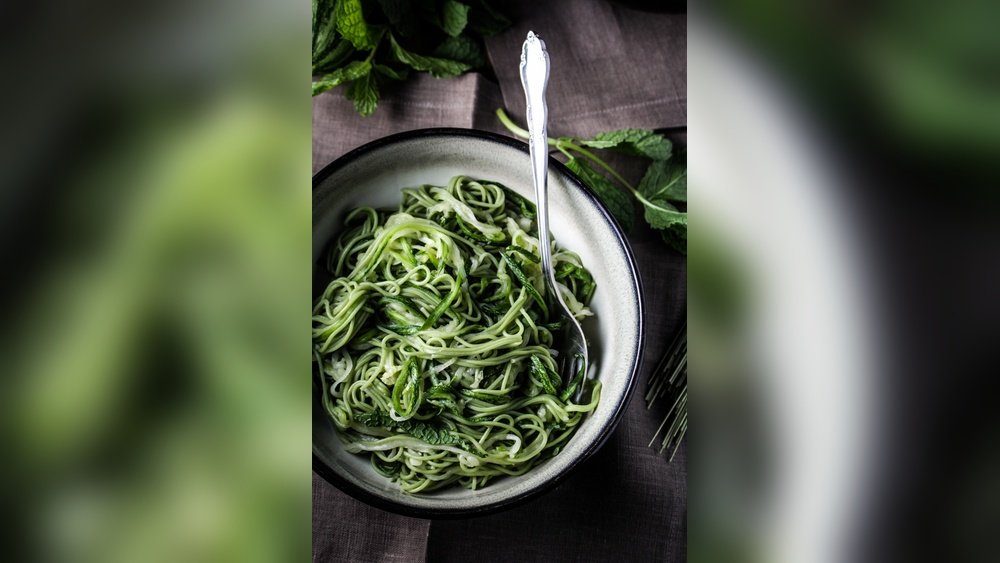
Thin green noodles are one of those dishes that made me pause the first time I saw them. I remember sitting in a small, bright kitchen, watching a friend pull a bundle of these noodles from a package. The color was striking—a gentle, leafy green, much lighter than spinach noodles and thinner than ramen.
I was curious, a little skeptical, but mostly excited to try something different.
If you’ve ever wondered what thin green noodles taste like, how they’re made, or if they’re worth adding to your home menu, let me share everything I’ve learned from cooking and eating them many times.
What Are Thin Green Noodles?
Thin green noodles are, as the name suggests, long, slender noodles with a natural green color. The green usually comes from vegetables or herbs like spinach, matcha (green tea powder), or moringa mixed into the dough. Sometimes, you might find green noodles made from spirulina or other green plants.
They look delicate, almost like angel hair pasta, but with a vibrant twist. The texture is smooth and a little springy when cooked right. Unlike plain white noodles, these add both color and subtle flavor to your meals.
My First Encounter With Thin Green Noodles
The first time I tried thin green noodles, I was surprised by their mild, slightly earthy flavor. They weren’t as bold as I expected. The green color made me think the taste would be strong, but it was gentle—almost refreshing.
I cooked them in a simple stir-fry with garlic, sesame oil, and a splash of soy sauce. The noodles absorbed the flavors well and held their shape. The color made the dish look more appetizing, and my family kept asking where I got them!
Credit: 8ttomarket.com
Cooking Thin Green Noodles: Step-by-step
Cooking these noodles isn’t hard, but there are a few tricks I learned after a couple of mistakes:
- Boil water first. Always use a big pot with plenty of water.
- Add noodles gently. They cook fast—usually 2-4 minutes.
- Stir lightly. Thin noodles can stick, so keep them moving.
- Check early. Don’t overcook. They go mushy quickly.
- Drain and rinse. Rinsing with cold water stops the cooking and keeps them from sticking.
I once forgot to rinse, and the noodles clumped together. Now, I never skip that step.
Ingredients: What’s Inside Thin Green Noodles?
The main ingredients usually include:
- Wheat flour or sometimes rice flour
- Green vegetable powder (spinach, matcha, moringa, or spirulina)
- Salt
- Water
Some brands add eggs, but most thin green noodles are vegan. I always check the label for additives or artificial colors. The best noodles use only natural greens for color and taste.
Nutrition And Health Benefits
Because of the added greens, thin green noodles have a small boost in nutrients over plain noodles. Here’s what I’ve found:
- Spinach noodles: Extra iron, vitamin A, and fiber.
- Matcha noodles: Antioxidants from green tea.
- Moringa noodles: Vitamin C and calcium.
But remember, noodles are still a carb-heavy food. The green color doesn’t make them a superfood. I learned not to overeat, even though they’re tempting!
Here’s a simple nutrition comparison based on brands I’ve tried:
| Type | Calories (per 100g) | Protein | Fiber | Iron |
|---|---|---|---|---|
| Plain Wheat Noodles | 350 | 8g | 2g | 1mg |
| Spinach Green Noodles | 340 | 9g | 3g | 2mg |
| Matcha Green Noodles | 330 | 8g | 2g | 1.5mg |
As you can see, the differences aren’t huge, but every bit helps if you want more veggies.
How To Use Thin Green Noodles
My favorite thing about thin green noodles is how versatile they are. Here are a few ways I use them at home:
- In soups: They work great in both chicken and veggie broths. The noodles stay light and don’t overpower the soup.
- Cold salads: Tossed with sesame oil, soy sauce, and sliced veggies, they make a refreshing lunch.
- Stir-fries: Pair them with tofu, mushrooms, or shrimp for a quick dinner.
- With pesto: The green-on-green look is beautiful, and the flavors match well.
- Asian-inspired dishes: I love them with a simple miso or ginger sauce.
I once tried them in a carbonara, but the earthy notes clashed with the creamy sauce. For Italian dishes, I stick to regular pasta.
Cooking Tips And Common Mistakes
Based on my own trial and error, here’s what I wish I knew sooner:
- Don’t overcook. Thin noodles go from perfect to mushy in seconds. Test them early.
- Use enough water. This keeps them from sticking and gives them room to move.
- Rinse after boiling. It stops the cooking and keeps them springy.
- Go easy on strong sauces. The noodles have a light flavor, so don’t drown them.
One insight I didn’t expect: if you use too much oil or heavy sauce, the green color looks dull. Light, fresh toppings keep the noodles bright and tasty.
Where To Buy Thin Green Noodles
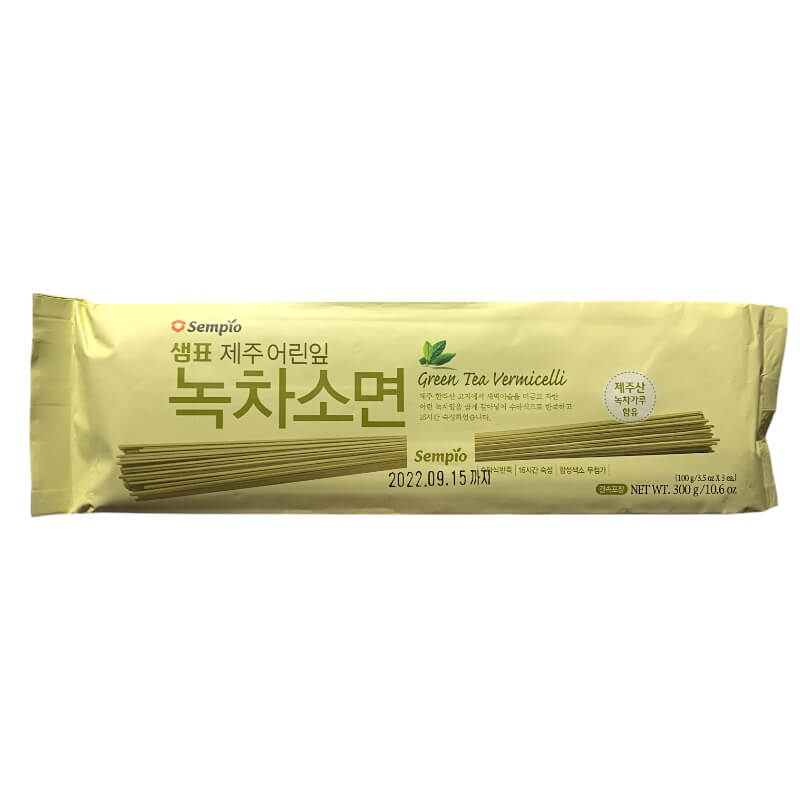
I’ve found thin green noodles at Asian grocery stores, health food markets, and online. Some popular brands use spinach, others use matcha or moringa. Prices can vary—usually $2 to $5 for a 7-ounce pack.
If you’re looking for organic or gluten-free options, check specialty stores or online retailers. Reading reviews helps; I once bought a brand that looked good but tasted bland. Now, I always check ratings first.
For more information on the history and types of Asian noodles, I found this Wikipedia article on noodles helpful.

Credit: www.amazon.com
Comparing Thin Green Noodles To Other Noodles
It’s easy to wonder: how do these noodles compare to others? Here’s a quick look at how they stack up against common types I’ve tried:
| Noodle Type | Color | Main Flavor | Best Use |
|---|---|---|---|
| Thin Green Noodles | Light green | Earthy, mild | Soups, salads, light stir-fries |
| Rice Vermicelli | White | Neutral | Spring rolls, noodle bowls |
| Egg Noodles | Yellow | Rich, eggy | Hearty stir-fries, chow mein |
| Soba | Brown/grey | Nutty, buckwheat | Cold salads, broths |
This helped me decide when to use green noodles versus other types. For lighter, fresh dishes, I reach for the green ones every time.
My Honest Pros And Cons
No food is perfect, so here’s what stands out after many tries:
What I like:
- The color makes meals look special.
- Slight veggie taste adds interest.
- Quick to cook—perfect for busy nights.
- Pairs well with Asian sauces and salads.
What could be better:
- Easy to overcook if you’re not careful.
- Some brands are bland; taste varies.
- Not as filling as thicker noodles.
- Can be pricier than regular noodles.
A non-obvious tip: if you want a stronger green flavor, look for “moringa” or “matcha” noodles instead of spinach.

Credit: www.ochaski.com
Frequently Asked Questions
What Gives Thin Green Noodles Their Color?
The green color usually comes from natural vegetable powders like spinach, matcha, or moringa. Some brands may use food coloring, but the best use real greens.
Are Thin Green Noodles Healthy?
They have a bit more nutrients than plain noodles, especially if made with real greens. But they’re still high in carbs, so enjoy them as part of a balanced meal.
Can I Use Thin Green Noodles In Any Recipe?
Mostly, yes. They work best in light dishes—soups, stir-fries, and salads. Heavy sauces can hide their taste and color.
How Do I Keep Thin Green Noodles From Sticking?
Rinse them with cold water right after boiling. Toss with a little oil if you plan to serve them cold or later.
Are Thin Green Noodles Gluten-free?
Most are made with wheat, so they’re not gluten-free. Some brands use rice flour—check the label if you need a gluten-free option.
Trying thin green noodles has made my meals more colorful and fun. I love the gentle flavor and the quick cooking time. If you’re ready to mix things up in your kitchen, these noodles are worth a try—just remember, a little care in cooking goes a long way.