Most of us grew up watching our parents cook with the same methods every day. For me, it was a lot of boiling and frying—simple, fast, and familiar. But as I started cooking for myself, I realized there’s a whole world of cooking methods out there. Each one brings out unique flavors, textures, and even nutrition from the same basic ingredients. Choosing the right method can make your meals more delicious, healthier, or just easier to prepare.
If you’ve ever wondered why your chicken breast turns out dry when you bake it, or why grilled vegetables taste sweeter, you’re not alone. I’ve made all the classic mistakes! Let’s walk through the most common cooking methods, what makes each one special, and when you might want to use them.
Dry Heat Cooking Methods
Dry heat cooking means no water or steam is used. Instead, heat comes from direct contact with air, metal, or flame. These methods are great for adding texture and flavor.
Roasting
Roasting uses an oven to cook food with hot, dry air. Think of roasted chicken, vegetables, or potatoes. I love roasting because it caramelizes the outside, making things crispy and brown. But, if you use too high a temperature, you can dry out lean meats.
Baking
Baking is similar to roasting but is usually used for bread, cakes, and pastries. What I learned is that baking requires accurate measurements and oven temperature. Even a few degrees can change your results. I once ruined a batch of cookies by not preheating the oven!
Grilling
Grilling means cooking over an open flame or hot coals. I find grilling adds a smoky flavor that’s hard to beat. Meats, fish, and vegetables all work well. The grill marks look great, too. One thing to watch out for: grilling can burn food quickly if you aren’t careful, especially with sugary sauces.
Broiling
Broiling is like upside-down grilling—heat comes from above. It’s a quick way to cook thin cuts of meat or to melt cheese on a casserole. But, broiling can dry out food if you leave it even a minute too long.
Moist Heat Cooking Methods
Moist heat methods use water, steam, or other liquids to cook food. These are my go-to choices for making dishes tender and juicy.
Boiling
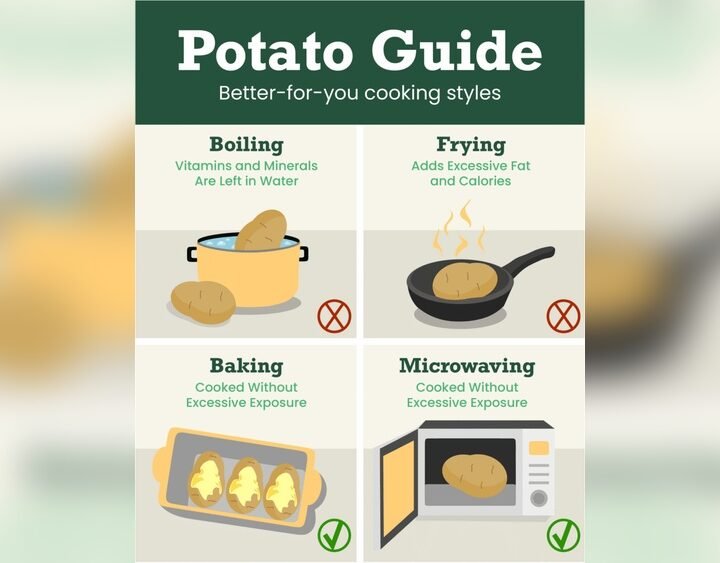
Boiling is the simplest method—just cook your food in a pot of water. Pasta, eggs, and potatoes are all boiled. I’ve noticed that boiling vegetables can sometimes make them bland, so I prefer to keep the cooking time short or use flavorful broths.
Simmering
Simmering is gentler than boiling. The liquid barely bubbles. I use simmering for soups, stews, and sauces. It slowly breaks down tough cuts of meat and blends flavors. The trick is patience—rushing can make your stew tough.
Steaming
Steaming cooks food with hot vapor. Vegetables and fish keep more nutrients and a bright color. I use a simple steamer basket, but you can steam with just a bit of water and a covered pot. Steamed broccoli is much tastier (and crunchier) than boiled.
Poaching
Poaching means cooking food in hot (but not boiling) liquid. I poach eggs, chicken, and fish for a gentle, moist result. The key is to keep the temperature low, around 160–180°F (71–82°C). Poached salmon is delicate and never dry.
Combination Cooking Methods
These methods use both dry and moist heat. They’re perfect for dishes that need browning and then slow cooking.
Braising
Braising starts by browning meat or veggies in a little oil, then adding liquid and simmering for a long time. I love braising tougher meats like brisket or short ribs—they turn fork-tender. The sauce gets rich and flavorful.
Stewing
Stewing is similar to braising but uses smaller pieces of meat, fully covered in liquid. Think of classic beef stew. It’s a comforting method, especially in winter. Stewing is forgiving—you can add almost any vegetable, and the long cook time blends everything together.
Quick Cooking Methods
Sometimes you need dinner fast. These methods get food on the table in minutes.
Sautéing
Sautéing uses a small amount of oil in a hot pan. It’s perfect for veggies, shrimp, or thin cuts of meat. I like how sautéing brings out the color and keeps things crisp-tender. The main mistake is overcrowding the pan—then food steams instead of browning.
Stir-frying
Stir-frying is like sautéing but even faster, using high heat and constant stirring. A wok works best, but any large skillet will do. I use this when I want a healthy, colorful meal fast. Prep everything before you start, because it cooks in a flash.
Pan-frying
Pan-frying uses more oil than sautéing and is great for breaded foods like chicken cutlets or fish fillets. I’ve learned to heat the oil before adding food for a crisp crust. Don’t flip too soon—let it brown.
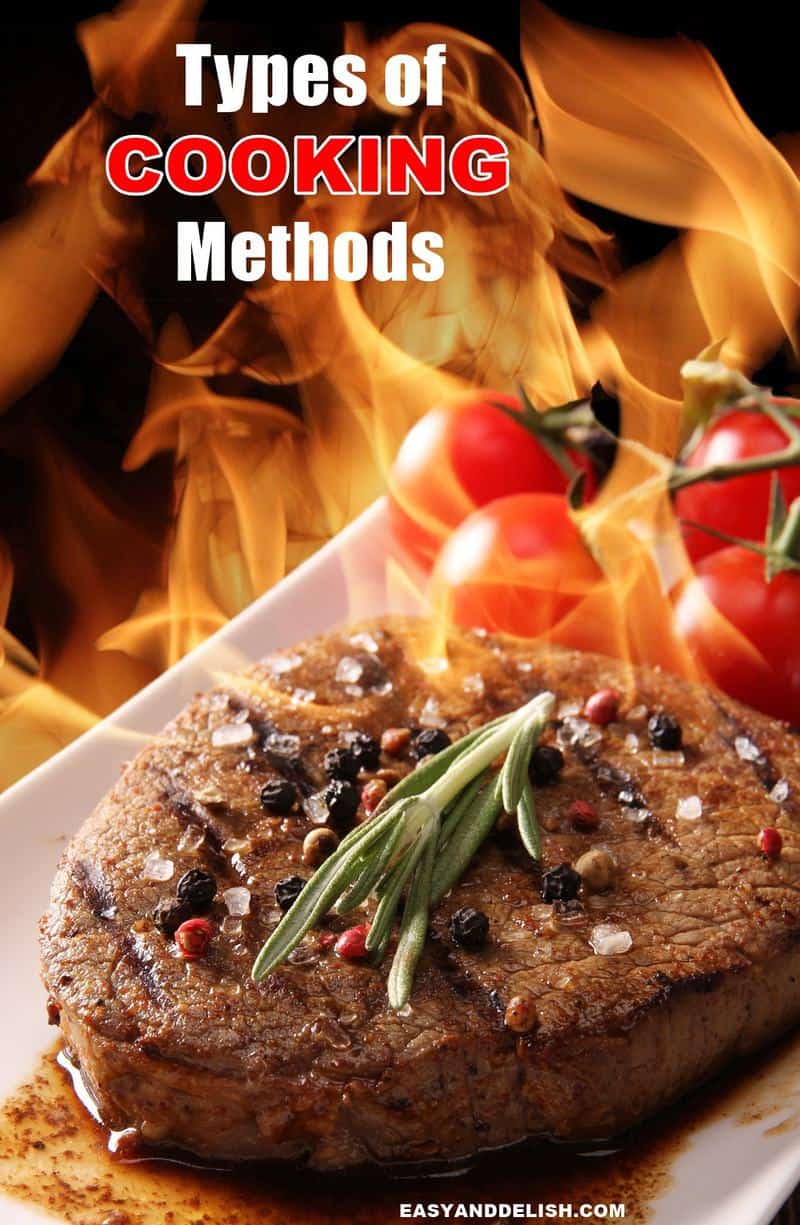
Credit: www.easyanddelish.com
Cooking Method Comparison
To help you see the differences, here’s a simple chart comparing popular methods:
| Method | Best For | Texture | Typical Time |
|---|---|---|---|
| Roasting | Meat, vegetables | Crispy outside, moist inside | 30-90 min |
| Boiling | Pasta, eggs, potatoes | Soft, sometimes bland | 10-30 min |
| Sautéing | Vegetables, thin meats | Crisp-tender | 5-10 min |
| Braising | Tough meats | Very tender | 1-3 hrs |
Which Cooking Method Is Best For You?
Choosing the right method depends on your goals. Here are a few things to think about.
- Flavor: Roasting and grilling add deep, rich flavors. Steaming keeps things clean and fresh.
- Health: Steaming and poaching use less oil and keep nutrients in the food. Deep-frying adds extra fat.
- Time: Sautéing, stir-frying, and broiling are fast. Braising and stewing are slow, but you can make big batches.
- Texture: If you like crispiness, go for roasting or grilling. For softness, try boiling or stewing.
Here’s a quick reference for matching methods to needs:
| Goal | Recommended Methods |
|---|---|
| Quick Meals | Sautéing, stir-frying, broiling |
| Healthy Eating | Steaming, poaching, roasting (with little oil) |
| Comfort Food | Braising, stewing, baking |
| Entertaining Guests | Grilling, roasting |

Credit: www.keefthebeef.com
Insights From My Own Kitchen
When I first started cooking, I stuck to boiling and frying because that’s what I knew. But I quickly saw their limits—some foods were dry, others soggy. Once I tried roasting vegetables, I never went back to boiling them. The caramelized flavor was a game-changer.
Grilling took some practice. I burned a few burgers before learning to preheat the grill and watch for flare-ups. Steaming was a pleasant surprise—fish and greens stayed moist and tasted fresh.
The biggest lesson? Don’t be afraid to experiment. Each method has its strengths, and sometimes the best meals come from mixing techniques. For example, I often sear chicken breasts, then finish them in the oven for the best of both worlds.
A common beginner mistake is not matching the method to the food. I once tried to grill a thick piece of pork tenderloin as if it were a steak. The outside burned while the inside was raw. Now, I know to use indirect heat or finish thick cuts in the oven.
For more in-depth guidance on cooking methods, check out the Wikipedia guide on cooking techniques.
Frequently Asked Questions
What Is The Healthiest Cooking Method?
Steaming and poaching are healthiest because they use little to no added fat and keep most nutrients in the food.
Can I Use The Same Method For All Ingredients?
Not always. Some foods need gentle heat (like fish), while others benefit from high heat (like steak). Choose the method based on the ingredient and your desired result.
Why Do My Roasted Vegetables Turn Out Soggy?
Soggy vegetables usually mean the pan is too crowded or the oven isn’t hot enough. Spread veggies in a single layer and roast at a high temperature for crispness.
How Do I Avoid Dry Chicken Breasts?
Try brining first, or use methods like poaching or baking with a sauce. Overcooking is the biggest cause of dryness—use a thermometer if you can.
What’s The Difference Between Sautéing And Stir-frying?
Both use high heat, but stir-frying is faster and uses constant motion, usually in a wok. Sautéing is slower, with less stirring, often in a skillet.
Trying new cooking methods can transform your meals and make cooking more fun. Start simple, pay attention to how each method changes your food, and enjoy the results. Good luck in your kitchen adventures!
Credit: recipe52.com