
I always thought salad was only for dieting, but my opinion changed over the years. I found out that salad can fit into any meal or snack, and it’s not just “rabbit food. ” In fact, when you eat salad can change how you feel, your energy, and even your digestion.
Here’s what I’ve learned about when you can eat salad, based on my own experience, research, and a few funny mistakes along the way.
Salad At Different Times Of Day
You can eat salad at almost any time, but each moment has its own perks. Let me walk you through what I’ve discovered.
Breakfast Salads
This sounded strange to me at first. Who eats salad for breakfast? But after trying a simple green salad with a poached egg, I felt lighter and more energetic than after eating pancakes. Salads in the morning give you vitamins and fiber right away.
They’re also easy to digest, especially if you avoid heavy dressings.
Tip: Add a bit of fruit or nuts to your breakfast salad for sweetness and crunch.
Lunch Salads
Lunch is when I eat salad most often. It’s quick, fresh, and doesn’t make me sleepy in the afternoon. I usually toss together spinach, tomatoes, grilled chicken, and a simple vinaigrette. This keeps me full but not heavy.
Eating salad at lunch is great if you want to avoid a carb crash. It’s also easy to pack for work or school.
Dinner Salads
I’ve had both good and bad experiences with salad for dinner. If I eat just greens, I get hungry before bed. But when I add protein—like beans, cheese, or salmon—I stay full all evening.
Salads at dinner help me wind down. They don’t sit heavy in my stomach, so I sleep better. I also like to make them a bit heartier with grains or roasted vegetables.
Snacks And Appetizers
Sometimes, I crave a little crunch between meals. A small salad with cucumbers, carrots, and a light dressing is perfect. It’s better than chips and gives me a boost without ruining my appetite.
Before a big meal, having a small salad as an appetizer can help control portions. I feel less likely to overeat when I start with greens.
Health Benefits And Timing
When you eat salad can affect your health in real ways. Here’s what I’ve noticed and learned.
Digestion And Energy
Salads are packed with fiber. If I eat a salad before a big meal, I digest everything better. The fiber slows sugar spikes, so I don’t feel tired after eating. If I eat salad late at night, though, too much raw veggie can upset my stomach.
Nutrient Absorption
I learned the hard way that eating salad with a little healthy fat helps your body absorb vitamins A, D, E, and K. Sometimes I’d skip the oil, but then I felt less satisfied. Now, I use olive oil or avocado.
Non-obvious tip: Avoid eating only raw salads every day. Mixing raw and cooked vegetables gives your body a better range of nutrients.
Weight Management
Eating salad before a main course makes me eat less overall. This trick helped me control my weight without feeling deprived. But if the salad is drenched in creamy dressing, it’s not as healthy.
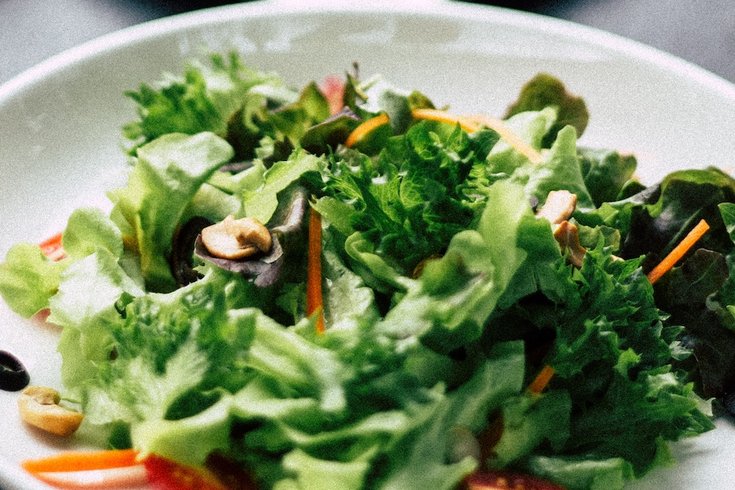
Credit: www.phillyvoice.com
When To Avoid Salad
There are a few times when salad isn’t a good idea. I found these out the hard way.
- Before intense exercise: Raw veggies can cause bloating. I tried eating a giant salad before a run and regretted it!
- When your stomach is upset: Sometimes, raw veggies can make things worse. In these times, I stick to cooked veggies or soup.
Salad In Social And Cultural Settings
Salad is not just for health nuts or dieters—it fits into many cultures and traditions. At parties, I’ve seen salads as a side, a main dish, or even dessert (fruit salad). In some countries, salad comes after the main course to help with digestion.
This surprised me the first time I ate at a French friend’s house. Salad was the last thing before dessert!
Salad By Season: My Favorite Times
Fresh salad tastes best when the ingredients are in season. In summer, I love tomatoes and cucumbers. In winter, I switch to roasted root vegetables or grains with greens.
Here’s a quick look at how my salads change throughout the year:
| Season | Best Salad Ingredients | Why I Like Them |
|---|---|---|
| Spring | Asparagus, peas, lettuce | Fresh, sweet, and light |
| Summer | Tomatoes, cucumbers, berries | Juicy and hydrating |
| Fall | Pumpkin, apples, kale | Hearty and colorful |
| Winter | Roasted beets, grains, spinach | Filling and warming |
How Salad Fits Different Diets
No matter your eating style, salad can fit in. I’ve seen friends on keto, vegan, and gluten-free diets all enjoy salads. You just need to tweak the ingredients.
For example:
- Keto: Use leafy greens, cheese, nuts, and olive oil.
- Vegan: Try beans, seeds, and lots of fresh veggies.
- Gluten-free: Skip croutons and use quinoa or rice.
Here’s a quick comparison of salad styles I’ve tried:
| Diet Type | Main Ingredients | My Experience |
|---|---|---|
| Keto | Greens, avocado, eggs | Very satisfying, keeps hunger away |
| Vegan | Beans, seeds, veggies | Filling, lots of variety |
| Gluten-free | Rice, corn, greens | Easy to digest, no stomach issues |
:max_bytes(150000):strip_icc()/Is-It-Safe-to-Eat-Salad-Greens-if-You-Pick-Out-the-Slimy-Pieces-2000-739b04ba65464b78a38ff00d3ccf3d6a.jpg)
Credit: www.eatingwell.com
Common Mistakes And My Lessons
I’ve made plenty of salad mistakes. Here are a few you can avoid:
- Eating only lettuce: This left me hungry. Add protein, grains, or nuts for balance.
- Skipping healthy fats: A little oil or avocado makes salads more filling and nutritious.
- Using too much dressing: It’s easy to turn a healthy salad into a calorie bomb.
- Ignoring seasonality: Out-of-season veggies taste bland and cost more.
- Not washing greens well: Once, I got gritty sand in my teeth. Always rinse!
Why I Eat Salad Anytime
For me, salad is not just a side dish. It’s a way to get more plants into my day, try new flavors, and feel good after eating. The best part? There’s no “wrong” time to eat salad—just pay attention to how your body feels.
If you want more science-backed info, here’s a helpful guide from the Harvard T.H. Chan School of Public Health.

Credit: www.reddit.com
Frequently Asked Questions
Is It Okay To Eat Salad Every Day?
Yes, but mix up your ingredients. Eating the same salad daily can get boring and limit your nutrients.
Can You Eat Salad At Night?
Absolutely, as long as you add protein or grains to keep you full. Avoid heavy dressings if you want to sleep well.
What’s The Best Time Of Day For Salad?
Lunch is a great time, but breakfast salads are energizing and dinner salads help you feel light before bed.
Can Salad Replace A Meal?
If you add protein, grains, and healthy fat, salad can be a complete meal. Just lettuce is not enough for most people.
Are Salads Always Healthy?
Not always. Too much cheese, bacon, or creamy dressing can make a salad high in calories and fat. Keep it balanced for the best results.
Salad can fit into your day whenever you want. Try new combinations, listen to your body, and enjoy the freshness. That’s what changed my mind—and my health—for the better.


