
When Is The Best Time To Eat Salad
Have you ever wondered if there’s a perfect moment to enjoy a salad? I used to think salad was just for lunch or a quick side with dinner. But after years of experimenting (and a few soggy lettuce fails), I realized timing can make a big difference.
Salads can be light, filling, or even energizing, depending on when and how you eat them. If you’re hoping to get the most out of your greens, understanding the best time to eat salad is more important than you might think.
How Salad Fits Into Your Day
Let’s be honest. Not all salads are created equal. I’ve had times when a hearty salad kept me full for hours, and others when I was hungry again in 30 minutes. The secret? When you eat your salad and what you put in it.
Salad For Breakfast: Is That A Thing?
It might sound odd, but breakfast salads are getting popular. On busy mornings, I sometimes toss together spinach, boiled eggs, and cherry tomatoes. It wakes me up better than coffee! Starting the day with a salad means you get fiber, vitamins, and hydration early. Plus, it’s a smart way to sneak in extra veggies if you struggle later in the day.
Quick example: Imagine a Monday morning when you need energy for a long meeting. A light salad with greens, nuts, and citrus can help you stay alert without making you feel heavy.
Salad Before, With, Or After Meals?
You’ve probably noticed some people eat salad as a starter, while others treat it as the main event. Let’s break down how timing affects your body and your hunger.
Starter Salad: Why It Works
Eating a salad before your main meal is a trick I learned from a nutritionist friend. She explained that starting with veggies fills you up, so you’re less likely to overeat the heavier foods that come after. Science backs this up—studies show eating a low-calorie salad before a meal can reduce total calorie intake by about 7-12%.
Main Course Salad: Power Lunch
If you make your salad the main dish, especially at lunch, you’ll stay full and energized. I like to add chicken, beans, or quinoa for protein. This keeps my energy steady through the afternoon. And trust me, it beats the 3 pm energy crash you get from a big bowl of pasta.
Real-life tip: On busy workdays, a protein-packed salad keeps me productive. No more struggling to stay awake at my desk.
Salad After A Meal
In some cultures, salad comes after the main course. This helps with digestion because the fiber slows sugar absorption. If you tend to get sluggish after big meals, ending with a small, fresh salad can help you feel lighter.

Credit: www.slurrp.com
Salad Timing And Your Health Goals
Your personal health goals should guide when you eat salad. Let’s look at how salad timing can help with common goals.
Weight Loss
If you want to lose weight, having a salad before meals is smart. It fills you up with fiber and water, so you eat less of the higher-calorie foods that follow.
Better Digestion
Eating salad with or after meals can support digestion. The fiber in raw veggies helps move food through your system. If you often feel bloated, try adding a small salad with lunch or dinner.
More Energy
A well-balanced salad for lunch gives steady energy. Avoid salads with only greens—add protein and healthy fats to keep hunger away.
Here’s a quick look at how salad timing supports different goals:
| Goal | Best Time for Salad | Why |
|---|---|---|
| Weight Loss | Before meals | Reduces calorie intake |
| Energy | Lunch or breakfast | Steady fuel, no crash |
| Digestion | With or after meals | Supports gut health |
Salad And Exercise
This is a question I get a lot: “Should I eat salad before or after a workout?” The answer depends on your activity level and salad type.
- Before exercise: Go for a light salad with greens, fruit, and a small amount of protein. Too much fiber right before activity can cause stomach discomfort.
- After exercise: Your body needs to recover. Add carbs (like sweet potatoes or beans), protein (chicken, tofu), and healthy fats (avocado, seeds) to your salad.
Personal experience: I once ate a giant kale salad before a run—bad idea! I felt heavy and slow. Since then, I keep pre-workout salads small and simple.
Credit: www.camposol.com
Salad And Time Of Day
Some people ask, “Is it better to eat salad during the day or at night? ” Let’s look at both.
Morning And Midday
Salads are perfect for breakfast and lunch because your body digests raw veggies best when you’re active. I find I feel lighter and more focused after a fresh lunch salad.
Evening
You can still enjoy salad for dinner. Just be careful with raw onions, peppers, or large portions if you have a sensitive stomach. Heavy or spicy salads late at night sometimes disturb sleep.
Tip: If you want salad for dinner, add some warm ingredients like roasted vegetables or grilled chicken. It feels more satisfying.
How Different Salads Fit Different Times
Not all salads are good for every time of day. Here’s a simple comparison to help you pick:
| Time | Type of Salad | Why It Works |
|---|---|---|
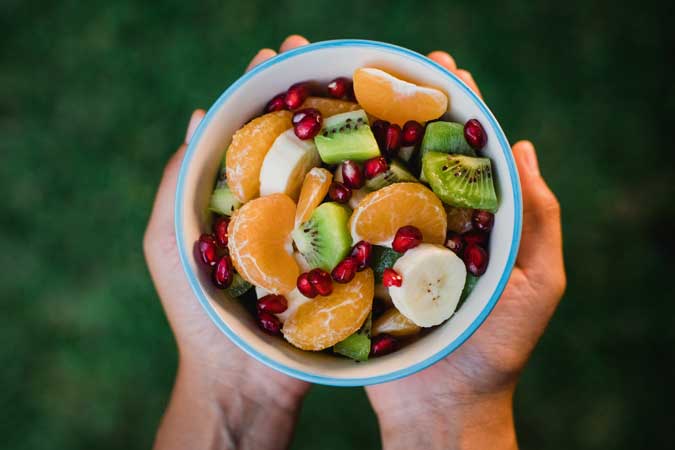
| Breakfast | Fruit & Greens | Fresh, hydrating, gentle on stomach |
| Lunch | Protein-rich (chicken, beans) | Fills you up, steady energy |
| Dinner | Mixed veggie with warm topping | Comforting, easy to digest |
:max_bytes(150000):strip_icc()/GettyImages-2194247465-55fa2873ced54f7aa4c8c159ff4eceb3.jpg)
Credit: www.verywellhealth.com
Surprising Benefits Of Eating Salad At The Right Time
- Better hydration: Salads with cucumbers or lettuce add water, which is great if you forget to drink enough.
- Improved focus: Starting lunch with a salad helps avoid the sleepy feeling after heavy meals.
- Supports healthy habits: When you start your day with a salad, it’s easier to make good choices later.
Common Mistakes (and How To Avoid Them)
- Skipping protein: Pure greens won’t keep you full. Add eggs, beans, cheese, or chicken.
- Too much dressing: Heavy dressing can turn a healthy salad into a calorie bomb.
- Eating only salad: Balance is key. Don’t rely only on salad for every meal.
- Raw veggies late at night: This can upset sensitive stomachs.
Real-life Stories
A friend of mine started eating a salad before every dinner. She noticed she naturally ate smaller portions of the main course and started losing weight without feeling deprived. I tried the same thing and found I slept better, too.
Another time, I switched my usual heavy lunch for a light salad with grilled salmon. I didn’t get that tired, slow feeling in the afternoon. It was a small change, but it made a big difference in my productivity.
Smart Salad Tips
- Prep veggies ahead for quick salads.
- Mix up ingredients—try new greens, nuts, seeds, or fruits.
- If you eat salad for breakfast, keep it light and easy to digest.
- For lunch, add protein for lasting fullness.
- At dinner, add some warm or cooked veggies to help with digestion.
For more on the science of salad and health, check out this Harvard Health resource.
Frequently Asked Questions
When Is The Healthiest Time To Eat Salad?
The healthiest time depends on your goal. For weight loss, eat salad before meals. For energy, lunch is best. For digestion, try with or after dinner.
Can You Eat Salad Every Day?
Yes, daily salads are safe and healthy. Just make sure to add protein and use a variety of veggies for balanced nutrition.
Is Salad Good For Breakfast?
Absolutely! Salads with eggs, greens, or fruit are refreshing and light for morning meals.
Should I Eat Salad Before Or After Working Out?
Eat a small, light salad before working out and a bigger, balanced salad after for recovery.
What Should I Avoid Putting In My Salad?
Avoid too much creamy dressing, fried toppings, or only raw onions at night, as these can cause stomach upset or add extra calories.
Finding the best time to eat salad isn’t about strict rules. Listen to your body, experiment with timing, and enjoy your greens when they make you feel your best. Your body—and your taste buds—will thank you!