Cutting up a whole chicken at home felt intimidating when I first tried it. I’d always bought chicken pieces from the store, thinking it was easier. But once I learned how to do it myself, I realized how much money I could save, how much fresher the meat tasted, and how satisfying it felt to use every part.
If you’ve ever stood in your kitchen, staring at a whole chicken and wondering where to start, you’re not alone. I’m here to walk you through every step with tips I wish someone had shared with me.
Why Cut A Whole Chicken Yourself?
Buying a whole chicken is usually cheaper than buying individual parts. On average, I found I saved $1–$2 per pound. You also get the bonus of using the carcass for homemade chicken stock. Plus, you can choose how big or small to cut each piece—great for families or meal prepping.
There’s also something satisfying about mastering a basic kitchen skill. The first time I cut up a chicken, I was nervous. But after a few tries, it became almost meditative. You learn more about the bird, waste less, and get better tasting results.
Tools You Need
You don’t need fancy equipment. Here’s what worked best for me:
- Sharp chef’s knife (8-inch or longer)
- Cutting board (preferably plastic for easy cleaning)
- Kitchen shears (optional, for backbone removal)
- Paper towels (for grip and clean-up)
A dull knife makes the job harder and less safe. I made that mistake once—never again.

Credit: natashaskitchen.com
Step-by-step: How I Cut A Whole Chicken
Let’s break this down. I’ll describe each piece as I go, and why the order matters.
1. Prep The Chicken
Pat the chicken dry with paper towels. This keeps it from slipping. Place it breast side up on your board. Double-check for any stray feathers or giblets inside.
2. Remove The Legs
Pull one leg away from the body. Slice through the skin between the leg and breast. Bend the leg back until you hear a pop—this means the joint is exposed. Cut through the joint to remove the leg. Repeat on the other side.
Pro tip: If the joint resists, you’re probably a bit off—wiggle the knife until it slips in easily.
3. Separate Drumsticks And Thighs
Place each leg skin-side down. You’ll see a thin line of fat between the drumstick and thigh. Cut along this line—your knife should slide right through the joint. If you hit bone, adjust your angle.
4. Remove The Wings
Pull each wing away from the body. Slice through the skin, then bend the wing to pop the joint. Cut through the joint to remove. I use wings for snacks or to boost flavor in soup.
5. Remove The Backbone (optional)
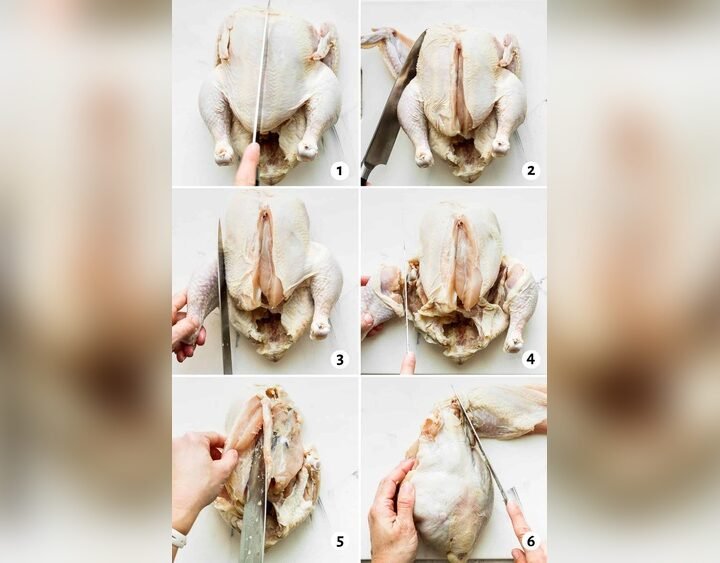
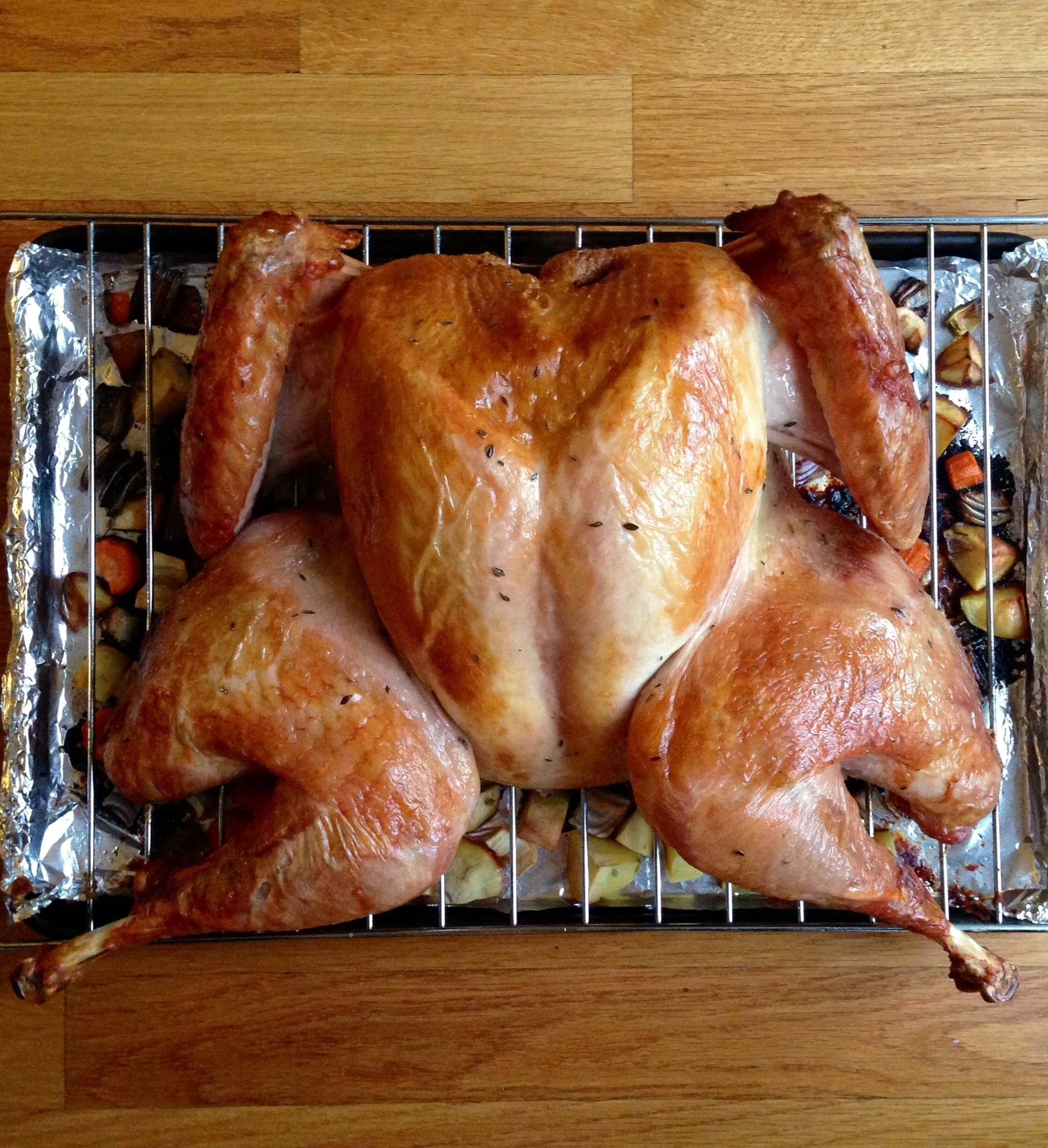
If you want to spatchcock or flatten the chicken, use kitchen shears to cut along both sides of the backbone and remove it. I save the backbone for stock.
6. Split The Breast
With the chicken breast-side up, place your knife in the center (between the two breast halves). Press down firmly to split through the bone. Go slow—this takes a bit of effort the first time.
7. Trim And Tidy
Check each piece. Trim off any excess fat or skin. I like to keep some skin on for roasting, but you can remove it if you want.
Here’s a simple breakdown of what you get from one bird:
| Chicken Part | Typical Weight (oz) | Common Uses |
|---|---|---|
| Drumsticks | 4–5 each | Grilling, Frying |
| Thighs | 5–6 each | Braising, Roasting |
| Wings | 2–3 each | Snacks, Broth |
| Breasts | 8–10 each | Grilling, Sautéing |
| Backbone | Varies | Stock, Soup |
Common Mistakes I Made
The first few times, I struggled. Here are the things I wish I’d known:
- Rushing the joints: If you force the knife, you’ll hit bone. Always look for the joint—it’s softer, and the knife slides easily.
- Slippery chicken: Dry the chicken well before starting. Wet skin is hard to hold and dangerous with a sharp knife.
- Wrong knife: I tried using a small knife—it made things harder and less safe. Use a big, sharp one.
- Wasting the carcass: Don’t throw away the backbone or extra bits. Simmer them with water, onion, and carrot for amazing homemade stock.
Credit: www.shenkfamilyfarm.com
How Cutting Methods Compare
Curious if it’s worth doing this at home? Here’s how home butchering stacks up compared to buying pre-cut parts:
| Aspect | Whole Chicken (DIY) | Pre-Cut Parts |
|---|---|---|
| Cost | Cheaper per pound | More expensive |
| Freshness | Cut just before use | May sit in store for days |
| Customization | Cut to your size | Standard sizes |
| By-products (stock) | Available | Not included |
A Few Surprising Tips
- Let the chicken rest after cutting. I put mine in the fridge for 10–15 minutes. This helps the pieces firm up, especially if you plan to fry or roast them.
- Freeze extra pieces right away. I portion drumsticks and wings into bags for future meals.
- Practice makes perfect. My first try wasn’t pretty, but every chicken after got easier and faster.
Real-life Example
Last Sunday, I cut up a whole chicken in under 10 minutes. The breasts went into a stir fry, the thighs into a sheet pan dinner, and the leftover bones made a pot of stock. Nothing went to waste. I still remember being proud of using every part—something I never felt buying packaged pieces.
When Not To Cut Your Own Chicken
There are a few times when I buy pre-cut chicken. If I’m short on time, or making a recipe that needs only one cut (like wings for a party), convenience wins. But most weeks, I stick to whole birds.

Credit: natashaskitchen.com
Storage And Food Safety Tips
Keep things clean. Wash your hands and cutting board with hot, soapy water after handling raw chicken. I use a separate board just for poultry. Don’t leave the chicken at room temperature for long. If you’re not cooking right away, refrigerate or freeze the pieces within 30 minutes.
Here’s a quick storage guide:
| Chicken Part | Fridge (Days) | Freezer (Months) |
|---|---|---|
| Breasts | 1–2 | 9 |
| Thighs/Drumsticks | 1–2 | 9 |
| Wings | 1–2 | 6 |
| Stock/Bones | 1–2 | 3 |
Frequently Asked Questions
How Long Does It Take To Cut A Whole Chicken?
Once you get the hang of it, about 5 to 10 minutes. My first time took longer, but practice makes it much faster.
What If I Don’t Have Kitchen Shears?
You can still cut a chicken with just a sharp knife. Shears just make removing the backbone quicker.
Is It Safe To Cut Chicken At Home?
Yes, as long as you clean your tools and hands well. Always keep raw chicken away from other foods.
What Should I Do With The Leftover Bones?
Simmer them with veggies for homemade chicken stock. It’s simple and adds a lot of flavor to soups and stews. More info can be found at Serious Eats.
Can I Freeze The Pieces After Cutting?
Absolutely. I usually pack them in airtight bags and label with the date. They keep well for months.
Cutting up a whole chicken changed the way I cook at home. It’s a simple skill, but it makes a big difference in taste, value, and confidence in the kitchen. Try it once—you might never go back to buying only chicken breasts again.