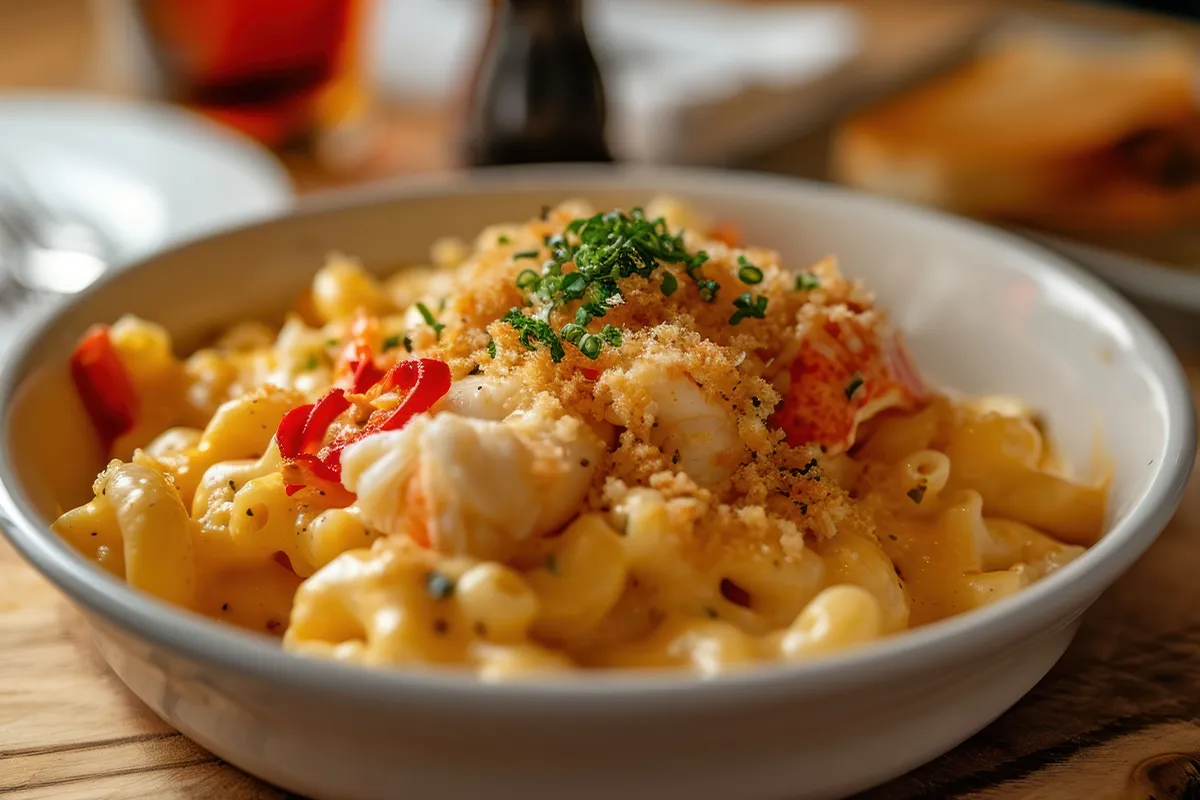
When I first tried lobster mac and cheese, I didn’t expect it to be so comforting and luxurious at the same time. I’ve always loved creamy pasta, but adding tender lobster brings it to another level. Over the years, I’ve played with recipes, tested different cheeses, and learned a few tricks to make this dish extra creamy. If you’re looking for a dish that feels fancy but still delivers the warmth of home-cooked comfort food, extra creamy lobster mac and cheese is the answer. Let me walk you through everything I’ve learned, from choosing the right ingredients to getting that perfect, velvety sauce.
Why Extra Creaminess Matters
A lot of recipes promise “creamy” mac and cheese, but not all deliver on that ultra-smooth, rich texture. The secret, I found, is in both the sauce base and the cheese blend. Some recipes use only cheddar, which can turn grainy. Others use milk instead of cream and end up thin. Through trial and error, I discovered that combining heavy cream with a mix of cheeses, plus a little extra butter, makes all the difference.
There’s also something magical about the contrast—the sweet lobster with the deep, cheesy sauce. The creaminess helps the flavors blend, so every bite is luxurious but never overwhelming.
Ingredients That Make A Difference
Here’s what I use for an extra creamy lobster mac and cheese that stands out. (This serves 4 hearty portions. )
- 8 oz elbow macaroni (or cavatappi for a twist)
- 2 cups cooked lobster meat, chopped (claw and tail are best)
- 3 cups shredded cheese (1 cup sharp cheddar, 1 cup Gruyère, 1 cup fontina)
- 2 cups heavy cream
- 2 tbsp unsalted butter
- 2 tbsp all-purpose flour
- 1/2 cup whole milk
- 1/2 tsp garlic powder
- 1/2 tsp smoked paprika
- 1/2 tsp mustard powder
- 1/4 tsp white pepper
- Salt, to taste
- 1/2 cup panko breadcrumbs
- 2 tbsp grated Parmesan cheese
- 1 tbsp chopped chives (optional, for garnish)
- Lemon wedges, to serve
Non-obvious tip: Use Gruyère and fontina. Gruyère melts smoothly and fontina adds a mild, creamy layer. Cheddar on its own can turn oily.
Another insight: Don’t skip the mustard powder or paprika. They brighten the cheese and keep the sauce from tasting flat.

Credit: www.spendwithpennies.com
Step-by-step Cooking Instructions
I’ve found that following a few key steps keeps the dish creamy from oven to table.
- Cook the Pasta: Boil in salted water until just al dente. (It will cook more in the oven.) Drain and set aside.
- Prepare the Lobster: If you’re using live lobster, steam and chop the meat. Pre-cooked lobster tails work, too. (Don’t overcook, or it turns rubbery.)
- Make the Sauce Base: In a heavy saucepan, melt butter over medium heat. Whisk in flour and cook for 1 minute. This removes the raw flour taste.
- Add Liquids Slowly: Pour in cream and milk, whisking constantly. Simmer gently until thickened, about 5 minutes.
- Melt in the Cheeses: Lower the heat. Add cheddar, Gruyère, and fontina, one handful at a time. Stir until smooth. Add garlic powder, paprika, mustard powder, white pepper, and salt.
- Combine with Pasta and Lobster: Stir cooked pasta and lobster into the sauce. Gently fold everything together.
- Top and Bake: Pour into a buttered baking dish. Mix panko and Parmesan, sprinkle over the top. Bake at 375°F (190°C) for 20-25 minutes, until golden.
- Finish and Serve: Rest for 5 minutes. Garnish with chives and a squeeze of lemon.
Pro tip: If you want it even creamier, add a splash of cream before baking. It keeps the sauce loose.
Mistake to avoid: Overbaking dries out the sauce. Bake only until the top is golden.
Cheese Choices: What Works Best
I experimented with a lot of cheeses before settling on my favorite combo. Here’s how the most popular options compare:
| Cheese | Texture | Flavor |
|---|---|---|
| Sharp Cheddar | Semi-firm, melts well | Tangy, classic |
| Gruyère | Creamy, smooth | Nutty, rich |
| Fontina | Very creamy | Mild, buttery |
| Parmesan | Hard, crumbly | Salty, umami |
Lobster: Fresh Vs. Frozen
I used to think only fresh lobster would work, but I was wrong. Here’s what I learned:
| Type | Texture | Ease of Use |
|---|---|---|
| Fresh | Very tender | Requires cooking/cleaning |
| Frozen (tail meat) | Still good if not overcooked | Quick and convenient |
| Imitation | Rubbery, less flavor | Not recommended |
If you have access to fresh lobster and don’t mind a little work, it’s unbeatable. But good-quality frozen lobster tail is a solid backup. Just avoid imitation lobster—it never tastes right.
Texture: Getting It Creamy Every Time
The first time I made lobster mac, I followed a simple stovetop recipe. The cheese sauce broke and turned oily. Here’s what I do now to avoid that:
- Always melt cheese on low heat and add it gradually.
- Don’t add cheese to boiling liquid—it will curdle.
- Use a ratio of about 1 cup cream/milk per cup of cheese.
- If reheating, add a splash of milk to loosen the sauce.
I also learned that baking can dry out the dish. The panko topping is delicious, but don’t over-bake or the sauce tightens up.

Credit: thecheesewedge.ca
Common Mistakes (and How To Avoid Them)
Even experienced cooks can run into trouble with lobster mac and cheese. Here are some pitfalls I’ve seen and how to dodge them:
- Overcooking Lobster: It turns tough. Steam gently, then add to hot pasta at the end.
- Using Only Cheddar: Makes the sauce greasy and grainy. Mix in Gruyère or fontina for smoothness.
- Skipping the Roux: The butter-flour base keeps the sauce stable and creamy.
- Not Salting the Pasta Water: The macaroni will taste bland if you forget this step.
Serving Suggestions
Extra creamy lobster mac and cheese is rich, so I like to serve it with something bright and fresh. A simple green salad with lemon vinaigrette works well. For a special dinner, I add a glass of crisp white wine like Chardonnay.
For leftovers, reheat gently with a splash of milk, and don’t microwave on high—low and slow keeps it creamy.
Real-life Results And My Honest Take
Every time I serve this dish, it disappears fast. People always ask for the recipe, and even those who say they don’t like seafood end up loving it. The extra creaminess makes it feel like something you’d get in a fancy restaurant, but it’s really easy to make at home.
The only real downside? Lobster can be pricey. Sometimes I use less and add a little crab or even shrimp to stretch it further. The flavor is still incredible.
For more about lobster’s history and uses, you can check out this Lobster overview.
Frequently Asked Questions
How Do I Keep Lobster Mac And Cheese Creamy After Baking?
Add a bit more cream to the sauce before baking and avoid overcooking. Let it rest for a few minutes before serving, and stir gently if it looks dry.
Can I Use Other Seafood Instead Of Lobster?
Yes, crab or shrimp work well. The key is not to overcook them. They should be tender, not rubbery.
What’s The Best Pasta Shape For This Dish?
Elbow macaroni and cavatappi are my favorites. They hold the creamy sauce and mix well with lobster.
Can I Make Lobster Mac And Cheese Ahead Of Time?
You can assemble it a few hours ahead and keep it in the fridge. Bake just before serving, and add a splash of milk or cream if needed.
Is There A Way To Make It Lighter?
You can use half-and-half instead of heavy cream and reduce the cheese a bit, but the dish won’t be quite as creamy. Sometimes I add steamed broccoli for balance.
Extra creamy lobster mac and cheese is one of those recipes that never fails to impress. It’s rich, comforting, and always feels like a treat. With these tips and tricks, you’ll get restaurant-quality results in your own kitchen.
Credit: redcrabseafood.com