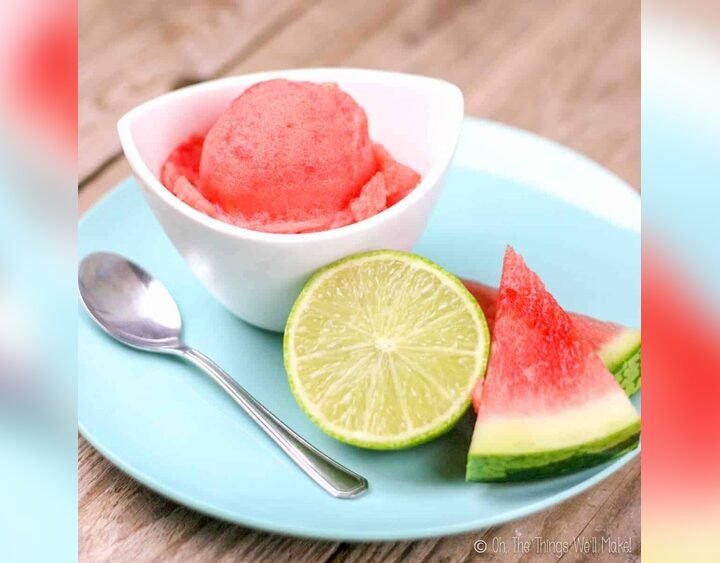
When the summer sun starts to sizzle, I always crave something cold, sweet, and refreshing. But I want it to be healthy, too. That’s how I discovered the magic of watermelon sorbet. I’m excited to share my easy healthy watermelon sorbet recipe with you—something I’ve made again and again because it tastes amazing, uses simple ingredients, and is so easy anyone can do it.
If you’ve ever found yourself staring at a giant watermelon, wondering how you’ll eat it all before it turns mushy, this recipe is your answer. Sorbet is the perfect way to turn leftover watermelon into a treat that feels fancy but is secretly guilt-free.
Over time, I’ve tested tweaks, learned the little tricks that make sorbet creamy, and figured out how to keep that bright, juicy flavor. I’ll walk you through everything, from picking the right watermelon to storing leftovers, and I’ll even share what I wish I knew when I first started.
Let’s dive in—this is the kind of recipe you’ll come back to every summer.
Why Watermelon Sorbet Is My Go-to Summer Treat
Watermelon is more than just a picnic favorite. When I first tried making watermelon sorbet, I was amazed at how light and cooling it felt—almost like eating a frozen cloud. I love that it’s naturally sweet, so you don’t need much added sugar. Plus, it’s vegan, dairy-free, and perfect for just about any diet.
Another reason I make this sorbet on repeat: It’s a no-fuss dessert. No ice cream maker? No problem. All you need is a blender and a freezer. The recipe comes together in about 10 minutes, not counting freezing time. And if you have kids (or friends who act like kids), they’ll love helping out. You can even sneak in some mint, lime, or other fruits for a twist.
What Makes Watermelon Sorbet Healthy?
When people hear “sorbet,” they sometimes think of sugar-loaded frozen desserts from the store. But homemade watermelon sorbet is a different story. Here’s why I count it as a healthy treat:
- Low calorie: Watermelon is about 90% water, which means each serving is light and hydrating.
- Natural sweetness: Ripe watermelon usually needs very little added sugar—sometimes none at all.
- Vitamins and minerals: You get a good dose of vitamin C, vitamin A, and potassium in every scoop.
- No dairy or fat: If you’re avoiding dairy, this sorbet is naturally free of cream or milk.
- Fiber: Even after blending, you keep a bit of fiber, which is good for digestion.
If you compare it to ice cream, the difference is striking. Here’s a quick snapshot based on my own kitchen tests:
| Frozen Treat | Calories (per 1/2 cup) | Added Sugar | Fat | Vegan |
|---|---|---|---|---|
| Watermelon Sorbet | 60-70 | 0-5g | 0g | Yes |
| Vanilla Ice Cream | 130-160 | 12-16g | 7-9g | No |
| Frozen Yogurt | 110-120 | 14-20g | 2-4g | Sometimes |
When you see those numbers, it’s easy to see why I go for sorbet when I want to feel good about dessert.

Ingredients And Equipment You’ll Need
You really don’t need much to make watermelon sorbet. That’s part of the magic. After making this recipe over a dozen times, here’s what I always use:
Main ingredients:
- Watermelon (seedless): About 4 cups, cubed (one small to medium watermelon is perfect)
- Lime juice: 2 tablespoons (fresh is best)
- Honey or maple syrup (optional): 1 to 2 tablespoons, only if needed
- Fresh mint leaves (optional): 5-6 leaves, for a flavor boost
Equipment:
- Blender or food processor (a strong one works best)
- Baking sheet (for freezing watermelon cubes)
- Parchment paper (makes removing frozen cubes easier)
- Airtight container (for storing finished sorbet)
- Spatula or spoon
If you want to get fancy, you can use an ice cream maker, but I honestly never bother. The blender method works great.
Ingredient Tips
- Choose ripe watermelon: The sorbet is only as good as your melon. Look for one with a creamy yellow spot and a hollow sound when tapped.
- Lime juice matters: Don’t skip this—it makes the watermelon flavor pop and keeps the sorbet from tasting flat.
- Sweetener is optional: Taste your watermelon first. If it’s super sweet, you might not need any added sugar.
Step-by-step Watermelon Sorbet Recipe
Making watermelon sorbet is almost too easy. But there are a few steps that make a big difference in the final texture and flavor. Here’s exactly how I do it, with real-life tips I’ve learned along the way.
Step 1: Prep The Watermelon
Start by cutting your watermelon into cubes, about 1-inch in size. Remove seeds if you see any. Lay the cubes in a single layer on a baking sheet lined with parchment paper. This keeps them from sticking together. Freeze the cubes for at least 2-3 hours, or overnight for best results.
I usually do this before bed, so they’re ready the next day.
Why freeze first?
If you blend fresh watermelon, you’ll get a smoothie. Freezing the cubes is what gives sorbet its scoopable texture.
Step 2: Blend Until Smooth
Once the watermelon cubes are solid, transfer them to your blender or food processor. Add the lime juice and mint leaves if using. If your blender struggles, add a splash of water (about 1 tablespoon) to help it along. Pulse, stopping to scrape down the sides as needed.
It usually takes 1-2 minutes, depending on your blender’s power. When the mixture is smooth but still thick, taste it. Add honey or maple syrup if you want it sweeter, then blend again for a few seconds.
Step 3: Freeze Again For The Right Texture
You can eat the sorbet right away for a soft-serve style treat. For a firmer, scoopable texture, transfer the mixture to an airtight container. Smooth the top with a spatula, cover, and freeze for another 1-2 hours.
Pro tip:
If you leave sorbet in the freezer overnight, let it sit at room temperature for 10-15 minutes before scooping. This makes it soft enough to serve without breaking your spoon (I’ve learned this the hard way).
Step 4: Serve And Enjoy
Scoop the sorbet into bowls or cones. Add extra mint leaves, a drizzle of honey, or a wedge of lime if you like. I sometimes sprinkle a little sea salt on top—it sounds odd but really brings out the flavor.

My Favorite Watermelon Sorbet Variations
After the first few tries, I started experimenting with different flavors. Watermelon is a friendly base—it goes well with many things. Here are some combinations I’ve tested and loved:
- Strawberry Watermelon Sorbet: Add 1 cup of frozen strawberries to the blender. The color is gorgeous, and it’s a little tangy.
- Coconut Watermelon Sorbet: Replace lime juice with 2 tablespoons of coconut milk. It’s creamy and tropical.
- Watermelon Basil Sorbet: Swap mint for fresh basil leaves. It’s a grown-up twist that feels gourmet.
- Spicy Watermelon Sorbet: Add a pinch of cayenne pepper or chili powder. I was skeptical, but it gives a fun kick!
- Pineapple Watermelon Sorbet: Blend in 1/2 cup frozen pineapple for extra sweetness and a juicy finish.
- Lemon Watermelon Sorbet: Swap lime for lemon juice and zest for a brighter flavor.
These are easy to try—just toss the extra ingredient in with the watermelon before blending.
Nutrition Facts And Real-life Benefits
I like knowing exactly what I’m eating, so I ran the numbers for this homemade sorbet. Here’s what you get per half-cup serving (without sweetener):
| Nutrient | Amount | % Daily Value (approx.) |
|---|---|---|
| Calories | 60 | 3% |
| Carbohydrates | 15g | 5% |
| Sugar (natural) | 12g | – |
| Fiber | 0.5g | 2% |
| Vitamin C | 12mg | 13% |
| Potassium | 170mg | 4% |
This means you can have a big bowl and still feel great afterward. Watermelon is also full of lycopene, a powerful antioxidant that gives it the red color. Some studies show lycopene may help protect your skin from sun damage—another reason it’s perfect for summer. If you want to read more about watermelon’s nutrition, here’s a helpful resource: Medical News Today.
How To Store And Serve Watermelon Sorbet
I’ve messed up a few batches by storing them wrong, so here’s what I’ve learned:
- Use a container with a tight-fitting lid. This keeps ice crystals away and the sorbet smooth.
- Cover the surface with plastic wrap before sealing the lid. This helps prevent freezer burn.
- Eat within one week for the freshest taste. It’s still safe after that, but the flavor fades a bit.
To serve, let the container sit on the counter for 10 minutes. Then use an ice cream scoop dipped in warm water for perfect balls. If you want it fancier, serve in hollowed-out watermelon rinds or with fresh fruit on the side.
Common Mistakes I’ve Made (so You Don’t Have To)
Learning by doing is great—unless you have a melted puddle instead of sorbet. Here are a few things I wish someone had told me:
- Don’t skip freezing the cubes: This step is what makes the texture work. If you blend unfrozen watermelon, it just won’t set.
- Don’t overload the blender: If you put too many frozen cubes in, it can jam or overheat. Blend in batches if needed.
- Taste before adding sweetener: Watermelon sweetness changes with the season. Sometimes you need a little, sometimes none.
- Serve soon after freezing: Homemade sorbet is best right after it sets. If left for days, it can get icy. A quick blitz in the blender can fix this.
- Store properly: Air is the enemy—use a container that just fits your sorbet to keep it creamy.
Once, I tried using a cheap blender and burned out the motor. If you don’t have a strong blender, let the watermelon cubes thaw for 5 minutes before blending. Trust me, it saves a lot of trouble.
Why This Recipe Works (and When It Might Not)
What I love about this recipe is that it’s almost foolproof. The natural water and sugar in watermelon blend into a creamy texture when frozen and pureed. Lime adds acidity, which makes the flavor pop. Mint gives a cool finish.
But sometimes, things go wrong. If your watermelon isn’t ripe, the sorbet can taste bland. If you use too much sweetener, it can get sticky. And if you freeze it too long without covering, it gets icy.
If this happens, don’t toss it! Let it soften, then blend again with a splash of water or juice. It won’t be exactly the same, but it’s still a refreshing treat.
Making Sorbet For Special Diets
I started making this sorbet because I wanted a dessert that everyone could eat. Here’s why it fits so many lifestyles:
- Vegan: No dairy or eggs.
- Gluten-free: Just fruit and juice.
- Nut-free: No worries for allergies.
- Low-calorie: Good for weight management.
If you need a sugar-free version, use a very sweet watermelon and skip the honey or syrup. You can also use a sugar substitute like stevia, but I find it’s usually not necessary.
Watermelon Sorbet Vs. Other Healthy Desserts
I get asked if sorbet is really healthier than other frozen treats. Here’s my honest take, with the numbers to back it up:
| Dessert | Main Ingredients | Calories (1/2 cup) | Added Sugar | Vegan |
|---|---|---|---|---|
| Watermelon Sorbet | Watermelon, lime, mint | 60-70 | 0-5g | Yes |
| Banana “Nice Cream” | Banana | 80-90 | 0g | Yes |
| Fruit Popsicles | Fruit, juice, sugar | 60-100 | 5-10g | Yes |
| Frozen Yogurt | Yogurt, sugar | 110-120 | 14-20g | Sometimes |
Sorbet is the lightest, and you know exactly what’s inside. I still love banana ice cream and homemade popsicles, but sorbet is my default for a crowd—it’s just so bright and clean.
Fun Ways To Use Watermelon Sorbet
After making a few batches, I started using watermelon sorbet for more than just dessert. Here’s how I like to enjoy it:
- Mocktail base: Scoop into sparkling water with a squeeze of lemon for a fizzy summer drink.
- Sorbet floats: Add a scoop to ginger ale or lemon soda.
- Breakfast bowl: Top with granola, coconut, and berries for a cool breakfast on hot days.
- Fruit parfaits: Layer with yogurt and fresh fruit for a healthy snack.
- Cocktail mixer: Adults can blend with tequila or rum for a watermelon margarita.
The possibilities are endless. I’ve even used it as a palate cleanser between courses when hosting friends—it always gets compliments.
Small Tweaks For The Best Sorbet Every Time
After lots of trial and error, these are the little things that made the biggest difference for me:
- Blend in two steps: I pulse the watermelon first, then add lime and mint. This keeps the texture fluffy.
- Don’t over-blend: Too much blending makes it watery. Stop when it’s just smooth.
- Use fresh lime: Bottled juice doesn’t taste the same.
- Freeze in a shallow container: The sorbet freezes evenly and is easier to scoop.
- Add a pinch of salt: It sounds weird, but a tiny bit of salt (just a pinch!) Makes the flavor stronger.
These tweaks aren’t musts, but they make the difference between good and great sorbet.
Frequently Asked Questions
How Long Does Watermelon Sorbet Last In The Freezer?
In my experience, homemade watermelon sorbet keeps its best texture and flavor for about one week. After that, it can get icy or lose some taste, but it’s still safe to eat. To keep it smooth, store in an airtight container and cover the surface with plastic wrap before sealing.
Can I Make Watermelon Sorbet Without A Blender?
Yes! You can use a food processor, which works just as well. If you don’t have either, try mashing thawed frozen watermelon cubes with a fork, then freeze again. The texture won’t be as smooth, but it’s still refreshing.
Why Is My Sorbet Icy And Not Creamy?
This usually happens if there’s too much water or air in the mix. Make sure to freeze the watermelon cubes solid before blending. Don’t add too much liquid when blending. If it’s still icy, let it thaw a bit and blend again before serving.
Can I Use Other Sweeteners Instead Of Honey Or Maple Syrup?
Absolutely. I’ve tried agave syrup, stevia, and even just extra-ripe watermelon for sweetness. The key is to taste as you go. Start with less—you can always add more.
Is Watermelon Sorbet Safe For Kids?
Yes, it’s perfect for kids! There’s no alcohol or dairy, and you control the sugar. My friends’ children love making it with me—it’s a fun way to get them excited about fruit.

Bringing It All Together
Every summer, I look forward to making this easy healthy watermelon sorbet. It’s a recipe that never lets me down—simple, fast, and loaded with real watermelon flavor. Whether you eat it right out of the blender or serve it in fancy bowls, it always feels special.
I love that it’s healthy enough for breakfast, light enough for a post-dinner treat, and flexible enough for any occasion.
If you have a ripe watermelon and a little bit of time, give this recipe a try. You’ll be surprised how something so simple can taste so good. And if you come up with your own twist or run into questions, don’t hesitate to experiment.
That’s how the best kitchen memories are made. Enjoy every scoop!