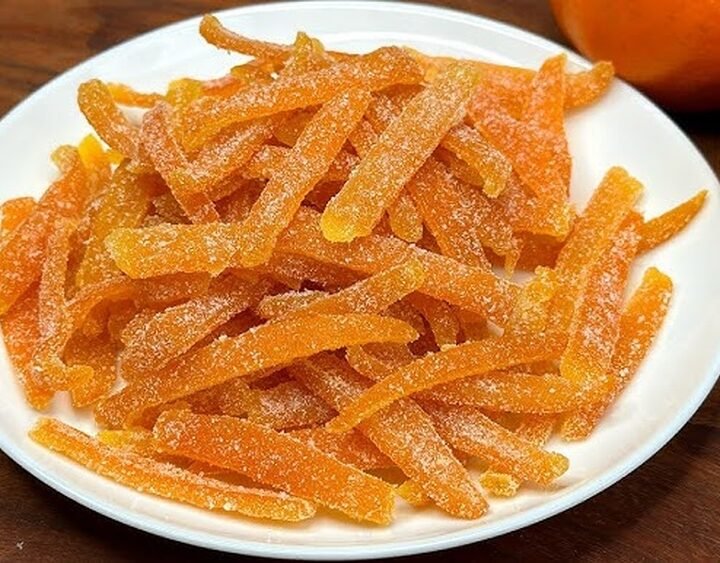
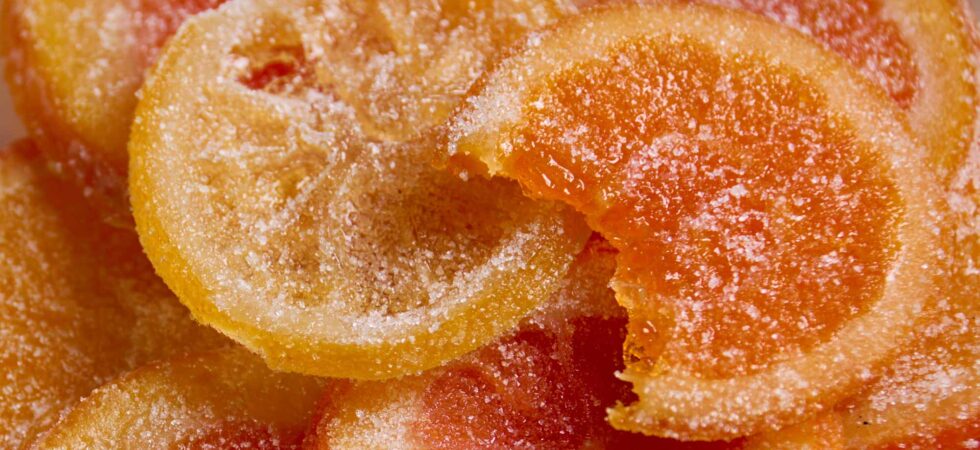
Making homemade sour and sweet orange candies has been one of my favorite kitchen adventures. There’s something truly special about turning simple ingredients into bright, tangy treats that taste even better than the store-bought versions. If you love candy but worry about artificial colors and flavors, or if you just want a fun project that leaves your kitchen smelling like a citrus grove, you’re in the right place.
I still remember the first time I tried making these candies. I was expecting a sticky mess and maybe a few burnt pans, but what I got was a batch of sparkling orange gems with a perfect balance of sweet and tart.
And the best part? I could tweak the sourness, sweetness, and even the chewiness, making them exactly how I like. Over time, I picked up a few tricks, learned from my mistakes, and found ways to make each batch better.
In this article, I’ll share everything I know—from the ingredients you need, to the step-by-step process, tips for getting that perfect sour punch, and even some fun ways to customize your candies. Whether you’re a candy-making newbie or just looking for a homemade version that beats anything in a bag, I hope my experiences help you create a treat that makes you smile.
Let’s get started!
Why Make Homemade Sour And Sweet Orange Candies?
There are a lot of reasons to try making these candies at home. For me, the biggest one is control over ingredients. Most store-bought candies have artificial flavors, colors, and a lot of sugar. At home, I can use real orange juice, natural food coloring, and even swap in a bit of honey or agave if I want to experiment.
Another reason is the fun factor. Cooking with kids, friends, or just for yourself turns a regular afternoon into a creative project. You also get to taste-test along the way—something I happily admit I do every time.
And finally, freshness. Homemade candies have a bright, true orange taste you just can’t get from a shelf-stable product. When you bite into a piece and get that first burst of tangy-sweet citrus, it’s a little moment of happiness. Plus, if you like your candies chewier, softer, or more sour, you’re in charge.
Key Ingredients And Why They Matter
Let’s break down what you’ll need. Each ingredient plays its own role, and there are some simple swaps if you want to mix things up.
Essential Ingredients
- Fresh oranges – I prefer using juice from navel or Valencia oranges. The flavor is lively and not too bitter. You’ll need the juice and the zest for maximum orange punch.
- Sugar – White granulated sugar gives a clean sweetness and helps the candies set. Don’t skimp here; the sugar also gives structure.
- Light corn syrup – This stops sugar from crystallizing and keeps the candies smooth. If you want a less-processed option, glucose syrup works too.
- Water – Just enough to dissolve the sugar and start the cooking process.
- Gelatin or pectin – If you want chewy, gummy-style candies, use gelatin. For a vegan version, go with fruit pectin.
- Citric acid – This is the secret behind the sour kick. You can find it in the canning section of most grocery stores.
- Powdered sugar – For dusting the finished candies and keeping them from sticking.
- Natural orange food coloring (optional) – For a brighter look, though the zest alone gives a lovely color.
Ingredient Table
Here’s a handy summary for a standard batch:
| Ingredient | Amount | Role |
|---|---|---|
| Fresh orange juice | 1 cup (about 3 oranges) | Flavor base |
| Orange zest | 2 tbsp (from 2 oranges) | Intensifies flavor |
| Granulated sugar | 2 cups | Sweetness, structure |
| Light corn syrup | 1/2 cup | Texture, prevents crystallizing |
| Water | 1/3 cup | Dissolves sugar |
| Gelatin (or pectin) | 2 tbsp (or according to package) | Chewiness |
| Citric acid | 1-2 tsp | Sourness |
| Powdered sugar | For dusting | Prevents sticking |
| Food coloring | Optional, a few drops | Color boost |
Ingredient Insights
One thing I learned early: zest makes a huge difference. Don’t skip it. The natural oils in the zest give a deeper, more authentic orange taste. Also, don’t worry if you can’t find citric acid—lemon juice works for a mild sour, though it’s not as strong.
And if you want a vegan candy, swap the gelatin for a fruit pectin like Pomona’s. Just follow the instructions on the package and reduce the water a bit.
Tools And Equipment You’ll Need
Having the right tools makes things smoother and safer. Here’s what I use:
- Heavy-bottomed saucepan – Prevents burning and cooks evenly.
- Candy thermometer – Crucial for getting the right texture.
- Microplane zester – For getting fine zest without bitter pith.
- Whisk and spatula – To mix and scrape.
- Measuring cups and spoons – Accuracy matters here.
- Baking sheet lined with parchment – For cooling and cutting.
- Sharp knife or small cookie cutters – For shaping the candies.
- Mixing bowls – For dusting and storage.
Pro tip: Have everything ready before you start. Candy moves fast, and once it’s hot, you won’t have time to hunt for tools.
Step-by-step Guide: Making Sour And Sweet Orange Candies
I’ll walk you through the process as if we’re in the kitchen together. It’s easier than it looks, but there are a few important moments to watch for.
1. Prep Your Oranges
Wash the oranges well. Zest two of them before juicing—they’re much easier to zest when whole. Juice enough oranges to get one cup of fresh juice.
2. Bloom The Gelatin
If you’re using gelatin, sprinkle it over 1/3 cup of cold water in a small bowl. Let it sit for about 5 minutes. If using pectin, follow the instructions on your package—usually you’ll mix it with a bit of sugar.
3. Mix And Heat
In your saucepan, combine orange juice, zest, sugar, and corn syrup. Heat gently, stirring until the sugar dissolves.
Attach your candy thermometer and increase the heat. Bring the mixture to a boil, then let it cook without stirring until it reaches 238°F (soft ball stage). This usually takes about 10-15 minutes.
4. Add Gelatin Or Pectin
Remove the pan from heat. If you’re using gelatin, whisk it in now. For pectin, follow the timing on the package—usually you add it, boil for a minute, then remove from heat.
5. Adjust Sourness And Color
Stir in citric acid. I usually start with one teaspoon, taste a tiny bit on a spoon, and add more if I want extra tang. If using food coloring, add a few drops now.
6. Pour And Set
Pour the hot mixture onto your parchment-lined baking sheet. It will be runny, but that’s fine. Let it sit at room temperature for at least 2 hours, or until completely firm. For a firmer candy, chill it in the fridge for 30 minutes.
7. Cut And Dust
Once set, use a sharp knife or small cutters to slice into squares, strips, or fun shapes. Toss the pieces in powdered sugar to keep them from sticking.
8. Coat With Extra Sour
If you want a super-sour finish, mix a little citric acid with your powdered sugar before dusting. I found a 1:5 ratio (one part citric acid to five parts sugar) gives a good pucker without being too harsh.
Cooking Time And Serving Size
- Cooking time: About 30–40 minutes (plus 2–3 hours for setting)
- Serving size: Makes about 40 small candies, depending on how you cut them

Comparison: Homemade Vs Store-bought Orange Candies
Here’s a quick look at how homemade candies stack up:
| Feature | Homemade | Store-Bought |
|---|---|---|
| Flavor | Fresh, real orange | Often artificial |
| Sourness | Adjustable | Standardized, sometimes too mild or harsh |
| Ingredients | Natural, customizable | Preservatives, dyes |
| Texture | Soft or chewy (your choice) | Chewy, sometimes hard |
| Cost | Usually lower per batch | Higher per ounce |
| Fun factor | High (hands-on) | None |
Tips For Perfect Sour And Sweet Orange Candies
After several batches, I’ve gathered some tips and fixes for common problems. Here’s what I wish I’d known when I started.
Get The Right Texture
- Too soft? Cook the syrup a little longer next time. The temperature is everything for chewy candies. Even a few degrees makes a difference.
- Too hard? This usually means the syrup got too hot. Use a candy thermometer, and don’t guess.
- Grainy sugar? Stir only until the sugar dissolves, then stop. Stirring after that can make crystals form.
Boost The Orange Flavor
- Use both juice and zest. If you want even more orange punch, add a drop of natural orange extract.
- Don’t use bottled juice. Fresh oranges give a brighter, cleaner taste.
Control The Sourness
- Start small with citric acid. It’s strong—add it gradually, tasting as you go.
- For a milder sour, use lemon juice instead.
Cutting And Shaping
- Use a greased knife or dip it in hot water between cuts to prevent sticking.
- For fun shapes, use small cookie cutters. Kids love stars, hearts, and circles.
Storing Your Candies
- Store in an airtight container at room temperature for up to two weeks.
- If they start to stick, toss them in more powdered sugar.
- For longer storage, keep them in the fridge, but let them come to room temperature before eating for the best texture.

Fun Variations And Customizations
Once you’ve got the basic recipe down, it’s easy to get creative. Here are a few of my favorite twists:
Add A Flavor Twist
- Spicy Orange: Add a pinch of cayenne or chili powder for a surprising heat.
- Herbal Orange: Mix in a little chopped fresh mint or basil with the zest.
- Berry-Orange: Replace half the orange juice with raspberry or strawberry puree.
Texture Tweaks
- For a firmer, more classic gummy, cook the syrup to 245°F.
- For a softer, marshmallow-like candy, use a bit more gelatin and pour into silicone molds.
Visual Fun
- Roll finished candies in colored sanding sugar for a glittery look.
- Layer two colors (like orange and lemon) for a striped effect.
Safety Tips And Common Mistakes
Making candy means working with hot sugar, which can burn badly if you’re not careful. Here’s what I’ve learned (sometimes the hard way):
- Always use a heavy pan and handle with oven mitts.
- Keep small children and pets away from the stove while you cook.
- Never touch the hot syrup with your fingers—it’s hotter than boiling water.
- Clean up spills right away. Hardened sugar can be tough to remove later.
Common Mistakes
- Not using a thermometer: It’s almost impossible to guess the right temperature by eye.
- Rushing the cooling: Let the candy set fully before cutting. If you rush, you’ll get a sticky mess.
- Skipping the zest: This is where the real orange flavor lives.
Nutrition Facts And Healthier Swaps
Orange candies are a treat, not a health food, but knowing what’s in them helps you enjoy them mindfully. Here’s an average breakdown per serving (about 3-4 pieces):
| Nutrient | Amount |
|---|---|
| Calories | 60 |
| Total Sugar | 12g |
| Fat | 0g |
| Protein | 0.5g (if using gelatin) |
| Sodium | 2mg |
| Vitamin C | 8mg |
Healthier Options
- Reduce sugar by 1/4 cup for a less-sweet candy, though they’ll be a bit softer.
- Substitute honey or agave for half the sugar for a different flavor.
- Use real fruit puree for part of the juice to add antioxidants and fiber.
Sharing And Gifting Homemade Candies
I’ve given these candies as gifts many times. A small jar or bag with a ribbon makes a simple, heartfelt present. People are always surprised by the bright flavor and the idea that you can make candy at home. Just remember to add a note about allergens (gelatin is animal-based), and let people know they’re best enjoyed fresh.
Troubleshooting: What To Do If Things Go Wrong
Even experienced candy makers have batches that don’t turn out perfect. Here’s how to fix the most common issues:
- Candy didn’t set: Put it back in the pan, add a little more gelatin or pectin, and re-cook to the right temperature.
- Candy is too sour: Dust with extra powdered sugar to balance the taste.
- Candy is too sweet: Next time, use less sugar or add more citric acid.
- Candy sticks together: Redust with powdered sugar or a 50:50 mix of powdered sugar and cornstarch.
The Joy (and Reality) Of Making Your Own Candy
Making homemade sour and sweet orange candies is a hands-on, satisfying experience. The first time you unmold a batch and see those sparkling orange pieces, it’s hard not to feel a little proud. But I also want to be honest: not every batch is perfect, and sometimes you’ll have to tweak things to get it just right.
The best part, for me, is the little improvements I can make each time. Maybe I try a new shape, or I go a little heavier on the zest. Sometimes I experiment with a new combination, like orange-lime or orange with a dash of vanilla.
Each batch is unique, and there’s always something new to learn.
For anyone who loves orange candy, or just wants a fun, creative kitchen project, I can’t recommend this enough. The taste, the smell, even the little sugar crystals on your fingers—it’s a simple pleasure that never gets old.
If you want to learn more about the science behind candy making, there’s a great resource on Wikipedia.
Frequently Asked Questions
How Long Do Homemade Orange Candies Last?
If kept in an airtight container, they stay fresh for about two weeks at room temperature. For longer storage, keep them in the refrigerator, but bring them to room temperature before eating for the best texture.
Can I Use Bottled Orange Juice Instead Of Fresh?
Fresh juice is best for flavor, but bottled works in a pinch. Just avoid juices with added sugar or artificial flavors, since they can change the taste and texture.
Are These Candies Vegan?
If you use pectin instead of gelatin, the candies are vegan-friendly. Always check your ingredient labels, as some pectins have added sugar or other additives.
What If I Don’t Have A Candy Thermometer?
It’s possible, but much trickier. Without a thermometer, you can use the “soft ball” test: drop a little hot syrup into cold water—if it forms a soft, flexible ball, it’s ready. Still, I highly recommend getting a thermometer for best results.
Can I Make Other Flavors With This Recipe?
Absolutely! Swap the orange juice and zest for lemon, lime, or even berry purees for endless flavor combinations. Just adjust the amount of citric acid to match the sourness you like.
Making these candies has brought a little extra joy (and a lot of good smells) to my kitchen. I hope my experiences help you get the same sweet and sour satisfaction from your own homemade batch. Enjoy your candy adventure!