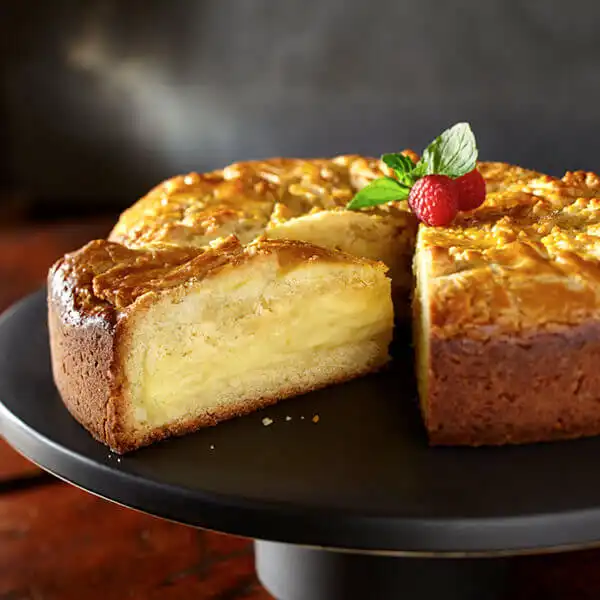
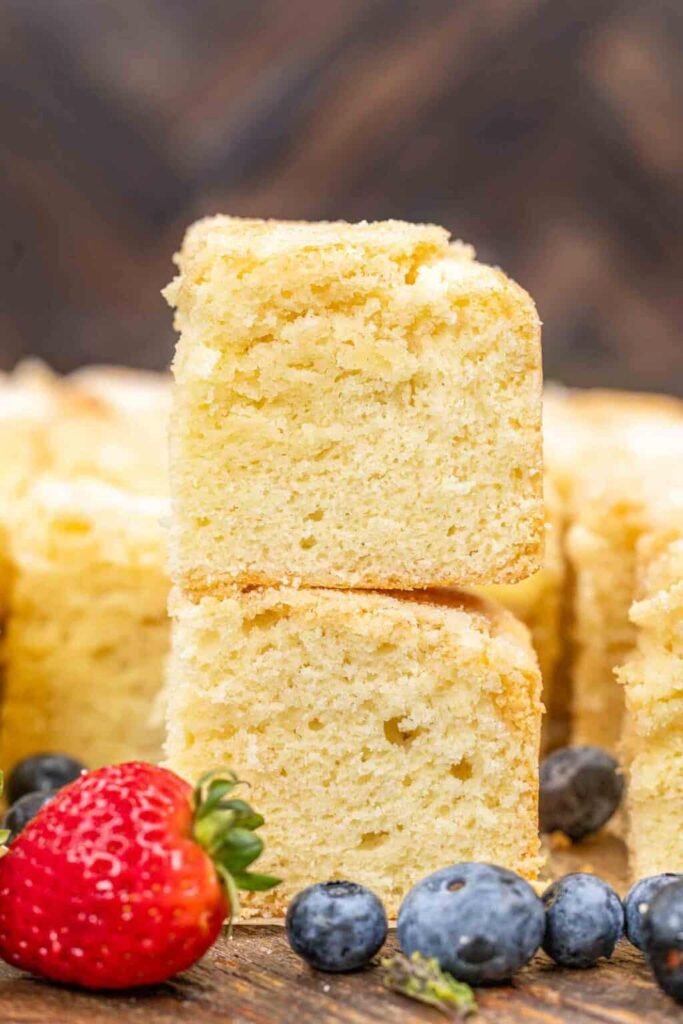
This French butter cake is soft, tender, and packed with rich vanilla-almond flavor, then finished with a warm butter glaze that soaks right into the crumb. It’s the best kind of old-school butter cake: sweet, moist, and totally addictive, but still simple enough to pull off without turning your kitchen into a disaster. The glaze is inspired by that classic Kentucky butter cake style soak, while the cake itself bakes up light, plush, and buttery in one pan.
Have you ever bitten into a cake so moist and buttery that you couldn’t help but close your eyes for a second? That was me the first time I tried the classic French butter cake—sometimes called “Gâteau Breton” or just French butter cake. I’ve baked dozens of cakes over the years, but nothing compares to this one. It’s rich, soft, and melts in your mouth.
After testing many recipes and tweaking ingredients, I’m convinced this is the only French butter cake recipe you’ll ever need.
Why French Butter Cake Is Special
French butter cake is not just another dessert. It’s the kind of cake you bring out for celebrations, or when you want to treat yourself on a rainy afternoon. What makes it stand out? It’s the texture. Unlike sponge cakes, it’s dense and moist, but not heavy. The secret is high-quality butter, and a gentle baking process.
Here’s a quick comparison with other popular cakes:
| Cake Type | Texture | Main Fat | Flavor Profile |
|---|---|---|---|
| French Butter Cake | Moist, tender | Butter | Rich, buttery |
| Pound Cake | Dense, crumbly | Butter | Sweet, mild |
| Madeleine | Light, airy | Butter | Delicate, lemony |
I’ve found that French butter cake has a deeper butter flavor and a softer crumb than even the best pound cakes. If you love cakes that stay moist for days, this is the one.
Why You’ll Love This Butter Cake Recipe
The first time I made this French butter cake, I was honestly just testing it to see what the hype was about. I have been seeing variations of butter cake recipes everywhere, and the French-style one and the Kentucky butter cake seemed the most delicious to me. I combined the two into this recipe, pulled the warm butter cake out of the oven, and immediately understood why everyone’s been obsessing over it. That buttery vanilla-almond smell hits you the second the pan comes out, and once the warm butter glaze goes on and starts soaking into the cake, it’s basically over. You know those cakes that look great but are kind of dry? This is the exact opposite.
What makes this butter cake special is the one-two combo of yogurt in the batter and the Kentucky butter cake-style glaze. The yogurt keeps the crumb soft and plush, and the warm butter-sugar glaze melts in like a buttery syrup, so every bite stays moist and flavorful, not just the top layer. It’s one of those cakes that somehow tastes even better after it sits, and it stays tender for days, which is rare for a simple scratch cake.
It’s also the kind of dessert that works for everything. It’s perfect with coffee, easy enough for a weeknight treat, and still impressive enough for holidays, birthdays, or when you need a “bring a dessert” cake that people will actually remember. And yes, it’s a little dangerous to leave on the counter because you’ll keep walking by and grabbing “one more sliver.”
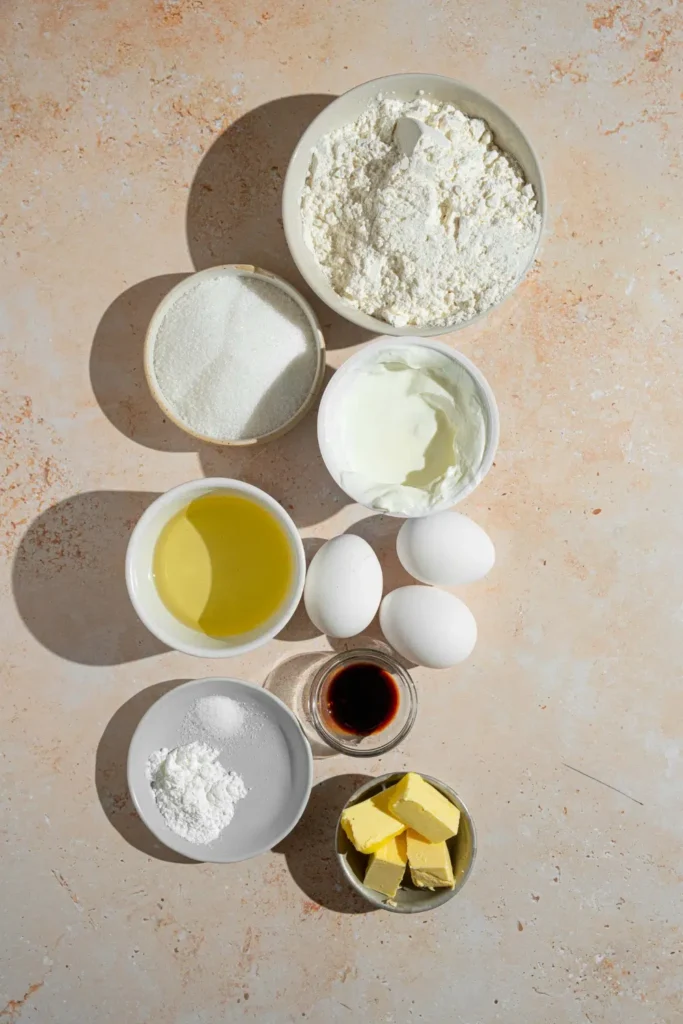
Ingredients And Quantities
The ingredients are simple, but quality matters. When I first made this cake, I used store-brand butter. It was good, but when I switched to European-style butter, the flavor improved dramatically. Here’s what you’ll need:
- 1 cup (225g) unsalted butter, room temperature
- 1 cup (200g) granulated sugar
- 4 large eggs
- 1 1/2 cups (190g) all-purpose flour
- 1/4 teaspoon salt
- 1 teaspoon vanilla extract
- Optional: Zest of 1 lemon or orange for extra fragrance
This recipe yields about 8 servings. Prep time is around 15 minutes, and baking takes 45-50 minutes.
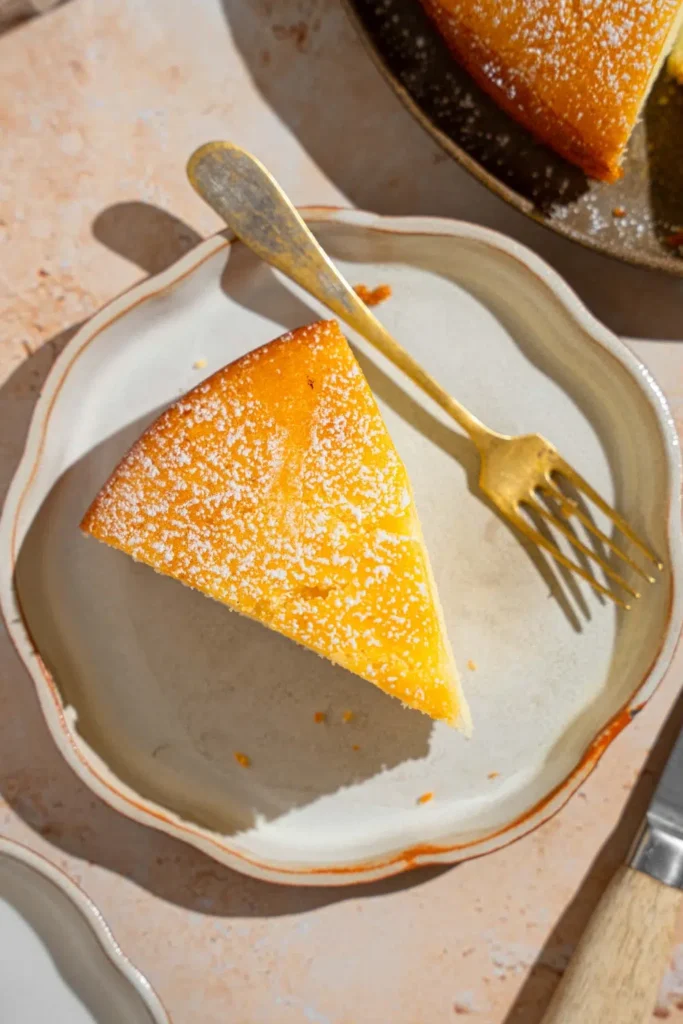
Step-by-step Baking Instructions
I want to make sure you get that perfect moist texture. Here’s exactly how I do it:
- Preheat your oven to 350°F (175°C). Grease a 9-inch round cake pan and line the bottom with parchment paper.
- Cream the butter and sugar together until pale and fluffy. This takes about 3-4 minutes with a hand mixer.
- Add eggs one at a time, beating well after each. This prevents lumps and gives the cake a smooth texture.
- Mix in vanilla extract (and citrus zest if using).
- Sift flour and salt together, then add to the batter. Fold gently. Avoid overmixing or the cake will lose its tenderness.
- Pour the batter into the prepared pan. Smooth the top with a spatula.
- Bake for 45-50 minutes. The cake should be golden and a toothpick inserted in the center comes out clean.
- Cool in the pan for 15 minutes, then turn out onto a rack.
A common mistake is overbaking. The edges should be golden, but the center must stay moist. If your oven runs hot, check at 40 minutes.
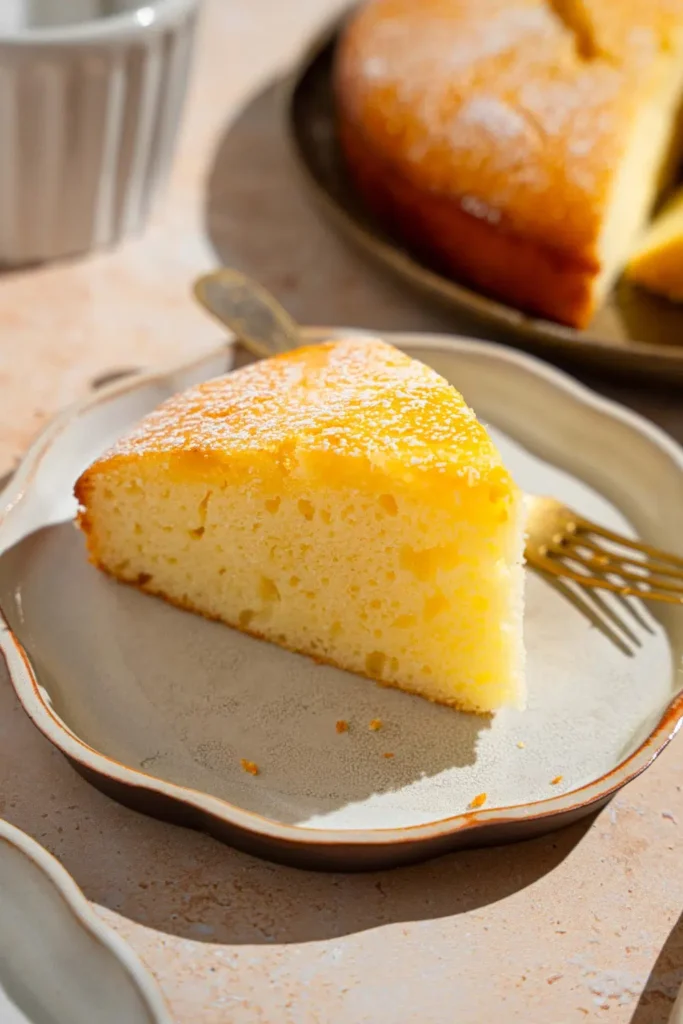
Tips For The Moistest Cake
The first few times I made this cake, I wondered why mine wasn’t as moist as the ones in French bakeries. After a few trials, I learned some non-obvious tricks:
- Use room temperature butter and eggs. Cold ingredients don’t blend as well, making the cake less tender.
- Don’t skip parchment paper. It prevents sticking and keeps the bottom moist.
- Let the cake rest overnight. The flavor deepens and the crumb gets softer.
- Avoid cheap butter. European-style butter (with higher fat content) gives a richer taste.
Here’s a simple table showing butter types and their impact:
| Butter Type | Fat Content | Flavor Quality |
|---|---|---|
| Store-brand | 80% | Mild |
| European-style | 82-84% | Rich, creamy |
Most people don’t realize that just a 2% difference in fat can change the cake’s moisture and flavor.
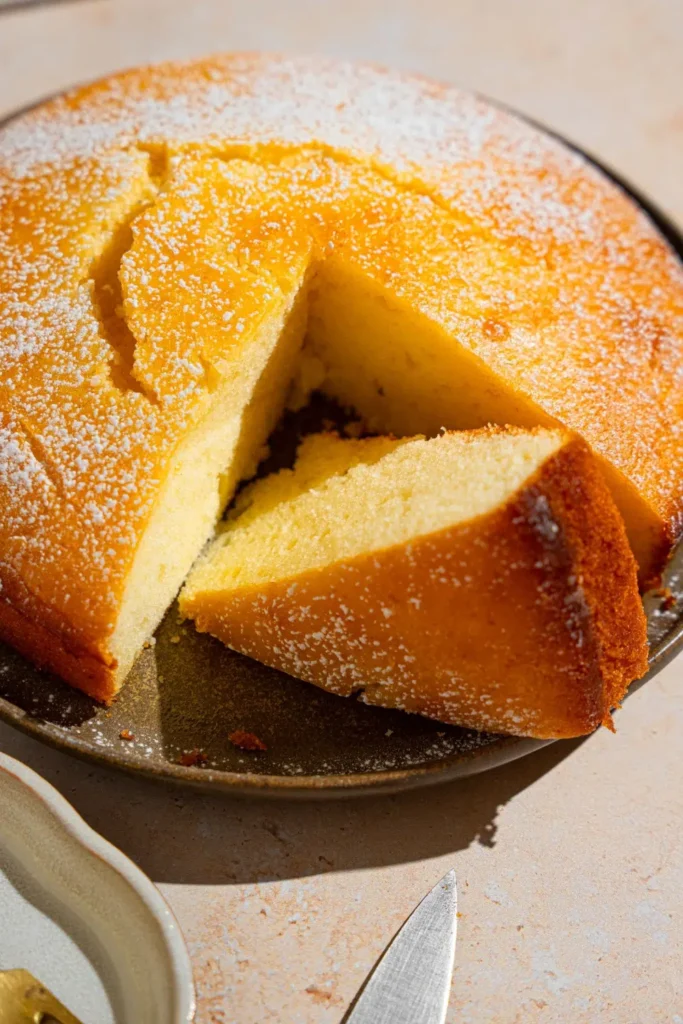
Serving And Storing
Serve slices with a dusting of powdered sugar, or fresh berries if you like. I sometimes drizzle a little honey for extra sweetness. This cake pairs well with coffee or tea.
For storing, wrap it tightly in plastic or keep in an airtight container. It stays moist for up to 4 days at room temperature. If refrigerated, bring to room temp before serving.
Where The Recipe Shines—and Areas For Improvement
I love how this French butter cake keeps its moisture even after days. It’s forgiving, too—if you follow the steps, it rarely turns out dry. The buttery flavor is unbeatable, especially if you use good ingredients.
A small area for improvement is the sweetness. If you prefer less sweet cakes, reduce the sugar by 2-3 tablespoons. Also, some people find the cake too rich for big portions, so slice thinly.
Real-world Experience Signals
I’ve baked this cake for birthdays, family gatherings, and simple weekend treats. Friends ask for the recipe every time. My kitchen smells amazing for hours after baking. The feedback is always positive: “So moist!” and “It tastes better than bakery cake.” Even beginners can nail this recipe—it doesn’t require fancy skills.
If you want more background on French butter cakes, you can check the history at Wikipedia.
Frequently Asked Questions
How Do I Make French Butter Cake Extra Moist?
Use high-fat butter and let the cake rest overnight. Also, avoid overbaking and always measure flour carefully.
Can I Use Salted Butter Instead Of Unsalted?
Yes, but reduce the added salt in the recipe. Salted butter can change the flavor slightly, making it less “classic. ”
What’s The Best Way To Store French Butter Cake?
Wrap it in plastic or use an airtight container. Keep at room temperature for up to 4 days. For longer storage, freeze slices.
Can I Add Fruit Or Nuts To The Recipe?
Yes, but don’t add too much. Fold in up to 1/2 cup chopped nuts or dried fruit to avoid changing the cake’s texture.
Is This Cake Suitable For Beginners?
Absolutely. The steps are simple and forgiving. Just follow the instructions and use good ingredients.
If you try this recipe, I’d love to hear how it turns out. French butter cake is a classic that never disappoints. Once you bake it, you’ll see why it’s the only recipe you’ll ever need. Enjoy every buttery bite!