Classic Healthy Homemade Winter Minestrone Soup (easy One-pot Meal!)
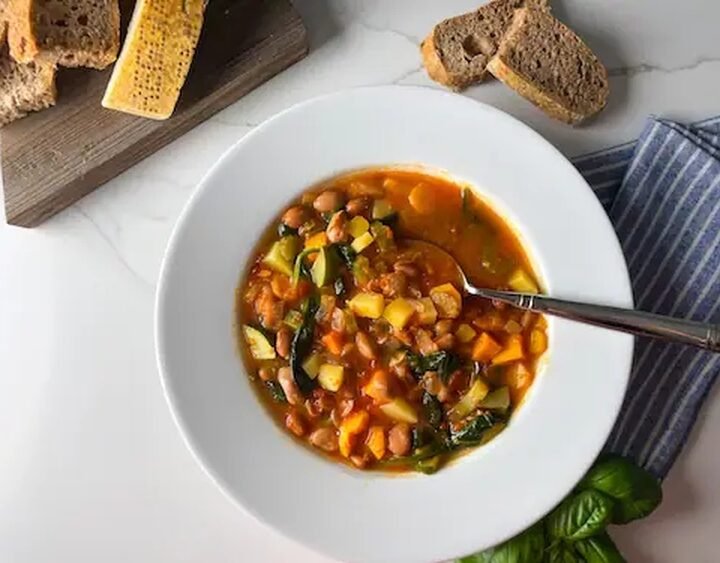
There’s something special about making minestrone soup in winter. When the cold wind hits, I crave a warm bowl packed with veggies and flavor. I still remember the first time I cooked this classic Italian soup at home. My kitchen filled with the cozy smell of garlic and herbs, and it felt like I brought a little sunshine inside. If you love easy meals and want something nutritious, this homemade minestrone is a game-changer. It’s simple, satisfying, and you only need one pot—so cleanup is easy!
Why you’ll love it
Minestrone is a really tasty Italian vegetable soup that usually has pasta, beans, and a tomato-based broth. I think of it as the ultimate vegetable soup! You’ve maybe tried Olive Garden minestrone soup, but I’m here to convince you that my version is so much better.
It’s one of those soups you can make on a lazy Sunday in chilly weather, and you’ll actually look forward to eating it for the rest of the week. It’s also easy to make with everyday, wholesome ingredients. There’s nothing complicated about it!
Why Minestrone Stands Out In Winter
Minestrone is more than just vegetable soup. It’s hearty, colorful, and uses seasonal produce. Winter veggies like carrots, celery, kale, and potatoes are perfect for this recipe. The soup is rich in fiber, vitamins, and minerals, which help you stay healthy when days are short and chilly. I notice that after eating minestrone, I feel full but not heavy. It’s comfort food without guilt.
Here’s a quick look at why minestrone beats other soups for winter:
| Soup Type | Main Ingredients | Calories per Serving | Fiber (g) |
|---|---|---|---|
| Minestrone | Vegetables, Beans, Pasta | 220 | 7 |
| Chicken Noodle | Chicken, Carrots, Noodles | 180 | 2 |
| Tomato | Tomatoes, Cream | 160 | 3 |
Easy One-pot Recipe: How I Make Winter Minestrone
I love that you can throw everything in one pot and let it simmer. It saves time and keeps the kitchen tidy. Here’s my go-to recipe, which I’ve tweaked over the years for flavor and nutrition.
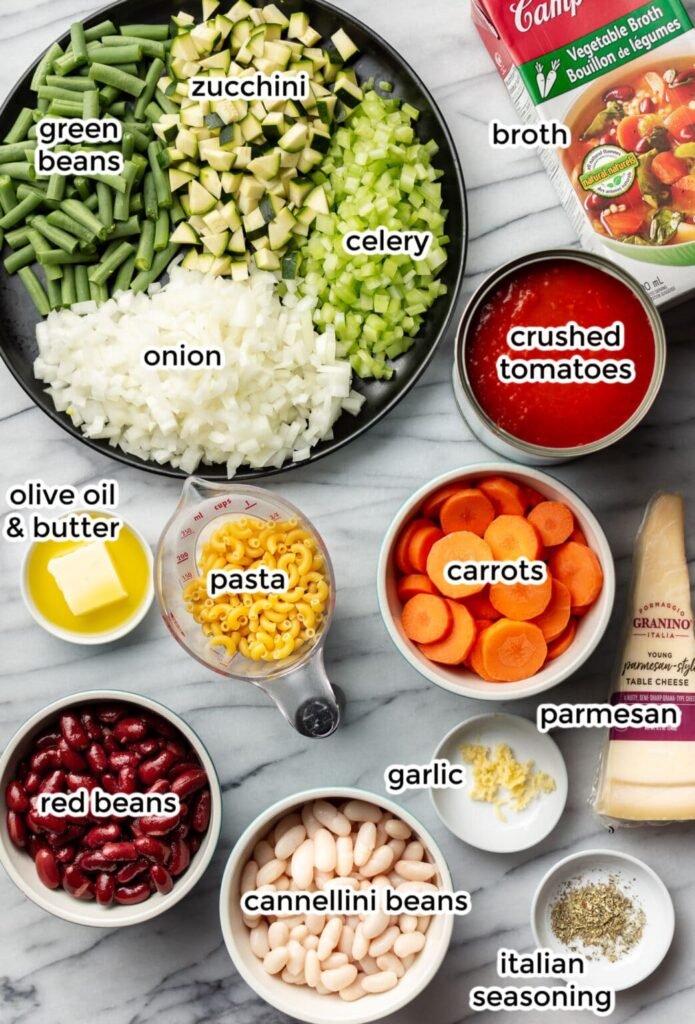
What you’ll need
- Olive oil and butter – for sautéing
- Onion, celery, and carrots, and garlic – this is a classic savory base for soups
- Zucchini and fresh green beans – for veggie goodness
- Canned tomatoes – to give the broth a thick and rich quality
- Broth – use either chicken or vegetable for more savory flavor
- Italian seasoning – a wonderful blend of dried herbs like rosemary and thyme that comes in one jar
- Cannellini and red kidney beans – for added protein
- Pasta – I used elbow macaroni, but any pasta variety that’s fairly small like ditalini will work
- Basil – optional, but it adds a burst of freshness and flavor
- Parmesan – use lots and lots of freshly grated parmesan
Ingredients (serves 6)
- 2 tablespoons olive oil
- 1 medium onion, diced
- 3 cloves garlic, minced
- 2 medium carrots, sliced
- 2 stalks celery, chopped
- 1 medium potato, diced
- 1 cup green beans, chopped
- 1 can (15 oz) diced tomatoes
- 1 can (15 oz) cannellini beans, drained
- 4 cups vegetable broth
- 1 cup small pasta (like ditalini or elbow)
- 2 cups kale or spinach, chopped
- 1 teaspoon dried oregano
- 1 teaspoon dried basil
- Salt and pepper to taste
- Optional: Grated Parmesan cheese for topping
Cooking Steps
- Heat olive oil in a large pot over medium heat.
- Add onion and garlic, sauté until soft and fragrant.
- Stir in carrots, celery, and potato. Cook for 3 minutes, stirring often.
- Add green beans, tomatoes (with juice), beans, and broth.
- Mix in oregano, basil, salt, and pepper.
- Bring to a boil, then reduce heat and simmer for 15 minutes.
- Add pasta and cook until tender (about 10 minutes).
- Stir in kale/spinach. Simmer for 2 more minutes.
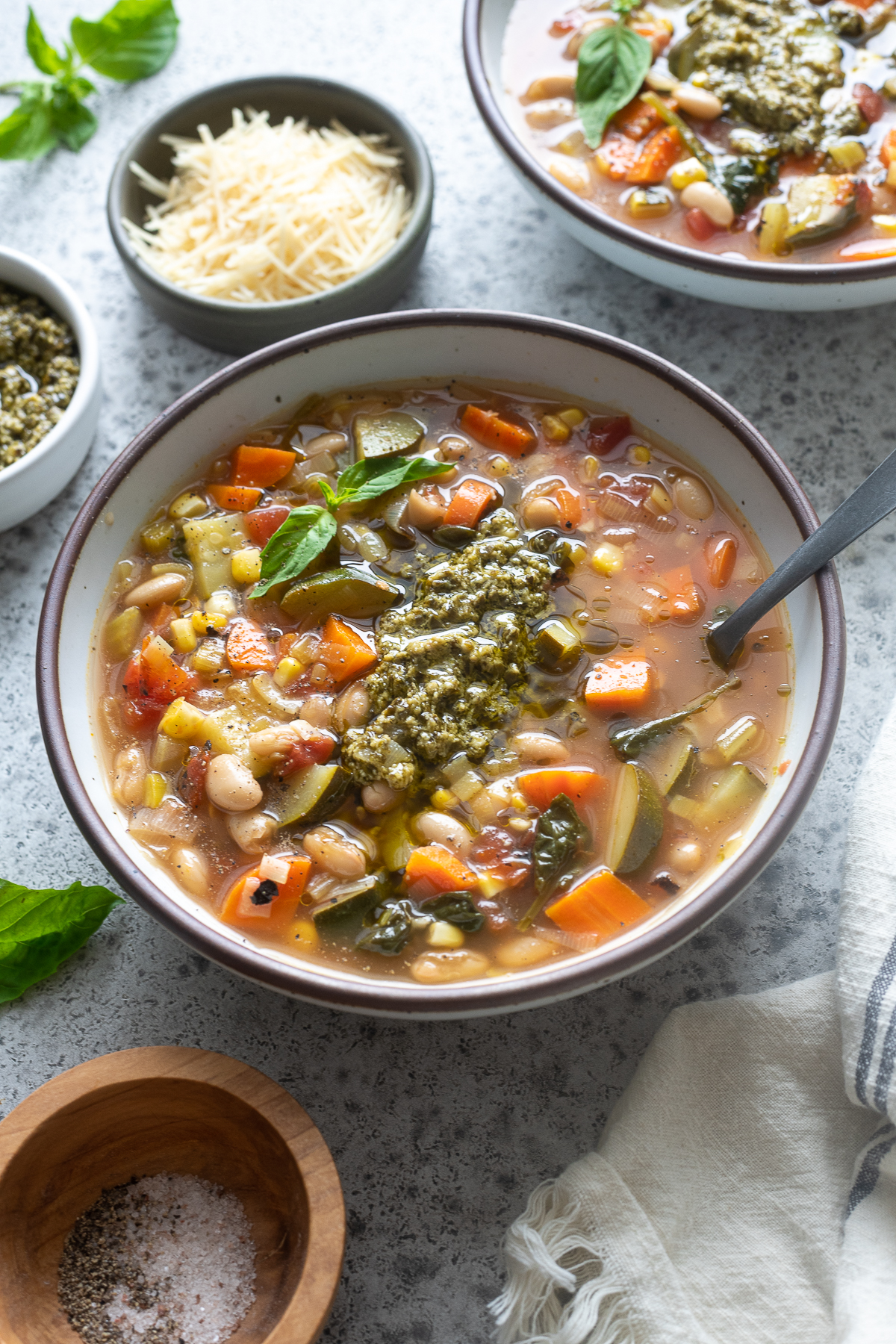
- Taste and adjust seasoning. Serve hot, topped with Parmesan.
This recipe takes about 35–40 minutes from start to finish. It’s ideal for busy weeknights or lazy weekends.
Practical Tips For Flavor And Texture
Over time, I’ve learned a few tricks that make minestrone even better:
- Use fresh herbs if you have them. They lift the flavor.
- Don’t overcook the pasta. Add it last so it doesn’t get mushy.
- If you want a thicker soup, mash some beans before adding.
- For more protein, try adding cooked chicken or sausage.
- Minestrone tastes even better the next day. The flavors deepen overnight.
- Adjust veggies based on what’s in season or what’s left in your fridge.
One thing beginners miss is that minestrone is flexible. You can swap ingredients easily. For example, I sometimes use zucchini or cabbage if kale isn’t available.
Nutrition Facts And Benefits
This soup is loaded with fiber, vitamins, and minerals. It’s low in fat and keeps you full for hours. Here’s a breakdown based on my recipe:
| Nutrient | Amount per Serving | % Daily Value |
|---|---|---|
| Calories | 220 | 11% |
| Protein | 8g | 16% |
| Fiber | 7g | 28% |
| Vitamin A | 35% DV | – |
| Vitamin C | 25% DV | – |
Minestrone helps boost immunity, especially during winter. The combination of beans, veggies, and broth makes it a balanced meal. If you’re watching your sodium, use low-salt broth and rinse canned beans.
:max_bytes(150000):strip_icc()/255650-classic-minestrone-soup-VAT-Beauty-4x3-e6f19b6b3be74eaf9c2667aca87553bf.jpg)
My Experience: What Makes This Soup Special
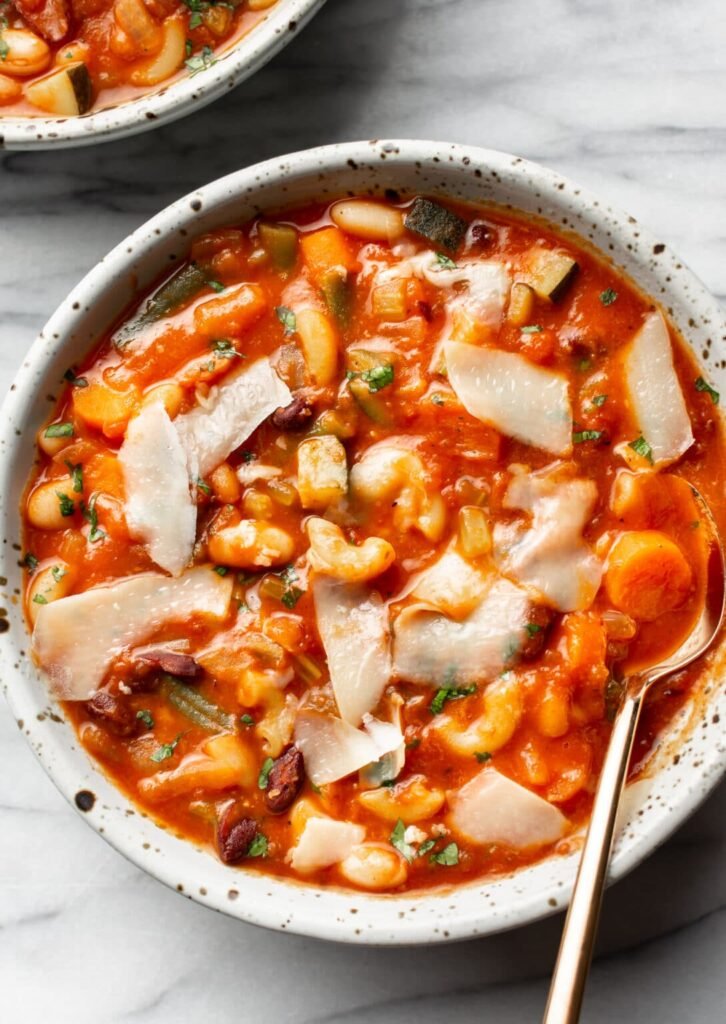
When I cook minestrone, it feels like a ritual. The chopping, stirring, and waiting as the kitchen warms up. Sometimes, I make extra and freeze portions for busy days. It’s a lifesaver when I don’t have time to cook.
I’ve served this soup to friends and family, and it always gets compliments. The bright colors and rich aroma are inviting. Kids like the pasta, and adults love the depth of flavor. If you have picky eaters, try blending some veggies into the broth.
One non-obvious tip: let the soup sit for a few minutes before serving. The flavors settle, and the texture improves.
Comparing Homemade Vs Store-bought Minestrone
I’ve tried store-bought minestrone, but it never matches homemade. Here’s why:
| Factor | Homemade | Store-Bought |
|---|---|---|
| Flavor | Fresh, customizable | Often bland, salty |
| Nutrition | High fiber, low sodium | Lower fiber, higher sodium |
| Cost | Cheaper per serving | More expensive |
| Ingredients | Whole foods | Additives, preservatives |
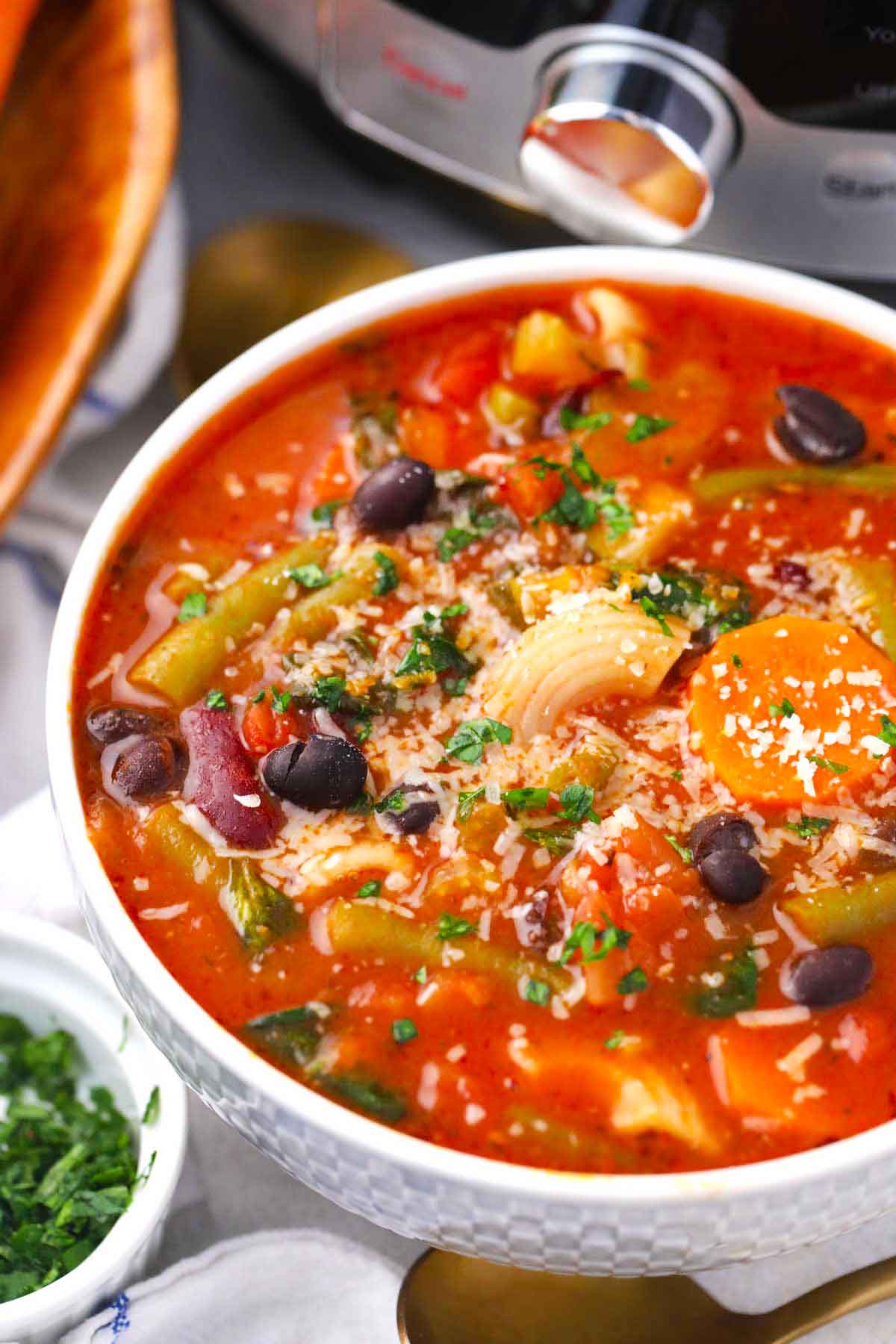
Homemade minestrone is not just healthier—it feels more rewarding. You know what goes in, and you can adjust every detail to suit your taste.
Frequently Asked Questions
Is Minestrone Soup Vegan?
Most minestrone recipes are vegan if you skip the cheese or use plant-based Parmesan. Just check your broth and pasta for animal products.
Can I Freeze Minestrone?
Yes! Minestrone freezes well. Cool it first, then store in airtight containers. Reheat gently and add fresh greens before serving for best taste.
What Pasta Works Best?
Small shapes like ditalini, elbow, or shells work best. They cook fast and hold up well in soup.
How Can I Make It Gluten-free?
Use gluten-free pasta or rice. The soup stays hearty and tasty without regular pasta.
What If I Don’t Have All The Veggies?
No problem. Minestrone is flexible. Use whatever veggies you have—zucchini, peas, or cabbage all work well.
Cooking this soup always reminds me that simple food can be the most comforting. If you want a classic winter meal that’s healthy and easy, give minestrone a try. For more details and variations, you can check Wikipedia for the soup’s history and regional twists.
I hope you enjoy making this one-pot winter minestrone as much as I do. It’s a recipe that warms both the body and the soul!