Creamy Pumpkin Seed Pesto Nut Free
Pumpkin seed pesto changed the way I see sauces. I still remember one fall afternoon, standing in my tiny kitchen in Portland, Oregon. My friend, Anna, was coming over, and she can’t eat nuts. I wanted to make something special, creamy, and full of flavor—pesto, but without the classic pine nuts. That’s when I discovered the magic of pumpkin seeds.
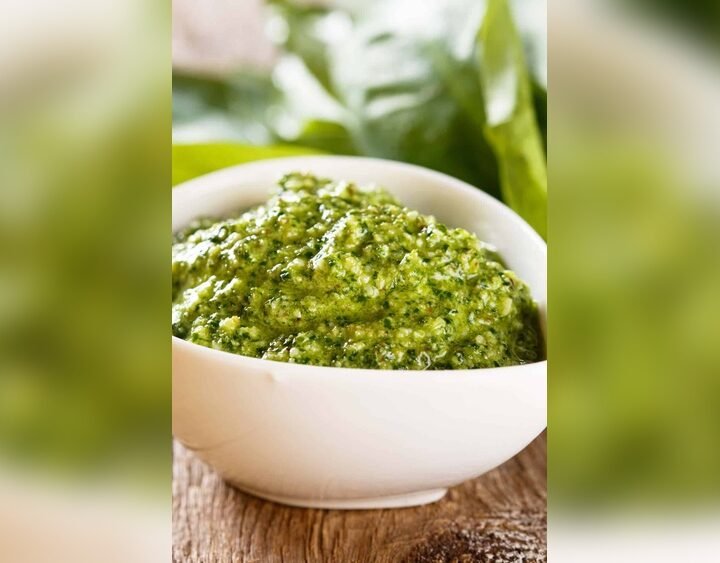
This version is not just nut-free; it’s also rich, green, and deliciously creamy. If you’re tired of the usual pesto or worried about allergies, this recipe is for you. It’s easy to make, has a bold flavor, and works for almost any diet.
I’ll share the full recipe, tips from my own cooking fails, what makes pumpkin seeds so powerful, and even a couple of tables to help you compare and get creative.
Why You’ll Love This Pumpkin Seed Pesto
- Quick and easy – This pesto comes together in just 10-15 minutes with minimal prep work – just toss everything in a food processor and blend.
- Creative use for pumpkin seeds – Instead of throwing away those seeds from your jack-o’-lantern or cooking pumpkin, you can turn them into something delicious and nutritious.
- Fresh, bright flavors – The combination of basil, parsley, and lemon juice creates a vibrant pesto that’s perfect for pasta, sandwiches, or as a dip.
- Healthy and nutritious – Pumpkin seeds are packed with protein, healthy fats, and minerals, making this a more nutritious twist on traditional pine nut pesto.
- Budget-friendly alternative – Pumpkin seeds cost way less than pine nuts, so you can enjoy homemade pesto without breaking the bank.
Why Choose Pumpkin Seed Pesto?
The idea of nut-free pesto isn’t new, but pumpkin seeds bring something special. They’re mild, buttery, and blend smoothly. Unlike sunflower seeds (which can taste bitter), pumpkin seeds add a mellow flavor.
In my experience, pumpkin seed pesto is great for people with allergies, families with picky eaters, and anyone wanting to try something different. I’ve served it at outdoor picnics, quick weeknight dinners, and even a wedding buffet. It always gets compliments—sometimes even more than the classic version.
Nutrition And Health
Pumpkin seeds are full of magnesium, zinc, and healthy fats. They’re also lower in calories than most nuts. Here’s a quick comparison:
| Ingredient | Calories (per 1 oz) | Magnesium (mg) | Allergen Risk |
|---|---|---|---|
| Pumpkin Seeds | 151 | 168 | Low |
| Pine Nuts | 191 | 71 | High |
| Walnuts | 185 | 45 | High |
Pumpkin seeds also give pesto a green color and creamy texture. Plus, they’re cheaper and easier to find than pine nuts.
The Creamy Pumpkin Seed Pesto Recipe
This recipe is my go-to. I’ve tweaked it through dozens of batches—sometimes with basil from my garden, sometimes with store-bought greens. It takes about 10 minutes, no fancy tools needed.
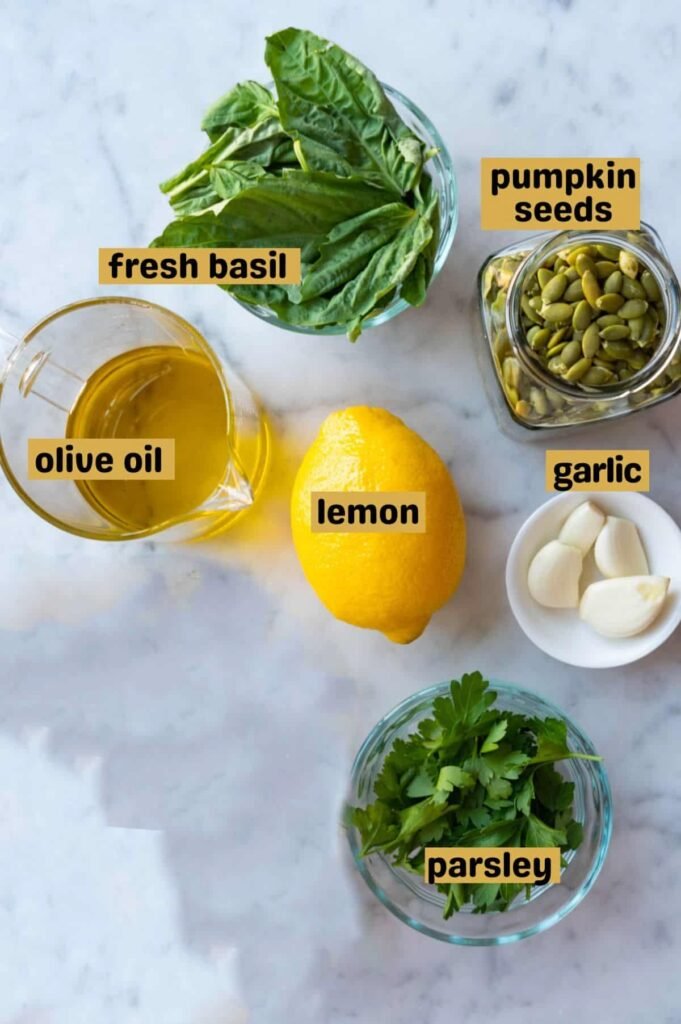
Ingredients
- 1 cup raw pumpkin seeds (pepitas)
- 2 cups fresh basil leaves
- 1/2 cup extra virgin olive oil
- 1/3 cup grated parmesan (or nutritional yeast for vegan)
- 2 cloves garlic
- Juice of 1 lemon
- 1/4 cup water (for extra creaminess)
- Salt and pepper, to taste
Optional:
- 1/2 cup baby spinach (for more green)
- 1 tablespoon white miso (for umami)
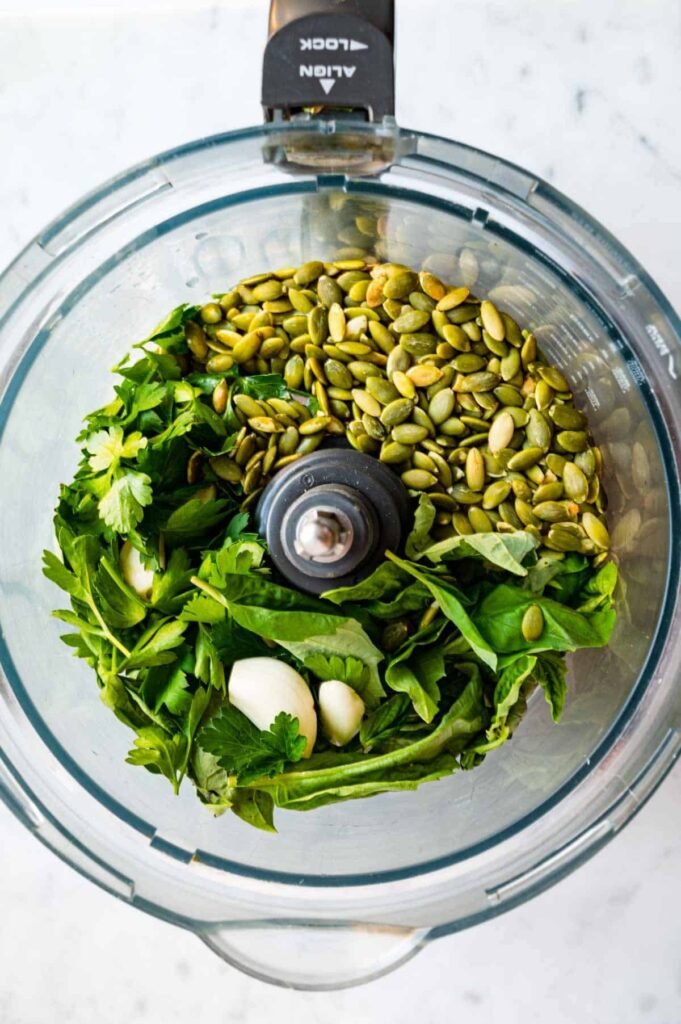
Steps
- Toast the pumpkin seeds in a dry skillet for 2–3 minutes. Stir often. They should pop and smell nutty (but not burnt).
- Add all ingredients to a blender or food processor: Pumpkin seeds, basil, olive oil, parmesan, garlic, lemon juice, water, salt, and pepper.
- Blend until smooth. Scrape down sides. If too thick, add more water or olive oil.
- Taste and adjust salt, lemon, or cheese. Blend again.
- Scoop into a bowl. Serve immediately or store in the fridge for up to 5 days.
Serving Size: Makes about 1.5 cups. Enough for four big pasta bowls or eight crostini.
Cooking Time: 10–12 minutes total.
Sensory Experience
The first spoonful is creamy, bright, and a little tangy. You get the grassy basil, the buttery seeds, and a hint of garlic. It smells like summer—even in the middle of winter. I’ve eaten this on sourdough, tossed with roasted veggies, and even as a salad dressing.
One time, I tried adding miso paste, and it gave the pesto a savory kick. That batch disappeared in minutes at a family dinner.
Real Life Cooking Stories And Fails
I once made this pesto for a backyard lunch. It was sunny, and the table was full of friends—some vegan, some allergic to nuts, one gluten-free. I tried blending the seeds without toasting them. The flavor was flat, and the color wasn’t as vivid. Lesson learned: always toast the seeds.
Another time, I added too much garlic. The pesto was spicy and sharp, overpowering the basil. Now, I stick to two cloves and taste before adding more. The blender makes the pesto creamy, but if you use a food processor, it can stay a bit chunky—which some people love.
If you store it in the fridge, put a thin layer of olive oil on top. This keeps it green and fresh.
Case Study: Pesto For School Lunches
My neighbor, Sarah, uses this pesto in her kid’s sandwiches. Her daughter, Maya, has a nut allergy. She spreads pumpkin seed pesto on whole wheat bread, adds sliced cucumber and cheese. Maya loves it, and Sarah says it’s a relief not to worry about nuts.
Variations And Creative Uses
Pumpkin seed pesto is flexible. You can change the greens, the cheese, or even the acid. Here are some of my favorite twists:
- Swap basil for cilantro or parsley—great with grilled chicken.
- Use nutritional yeast instead of parmesan for a vegan version.
- Add avocado for extra creaminess.
- Mix in roasted red peppers for a smoky flavor.
- Stir into Greek yogurt for a dip.
I once made pesto pizza with roasted pumpkin slices and arugula. The flavors were autumn-perfect.
Comparison Table: Classic Vs Pumpkin Seed Pesto
| Feature | Classic Pesto | Pumpkin Seed Pesto |
|---|---|---|
| Main Nut/Seed | Pine nuts | Pumpkin seeds |
| Allergy Friendly | No | Yes |
| Cost (per cup) | $4.50 | $1.80 |
| Texture | Oily, sometimes gritty | Creamy, smooth |
| Flavor | Rich, nutty | Buttery, mild |
Pumpkin seed pesto tastes lighter, with a buttery base. It’s cheaper, allergy-safe, and just as versatile.

Tools And Tips For Success
You don’t need fancy tools. A basic blender or food processor works. A spatula helps scrape the sides. I sometimes use a mortar and pestle for a chunkier texture, especially when making small batches.
Key tips:
- Toast seeds for flavor.
- Use fresh basil; older leaves taste bitter.
- Blend ingredients in stages. Seeds first, then basil, then liquids.
- Adjust water or oil for your desired thickness.
Common Mistakes
- Skipping toasting: Makes pesto dull.
- Over-blending: Can turn pesto bitter (from basil).
- Using old seeds: The flavor is stale.
- Adding too much oil: Makes pesto greasy.
I once tried making pesto with roasted pumpkin seeds from a Halloween batch. The flavor was smoky but a bit odd. Best to use raw, unsalted seeds.
Food Experience: When And Why To Make Pumpkin Seed Pesto
Pumpkin seed pesto fits almost any meal. It’s perfect for summer pasta, fall sandwiches, or winter soups. I love making it for picnics—no nut worries, and it stays green for hours.
One rainy day, I made pumpkin seed pesto and tossed it with hot pasta. The steam carried the basil scent through my kitchen, and I felt like I was eating sunshine.
If you’re hosting friends, this pesto is a safe choice. It’s allergy-friendly, vegan-adaptable, and makes everyone feel included.
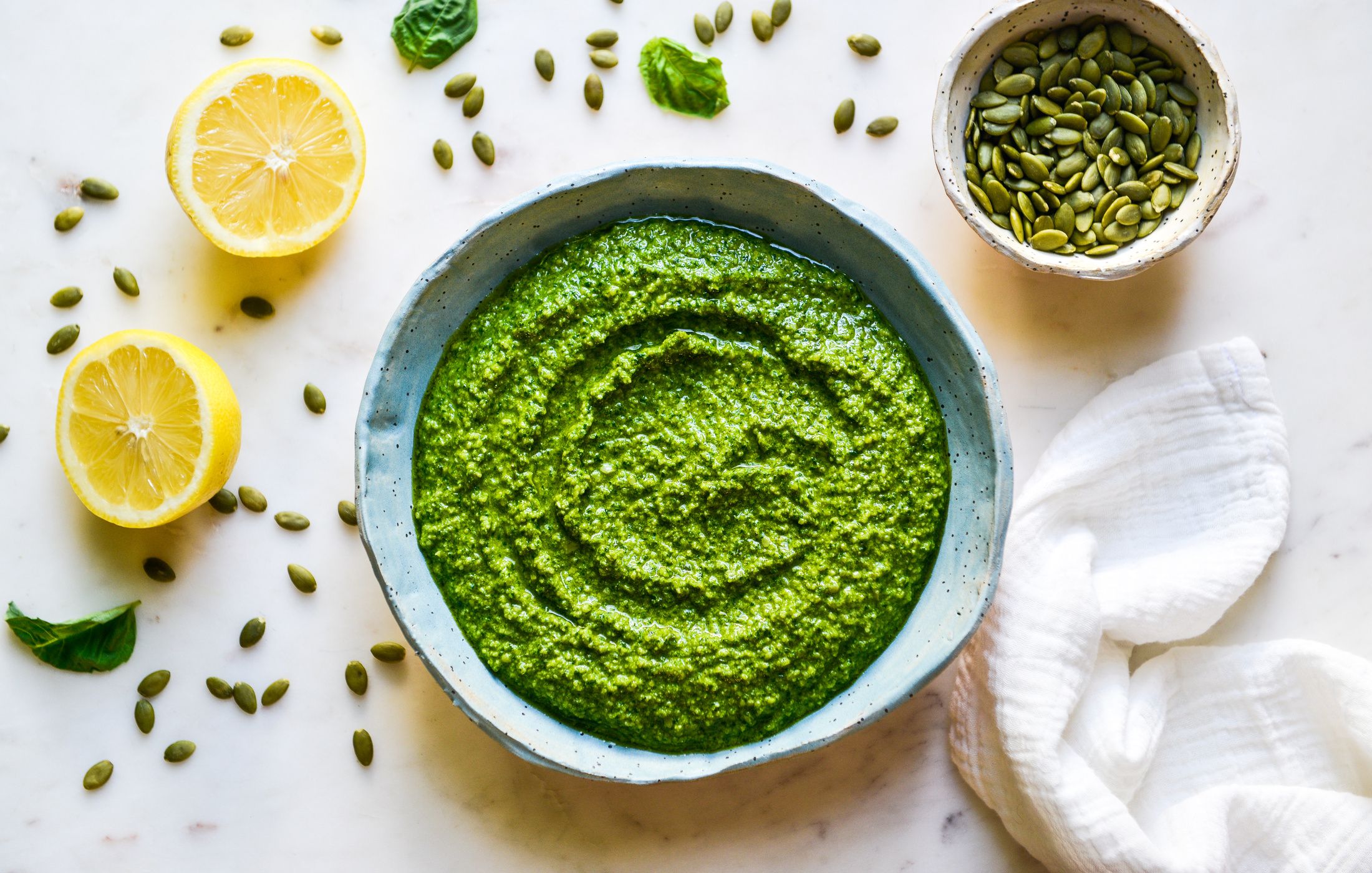
How Pumpkin Seeds Became My Go-to
I used to buy pine nuts, but the price was always shocking. A small bag cost more than my lunch. Pumpkin seeds are affordable and easy to find. I started using them for pesto, granola, and even salad toppings.
Pumpkin seeds are also more sustainable. They grow well in many climates. In the US, most pumpkin seeds come from farms in Oregon and New York. That’s local for me, and it feels good to support nearby growers.
Expert Opinions And Science
Chefs and nutritionists agree—pumpkin seeds are healthy and versatile. They’re high in protein (about 7g per ounce), contain antioxidants, and can help lower cholesterol. According to the Harvard T.H. Chan School of Public Health, pumpkin seeds are a heart-smart choice.
From my own kitchen, I’ve found pumpkin seed pesto to be more stable. Classic pesto can turn brown fast; pumpkin seeds keep it green longer.
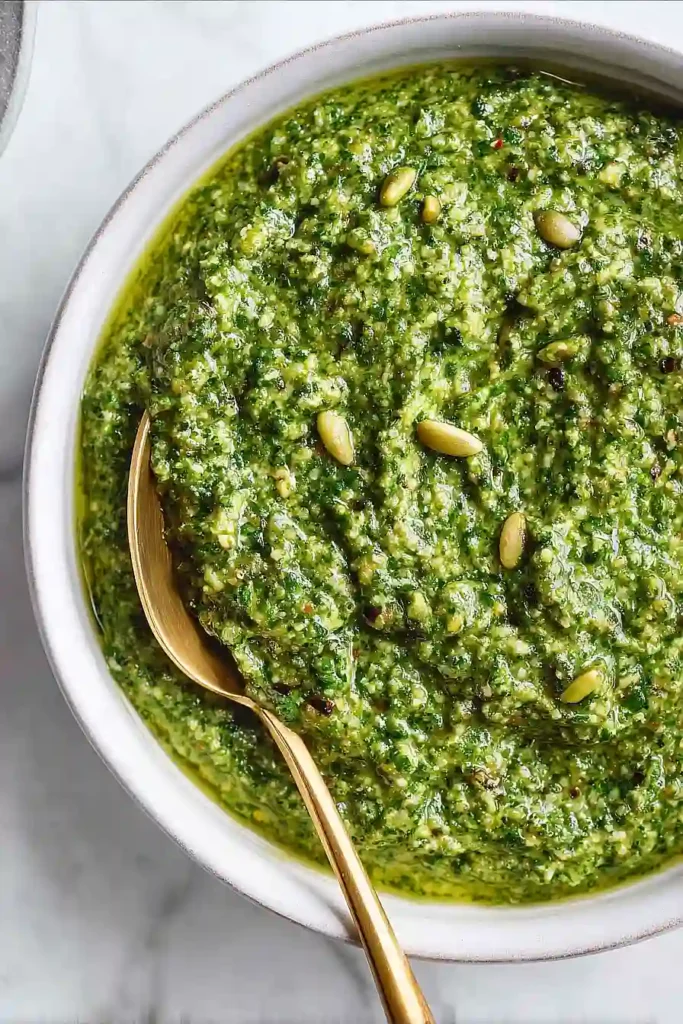
Storage, Shelf Life, And Batch Tips
Pumpkin seed pesto lasts up to five days in the fridge. I sometimes freeze it in ice cube trays—perfect for quick meals. If you want to make a big batch, double the recipe but blend in two parts. This keeps the texture creamy.
Behavior Tip: Don’t forget to label your pesto jar. Once, I grabbed what I thought was guacamole. It was pesto. The surprise was good, but my tortilla chips were confused.
Frequently Asked Questions
What Can I Use Instead Of Basil In Pumpkin Seed Pesto?
You can use cilantro, parsley, or even spinach. Each gives a unique flavor. Cilantro works well with Mexican dishes, parsley is fresh and mild, and spinach is neutral.
Is Pumpkin Seed Pesto Safe For People With Nut Allergies?
Yes, pumpkin seed pesto is nut free. Always check your seed packaging for cross-contamination warnings, but pumpkin seeds are usually safe for those avoiding nuts.
Can I Make Pumpkin Seed Pesto Vegan?
Absolutely. Just swap parmesan for nutritional yeast or a vegan cheese. The texture stays creamy, and the flavor is rich.
How Do I Keep Pesto Green And Fresh?
Store pesto in an airtight container. Add a thin layer of olive oil on top. This blocks air and keeps the color vibrant.
What Dishes Go Well With Pumpkin Seed Pesto?
Pumpkin seed pesto is great on pasta, sandwiches, roasted vegetables, and as a dip for crackers. I even use it on pizza or stirred into soups.
Pumpkin seed pesto brings creamy, bold flavor without the worry of nuts. It’s simple, affordable, and fits nearly every diet. I hope this recipe brings as much joy to your kitchen as it has to mine. Try it for your next meal, and you might never go back to classic pesto.