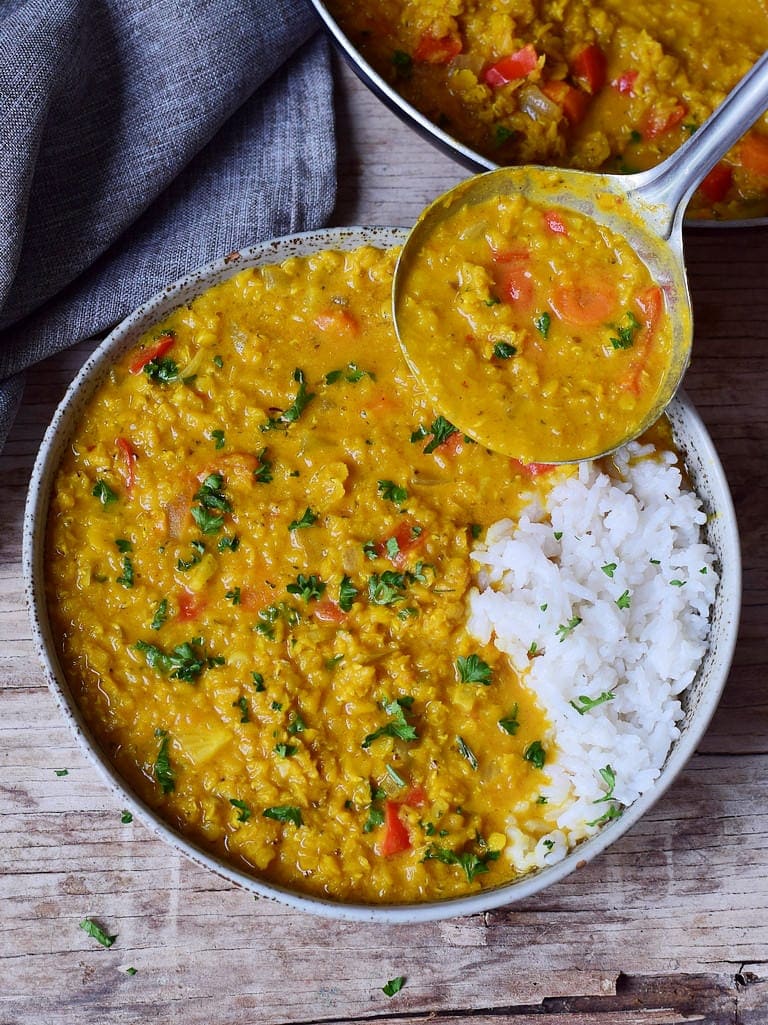
If you’ve never made red lentil dahl at home, you’re missing out on one of the easiest, coziest, and most rewarding dishes I know. I didn’t grow up eating dahl, but the first time I tried it at a friend’s house, I was amazed at how something so simple could be so comforting. The best part? You don’t need fancy ingredients or special cooking skills to make a great bowl of dahl. Over the years, I’ve tweaked and perfected my own recipe, and I’m excited to share everything I’ve learned—including what works, what sometimes goes wrong, and how to get the most flavor for the least effort.
What Makes Red Lentil Dahl So Special?
Dahl (sometimes spelled dal, daal, or dhal) is a classic Indian dish made from split pulses, most often red lentils, simmered with spices. It’s a staple in Indian cuisine, but it’s also popular in many other countries. I fell in love with red lentil dahl because it’s:
- Incredibly easy: No soaking, no tricky steps.
- Fast: Ready in about 30 minutes.
- Nutritious: Packed with plant protein and fiber.
- Budget-friendly: Lentils are cheap, and you probably have the spices on hand.
- Comforting: Warm, creamy, and satisfying.
What surprised me most was how you can create such a rich, hearty meal from just a few simple ingredients. It’s the kind of food that feels like a hug in a bowl.
Ingredients For Easy Red Lentil Dahl
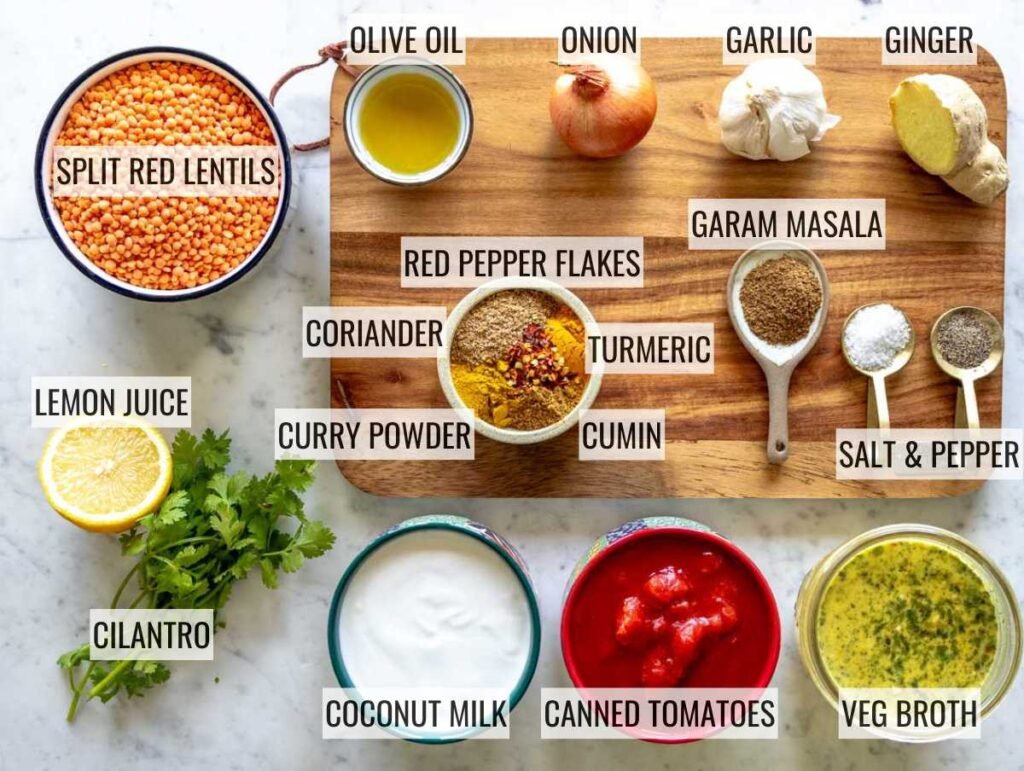
After many experiments (and a few burnt pots), I’ve landed on a simple ingredient list that hits all the right notes. Here’s what you’ll need:
- 1 cup red lentils (masoor dal), rinsed and drained
- 1 medium onion, finely chopped
- 2–3 cloves garlic, minced
- 1-inch piece fresh ginger, grated
- 1–2 medium tomatoes, diced (or 1 cup canned diced tomatoes)
- 2 tablespoons oil (vegetable or coconut)
- 1 teaspoon cumin seeds (or ground cumin)
- 1 teaspoon ground turmeric
- 1 teaspoon ground coriander
- ½ teaspoon chili powder (more or less, to taste)
- 1 teaspoon salt (adjust to taste)
- 3 cups water (plus more as needed)
- Fresh cilantro for garnish (optional)
- 1 teaspoon garam masala (optional, for extra warmth)
- Juice of half a lemon (optional, for brightness)
A few notes from my kitchen:
- Red lentils cook much faster than brown or green lentils. Don’t substitute, or the texture will change.
- You can swap fresh tomatoes with canned in winter. Both work well.
- Don’t skip the ginger and garlic. They really do make a difference.
- If you want a creamier texture, add a splash of coconut milk at the end.
How To Make Red Lentil Dahl: Step-by-step
I remember the first time I tried this, I was worried about burning the spices or overcooking the lentils. Now, I hardly think about it—it’s that easy. Here’s how I make mine:
1. Prep Everything First
Chop your onion, garlic, ginger, and tomatoes before you start. Dahl comes together fast, so having everything ready helps.
2. Sauté The Aromatics
Heat oil in a large saucepan over medium heat. Add cumin seeds and let them sizzle for 30 seconds, until fragrant. (If using ground cumin, add with other spices. )
Add the onion and cook until soft and golden—about 5 minutes. Stir in garlic and ginger; cook for another minute.
3. Add Spices And Tomatoes
Add turmeric, coriander, chili powder, and salt. Stir to coat the onions, then add the tomatoes. Cook for 2–3 minutes, until the tomatoes soften and start to break down.
4. Simmer The Lentils
Add rinsed red lentils and 3 cups water. Stir, scraping any browned bits from the bottom. Bring to a boil, then reduce heat and simmer uncovered for 15–20 minutes.
Stir occasionally. The lentils will break down and thicken. If the dahl gets too thick, add a splash more water.
5. Finish And Taste
When the lentils are soft and creamy, stir in garam masala (if using) and lemon juice. Taste and adjust salt or spices. Remove from heat.
6. Garnish And Serve
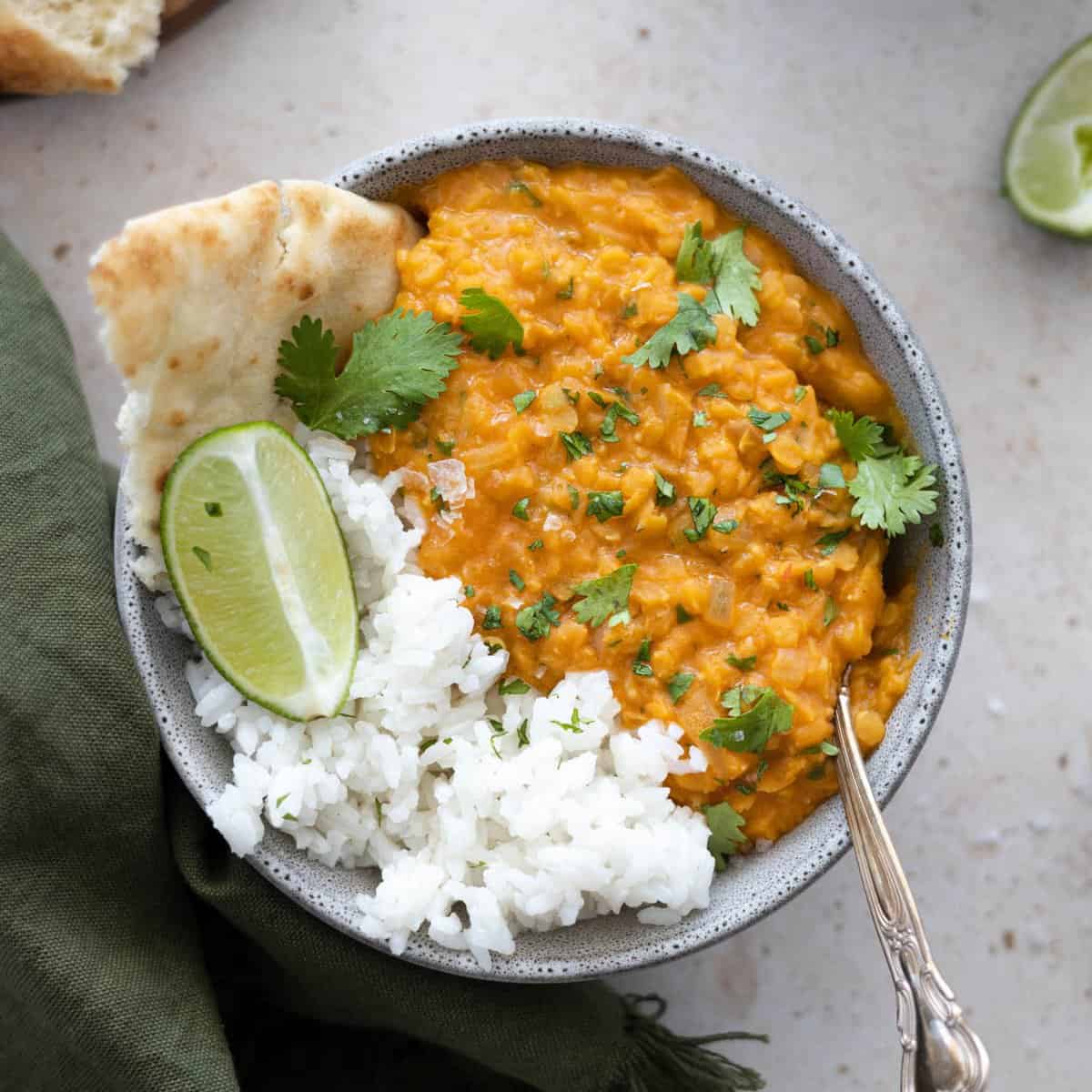
Sprinkle with chopped cilantro and serve hot with rice, naan, or flatbread.
Cooking Time
Prep: 10 Minutes
Cook: 25 Minutes
Total: 35 Minutes
Servings
Makes about 3–4 servings as a main dish, or 5–6 as a side.
Why Red Lentils Are Perfect For Dahl
I’ve made dahl with all sorts of lentils, but red lentils are the clear winner for this recipe. They break down quickly, giving the dahl its signature creamy texture. They also cook in less than 20 minutes—no soaking needed. This is a lifesaver on busy weeknights.
Here’s a quick look at how red lentils compare to other types:
| Lentil Type | Cooking Time | Texture | Common Uses |
|---|---|---|---|
| Red Lentils | 15–20 mins | Creamy, soft | Dahl, soups, purees |
| Brown Lentils | 25–30 mins | Hold shape | Salads, stews |
| Green Lentils | 30–40 mins | Firm, peppery | Salads, side dishes |
| Black Lentils (Urad) | 40–50 mins | Creamy but firmer | Dal makhani |
If you use a different type, you’ll need to adjust the cooking time and water amount. Trust me—stick with red lentils for easy, quick dahl.
My Best Tips For Perfect Red Lentil Dahl
I’ve made this dish more times than I can count. Some attempts were bland or watery; others burned on the bottom. Here’s what I wish I’d known from the start:
- Don’t skip toasting the spices. Sizzling whole or ground spices in oil wakes up their flavor. It’s the difference between a dull and a vibrant dahl.
- Watch your water. Red lentils soak up liquid fast. Add a little at a time near the end to keep the dahl creamy, not soupy.
- Stir often. Lentils can settle and burn, especially as they thicken. Stir every few minutes.
- Season well. Taste at the end and adjust salt or add a squeeze of lemon for brightness.
- Finish with fat. A swirl of coconut milk or a spoonful of ghee at the end makes the dahl extra rich.
A couple of times, I forgot to lower the heat and came back to a scorched bottom layer. If that happens, don’t scrape the burnt bits into the rest—just transfer the good part to a clean pot.
Common Mistakes (and How To Fix Them)
I’ve definitely had my share of dahl mishaps. Here’s what can go wrong and how to rescue your meal:
- Dahl is too thick: Stir in hot water, a little at a time, until you get the right consistency.
- Dahl is too watery: Simmer uncovered, stirring often, until it thickens up.
- Burnt bottom: Carefully pour the top layer into another pan—don’t scrape the burned part.
- Bland flavor: Add more salt, a pinch of chili powder, or a dash of lemon juice.
One thing I realized: Dahl tastes even better the next day. The flavors deepen, and it thickens to a perfect, scoopable texture.
How To Serve Red Lentil Dahl
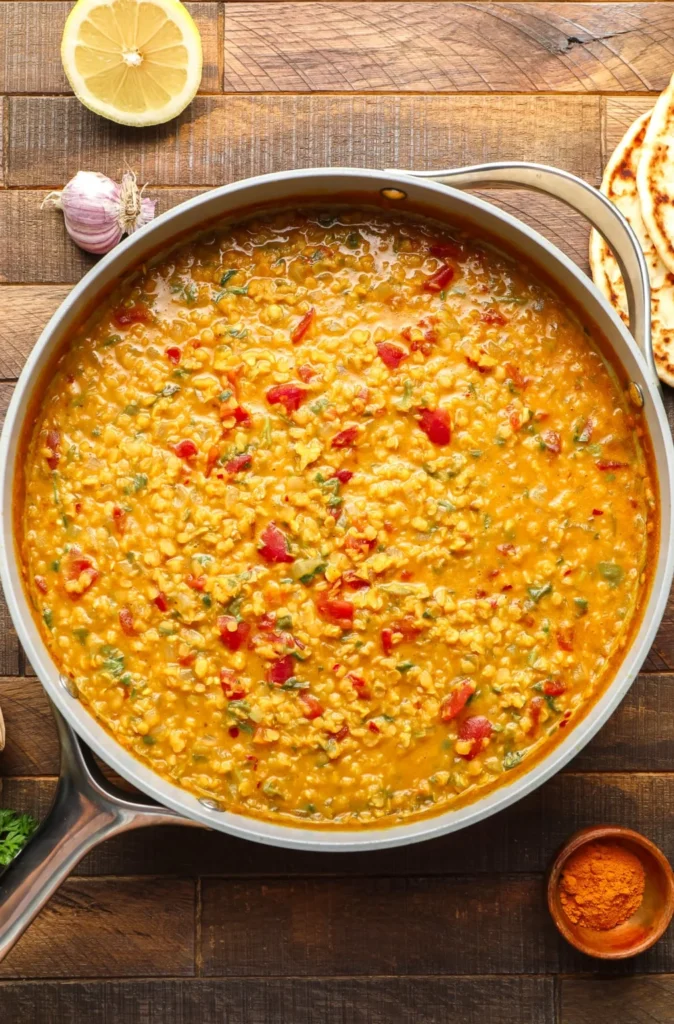
I love eating dahl with steamed rice or warm naan bread. Sometimes I just eat it straight from the bowl. If you’re looking for ideas:
- Spoon it over basmati or jasmine rice.
- Serve with roti, chapati, or pita bread.
- Top with a dollop of yogurt or coconut yogurt for creaminess.
- Add a side of pickled onions or a squeeze of lemon.
Dahl is also great as part of a bigger meal. Sometimes, I serve it alongside roasted vegetables or a simple cucumber salad.
Nutrition Breakdown
One reason I keep coming back to this dish is how healthy it is. Red lentils are packed with plant-based protein, fiber, and important minerals like iron and potassium. Here’s a basic look at the nutrition (per 1-cup serving of cooked dahl):
| Nutrient | Amount | % Daily Value |
|---|---|---|
| Calories | 210 | 10% |
| Protein | 13g | 26% |
| Fiber | 12g | 40% |
| Iron | 3.3mg | 18% |
| Fat | 3g | 4% |
| Carbohydrates | 36g | 12% |
Note: The % Daily Value is based on a 2,000-calorie diet.
If you’re vegan or trying to cut back on meat, dahl is a great way to get more protein. Red lentils are also easier to digest than some other beans.
Simple Variations To Try
I make this recipe at least once a month, but I rarely make it exactly the same way twice. Here are some easy tweaks and add-ins I’ve enjoyed:
- Add spinach or kale: Stir in a few handfuls during the last 5 minutes of cooking.
- Use coconut milk: Replace ½ cup water with coconut milk for a richer flavor.
- Add vegetables: Diced carrots, zucchini, or sweet potatoes work well.
- Make it spicy: Add a chopped green chili with the onions, or use extra chili powder.
- Top with crispy onions: Fry sliced onions until golden and sprinkle on top.
One day, I tossed in leftover roasted cauliflower and it was a hit.
Red Lentil Dahl For Meal Prep
Dahl is a meal-prepper’s dream. I often make a big batch and eat it for lunch all week. Here’s what I’ve learned about storing and reheating:
- Fridge: Keeps for up to 5 days in an airtight container.
- Freezer: Freeze in portions for up to 3 months. Thaw overnight and reheat gently.
- Reheating: Add a splash of water and stir as you reheat on the stove or in the microwave.
The flavors only get better with time. Some days, I even like it cold, straight from the fridge.
Is Red Lentil Dahl Good For You?
I used to worry about carbs and calories, but dahl is honestly one of the most balanced meals I eat. It’s naturally gluten-free, full of plant protein, and low in fat. Plus, the fiber keeps me full for hours.
Here’s how red lentil dahl stacks up compared to other common plant-based protein dishes:
| Dish | Protein (per cup) | Fiber (per cup) | Prep Time |
|---|---|---|---|
| Red Lentil Dahl | 13g | 12g | 35 mins |
| Chickpea Curry | 11g | 10g | 45 mins |
| Black Bean Soup | 9g | 7g | 1 hour |
For anyone watching sodium, be careful with how much salt you add and watch out for salty broths. Most of the sodium comes from added salt, not the lentils themselves.
Making Red Lentil Dahl More Authentic
I’m not from India, so I can’t claim my dahl is “traditional.” But I’ve learned a few tricks from friends and food blogs to bring more authentic flavor:
- Use ghee instead of oil for a richer base.
- Add a tadka (spiced oil drizzle) at the end: Heat oil, add cumin seeds and sliced garlic, sizzle, and pour over the dahl.
- Include asafoetida (hing) if you have it—just a pinch adds a subtle onion-garlic note.
- Try a mix of whole spices: Mustard seeds, fenugreek, or curry leaves are great.
You don’t need these touches for a delicious dahl, but they do add something special if you’re feeling adventurous.
If you want to see how dahl is made in different regions, check out this Wikipedia entry on Dal for more background.
Real-life Experience: What I’ve Learned
The first few times I made dahl, I was nervous about getting the “right” flavor. I worried that skipping a spice or using canned tomatoes would ruin the dish. But honestly, dahl is forgiving. It’s a dish that welcomes improvisation.
Here are two insights I wish someone had told me:
- Texture matters more than looks. When dahl is creamy and smooth, it tastes great—even if it’s not bright yellow or perfectly thick. Trust your spoon, not just your eyes.
- Resting time improves flavor. If you can, let the finished dahl sit for 15–20 minutes before eating. The flavors meld, and the texture thickens. Sometimes, I make it at lunch to eat for dinner.
I’ve also learned to keep things simple on busy nights. If I skip the cilantro or lemon, it’s still good. If I add extra veggies, it becomes a new meal. Dahl is always there for you, no matter what.
Frequently Asked Questions
What’s The Difference Between Dahl And Curry?
Dahl refers specifically to dishes made with lentils or other split pulses. Curry is a broader term for Indian dishes with a spiced sauce, often with vegetables or meat. Dahl can be a type of curry, but not all curries are dahl.
Can I Use Green Or Brown Lentils Instead Of Red Lentils?
You can, but the texture and cooking time will change. Green and brown lentils hold their shape and take longer to cook. Red lentils break down and become creamy, which is perfect for traditional dahl.
Is Red Lentil Dahl Gluten-free?
Yes, if you use gluten-free spices and avoid cross-contamination. Lentils are naturally gluten-free, making dahl a safe choice for most people with gluten sensitivities.
How Can I Make Red Lentil Dahl More Flavorful?
Try blooming your spices in hot oil, using fresh ginger and garlic, and finishing with lemon juice. Adding a tadka (spiced oil drizzle) at the end is an easy way to boost flavor.
Can I Freeze Leftover Red Lentil Dahl?
Absolutely! Let it cool, then freeze in airtight containers for up to 3 months. Thaw overnight in the fridge and reheat with a splash of water to loosen.
—
Red lentil dahl has become one of my favorite comfort foods. It’s quick, healthy, and endlessly flexible. Whether you’re a beginner or a seasoned cook, I hope you’ll find this recipe as satisfying and forgiving as I have. The best meals, I think, are the ones you can make your own—and dahl is perfect for that.
Give it a try, and don’t be afraid to experiment. You might just find your new favorite dinner.