Cooking rice used to stress me out. I always worried: Would it turn out mushy? Too dry? Stuck to the bottom? After many hit-or-miss dinners, I finally learned a technique that changed everything—the absorption method. Now, fluffy, tender rice is something I can count on. I want to share what I’ve learned, so you don’t have to guess anymore.
What Is The Absorption Method?
The absorption method is simple. You cook rice in just enough water so that it all gets absorbed—no draining, no rinsing after cooking. It’s the classic way you see in so many homes and kitchens.
I first tried it on a busy weeknight. I didn’t have time to babysit the pot, and I needed rice for a quick stir-fry. The results were surprisingly good, and with a bit more practice, it became my go-to method.
Why Use The Absorption Method?
Here’s why I keep coming back to this way of cooking rice:
- Consistent results: Rice turns out fluffy, not sticky or gluey.
- Easy cleanup: No leftover water to pour out or starchy mess.
- Fewer dishes: One pot does it all.
- No fancy equipment: You only need a pot with a tight lid.
- Hands-off: Once the pot is covered, you can work on other things.
I’ve tried using rice cookers and microwaves too, but the absorption method feels the most reliable, especially for everyday meals.
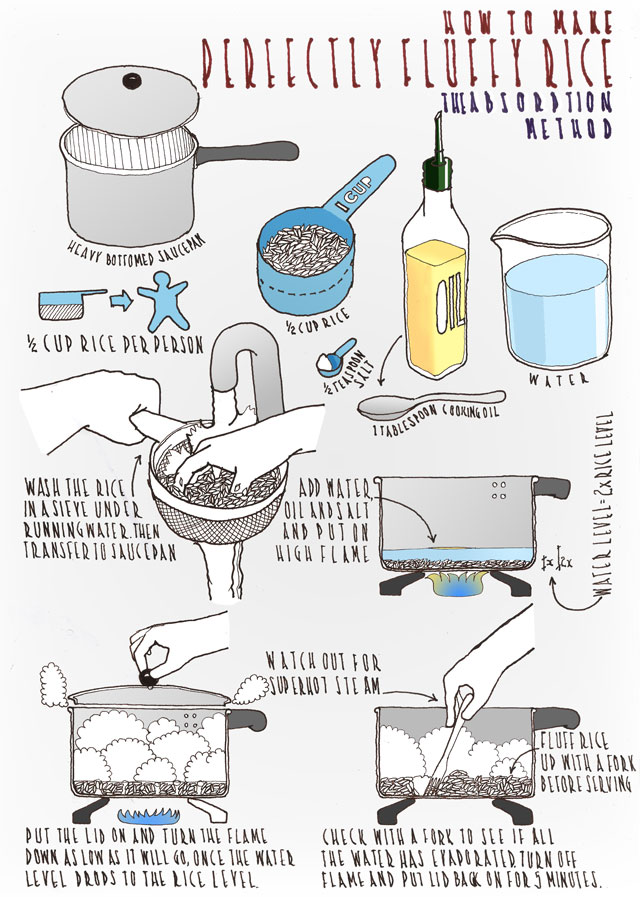
Credit: thenewvitruvianman.com
Ingredients And Tools You Need
When I make rice this way, I keep things simple:
- 1 cup white rice (long grain, like jasmine or basmati, or regular white rice)
- 2 cups water
- 1/2 teaspoon salt (optional, but it brings out flavor)
- 1 teaspoon oil or butter (optional, for a bit of richness)
- A medium saucepan with a tight-fitting lid
This makes about 3 cups of cooked rice—enough for 2 to 3 people. You can double or triple the recipe, but keep the same ratio.
Step-by-step: How I Cook Rice With The Absorption Method
Here’s the process I use. I’ve made every mistake, so these steps include the little details that matter.
1. Measure Your Rice
Always use the same measuring cup for both rice and water. This keeps the ratio right. If you use a mug, use that for both.
2. Rinse The Rice
I used to skip this, but rinsing really helps. Place rice in a bowl, add cold water, swirl with your hand, and pour off the cloudy water. Repeat 2-3 times until the water runs mostly clear. This removes extra starch and stops clumping.
3. Add Water And Salt
Add the rinsed rice to your pot. Pour in 2 cups of water for every cup of rice. Add salt if you like.
4. Boil, Then Simmer
Set the pot over medium-high heat. Bring it to a gentle boil. Don’t walk away—this step is quick! As soon as you see bubbles, give the rice a quick stir, then lower the heat to the smallest flame. Cover tightly with the lid.
5. Let It Absorb
Don’t lift the lid! Let the rice cook for 15–18 minutes. The steam stays trapped inside, and the rice absorbs all the water. I set a timer and resist peeking, even though I’m tempted.
6. Rest, Then Fluff
When the timer goes off, turn off the heat. Let the rice sit, covered, for 5–10 minutes. This extra time lets any last moisture settle. Open the lid, fluff the rice with a fork, and enjoy!
The Science And Data: Why It Works
Why does this method create perfect rice? It’s all about steam and water absorption. The rice grains soak up all the water, so each grain cooks evenly. With the lid on, the steam surrounds the rice, making it tender.
Here’s a quick look at how different rice methods stack up:
| Method | Water Needed | Hands-On Time | Texture |
|---|---|---|---|
| Absorption | 2:1 (water:rice) | Low | Fluffy, separate |
| Boiling/Draining | Plenty, then drain | Medium | Softer, sometimes sticky |
| Steaming | Varies | Medium | Sticky or fluffy |
Tips From My Own Kitchen
After cooking rice this way dozens of times, I’ve picked up a few tricks:
- Don’t rush the simmer. High heat makes the water boil off too fast. Use the lowest setting.
- A heavy lid is key. A lightweight lid lets steam escape; a snug lid keeps moisture in.
- Let it rest. That extra 5–10 minutes after cooking makes rice less wet and more fluffy.
- Don’t stir while cooking. Stirring breaks grains and makes rice gummy.
A small tip: If you smell toasted rice at the end, you may have cooked it a bit too long or at too high a heat. But honestly, the crispy part at the bottom is delicious—some call it “socarrat” in Spanish cooking!
Absorption Method For Other Types Of Rice
Not all rice is the same. Here’s what I do for common varieties:
| Rice Type | Water Ratio | Cook Time | Notes |
|---|---|---|---|
| White (long grain) | 2:1 | 15–18 min | Standard method |
| Basmati | 1.5:1 | 12–15 min | Soak for 30 min before cooking |
| Jasmine | 1.75:1 | 12–15 min | Rinse only, don’t soak |
| Brown rice | 2.5:1 | 35–40 min | Needs longer simmer |
For brown rice, I usually add more water and cook it longer. It’s chewier and takes patience, but the absorption method still works.
Common Mistakes I’ve Made (and How To Fix Them)
I’ve had my share of rice fails. Here’s what I learned:
- Rice is too hard or chewy: Usually not enough water or cooked too short. Add 2–3 tablespoons of water, cover, and cook on low for 5 more minutes.
- Rice is mushy: Too much water or cooked too long. Next time, use less water or uncover the pot for the last 2 minutes.
- Rice stuck to the bottom: Heat was too high. Always use the lowest heat and a heavy-bottomed pot if you can.
- Rice burned: Lid was loose, or all water evaporated too fast. Make sure your lid fits tight.

Credit: www.youtube.com
Real-life Context
One time, I made rice this way for a family dinner. I was nervous because my uncle is a real rice critic! But when I used the absorption method and followed these steps, everyone asked how I did it. Even my uncle took seconds.
Now, whether it’s a weeknight or a holiday, this method is my safety net. It’s flexible and forgiving. Even if you mess up, a few tweaks usually rescue the pot.
When Not To Use The Absorption Method
The absorption method is great for plain rice and most side dishes. But if you’re making sticky rice for sushi, or a creamy risotto, you’ll need a different technique. For fried rice, I cook rice this way, then chill it before frying.

Credit: www.youtube.com
Frequently Asked Questions
How Do I Stop Rice From Boiling Over?
Use a pot that’s a bit larger than you think you need. When the water boils, lower the heat right away. A heavy lid also helps.
Can I Use This Method For Brown Rice?
Yes, but use more water (about 2. 5 cups per cup of rice) and cook for 35–40 minutes. Brown rice takes longer to soften.
What If My Rice Turns Out Too Sticky?
You probably added too much water or didn’t rinse the rice enough. Next time, rinse well and use a little less water.
Can I Add Flavors To The Rice?
Definitely! Add a bay leaf, a cinnamon stick, or some butter to the pot before simmering. It’s a great way to boost flavor.
Where Can I Learn More About Rice Varieties?
You can explore different rice types and their uses on the Wikipedia Rice page.
Cooking rice the absorption way changed my kitchen confidence. It’s easy, reliable, and makes every meal better. Give it a try—I think you’ll love it as much as I do.