Casunziei All’ampezzana Beetroot Ravioli With Poppy Seeds: My Honest Experience
There are some dishes that surprise you the first time you taste them. For me, Casunziei all’Ampezzana, or beetroot ravioli with poppy seeds, was one of those magical moments. The first time I made it, I was curious, maybe even a little doubtful. Beetroot in pasta? Topped with poppy seeds and butter? It sounded unusual, but I was in for a treat.
What Makes Casunziei All’ampezzana Special
This dish comes from the Dolomites, a mountain region in Northern Italy. It’s famous in the Ampezzo Valley, and you’ll find it in homes and restaurants, especially in winter. But it’s not just the location that makes it special.
Casunziei are half-moon shaped ravioli, filled with a sweet and earthy mix of beetroot, potatoes, and sometimes ricotta. When you bite into them, the bright pink filling stands out against the soft pasta. The taste is gentle, not too sweet, not too salty, and the poppy seed butter on top adds a nutty crunch.
What struck me most was how comforting the flavors felt—like winter, but cozy and bright.
Ingredients And Quantities
I found the ingredient list simple but important to get right. Here’s what I used for four servings (about 24 ravioli):
- 2 medium beetroots (about 250g), cooked and peeled
- 1 medium potato (about 100g), cooked and peeled
- 100g ricotta cheese (optional, for creaminess)
- 1 cup all-purpose flour (plus extra for dusting)
- 1 large egg
- 1 tablespoon olive oil
- Salt and pepper, to taste
- 50g unsalted butter
- 2 tablespoons poppy seeds
- 30g grated Parmesan (for serving)
Non-obvious tip: Roasting the beetroots instead of boiling gives a deeper flavor.
Step-by-step Cooking Instructions
Making Casunziei is not difficult, but it does take time and a bit of patience. I like to break it down into a few clear steps.
1. Prepare The Filling
- Finely grate or mash the cooked beetroots and potato.
- Mix them with the ricotta (if using), and season with salt and pepper.
- The filling should be moist but not runny. If it’s too wet, let it sit in a strainer for a few minutes.
Insight: Taste the filling before you start shaping the pasta. Adjust the salt or add a little lemon juice if it tastes too earthy.
2. Make The Pasta Dough
- Pour the flour onto a clean surface, make a well in the center, and crack the egg inside.
- Add olive oil and a pinch of salt.
- Use a fork to mix, then knead by hand for about 10 minutes, until smooth and elastic.
- Wrap in plastic and let rest for 30 minutes.
Beginner mistake: Don’t skip the resting time—it makes the dough easier to roll.
3. Shape The Ravioli
- Roll out the dough as thin as you can—aim for about 1mm.
- Cut circles using a glass or cutter (about 7cm diameter).
- Place a small spoonful of filling in the center of each circle.
- Fold over to make a half-moon and press the edges to seal. Use a little water if needed.
If you make extra, freeze them on a tray before storing in a bag.
4. Cook And Finish
- Boil a big pot of salted water.
- Drop the ravioli in and cook for 2-3 minutes, until they float.
- In a pan, melt the butter gently, then add the poppy seeds. Do not brown the butter.
- Drain ravioli, arrange on plates, and spoon over the butter and seeds. Sprinkle with Parmesan.
Pro tip: Serve immediately, as the pasta can get sticky if left to sit.
Texture, Taste, And Presentation
What I love most about Casunziei is the combination of colors and textures. The pasta is tender, the filling is soft and slightly sweet, and the poppy seed butter adds a delicate, nutty flavor. The poppy seeds also look beautiful against the pink filling.
On a snowy evening, I served these ravioli with a simple green salad and a light white wine. The colors were stunning, and the dish felt both elegant and comforting.
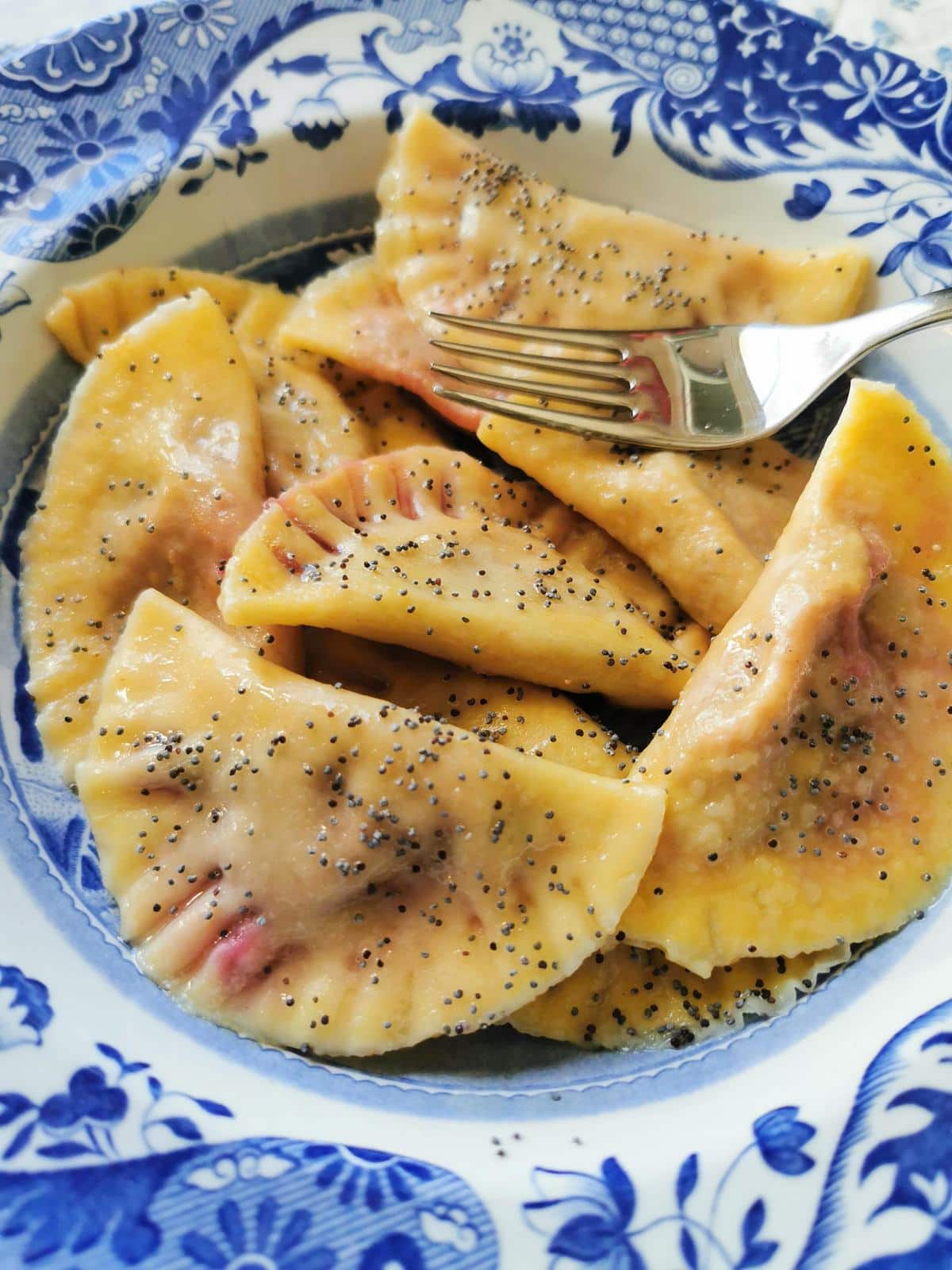
Credit: www.the-pasta-project.com
Casunziei Vs. Other Ravioli
Not all ravioli are created equal. Here’s how Casunziei stands out compared to classic Italian ravioli:
| Type | Main Filling | Sauce | Region |
|---|---|---|---|
| Casunziei all’Ampezzana | Beetroot, potato, ricotta | Poppy seed butter | Dolomites (Veneto) |
| Ricotta & Spinach Ravioli | Ricotta, spinach | Tomato or sage butter | Tuscany |
| Beef Ravioli | Beef, herbs | Tomato sauce | Northern Italy |
My Honest Review: Strengths And Weaknesses
Making Casunziei at home was rewarding, but there were some challenges.
What I Loved
- Bright flavors: The beetroot filling was sweet and earthy, not overpowering.
- Unique look: The color wowed my family.
- Simple ingredients: Everything was easy to find.
What Could Be Improved
- Time-consuming: Making the dough and shaping ravioli took longer than expected.
- Filling can be wet: If you rush, the filling can leak during cooking.
- Delicate pasta: The dough can tear if rolled too thin or handled roughly.
Real-life tip: Make the filling a day ahead. It saves time and the flavors blend better.

Credit: tarasmulticulturaltable.com
When And Why To Make Casunziei
I first tried this dish on a cold Sunday, wanting to cook something new with my family. It felt like a project, but also a way to bring everyone together. Casunziei is perfect for:
- Special dinners when you want to impress
- Vegetarian meals that feel hearty
- Celebrating winter with a dish from the Alps
If you like pasta and want something different from the usual cheese or meat fillings, this dish is a must-try.
Nutritional Information
I care about what goes into my food, and Casunziei is actually lighter than many stuffed pastas.
| Component | Per Serving (6 ravioli) |
|---|---|
| Calories | 230 kcal |
| Protein | 7g |
| Fat | 8g |
| Carbs | 34g |
| Fiber | 3g |
*Values are approximate and can change based on your ingredients. *
Where To Find More About Casunziei
If you want to learn more about the tradition and history behind Casunziei all’Ampezzana, check out this excellent Wikipedia entry.
Frequently Asked Questions
What Is The Best Way To Cook Beetroots For The Filling?
Roasting beetroots in the oven (wrapped in foil, 200°C/400°F for 45 minutes) keeps the flavor sweet and rich. Boiling works too but can be less tasty.
Can I Freeze Homemade Casunziei Ravioli?
Yes, freeze them in a single layer until solid, then transfer to a bag. Cook straight from frozen—just add one extra minute.
Is It Possible To Use Other Fillings?
Casunziei can also be made with pumpkin, spinach, or even turnip, but beetroot is the classic choice for the Ampezzo version.
What Wine Pairs Well With Casunziei All’ampezzana?
A light white wine, like Pinot Grigio or Sauvignon Blanc, works well. The fresh taste balances the sweet beetroot.
Can I Make The Dough Without Eggs?
You can, but the pasta will be a bit less rich and elastic. Replace the egg with 2-3 tablespoons of water and add a pinch more salt.
Casunziei all’Ampezzana isn’t just food—it’s a story on a plate. If you’re curious about Italian mountain food or want to brighten up your dinner table, this beetroot ravioli is worth your time and effort. Give it a try and make your own memories, just like I did.

Credit: tarasmulticulturaltable.com