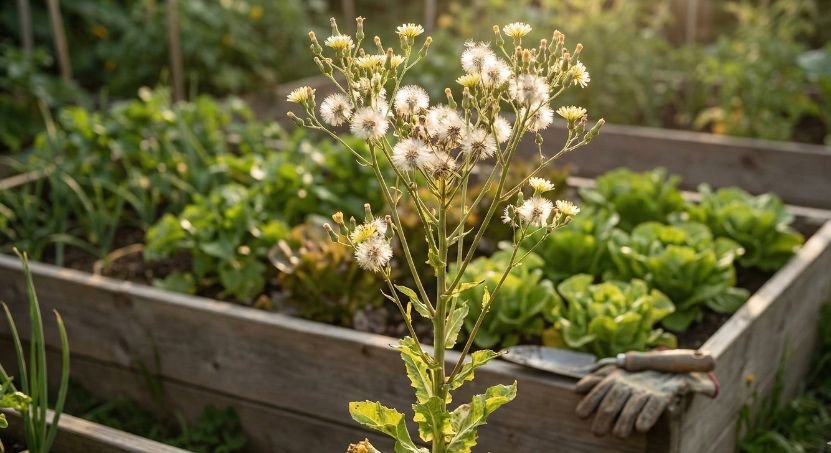
Have you ever noticed your lettuce suddenly growing tall and flowering? That’s what happens when lettuce goes to seed.
It might look strange, and you might wonder if it’s still good to eat or what it means for your garden. Understanding this process can help you make the most of your lettuce and avoid surprises. Keep reading to find out why lettuce bolts, what happens next, and how you can handle it to keep your greens fresh and tasty.
Lettuce Life Cycle
Lettuce starts life as a tiny seed that germinates in warm soil. It sends up a small sprout with two tiny leaves called cotyledons. As it grows, more leaves develop, and the plant gets bigger and greener. The lettuce needs plenty of water and sunlight to grow well.
Signs of maturity include large, full leaves that form a loose or tight head, depending on the type. The plant looks healthy and strong. At this stage, lettuce is ready to be picked and eaten. If left alone, it will start to grow a tall flower stalk.
Bolting Process
Bolting happens when lettuce grows a tall flower stem. This is a natural process. Warm temperatures can cause bolting fast. Also, longer daylight hours make lettuce bolt. Stress from lack of water or poor soil can trigger bolting too.
When lettuce bolts, it changes a lot. The leaves become bitter and less tasty. The plant stops making big, soft leaves. Instead, it puts energy into the flower stem. This stem grows tall and thin with small buds on top.
Flower Development
The flower stalk grows tall from the center of the lettuce plant. This stalk helps the plant make flowers and seeds. The leaves stop growing and the stalk becomes the main focus.
There are two main types of lettuce flowers: small and clustered or larger and spaced out. These flowers are usually yellow or white. They attract insects for pollination.
| Type of Lettuce Flower | Description | Color |
|---|---|---|
| Clustered Flowers | Small flowers grouped closely on the stalk | Yellow or white |
| Spaced Flowers | Larger flowers spread apart along the stalk | White or pale yellow |
Seed Formation
Pollination is key for lettuce seed formation. Bees and wind help move pollen between flowers. This transfer allows seeds to start growing inside the flower’s seed pods.
Seed maturation takes time. After pollination, seeds grow bigger and harder. The plant uses energy to fill seeds with nutrients. This helps seeds survive until they can grow into new lettuce plants.
Impact On Leaf Quality
When lettuce starts to go to seed, its leaves change a lot. The leaves become more bitter and less fresh. The texture turns tougher and less crisp. This makes the lettuce less good for salads or sandwiches.
Nutritionally, the lettuce changes too. The water content drops, so the leaves feel dry. Some vitamins like vitamin C may reduce. But the plant puts energy into making seeds instead of leaves.
Harvesting Seeds
Seeds should be collected when the lettuce flower turns brown and dry. This means the seeds are mature and ready. Gently shake or rub the seed heads to release seeds. Collect them in a clean container to avoid dirt.
Store seeds in a cool, dry place. A sealed jar or envelope works well. Avoid moisture, as it can cause seeds to rot or sprout early. Label the container with the seed type and date.
| Seed Storage Tips |
|---|
| Keep seeds away from heat and sunlight. |
| Use airtight containers to prevent moisture. |
| Store in a dark, dry place like a cupboard. |
| Check seeds yearly for mold or damage. |
| Seeds can last 1-3 years if stored well. |
Preventing Premature Seeding
Temperature plays a big role in stopping lettuce from seeding early. Cool weather helps keep lettuce fresh and leafy longer. Warm or hot temperatures can make lettuce send up seeds quickly. Keeping lettuce in a shaded spot can help lower heat stress. Watering regularly also helps lettuce stay healthy and less likely to seed too soon.
Choosing the right lettuce variety is also important. Some types of lettuce are made to grow leaves for a long time before seeding. Others go to seed fast, especially in warm weather. Pick slow-bolting varieties if you want to keep lettuce fresh longer. Seed packets often say if the variety resists early seeding.
Conclusion
Lettuce going to seed changes its taste and texture quickly. Leaves turn bitter and tough, less good for salads. The plant focuses energy on flowers and seeds, not leaves. This process is natural and helps lettuce reproduce. Gardeners can collect seeds for next planting season.
Watching lettuce bolt can teach you about plant life cycles. Knowing this helps you decide when to harvest. Keep an eye on your lettuce to enjoy fresh leaves. Seed formation marks the end of leaf growth. Understanding this helps grow better, tastier lettuce in your garden.