Have you ever wondered if lettuce can be frozen without turning mushy or losing its crunch? If you’ve ever found yourself with extra lettuce that’s about to go bad, you’re not alone.
Freezing lettuce might sound strange, but it can actually save you money and reduce food waste. You’ll discover simple tips to freeze lettuce the right way, so it stays fresh and tasty when you need it most. Keep reading to unlock a smart trick that can change how you handle your greens forever.
Freezing Lettuce Basics
Not all lettuce types freeze well. Iceberg and romaine are better choices. They keep their texture after freezing. Leafy lettuces get soggy and limp. Wash and dry the lettuce first. Cut into small pieces before freezing. Use airtight bags to avoid freezer burn.
Freezing lettuce changes its nutritional value. Some vitamins, like vitamin C, reduce after freezing. But fiber and minerals stay the same. Frozen lettuce is good for cooking, not fresh salads. Use it in soups, stews, or smoothies. It saves food and cuts waste.
Preparing Lettuce For Freezing
Start by rinsing the lettuce leaves under cold water. This removes dirt and bugs. Next, dry the leaves well using a clean towel or salad spinner. Wet leaves can freeze into ice, which makes them soggy after thawing.
For chopping, cut the lettuce into small pieces or strips. Smaller pieces freeze better and are easier to use later. Avoid chopping too finely; keep the pieces about 1-2 inches long.
Use a sharp knife to avoid bruising the leaves. Bruised leaves turn brown and spoil faster. Handle the lettuce gently to keep it fresh.
Freezing Methods
Blanching process helps keep lettuce fresh when frozen. First, wash and cut lettuce into pieces. Boil water and dip lettuce for 1-2 minutes. Then, put it in ice water to stop cooking. Drain well before freezing to avoid ice crystals. This method keeps color and texture better.
Direct freezing means putting lettuce straight in the freezer. Wash and dry leaves well. Spread leaves on a tray, freeze until hard, then put in bags. This stops leaves from sticking together. Best for salads used soon after.
| Method | Steps | Benefits |
|---|---|---|
| Blanching Process |
| Keeps color, texture, and taste |
| Direct Freezing |
| Quick and easy, good for short storage |
| Using Vacuum Sealing |
| Removes air, prevents freezer burn, lasts longer |
Storage Tips
Freezing lettuce needs proper packaging to keep it fresh. Use airtight bags or sealed containers to stop air and moisture. Wrap lettuce in a paper towel first to absorb extra water. This helps prevent freezer burn. Avoid using regular plastic wrap as it lets air inside.
Shelf life for frozen lettuce is usually 8 to 12 months. Use it sooner for best taste and texture. Once thawed, lettuce works well in cooked dishes but is not great for salads. Keep frozen lettuce at a constant 0°F (-18°C) or lower for safety.
Using Frozen Lettuce
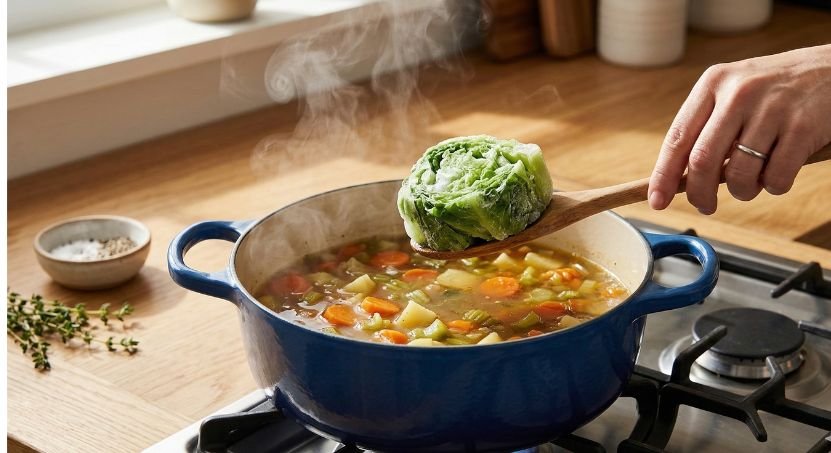
Frozen lettuce works best in cooked dishes, not fresh salads. It becomes soft after thawing. To thaw, place it in the fridge for a few hours or run cold water over the bag. Avoid using hot water to keep flavor.
Frozen lettuce is great for soups, stews, and smoothies. It adds nutrition without wilting. Try mixing it in pasta sauces or casseroles. It also works well in egg dishes like omelets.
Common Mistakes To Avoid
Freezing lettuce without preparation leads to soggy leaves. Always wash and dry lettuce completely before freezing. Ice crystals form on wet leaves and damage texture. Avoid freezing whole heads; chop lettuce into pieces first. Store in airtight containers or freezer bags to prevent freezer burn. Do not freeze lettuce with dressing or sauces; these make it slimy after thawing. Label bags with the date for easy tracking. Use frozen lettuce only in cooked dishes like soups or casseroles. Raw use after freezing can cause unpleasant texture changes. Proper handling keeps lettuce fresh and tasty after freezing.
Conclusion
Freezing lettuce helps reduce waste and saves money. It keeps lettuce fresh longer than usual. Use frozen lettuce in cooked dishes like soups or stews. The texture changes, so it is not good for salads. Simple steps like washing and drying before freezing work best.
Try freezing small amounts first to see what you like. This method makes your food last and cuts down trips to the store. Give freezing lettuce a try to keep your greens ready anytime.