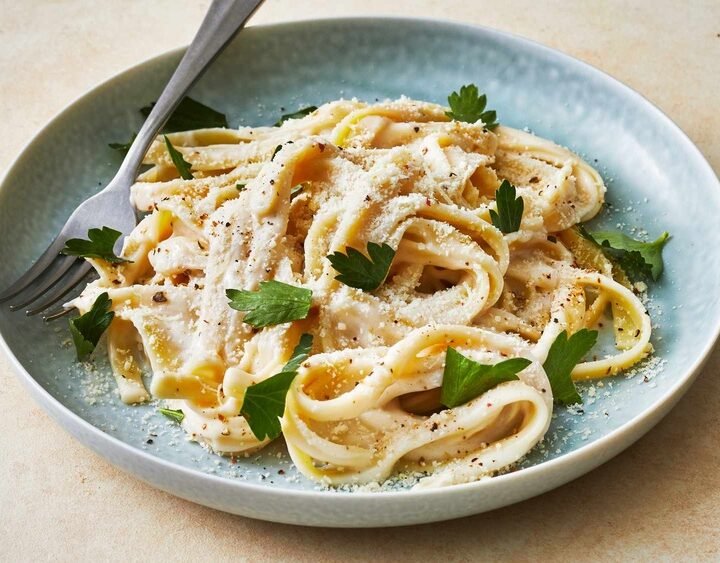
If you’ve ever craved something creamy, comforting, and surprisingly easy to make, you’re not alone. I’ve found that homemade Alfredo sauce is one of those little kitchen wins that feels like a warm hug after a long day. The best part?
You don’t need fancy ingredients or hours of cooking. In fact, my easy Alfredo sauce recipe is faster than ordering takeout and tastes way better than the jarred kind.
Let me share everything I know—from my own kitchen blunders to simple tricks that make a big difference. Whether you’re cooking for yourself, family, or friends, this is the only Alfredo sauce recipe you’ll ever need.
Why I Love Making Alfredo Sauce At Home
When I first started making Alfredo sauce, I was nervous about the cream and cheese. Would it turn out too thin? Would it clump? The first time, I used a store-bought jar, and honestly, it tasted bland and salty. That’s when I promised myself to try the homemade version.
The difference was night and day.
Homemade Alfredo sauce is:
- Creamier and richer
- Customizable (add herbs, garlic, or spice)
- Fresher, with no preservatives or weird aftertaste
Plus, you control every ingredient. No hidden sugar, no artificial flavors—just simple comfort.
What Is Alfredo Sauce, Really?
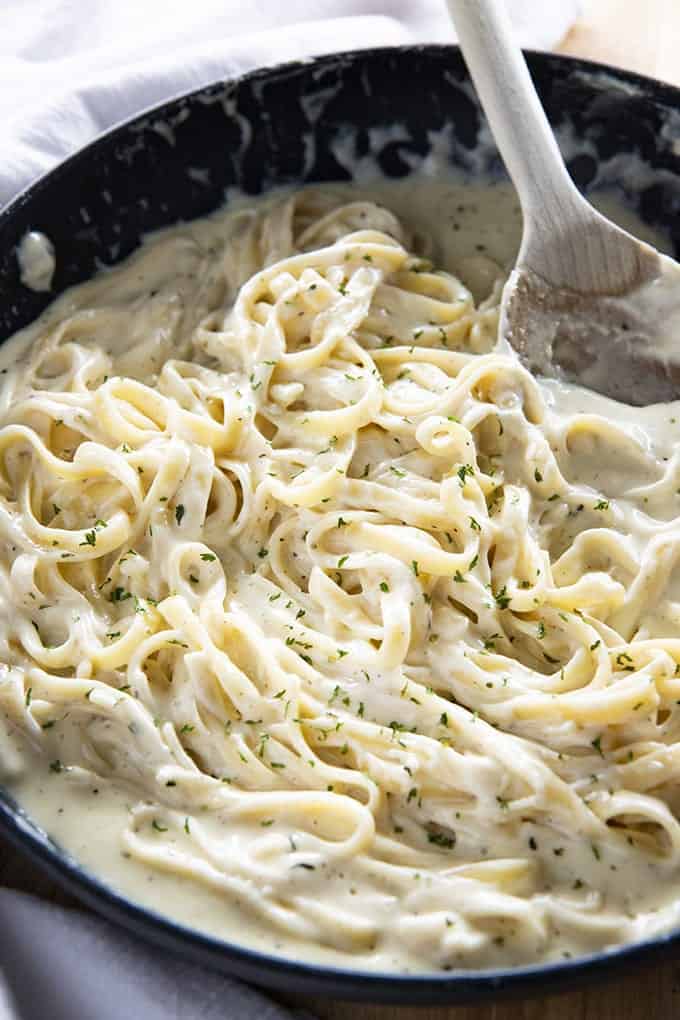
Traditional Alfredo sauce is an Italian classic, but the version we love today—especially in home kitchens—is a creamy blend of butter, heavy cream, and Parmesan cheese. Sometimes, people add a little garlic or black pepper for more flavor. The sauce pairs perfectly with pasta, especially fettuccine, but I use it for so much more (think pizza, veggies, or dipping breadsticks).
Ingredients You Need (and Why Each Matters)
I’ve learned that quality ingredients are the real secret. Here’s what you’ll need for about four servings:
- Butter: 1/2 cup (1 stick, unsalted)
- Heavy cream: 1 cup (avoid half-and-half for the creamiest result)
- Fresh garlic: 2 cloves, minced (optional, but I never skip it!)
- Parmesan cheese: 1 cup, freshly grated (pre-grated cheese just doesn’t melt as smoothly)
- Salt: 1/4 teaspoon (adjust to taste)
- Black pepper: 1/8 teaspoon (freshly cracked is best)
- Nutmeg: A pinch (optional, but adds warmth)
You can double the recipe if you’re feeding a crowd. For a lighter version, I sometimes swap out part of the cream for whole milk, but it won’t be as rich.
Step-by-step: How I Make Easy Alfredo Sauce
I used to think sauce recipes were complicated. But Alfredo is all about patience and not rushing the heat. Here’s my go-to method:
1. Melt The Butter
In a medium saucepan, melt the butter over medium-low heat. Don’t let it brown—just melt it gently.
2. Add Garlic (if Using)
Stir in minced garlic and let it cook for about 30 seconds. The aroma is incredible. If you don’t want garlic, skip this step.
3. Pour In Heavy Cream
Slowly add the heavy cream. Stir constantly. Let it heat until you see tiny bubbles around the edge—don’t boil it!
4. Add Parmesan Cheese
Lower the heat. Gradually add the cheese, whisking until it melts into the cream. The sauce should look glossy and thick.
5. Season To Taste
Add salt, pepper, and a pinch of nutmeg if you like. Taste and adjust.
6. Simmer Gently
Let the sauce simmer for 2-3 minutes, stirring often. If it gets too thick, add a splash of cream or milk.
7. Serve Right Away
Alfredo sauce thickens as it cools. Toss it with hot pasta immediately for the best texture.
Cooking Time And Serving Size
I can make this Alfredo sauce in about 10 minutes—start to finish. It serves four people if you’re using it for pasta, but I’ll admit, sometimes I sneak a few spoonfuls right from the pan.
Alfredo Sauce Texture: How To Get It Just Right
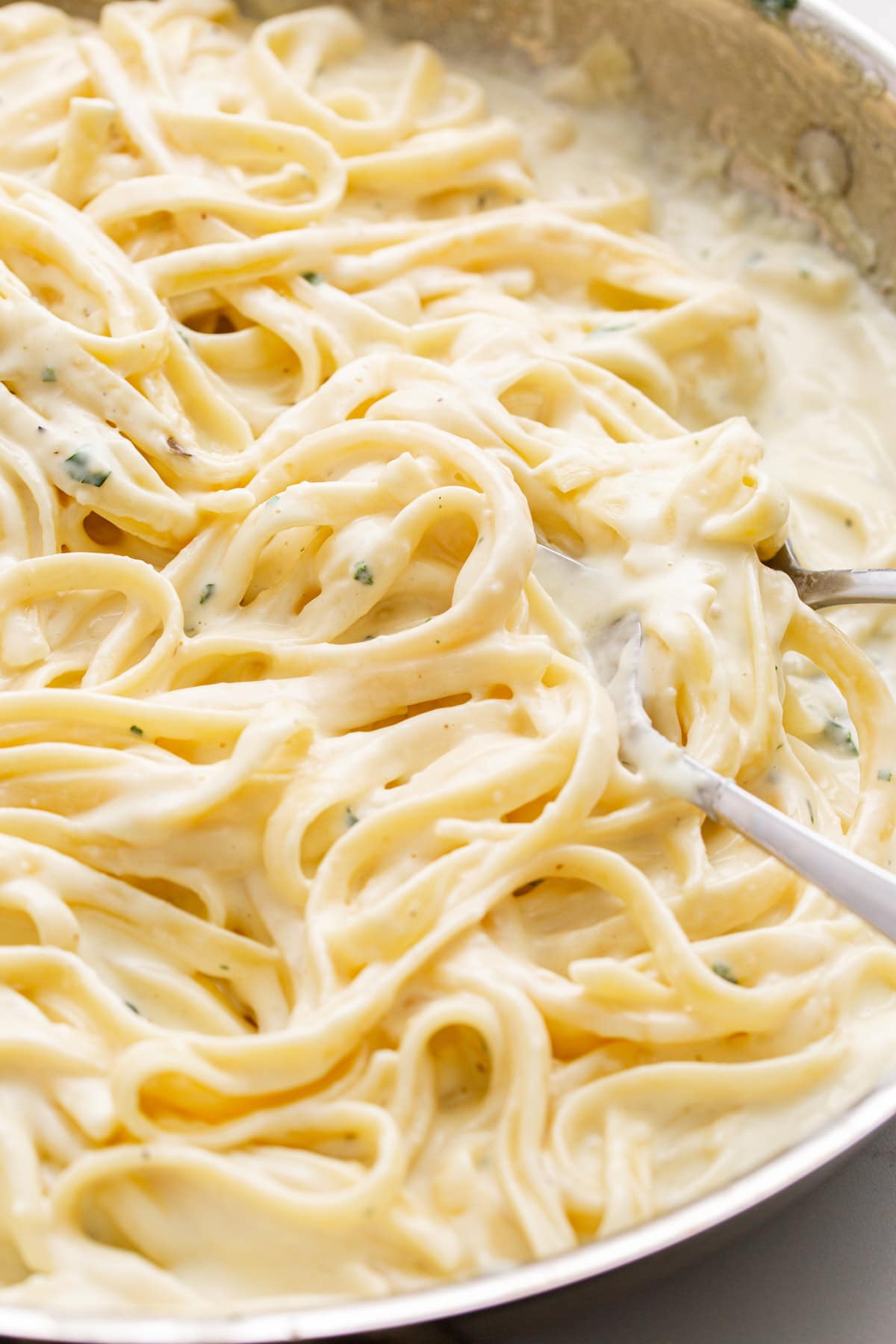
One thing I wish I’d known sooner: Alfredo sauce thickens a lot as it cools. If you leave it in the pan off the heat, it can get gluey. That’s why I always toss my pasta with the sauce while both are hot.
If the sauce gets too thick, I add a few tablespoons of pasta cooking water or a splash of milk. If it’s too thin, let it simmer just a bit longer.
Credit: thecookingjar.com
Common Mistakes (and How I Learned To Avoid Them)
1. Using Pre-grated Cheese
I learned the hard way that bagged Parmesan doesn’t melt well. Always grate your own if you can.
2. Boiling The Cream
High heat can break the sauce. Keep it gentle—medium-low is safe.
3. Adding Cheese Too Fast
If you dump it all in at once, you might get lumps. Add slowly and whisk.
4. Over-salting
Parmesan is salty. Taste before you add more salt.
5. Letting It Cool Before Serving
Serve Alfredo immediately for the best texture.
Ways To Use Alfredo Sauce (beyond Pasta)
Alfredo sauce is so versatile. Here are a few ways I use it when I want something different:
- Pizza sauce: Instead of tomato, use Alfredo under mozzarella and chicken.
- Vegetable dip: Warm it up for dipping broccoli or carrots.
- Lasagna: Layer it with spinach and ricotta for a white lasagna.
- Casseroles: Mix with cooked chicken and pasta, then bake.
- Breadsticks: Serve as a dip for homemade or store-bought breadsticks.
Quick Table: Classic Alfredo Sauce Vs. Store-bought Jar
Here’s my honest take on homemade versus the jarred stuff:
| Feature | Homemade Alfredo Sauce | Store-Bought Jar |
|---|---|---|
| Texture | Creamy, smooth, rich | Sometimes grainy or gummy |
| Flavor | Fresh, bold, customizable | Often salty, bland, or artificial |
| Ingredients | Simple, no preservatives | Preservatives, additives, sugar |
| Prep Time | 10 minutes | 0 minutes |
| Cost | Usually less per serving | More expensive per ounce |
How To Store Alfredo Sauce (and Why I Rarely Do)
In my experience, Alfredo sauce is best eaten fresh. But if you have leftovers, here’s what works:
- Fridge: Store in an airtight container for up to 3 days.
- Reheating: Warm slowly on the stove. Add a splash of milk to loosen if needed.
- Freezer: Not ideal. Dairy sauces can separate and turn grainy when thawed.
The sauce will thicken in the fridge, so always reheat gently. I try to make just enough to avoid leftovers.
How I Upgrade Alfredo Sauce: My Favorite Variations
Once you have the basic sauce down, it’s easy to mix things up. Here are some tweaks I love:
- Garlic Alfredo: Add extra garlic for a bold kick.
- Herb Alfredo: Stir in fresh parsley or basil just before serving.
- Spicy Alfredo: Add a pinch of red pepper flakes.
- Lemon Alfredo: Squeeze in a little lemon juice or zest for brightness.
- Chicken Alfredo: Toss with sliced grilled chicken or shrimp for protein.
Quick Table: Alfredo Sauce Add-ins
Some of these combinations have become my family’s favorites:
| Add-In | Flavor Boost | How Much to Use |
|---|---|---|
| Spinach | Earthy, fresh | 1 cup, wilted |
| Mushrooms | Umami, savory | 1 cup, sautéed |
| Sun-dried tomatoes | Slightly sweet, tangy | 1/4 cup, chopped |
| Bacon or pancetta | Salty, smoky | 1/4 cup, cooked and crumbled |
| Lemon zest | Bright, citrusy | 1 teaspoon |
Credit: snappygourmet.com
Can I Make Alfredo Sauce Without Cream?
I’ve tried lighter versions when I didn’t have cream in the fridge. You can use whole milk and a bit of flour for thickness, but the result won’t be as silky. Some people use cream cheese for extra body. It’s a good backup, but for the real deal, heavy cream is worth it.
Tips For Serving Alfredo Sauce Like A Pro
- Use hot pasta: Don’t let the pasta sit around. Drain and toss with the sauce immediately.
- Reserve pasta water: Add a spoonful or two if the sauce gets too thick.
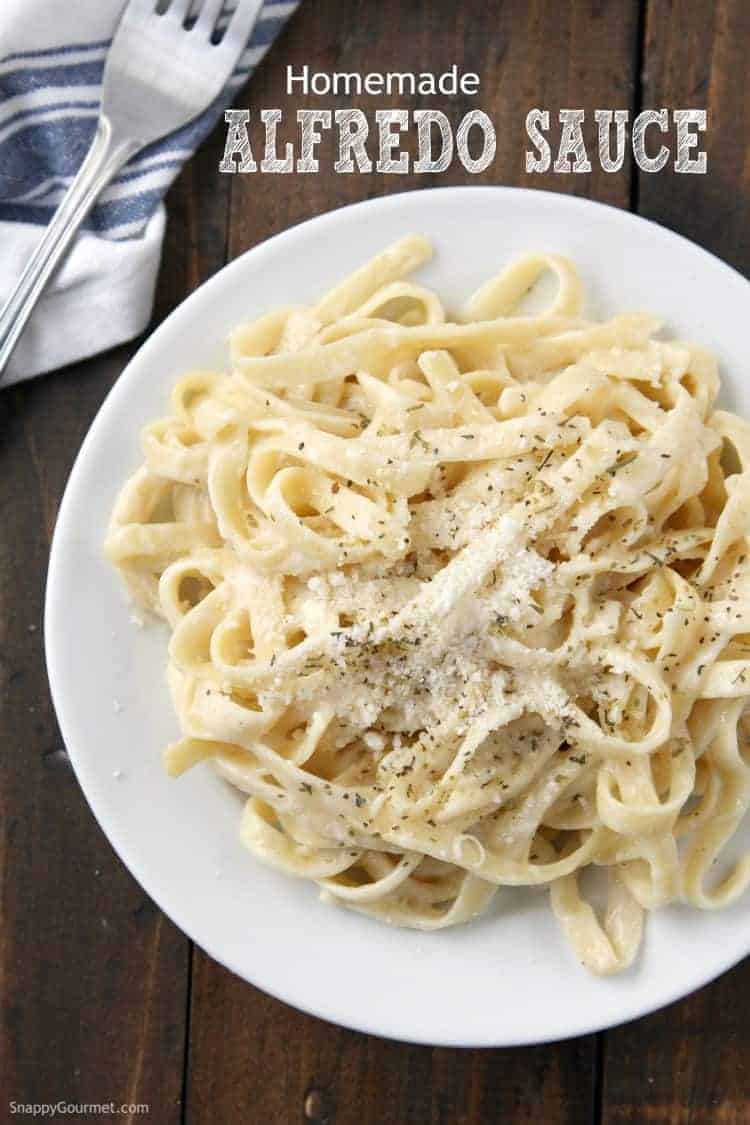
- Garnish: Sprinkle with more Parmesan, fresh parsley, or cracked black pepper.
And here’s a small thing that makes a big difference: warm your serving bowls. Alfredo sauce cools quickly, and a hot bowl keeps it creamy longer.
My Honest Take: Strengths And Where It Can Go Wrong
What I love: The sauce is simple, fast, and always a crowd-pleaser. It’s rich enough for a special meal but easy enough for a weeknight.
What can go wrong: If you rush or use cheap cheese, the sauce can turn grainy. It’s not a great make-ahead dish; the texture is best when fresh. And if you don’t like rich foods, it might feel heavy.
But honestly, once you taste real Alfredo made at home, it’s hard to go back.
Nutritional Information (per Serving)
Just so you know what you’re eating, here’s an average for this recipe:
| Nutrient | Amount (approx.) |
|---|---|
| Calories | 320 |
| Fat | 30g |
| Carbs | 2g |
| Protein | 9g |
| Sodium | 380mg |
Where To Learn More
If you’re curious about the origins of Alfredo sauce and want to dive deeper, check out Wikipedia’s page on Fettuccine Alfredo.
Frequently Asked Questions
How Do I Keep Alfredo Sauce From Separating?
Keep the heat low and add cheese slowly. If you see oil separating, whisk in a splash of cold cream and stir off the heat until smooth.
Can I Use Milk Instead Of Heavy Cream?
Yes, but the sauce will be thinner. For better results, use whole milk and add a teaspoon of flour while melting the butter. This helps the sauce thicken.
How Do I Store And Reheat Alfredo Sauce?
Refrigerate leftovers in an airtight container. To reheat, do so gently on the stove with a splash of milk. Avoid microwaving—it can make the sauce grainy.
Can I Freeze Alfredo Sauce?
It’s possible, but not recommended. Creamy sauces often split when thawed. If you must freeze, whisk well while reheating and expect a different texture.
What Pasta Works Best With Alfredo Sauce?
Fettuccine is classic, but I love it with penne, rigatoni, or even tortellini. The key is a noodle that holds sauce well.
—
Making Alfredo sauce at home has become one of my favorite kitchen rituals. It’s quick, forgiving, and always makes dinner feel special. If you haven’t tried it yet, grab some butter, cream, and cheese—you might surprise yourself with just how easy and rewarding real Alfredo can be.
Credit: thesaltymarshmallow.com