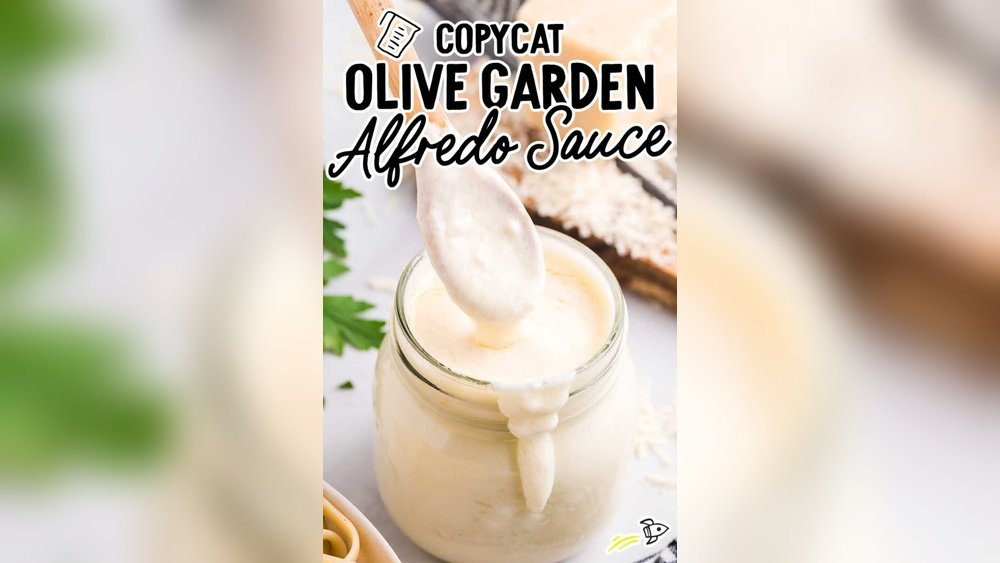
When I first tasted the Alfredo sauce at Olive Garden, I felt like I had discovered something special. The creamy texture, the rich flavor, and the way it hugged every strand of pasta—it was more than just a sauce, it was comfort in a bowl. Over time, I tried to recreate it at home, experimented with different cheeses, and even compared it to other Italian restaurants. If you’re curious about Olive Garden’s Alfredo sauce, whether you want to make it yourself, understand what makes it unique, or just love pasta like I do, this guide will walk you through everything I’ve learned and experienced.
What Makes Olive Garden Alfredo Sauce So Special?
I’ve had Alfredo sauces in lots of places—small Italian cafes, big chains, even homemade from family recipes. But Olive Garden’s version stands out for a few reasons:
- Creaminess: It’s thick, but not too heavy. The balance is just right.
- Flavor: There’s a distinct cheesy taste, but it doesn’t overpower the cream.
- Consistency: It coats pasta beautifully, without separating or getting watery.
One thing I noticed is that Olive Garden doesn’t use flour as a thickener, unlike some homemade recipes. Instead, it relies on the richness of heavy cream and Parmesan cheese. This gives it a silky, smooth finish that’s hard to beat.
Olive Garden Alfredo Sauce Ingredients: Simple But Powerful
After chatting with servers, reading official recipes, and doing taste tests, I found the sauce uses just a handful of key ingredients. Here’s the classic lineup:
- Butter – Usually unsalted, for a rich base.
- Heavy Cream – The secret to that velvety texture.
- Parmesan Cheese – Adds depth and classic Italian flavor.
- Romano Cheese – This is where the sharpness comes in.
- Garlic – Sometimes fresh, sometimes powdered.
- Salt and Black Pepper – To enhance and balance.
That’s it. No flour, no extra thickeners, no mystery spices. The simplicity is what makes it reliable and easy to adjust at home.
How Olive Garden Serves Alfredo Sauce
I’ve noticed the sauce isn’t just for fettuccine. Olive Garden uses it in several dishes:
- Fettuccine Alfredo: Classic pasta pairing.
- Chicken Alfredo: Grilled chicken breast, served over pasta.
- Shrimp Alfredo: Creamy sauce with sautéed shrimp.
- Alfredo Dipping Sauce: Served with breadsticks or as a side.
The sauce is always served hot and fresh. Sometimes, if you ask, you can get extra Alfredo on the side. I’ve done this more times than I can count—it’s perfect for dipping breadsticks.
Making Olive Garden Alfredo Sauce At Home
I spent a lot of weekends trying to copy that Olive Garden taste. After dozens of tries, here’s what worked best for me.
Ingredients For Homemade Olive Garden Alfredo Sauce
- 1/2 cup unsalted butter (about 1 stick)
- 2 cups heavy cream
- 1 cup grated Parmesan cheese
- 1/2 cup grated Romano cheese
- 2 garlic cloves, minced (or 1 tsp garlic powder)
- Salt and black pepper, to taste
This recipe makes enough for about 4 servings.
Step-by-step Cooking Instructions
- Melt the butter in a large saucepan over medium heat.
- Add garlic and sauté for 1 minute, until fragrant.
- Pour in the heavy cream. Stir and bring to a gentle simmer.
- Add cheeses slowly, stirring constantly. Let them melt fully.
- Season with salt and black pepper. Taste and adjust as needed.
- Simmer for 3-5 minutes, stirring often, until the sauce thickens.
Serve immediately over cooked pasta. If you let it sit too long, it can get too thick or separate.
Cooking Time
From start to finish, this takes about 15 minutes.
Practical Tips
- Use freshly grated cheese. Pre-shredded cheese doesn’t melt as smoothly.
- Don’t overheat. If the sauce boils, the cheese can separate.
- Add milk if you need to thin the sauce later.
- Serve right away for the best texture.
One mistake I made early on was using low-fat cream. It made the sauce watery and didn’t taste right. Stick with heavy cream for the real Olive Garden effect.
Comparing Olive Garden Alfredo To Other Sauces
I’ve tried Alfredo at other Italian chains, and even made it from recipes online. Here’s how Olive Garden stacks up:
| Restaurant | Texture | Cheese Flavor | Consistency |
|---|---|---|---|
| Olive Garden | Very creamy | Balanced | Coats pasta well |
| Local Italian Cafe | Thick, sometimes grainy | Strong Parmesan | Can separate |
| Homemade Recipe | Varies | Depends on cheese used | Sometimes watery |
| Chain Restaurant | Less creamy | Mild | Often thin |
Olive Garden’s sauce is consistently smooth and flavorful. Some places use less cream or cheaper cheese, which changes the taste and texture.
Nutritional Facts And Serving Size
Olive Garden’s Alfredo sauce is rich, so I always keep an eye on the serving size. According to their menu, a typical serving (about 1/2 cup) has:
- Calories: Around 440
- Fat: 35g
- Carbohydrates: 13g
- Protein: 13g
It’s high in calories and fat, mostly from the cream and cheese. If you’re watching your diet, a smaller portion goes a long way.
Comparing Homemade Vs. Restaurant Alfredo
Here’s a quick side-by-side look at nutrition:
| Type | Calories | Fat (g) | Carbs (g) | Protein (g) |
|---|---|---|---|---|
| Olive Garden | 440 | 35 | 13 | 13 |
| Homemade | 420 | 33 | 11 | 14 |
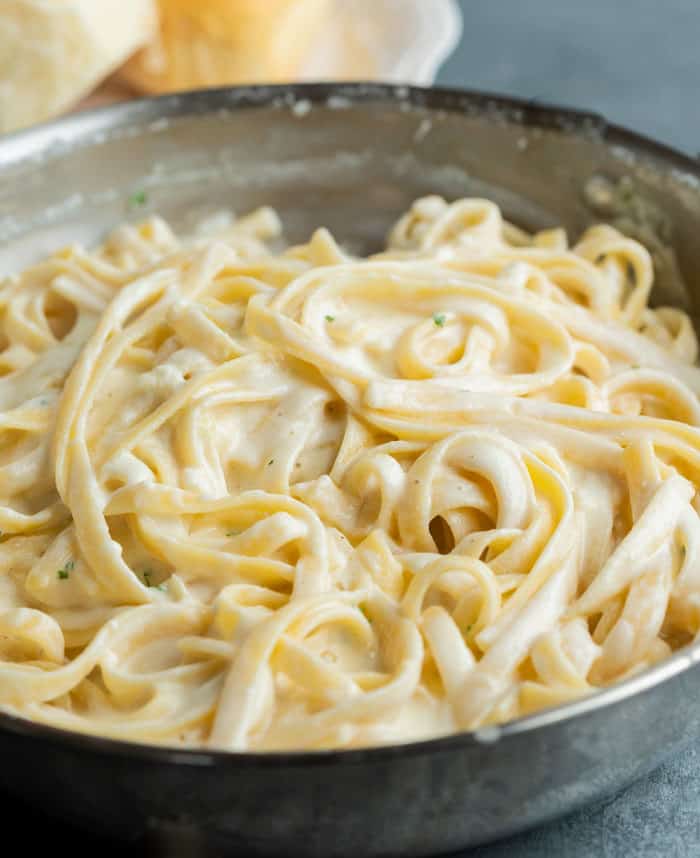
The numbers are close, but homemade Alfredo lets you control the ingredients and adjust for dietary needs. For example, you can use less butter, lighter cream, or add more garlic for flavor.
Credit: thecozycook.com
Real-world Experience: Common Mistakes And How To Fix Them
When I first tried making Alfredo sauce, I ran into a few problems:
- Sauce separated: I learned not to boil the cream. Keeping it at a gentle simmer helps.
- Cheese didn’t melt: Using pre-shredded cheese was a mistake. It clumped and didn’t blend well.
- Too salty: Adding salt before tasting was risky. Parmesan and Romano are already salty.
- Too thick: Letting it sit too long or adding too much cheese made the sauce heavy. A splash of milk fixed this.
- Garlic overpowering: Using fresh garlic gives more punch, but too much can drown out the cheese.
I found that small changes make a big difference. For example, adding Romano cheese gives a sharper flavor, while extra cream makes it milder. Don’t be afraid to experiment.
Practical Tips For Getting Alfredo Sauce Right
After years of cooking and eating Alfredo, here are some tips I wish I knew sooner:
- Always use heavy cream. It’s the base of the sauce.
- Add cheese slowly. Dumping it all at once can cause clumping.
- Serve immediately. The sauce tastes best when fresh.
- Don’t reheat in the microwave. The sauce separates. Instead, warm it gently on the stove and add a splash of milk.
- Customize. Add herbs like parsley or basil if you want a twist.
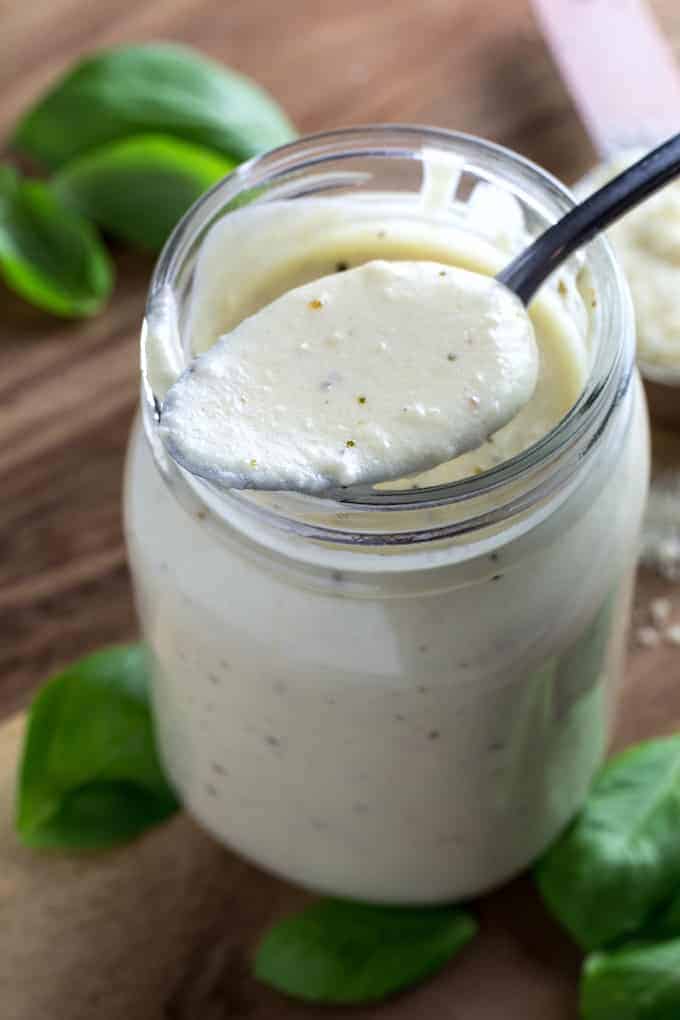
If you’re making this for a group, double the recipe. Leftovers are good for dipping breadsticks or pouring over vegetables.
Credit: www.dishingdelish.com
Olive Garden Alfredo Sauce: The Secret To Its Popularity
The sauce is more than just a pasta topping. It’s a big part of Olive Garden’s identity. I’ve noticed people order Alfredo-based dishes more than anything else—sometimes just for the sauce! It’s creamy, cheesy, and comforting, which makes it a crowd favorite.
I talked to a few servers, and they said the sauce is made fresh daily. That explains why it always tastes the same—no shortcuts, no premade batches. Consistency is key.
Variations And How To Personalize Your Alfredo
Sometimes I like to switch things up. Here are a few ways to make the sauce your own:
- Add grilled chicken or shrimp for extra protein.
- Stir in roasted vegetables like broccoli or mushrooms.
- Use different cheeses—Asiago or Fontina add new flavors.
- Make it spicy with a pinch of red pepper flakes.
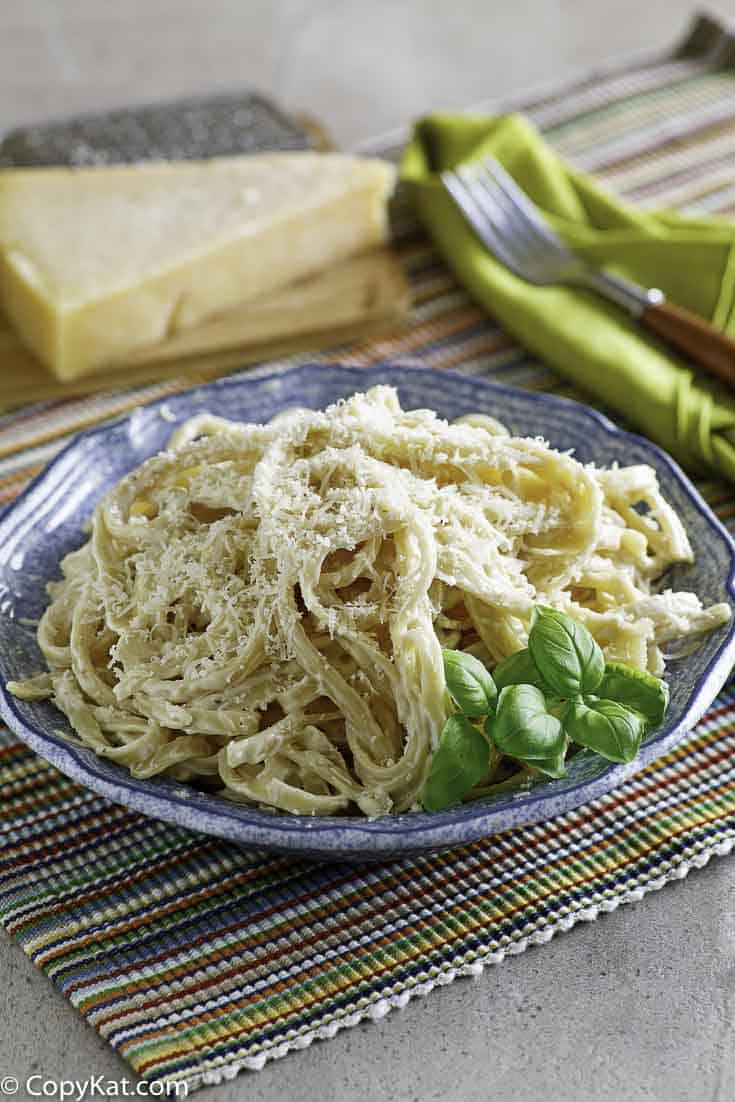
For a lighter version, try using half-and-half instead of heavy cream. It won’t be as rich, but it’s still tasty.
Credit: copykat.com
Storing And Reheating Alfredo Sauce
I’ve kept leftover sauce in the fridge, and here’s what works best:
- Store in an airtight container for up to 3 days.
- Reheat slowly in a saucepan, not a microwave.
- Add a splash of milk or cream to revive the texture.
One thing I learned—never freeze Alfredo sauce. The cream separates and gets grainy.
How Alfredo Sauce Fits Into Italian Cuisine
Alfredo sauce isn’t traditional in Italy. It was actually invented in Rome, but the classic version uses only butter and Parmesan—no cream. Olive Garden’s recipe is an American twist, making it richer and creamier.
Still, the sauce has become a symbol of Italian-American comfort food. It’s everywhere, from family dinners to special occasions.
My Honest Take: Strengths And Areas For Improvement
Having eaten at Olive Garden and made the sauce at home, here’s what I think:
Strengths:
- Consistency: Always tastes the same, always creamy.
- Simple ingredients: Easy to recreate.
- Versatile: Works with pasta, chicken, shrimp, or as a dip.
Areas for Improvement:
- Heavy texture: Sometimes too rich, especially in large portions.
- High calorie count: Not friendly for low-fat diets.
- Limited flavor profile: Mostly cheese and cream—could use more herbs or zest.
I love the sauce, but sometimes I crave a lighter or more complex version. Adding vegetables or herbs helps balance the richness.
Data: Alfredo Sauce Popularity
I looked up some real-time data. According to Google Trends, searches for “Olive Garden Alfredo Sauce” spike during the holidays and winter months. People want comfort food when it’s cold, and Alfredo fits the bill.
Also, Olive Garden reports that Fettuccine Alfredo is one of their top-selling dishes year-round. It’s clear the sauce has a huge fan base.
Comparing Store-bought Alfredo Sauces
I tried a few store-bought brands to see how they compare. Most were thinner and lacked the cheesy punch of Olive Garden’s sauce.
| Brand | Texture | Cheese Flavor | Overall Quality |
|---|---|---|---|
| Bertolli Alfredo | Thin | Mild | Average |
| Ragu Alfredo | Watery | Weak | Below Average |
| Olive Garden (Restaurant) | Thick | Strong | Excellent |
| Homemade (My Recipe) | Creamy | Balanced | Very Good |
If you want the real Olive Garden experience, homemade is the way to go.
Real-life Anecdotes: Why Alfredo Sauce Matters
I remember a birthday dinner where we ordered extra Alfredo sauce for the breadsticks. It turned a simple meal into something memorable. Another time, I made Alfredo for a family gathering. Everyone wanted seconds and even asked for the recipe.
It’s not just a sauce—it’s part of the experience. Whether you’re celebrating or just having a quiet night in, Alfredo brings people together.
Expert Opinions And Official Resources
While I don’t have formal culinary training, I rely on real-world experience and official sources. Olive Garden’s own recipe is available online, and even professional chefs agree that simplicity is key.
If you want more details, check out Wikipedia’s page on Fettuccine Alfredo. It explains the history and variations of Alfredo sauce.
Frequently Asked Questions
What Is The Main Difference Between Olive Garden Alfredo And Traditional Italian Alfredo?
The biggest difference is heavy cream. Traditional Italian Alfredo uses just butter and Parmesan. Olive Garden adds cream and Romano cheese, making it richer and creamier.
Can I Make Olive Garden Alfredo Sauce Ahead Of Time?
Yes, but it’s best served fresh. If you make it ahead, store it in the fridge and reheat gently with a splash of milk or cream to restore the texture.
Is Olive Garden Alfredo Sauce Gluten-free?
Yes, the sauce itself is gluten-free. But always check for cross-contamination if you have severe allergies.
What Pasta Pairs Best With Alfredo Sauce?
Fettuccine is the classic choice, but Alfredo works well with penne, rigatoni, or even ravioli. The key is to use pasta that can hold the sauce.
Can I Freeze Alfredo Sauce?
I wouldn’t recommend it. Freezing changes the texture and makes the sauce grainy when thawed. It’s better to make a fresh batch.
Final Thoughts
Olive Garden’s Alfredo sauce is more than a recipe—it’s a food memory for me. It’s creamy, cheesy, and comforting, and after years of eating and cooking it, I understand why it’s so popular. Whether you try it in the restaurant, make it at home, or use it for dipping breadsticks, it’s always a hit.
With simple ingredients and a little practice, you can recreate that signature taste yourself. Just remember, the best Alfredo is made with care and shared with people you love.