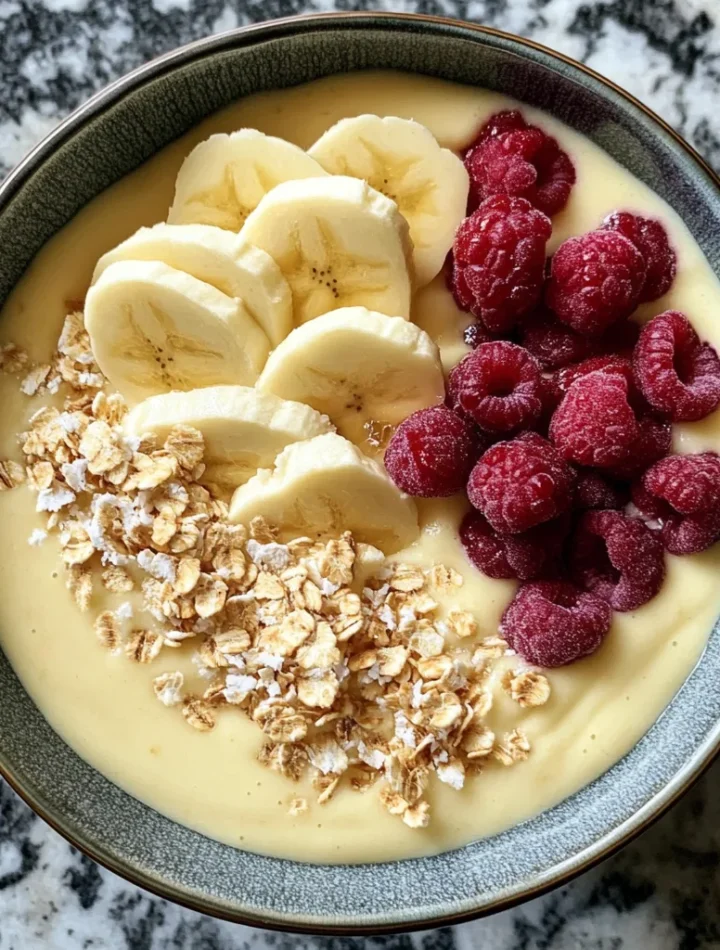
I still remember the first time I made a piña colada smoothie bowl at home. I was craving something sunny and tropical, but I didn’t want to start my day with a sugar bomb or spend an hour prepping breakfast. The regular piña colada drink was too sweet, and honestly, a little heavy. So, I started experimenting in my kitchen until I found a version that tasted like vacation but felt light and energizing.
Now, this creamy tropical breakfast is my go-to for busy mornings or days when I just want to treat myself. It’s super easy to make, healthy, and you don’t need fancy skills or equipment. In this article, I’ll share exactly how I make my favorite piña colada smoothie bowl, what makes it healthy, and a few tips I’ve learned along the way. Whether you’re a smoothie bowl pro or just getting started, I think you’ll love how simple and flexible this recipe is.
Why I Love This Piña Colada Smoothie Bowl
There’s something about the combination of pineapple and coconut that instantly puts me in a good mood. The flavors are bright and refreshing, and the texture is so creamy it almost feels like dessert. But what really sold me on this recipe is how it balances taste and nutrition.
Unlike traditional piña colada drinks, which are often loaded with sugar and alcohol, this smoothie bowl is made with whole fruits, healthy fats, and no added sweeteners. I can eat it for breakfast and feel good—no sugar crash, no heavy feeling in my stomach.
Plus, it’s packed with vitamins, fiber, and even a bit of protein if you add the right toppings.
Ingredients: What You’ll Need
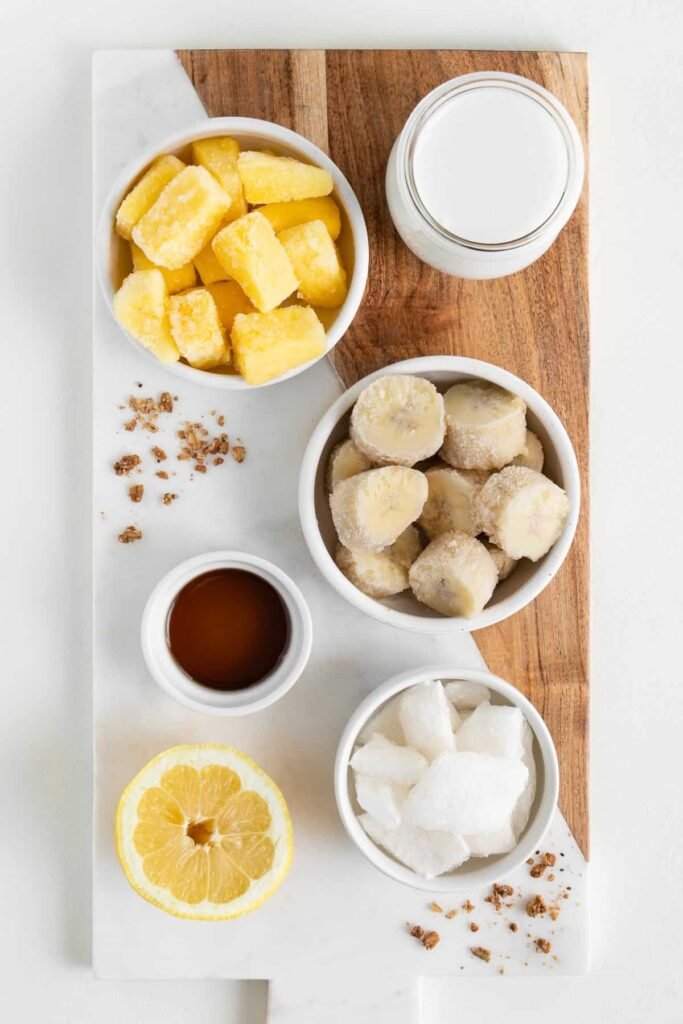
Here’s what I use for my basic smoothie bowl. All the ingredients are easy to find, and you can adjust them based on what you have at home.
- 1 cup frozen pineapple chunks (fresh pineapple works, but frozen makes it thick and cold)
- 1/2 ripe banana (for creaminess and natural sweetness)
- 1/2 cup coconut milk (I use the light canned kind; carton coconut milk works too)
- 1/4 cup Greek yogurt (for extra creaminess and a protein boost; use dairy-free if you want)
- 1 tablespoon unsweetened shredded coconut
- 1/2 tablespoon chia seeds (optional, for fiber and omega-3s)
- 1/2 cup ice (optional, if you want it extra thick)
Toppings (customizable)
- Fresh pineapple chunks
- Banana slices
- Sliced kiwi or mango
- Extra shredded coconut
- Granola (look for low-sugar options)
- Chia seeds or hemp seeds
- A few almonds or cashews (for crunch)
This is my go-to combo, but I often swap things based on what’s in the fridge. Sometimes I’ll add spinach (you won’t taste it), or a scoop of plant-based protein powder if I’m extra hungry.
How To Make A Piña Colada Smoothie Bowl
I’m not a morning person, so quick breakfasts are a must. This smoothie bowl takes about 5 minutes to make, start to finish.
- Prep Your Blender: Add the frozen pineapple, banana, coconut milk, Greek yogurt, shredded coconut, and chia seeds to your blender.
- Blend Until Smooth: Start on low, then move to high speed. Scrape down the sides if needed. You want it thick, so it sits nicely in a bowl.
- Adjust Consistency: If it’s too thick, add a splash more coconut milk. Too thin? Add a few more pineapple chunks or a little ice.
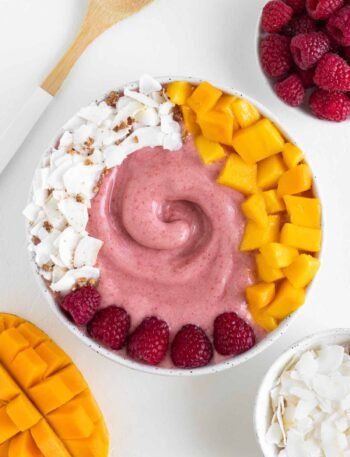
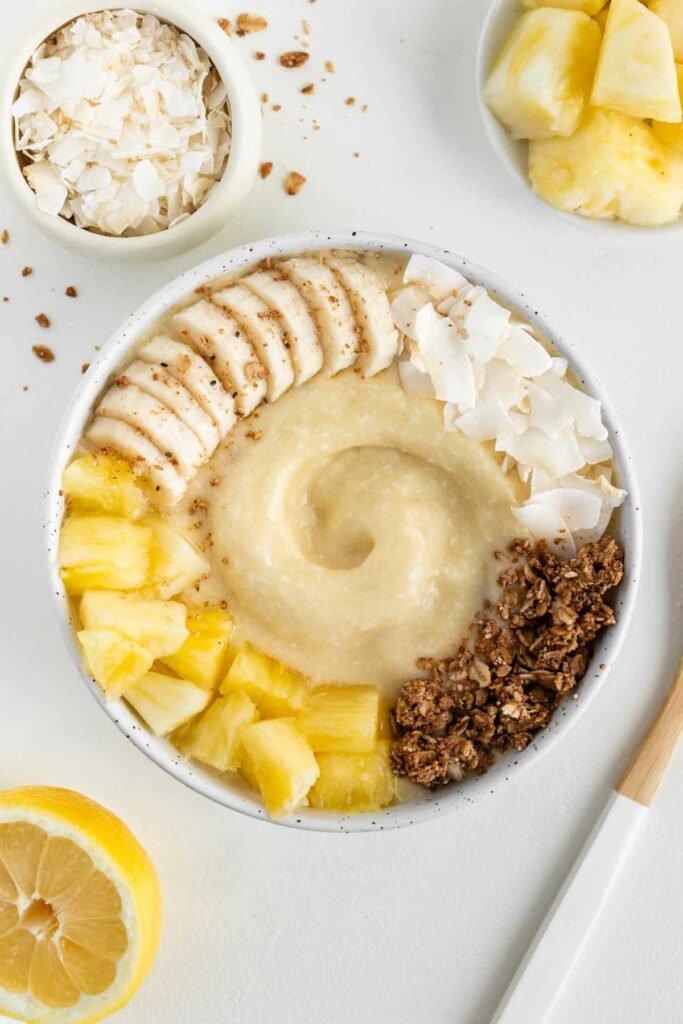
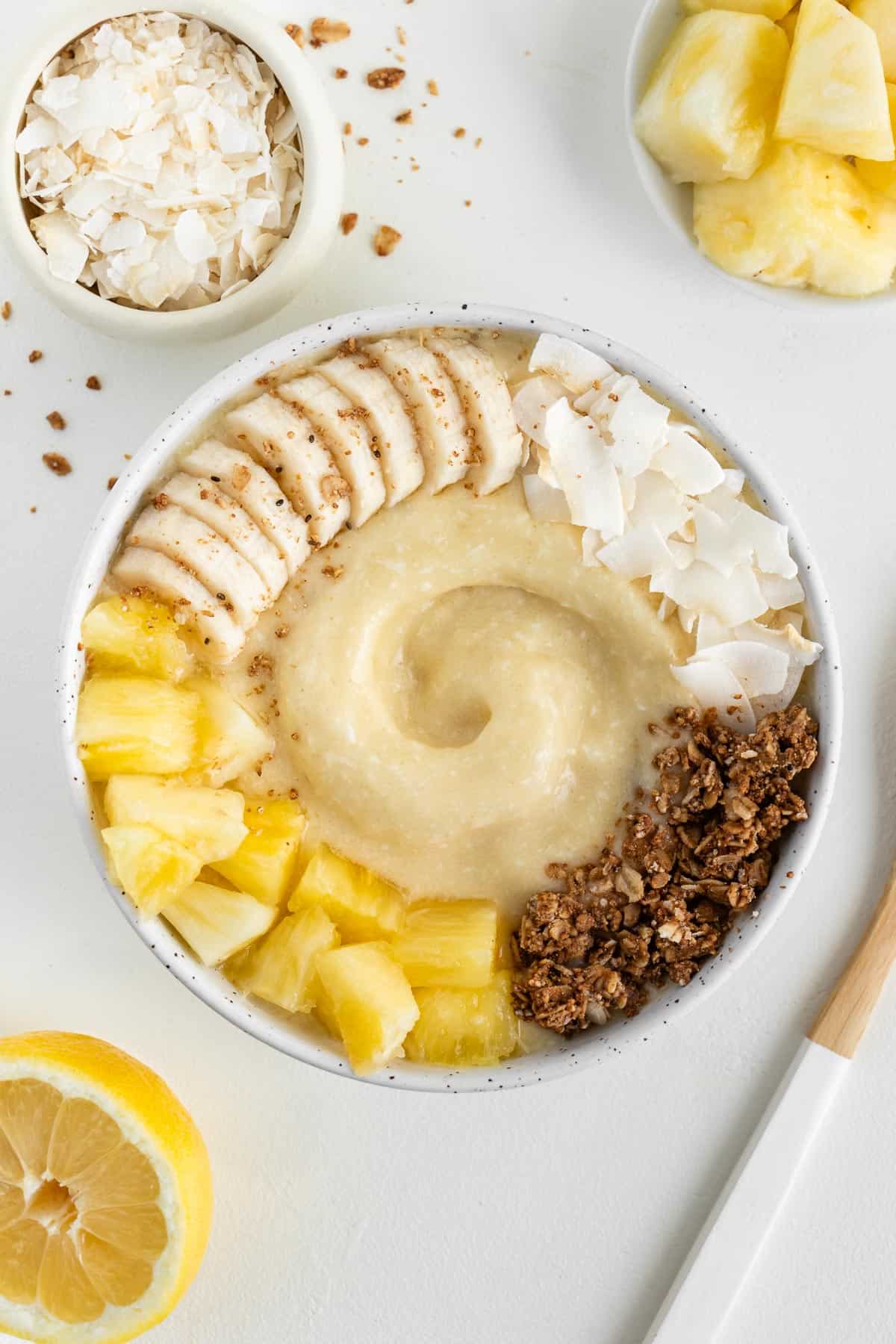
- Pour and Decorate: Spoon the smoothie into a bowl. Arrange your toppings—pineapple, banana, coconut, granola, whatever you like. This is the fun part!
- Enjoy Immediately: This smoothie bowl is best eaten right away while it’s cold and thick.
A little tip: If you want beautiful swirls or neat rows of toppings, use a spatula to smooth the surface before adding fruits and seeds. But honestly, most days I just sprinkle everything on top and dig in.
Nutritional Benefits
It’s easy to think “smoothie bowl = healthy,” but not all recipes are created equal. Here’s why I feel good about eating this piña colada bowl regularly:
- High in Vitamin C: Pineapple is loaded with vitamin C—one bowl gives you over 100% of your daily needs.
- Good Source of Fiber: Both pineapple and banana add fiber, which helps with digestion and keeps you full longer.
- Healthy Fats: Coconut milk and shredded coconut provide healthy fats that support your brain and keep you satisfied.
- Protein Power: Greek yogurt adds protein, making this more balanced than a typical fruit smoothie.
- Low Added Sugar: All the sweetness comes from fruit. No need for honey or syrup unless you want it.
To help you see how this smoothie bowl stacks up, here’s a quick nutrition comparison with a regular piña colada and a standard fruit smoothie:
| Piña Colada Smoothie Bowl | Classic Piña Colada Drink | Standard Fruit Smoothie | |
|---|---|---|---|
| Calories | 320 | 500+ | 350 |
| Protein (g) | 10 | 1 | 4 |
| Fiber (g) | 6 | 1 | 3 |
| Added Sugar (g) | 0 | 20+ | 10 |
*Values are approximate for a typical serving. *
What Makes It So Creamy Without Ice Cream?
One thing people always ask is how I get such a creamy texture without using ice cream or frozen yogurt. The secret is using frozen pineapple and a little banana. When you blend these together with coconut milk and yogurt, they turn into something almost like soft-serve.
If you want it even thicker, use all frozen fruit and less liquid. I sometimes freeze my banana slices ahead of time for an extra-rich texture. Greek yogurt also helps—it makes the bowl smooth and adds some tang, balancing the sweetness.
Customizing The Recipe: My Favorite Variations
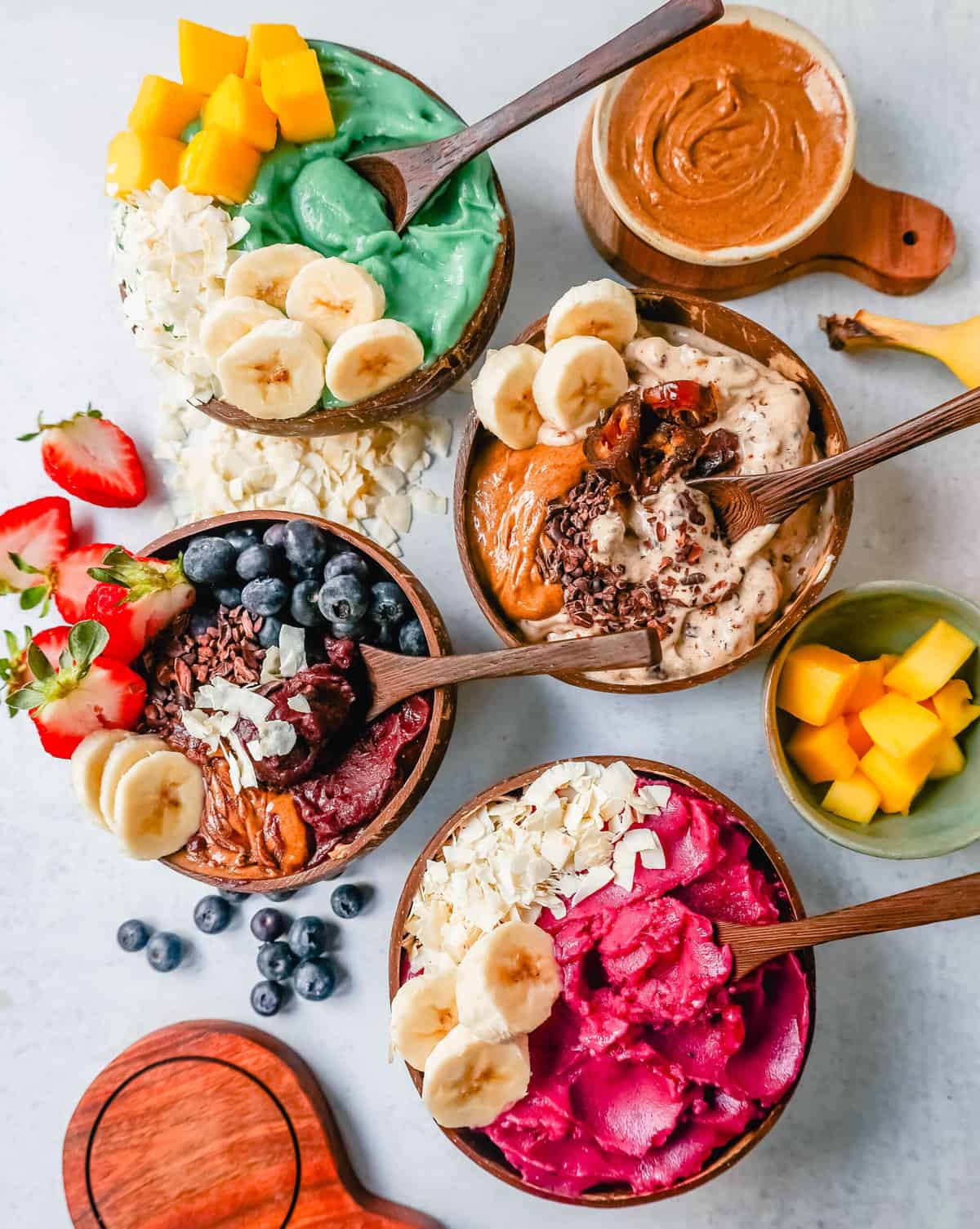
The classic pineapple-coconut combo is hard to beat, but sometimes I like to mix things up. Here are a few easy tweaks I’ve tried:
- Add Mango: Swap half the pineapple for frozen mango chunks for a more tropical flavor.
- Use Oat Milk: If you don’t have coconut milk, oat or almond milk works too. The coconut flavor will be milder, but it’s still tasty.
- Add Spinach: A handful of baby spinach adds nutrients, but you won’t taste it. The color turns a little green, but it’s still pretty!
- Protein Boost: I sometimes add a scoop of vanilla protein powder or a tablespoon of nut butter.
- Make It Vegan: Use a plant-based yogurt and non-dairy milk. It’s just as creamy.
Don’t be afraid to experiment. The best part about smoothie bowls is making them your own.
How To Meal Prep For Busy Mornings
I get it—mornings are hectic. Sometimes I prep smoothie packs ahead of time to make things even faster.
- Slice and freeze pineapple, banana, and mango in zip-top bags.
- Portion coconut and chia seeds into small containers.
- In the morning, dump the frozen fruits and seeds into the blender, add yogurt and coconut milk, and blend.
This saves me a few minutes and makes healthy breakfasts almost automatic. I also keep a jar of granola and extra shredded coconut handy for quick toppings.
Common Mistakes And How To Fix Them
When I first started making smoothie bowls, I ran into a few problems. Here’s what I learned:
- Too Runny: This usually happens if you add too much liquid. Start with less and add a splash if needed. Frozen fruit is key for thickness.
- Bland Flavor: Sometimes the fruit isn’t sweet enough. A tiny squeeze of honey or a couple of frozen mango cubes can help.
- Overpowering Coconut: Full-fat coconut milk is rich but can be heavy. I use light coconut milk or mix half coconut, half almond milk for balance.
- Not Filling Enough: Add more protein—extra Greek yogurt, seeds, or protein powder help keep you full.
- Toppings Sink: If your smoothie is too thin, the toppings will sink. Make it thicker for that classic “Instagram” look.
Don’t worry if your first bowl isn’t perfect. The more you make them, the easier it gets.
Comparing Store-bought Vs. Homemade Smoothie Bowls
I’ve bought smoothie bowls at cafes before, and honestly, they’re not always better than homemade. Here’s a quick comparison based on my own experience:
| Homemade Bowl | Store-Bought Bowl | |
|---|---|---|
| Cost per Bowl | $2–$3 | $8–$12 |
| Customizable | Yes | Rarely |
| Freshness | High | Varies |
| Added Sugars | None (if you control it) | Often added |
Making them at home saves money and lets you control what goes in your breakfast. Plus, you can adjust everything to your taste.
Is It Good For Kids?
I make this for my niece and nephew whenever they visit, and they love it. I call it “tropical ice cream” and let them add their own toppings. It’s a fun way to get more fruit into their diet without a battle.
If you’re making this for kids, you can skip the chia seeds if they’re picky about texture, and use a little more banana for sweetness. It’s a much better option than sugary cereals or packaged snacks.
Real-life Tips For The Best Piña Colada Smoothie Bowl
After making this recipe dozens of times, I’ve picked up a few tricks that make a difference:
- Chill Your Bowl: Put your bowl in the freezer for 5 minutes before pouring in the smoothie. It keeps everything cold and thick longer.
- Use a High-Speed Blender: If your blender isn’t strong, blend the fruits in batches or add a little extra liquid.
- Layer Flavors: Don’t just blend everything—save some coconut or pineapple to sprinkle on top for more flavor.
- Texture Matters: If you want a crunchy bite, add granola or nuts last, right before eating.
And don’t be afraid to make it messy. The best bowls are the ones that taste good, not just the ones that look pretty.
Sustainability And Ingredient Sourcing
When I buy pineapple and coconut, I try to pick brands that focus on sustainability. Frozen fruit is a good choice because it’s picked and frozen at peak freshness. If you want to use fresh pineapple, look for ones with a sweet smell and golden color.
For coconut milk, read the ingredient list—some brands add lots of extra sugar or stabilizers. Go for simple, clean ingredients when you can.
For more on choosing sustainable tropical fruits, check out the advice from the Rainforest Alliance.
Frequently Asked Questions
What If I Don’t Like Coconut Milk?
You can use almond, oat, or soy milk instead. The coconut flavor will be milder, but the smoothie bowl will still taste tropical, especially if you keep the pineapple and add a little shredded coconut.
Can I Make This Smoothie Bowl Without Banana?
Yes, you can skip the banana. For creaminess, add more Greek yogurt or half an avocado. Mango also works as a banana substitute, adding sweetness and thickness.
How Can I Make This Recipe Higher In Protein?
Add a scoop of your favorite protein powder, extra Greek yogurt, or even a tablespoon of nut butter. Toppings like hemp seeds and nuts also add protein.
Is This Smoothie Bowl Good For Weight Loss?
It can be, especially since it’s high in fiber and low in added sugar. Just watch your portion sizes and choose low-calorie toppings if you’re keeping track of calories.
Can I Prepare This Smoothie Bowl Ahead Of Time?
You can prep the ingredients ahead by freezing the fruit in portions, but the finished smoothie bowl is best eaten fresh. If you blend it the night before, store it in the fridge and stir well in the morning. The texture may be softer, but it still tastes great.
Making this piña colada smoothie bowl has become a small act of self-care for me. It’s healthy, delicious, and brings a little bit of the tropics to my kitchen—even on busy weekdays. If you try it, I hope it makes your morning just a bit brighter too.