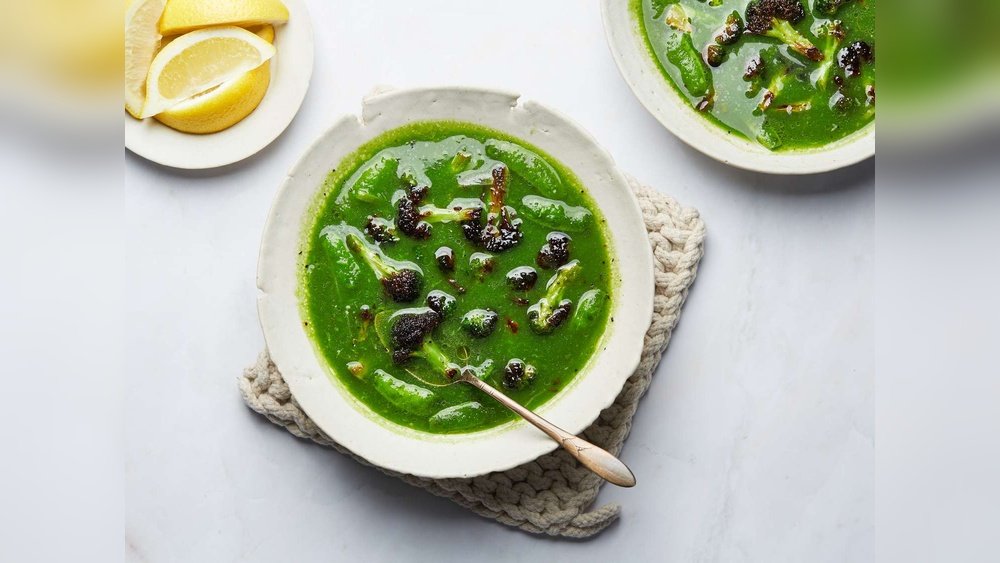
There’s something cozy about holding a hot green soup bowl in your hands. I still remember the first time I made my own version. It was a chilly evening, and I wanted something that felt nourishing but not heavy. The result was a big, steaming bowl of green goodness that warmed me up from the inside out.
Since then, this soup has become my go-to comfort food whenever I need a reset or a simple, healthy meal.
In this article, I’ll share every detail you need to make your own hot green soup bowl—from ingredients to step-by-step instructions, practical tips, and even the small things that can make a big difference. I’ll also compare different greens and toppings, so you can make it your own.
Whether you’re new to cooking or just looking for a fresh recipe, you’ll find helpful advice here.
What Makes A Hot Green Soup Bowl Special?
I’ve tried many soups, but the hot green soup bowl stands out for a few reasons:
- Nutrient-packed: It’s loaded with greens that give your body a real boost.
- Flexible: You can swap ingredients based on what’s in your kitchen.
- Quick to make: Most days, I finish cooking in less than 40 minutes.
- Customizable: Add toppings or spices to match your taste.
Honestly, the best part is how fresh it tastes. Even if you’re not a big fan of vegetables, the flavors blend together in a way that feels comforting, not overwhelming.
Ingredients You’ll Need
After lots of testing, here’s what I use in my favorite version. You can adjust amounts or swap vegetables if needed, but I recommend trying it this way at least once.
- Fresh spinach – 4 cups, packed (you can use baby spinach)
- Kale – 2 cups, chopped, stems removed
- Zucchini – 1 medium, sliced
- Broccoli florets – 1 cup
- Leek – 1, white and light green part, sliced thin
- Garlic cloves – 3, minced
- Fresh ginger – 1-inch piece, peeled and minced
- Potato – 1 medium, peeled and diced (for creaminess)
- Vegetable broth – 4 cups (low sodium if possible)
- Olive oil – 2 tablespoons
- Salt and pepper – to taste
- Lemon juice – 1 tablespoon (brightens the flavor)
- Optional: Green peas (½ cup), fresh herbs like parsley or cilantro, and a pinch of chili flakes for spice.
If you’re missing an ingredient, don’t worry. One time I ran out of zucchini and just added more kale—it still turned out great. The key is using a mix of green veggies for color and nutrition.
Step-by-step Cooking Instructions
I’ll walk you through the process, just like I’d explain to a friend.
- Prep your vegetables: Wash and chop everything before you start. This makes things easier once you’re at the stove.
- Sauté aromatics: Heat the olive oil in a large pot over medium heat. Add the sliced leek, garlic, and ginger. Stir for 2–3 minutes until fragrant but not browned.
- Add hard vegetables: Toss in the potato, zucchini, and broccoli. Stir for another 2 minutes.
- Pour in broth: Add the vegetable broth, and bring to a gentle simmer. Cover and cook for 10 minutes.
- Add greens: Stir in the spinach and kale. They’ll wilt quickly—just 3–5 minutes.
- Simmer: If using peas or herbs, add them now. Let everything cook for 5 more minutes, uncovered.
- Blend: Turn off the heat. Use an immersion blender for a smooth soup, or leave it chunky if you like texture. I prefer mine creamy, so I blend until it’s bright green and velvety.
- Season and finish: Stir in lemon juice, salt, and pepper. Taste and adjust as needed.
- Serve hot: Pour into bowls and add your favorite toppings.
The entire process takes about 35–40 minutes, including chopping. I like to keep it simple on weeknights, but you can double the recipe if you want leftovers.
Choosing The Best Greens
I’ve experimented with many greens. Some work better than others for soup. Here’s a quick look at the ones I use most:
| Green | Flavor | Texture | Nutrition Highlight |
|---|---|---|---|
| Spinach | Mild, slightly sweet | Softens quickly | Rich in iron & folate |
| Kale | Earthy, robust | Hearty, adds body | High in vitamin K & C |
| Broccoli | Slightly bitter | Chunky or smooth | Loaded with fiber |
| Zucchini | Mild, neutral | Creamy when blended | Low calorie, hydrating |
A non-obvious tip: Don’t skip the potato! Even a small amount makes the soup creamy without adding dairy. Also, if you want a brighter green color, blend while the soup is still hot—waiting too long can dull the color.
:max_bytes(150000):strip_icc()/__opt__aboutcom__coeus__resources__content_migration__serious_eats__seriouseats.com__recipes__images__2016__06__20160602-lettuce-soup-vicky-wasik-8-a962494e48b34d5f8462f42e98b9aca3.jpg)
Credit: www.seriouseats.com
Toppings That Make A Difference
Toppings can turn a simple bowl into something special. Here are my favorites:
- Toasted pumpkin seeds: Add crunch and healthy fats.
- A swirl of yogurt or coconut cream: Makes it richer.
- Fresh herbs: Cilantro, parsley, or dill for freshness.
- Croutons: For texture.
- Chili flakes or oil: If you like a little heat.
One time, I sprinkled feta cheese and a squeeze of lemon. It was so good, I started keeping feta in my fridge just for soup days.
Comparing Hot Green Soup To Other Popular Soups
I used to cook a lot of classic chicken soup and tomato soup. Here’s how my hot green soup bowl compares:
| Soup | Preparation Time | Main Benefit | Calories (per bowl) |
|---|---|---|---|
| Hot Green Soup Bowl | 35–40 min | High nutrients, very flexible | 120–180 |
| Chicken Soup | 60–90 min | High protein, classic comfort | 200–250 |
| Tomato Soup | 30–40 min | Simple, tangy, familiar | 140–200 |
What stands out is how fast and light the hot green soup is. You get the feeling of eating a big meal, but without the heaviness.

Credit: www.loveandlemons.com
Nutrition And Health Benefits
Making this soup regularly has helped me eat more greens without forcing myself. Here are a few real benefits I’ve noticed:
- Better energy: All the vitamins and minerals support my immune system.
- Digestion: The fiber keeps my stomach happy.
- Weight management: It fills me up without too many calories.
- Hydration: There’s a lot of water in both the vegetables and broth.
According to Harvard T.H. Chan School of Public Health, eating more green vegetables is linked to lower risk of many chronic diseases. I’ve definitely noticed I get fewer colds in winter when I eat this soup often.
One thing beginners often miss: If you’re not used to eating a lot of fiber, start with a smaller bowl, and see how your body feels.
Tips For The Best Results
Here’s what I wish someone told me when I first started:
- Use fresh greens: Older spinach or kale can taste bitter.
- Don’t overcook: Just a few minutes keeps the color bright and flavor fresh.
- Season at the end: Salt can make greens wilt too much if added too early.
- Batch cooking: This soup freezes well. I double the recipe and save some for busy days.
- Blend in stages: If your blender is small, work in batches to avoid spills (learned this the hard way).
An extra tip: Add a touch of lemon or vinegar right before serving. It lifts all the flavors, especially if you’re reheating leftovers.
Common Mistakes To Avoid
I’ve made all the classic mistakes, so you don’t have to:
- Boiling the greens too long: Turns the soup dull and bitter.
- Skipping the aromatics: Garlic, ginger, and leek give depth.
- Not tasting as you go: The broth and veggies you use will change the saltiness.
- Adding too much potato: Makes it too thick and heavy.
If your soup turns out bland, try adding a pinch more salt, a bit of lemon juice, or fresh herbs.
Making It Vegan, Dairy-free, Or Gluten-free
This soup is naturally vegan and gluten-free if you use vegetable broth and avoid dairy toppings. For creaminess, I sometimes add a spoon of coconut cream or blend in a handful of soaked cashews.
If you have allergies, check your broth ingredients. Some packaged broths contain wheat or additives. I learned this when a friend with celiac disease visited, and we had to double-check labels.
How To Store And Reheat
This soup is easy to keep for later. Here’s what works for me:
- Fridge: Store in a sealed container for up to 4 days.
- Freezer: Pour into freezer-safe bags or containers. It keeps for 2–3 months.
- Reheat: Warm gently on the stove, stirring well. If it thickens, add a splash of water or broth.
Tip: Freeze in single servings. That way, you can grab just what you need—perfect for lunch or a quick dinner.
Custom Variations And Add-ins
Once you know the basics, it’s fun to experiment. Here are some tweaks I’ve tried:
- Add beans: White beans or chickpeas for more protein.
- Mix in grains: Cooked quinoa or brown rice makes it heartier.
- Try different greens: Swiss chard, arugula, or even beet greens.
- Change the spices: Cumin, coriander, or curry powder for a different flavor.
- Swap the broth: Bone broth gives more richness, but changes the flavor.
My favorite version uses kale, spinach, a bit of arugula, white beans, and a dash of smoked paprika. It’s perfect for cool evenings when I want something extra filling.

Credit: www.amazon.com
Why I Keep Coming Back To This Soup
No matter what’s going on in my life, the hot green soup bowl feels like a reset button. It’s fast, affordable, and makes me feel good. Even on days when I don’t have much energy to cook, I know I can put together a batch with whatever greens I have in the fridge.
Maybe it’s the act of stirring a pot of bright green soup, or maybe it’s the fresh taste and gentle warmth. Either way, it’s become a small ritual that always brings me comfort.
If you’re looking for a way to add more greens to your meals, or just need an easy, healthy recipe, I can’t recommend this enough. Give it a try—you might be surprised how much you enjoy it.
Frequently Asked Questions
How Do I Keep The Soup Bright Green?
Blend the soup while it’s still hot, and don’t overcook the greens. Adding a squeeze of lemon at the end also helps keep the color vibrant.
Can I Use Frozen Vegetables Instead Of Fresh?
Yes, I’ve used frozen spinach and broccoli when I’m in a hurry. Just add them straight to the pot—no need to thaw first.
Is It Possible To Make This Soup In Advance?
Definitely. I often make a big batch on the weekend and store it in the fridge. It tastes just as good (sometimes better) the next day.
What If I Don’t Have A Blender?
You can use a potato masher for a chunkier texture or leave it unblended. The soup will be more rustic but still delicious.
How Can I Add More Protein To This Soup?
Try adding cooked beans, lentils, or even a scoop of protein-rich grains like quinoa. Sometimes I stir in shredded chicken if I want an extra boost.
I hope this guide helps you enjoy your own hot green soup bowl as much as I do. Cooking should be simple, nourishing, and a little bit fun—and this recipe is all of those things.