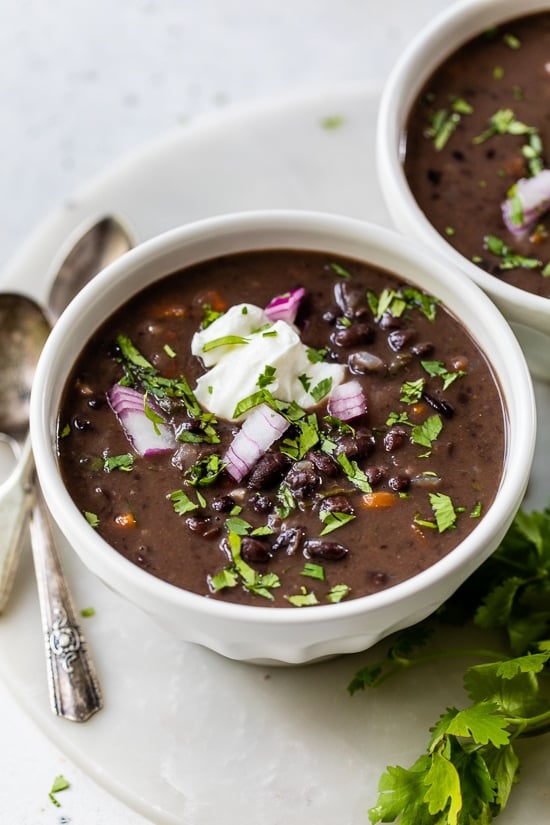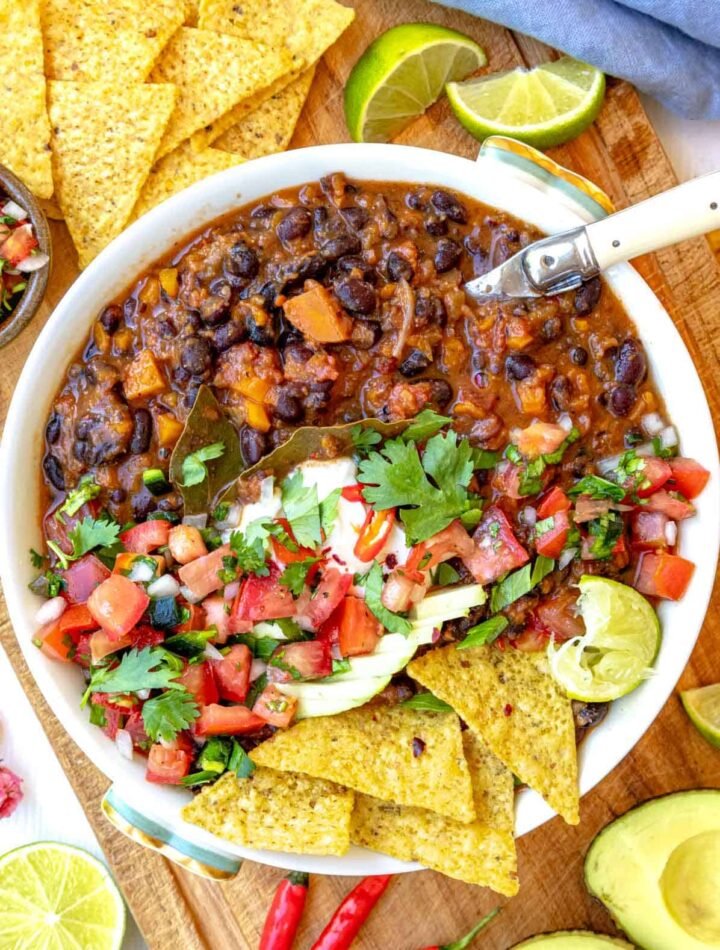
Whenever I need a meal that’s healthy, filling, and simple, I turn to black bean soup. Over the years, I’ve tried dozens of recipes, and I’ve learned what works—and what doesn’t. This isn’t just another “healthy soup” article. I’m sharing my real experience, including mistakes, shortcuts, and why this black bean soup wins for both quick dinners and meal prepping.
Black bean soup checks so many boxes: it’s nutritious, budget-friendly, and easy to customize. Plus, the leftovers taste even better the next day. If you’ve struggled with bland or watery bean soups, you’ll find practical fixes here. I’ll guide you step by step, so you get a soup that’s rich, flavorful, and ready in less than 30 minutes.
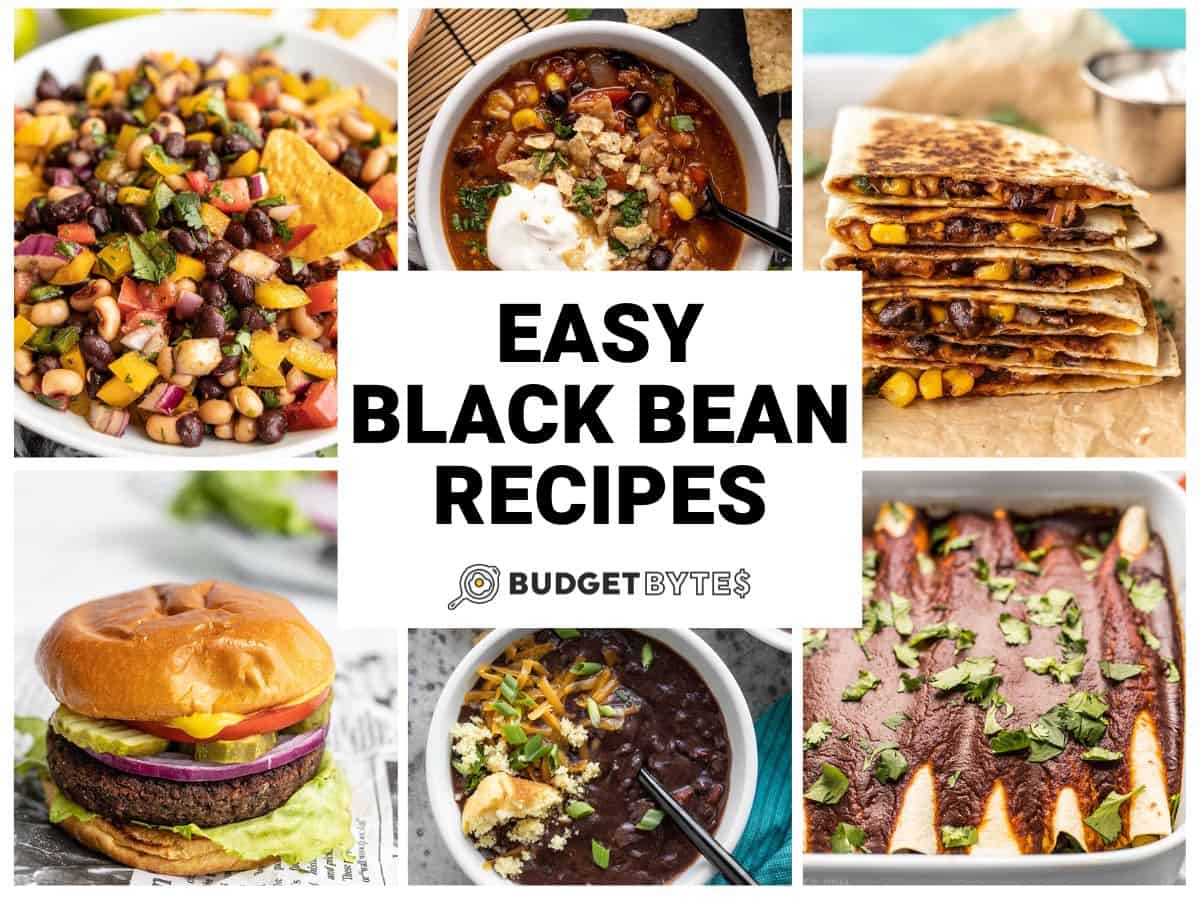
If you love Black Bean Soup Recipe, try to our Black Bean Salad, Broccoli Salad, Black Bean Burger, Cucumber Salad, and Red Lentil Dahl.
Why Black Bean Soup Is A Smart Choice
When I first started cooking for myself, I was looking for meals that weren’t just easy, but also good for my health. Black beans became a staple because they’re packed with fiber, protein, and essential minerals. One cup of cooked black beans gives you about 15 grams of protein and 15 grams of fiber. That’s more than half the daily fiber most people need!
Here’s why I keep coming back to this soup:
- Heart Healthy: Black beans are low in saturated fat and high in antioxidants.
- Weight Friendly: The fiber keeps you full, so you’re less tempted to snack.
- Meal Prep Magic: The soup holds up well in the fridge and freezer.
- Affordable: I can make a big batch for less than $5.
I’ve tried other bean soups, but black beans seem to give the richest flavor and best texture. Lentil and chickpea soups are nice, but black bean soup feels more “comforting” to me.
Ingredients & Quantities
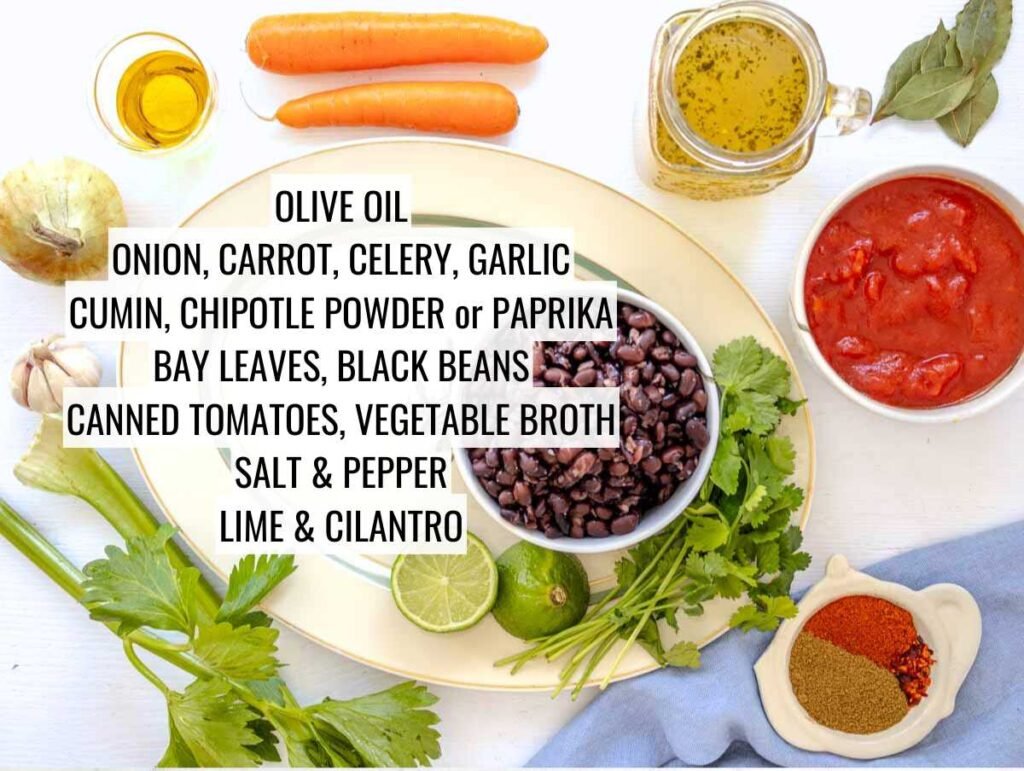
For the best results, I use simple, fresh ingredients. After many batches, I found that using canned beans saves time without sacrificing taste. If you prefer dry beans, soak them overnight and cook until soft.
Here’s my go-to recipe (serves 4):
- 2 cans (15 oz each) black beans (drained and rinsed)
- 1 medium onion, diced
- 3 cloves garlic, minced
- 1 medium carrot, diced
- 2 stalks celery, diced
- 1 red bell pepper, diced
- 1 tablespoon olive oil
- 1 teaspoon ground cumin
- 1 teaspoon chili powder
- ½ teaspoon smoked paprika (optional, but adds depth)
- 4 cups vegetable broth (or chicken broth)
- 1 bay leaf
- Salt and pepper to taste
- Juice of 1 lime (for brightness)
- Fresh cilantro or green onions for garnish
Optional add-ins:
- 1 teaspoon chipotle peppers (for heat)
- ½ cup corn kernels
- ½ cup diced tomatoes
I sometimes add a pinch of cayenne if I want a spicy kick, but that’s totally up to you.
Step-by-step Cooking Instructions
I learned the hard way that rushing soup leads to bland results. Here’s my process for getting maximum flavor, even with canned beans.
- Prep the veggies: Dice everything before you start. This makes cooking smoother and avoids overcooking.
- Sauté aromatics: Heat olive oil in a large pot over medium heat. Add onion, carrot, celery, and bell pepper. Sauté for 5-6 minutes, until softened. This step builds flavor.
- Add garlic and spices: Stir in garlic, cumin, chili powder, and smoked paprika. Cook for 1 minute, until fragrant.
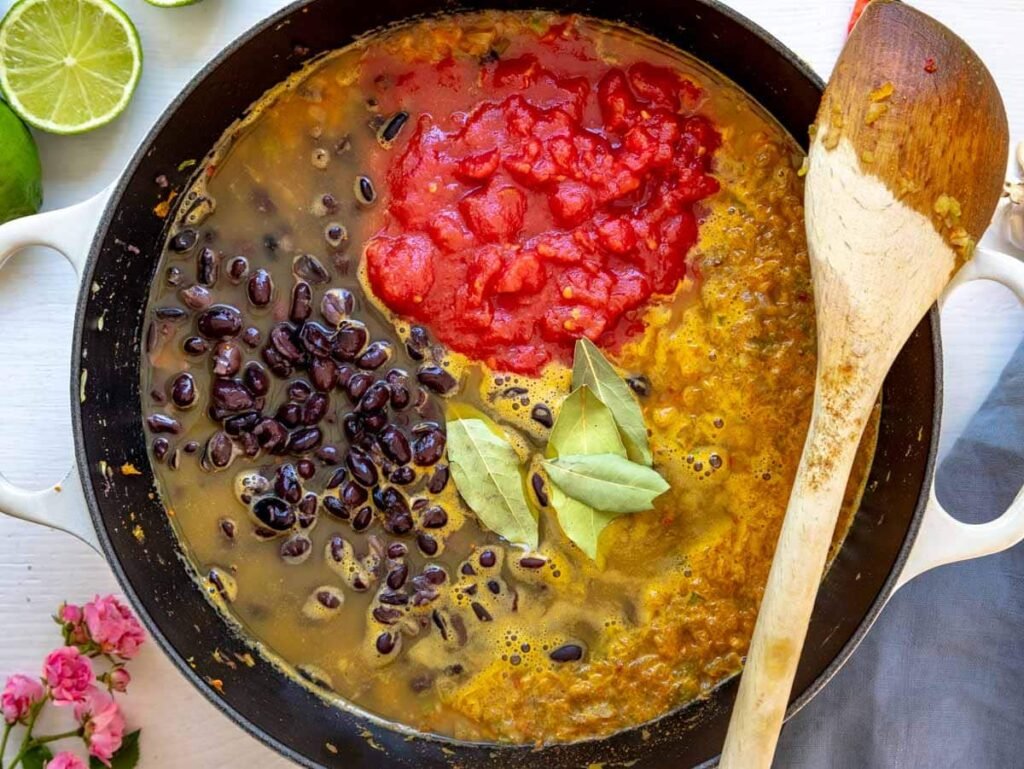
- Add beans and broth: Pour in the black beans and vegetable broth. Add the bay leaf. Bring to a simmer.
- Simmer: Cover and cook for 15-20 minutes. This helps the flavors blend. Don’t boil—just simmer gently.
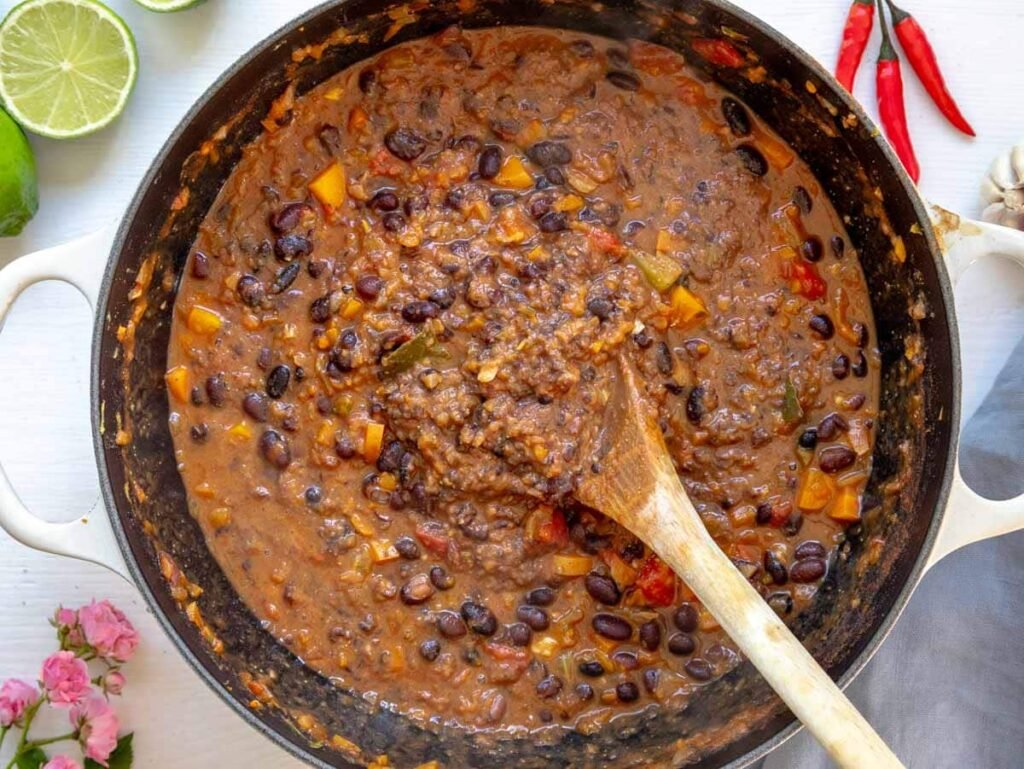
- Blend (optional): For a creamy texture, use an immersion blender to blend part of the soup. I usually blend about half, leaving some beans whole.
- Season and finish: Remove the bay leaf. Add lime juice, salt, and pepper. Taste and adjust. If you added chipotle or cayenne, check the heat level.
- Garnish: Serve hot, topped with cilantro or green onions.
Cooking time: About 30 minutes from start to finish.
Serving Size: 4 Hearty Bowls
Real Meal Prep Tips
I’ve meal-prepped this soup for busy weeks, and here’s what really works:
- Cool before storing: Let the soup cool to room temperature before transferring to containers. This avoids condensation and mushiness.
- Portion out: Use individual containers for grab-and-go lunches.
- Freeze in batches: Black bean soup freezes well for up to 3 months. Just leave a little space in the container for expansion.
- Reheat gently: Microwave in short bursts or reheat on the stove. Add a splash of water if it gets too thick.
One thing I learned: don’t add fresh garnishes (like cilantro or lime) until after reheating. They lose flavor if frozen.
Black Bean Soup Vs. Other Bean Soups
After making dozens of soups, I found that black bean soup stands out for taste and texture. Here’s a quick comparison:
| Soup Type | Protein (per cup) | Fiber (per cup) | Texture | Flavor |
|---|---|---|---|---|
| Black Bean | 15g | 15g | Thick, creamy | Rich, earthy |
| Lentil | 12g | 13g | Chunky, hearty | Nutty, mild |
| Chickpea | 11g | 12g | Soft, slightly grainy | Light, slightly sweet |
Black beans give a soup that’s both hearty and creamy, especially when blended. Lentil and chickpea soups are fine, but I always come back to black beans for that “comfort food” feeling.
Nutrition Facts & Health Benefits
I started eating black bean soup for the taste, but the health benefits are real. Here’s a breakdown for one serving (about 1 cup):
| Nutrition | Amount |
|---|---|
| Calories | 210 |
| Protein | 15g |
| Fiber | 15g |
| Fat | 3g |
| Carbs | 36g |
| Sodium | 480mg |
Black beans are also a good source of iron, magnesium, and potassium. If you’re watching your sodium, use low-sodium broth and rinse canned beans well.
A non-obvious benefit: the resistant starch in black beans feeds good gut bacteria, which may help digestion and boost immunity.
Customizing Your Soup
I love how flexible this recipe is. You can add veggies, change spices, or try toppings. Here are some ways I’ve made the soup fit my cravings or dietary needs:
- Add sweet potatoes: Diced sweet potatoes make it sweeter and more filling.
- Use chicken broth: For extra flavor, swap vegetable broth for chicken broth.
- Spicy version: Add chipotle peppers or jalapeños.
- Creamy finish: Stir in a spoonful of Greek yogurt or sour cream after reheating.
- Toppings: Avocado, shredded cheese, tortilla strips, or hot sauce.
Once, I forgot to add cumin and realized the soup tasted flat. Lesson learned: spices are key for depth.
Common Mistakes & How To Fix Them
When I first made black bean soup, I made a few classic errors. Here’s what to avoid, and how to fix it:
- Too watery: Don’t add all the broth at once. Start with half and add more as needed.
- Bland flavor: Sauté the veggies and spices first. Don’t skip this step.
- Over-blending: If you blend the whole soup, it can get pasty. Only blend half for the best texture.
- Salty soup: Always use low-sodium broth and taste before adding extra salt.
- Beans not soft: If using dry beans, cook them fully before adding to the soup.
A non-obvious tip: let the soup rest for 10 minutes after cooking. The flavors deepen, and the texture improves.
How I Fit Black Bean Soup Into My Diet
I eat black bean soup for lunch, dinner, and sometimes as a snack. It’s satisfying, but not heavy. Sometimes I pair it with a salad or a slice of whole-grain bread. It’s also a great base for burrito bowls—just add rice, salsa, and chicken or tofu.
For meal prep, I cook a big batch on Sunday, then portion it out. I’ve noticed that having a healthy meal ready reduces my stress during the week. If you’re feeding a family, double the recipe—it’s just as easy.
Cost Comparison: Homemade Vs. Store-bought
I used to buy canned black bean soup from the store, but making it at home costs less and tastes way better. Here’s a quick breakdown:
| Source | Cost per serving | Ingredients quality | Sodium level |
|---|---|---|---|
| Homemade | $1.20 | Fresh, customizable | Low (if you use low-sodium) |
| Store-bought | $3.50 | Processed, less control | High |
Homemade wins for price, taste, and health. Plus, you can control the ingredients.
Real-life Tips For Busy People
I’m often pressed for time, so I rely on these tricks:
- Pre-chop veggies: Store diced onion, carrot, and celery in the fridge.
- Batch cook beans: Make a big pot and freeze half for later.
- Use a slow cooker: Toss everything in and let it cook while you work.
- Keep spices ready: Mix cumin, chili powder, and paprika in a jar for quick seasoning.
If you want more info about black bean nutrition and health, check out Harvard Nutrition Source.
Frequently Asked Questions
How Long Does Black Bean Soup Last In The Fridge?
Black bean soup stays fresh for 4-5 days in the fridge. Store in airtight containers and reheat gently. If you notice sour smells or separation, it’s time to toss it.
Can I Freeze Black Bean Soup?
Yes! I freeze the soup for up to 3 months. Just let it cool first, and leave space in containers for expansion. Thaw in the fridge overnight, then reheat.
Is Black Bean Soup Good For Weight Loss?
Definitely. The high fiber and protein keep you full for hours. It’s low in calories but satisfying, which makes it easy to stick to healthy eating goals.
What Can I Serve With Black Bean Soup?
I like pairing it with whole-grain bread, a green salad, or rice. It’s also great as a starter for bigger meals, or as part of a burrito bowl.
Can I Use Dry Beans Instead Of Canned?
Yes, but it takes more time. Soak dry beans overnight, then cook until soft. One cup of dry beans equals about two cans. The flavor is deeper, but canned beans are quicker.
—
Black bean soup has become a staple in my kitchen because it’s easy, tasty, and meal prep friendly. I love how simple tweaks can make it fit any mood or diet. If you want a healthy soup that’s quick to make and lasts all week, this recipe is worth a try.
Whether you’re new to cooking or just tired of bland soups, black bean soup is a reliable, flavorful option you’ll enjoy again and again.