Better Than Takeout: Easy 30-minute Healthy Sesame Chicken Recipe
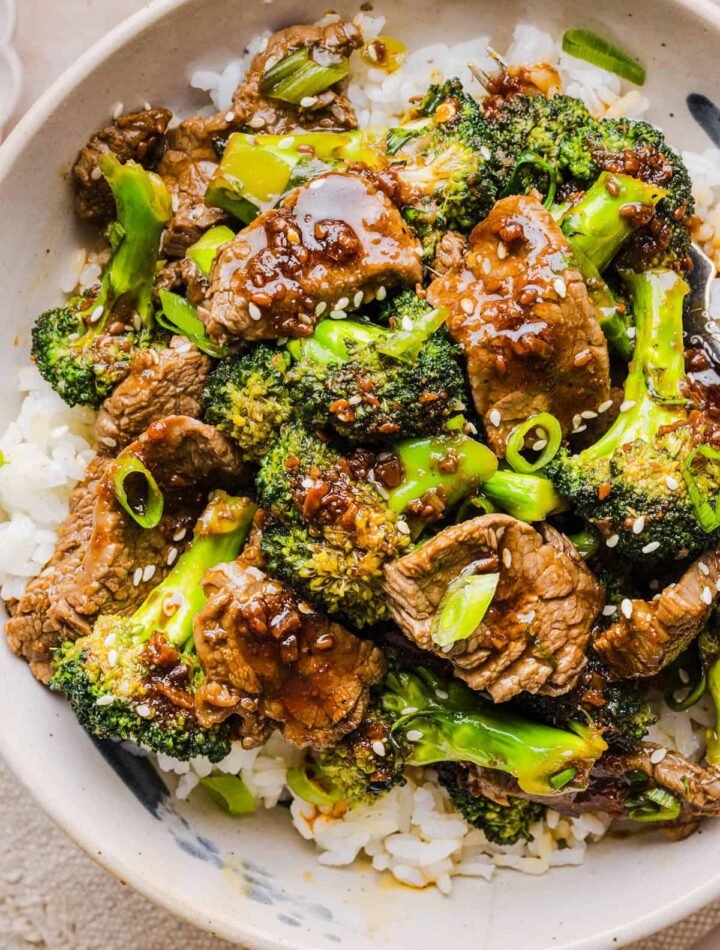
There’s something magical about takeout sesame chicken—the sweet, sticky sauce, tender bites, and that nutty hint of sesame. But after years of ordering it from local restaurants, I realized I could make a version at home that’s just as tasty, but healthier and much quicker.
No long ingredient lists, no deep frying, and definitely no mystery oil. If you’re like me, craving that classic flavor but wanting something lighter and fresher, this recipe is a game changer.
I remember the first time I made sesame chicken at home. I was nervous, thinking I’d mess up the sauce or dry out the chicken. But the process surprised me—it was simple, the kitchen smelled amazing, and cleanup was a breeze. Since then, this dish has become a staple in my weeknight routine. Now, I want to share everything I’ve learned, so you can enjoy healthy sesame chicken in just 30 minutes, right from your own kitchen.
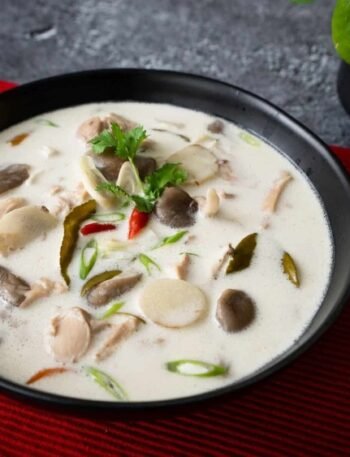
If you love Healthy Sesame Chicken Recipe, Try to our Tom Kha soup, Black Bean Soup, Black Bean Salad, Cucumber Salad, Black Bean Burger and Red Lentil Dahl.
Why Homemade Sesame Chicken Wins
Ordering takeout is convenient, but I’ve always wondered about the ingredients and the nutrition. Most takeout sesame chicken dishes are loaded with sugar, sodium, and unhealthy fats. When I started making it myself, I saw real improvements:
- Less oil: My recipe uses only a tiny amount of oil for sautéing, not deep frying.
- More control: I choose the chicken, veggies, and sauce ingredients.
- Better taste: Freshly cooked sesame chicken tastes brighter and less greasy.
- Faster: I can get this meal on the table in under 30 minutes.
To put things in perspective, I compared homemade sesame chicken with popular takeout versions. Take a look:
| Nutrition | Takeout Sesame Chicken (1 serving) | Homemade Healthy Sesame Chicken (1 serving) |
|---|---|---|
| Calories | 700–900 | 380–420 |
| Total Fat (g) | 35–45 | 8–12 |
| Sodium (mg) | 1300–1600 | 520–650 |
| Sugar (g) | 24–35 | 9–12 |
This recipe isn’t just lighter; it’s packed with protein and flavor. You skip the guilt and get the satisfaction.
Ingredients: What You Need (and Why)
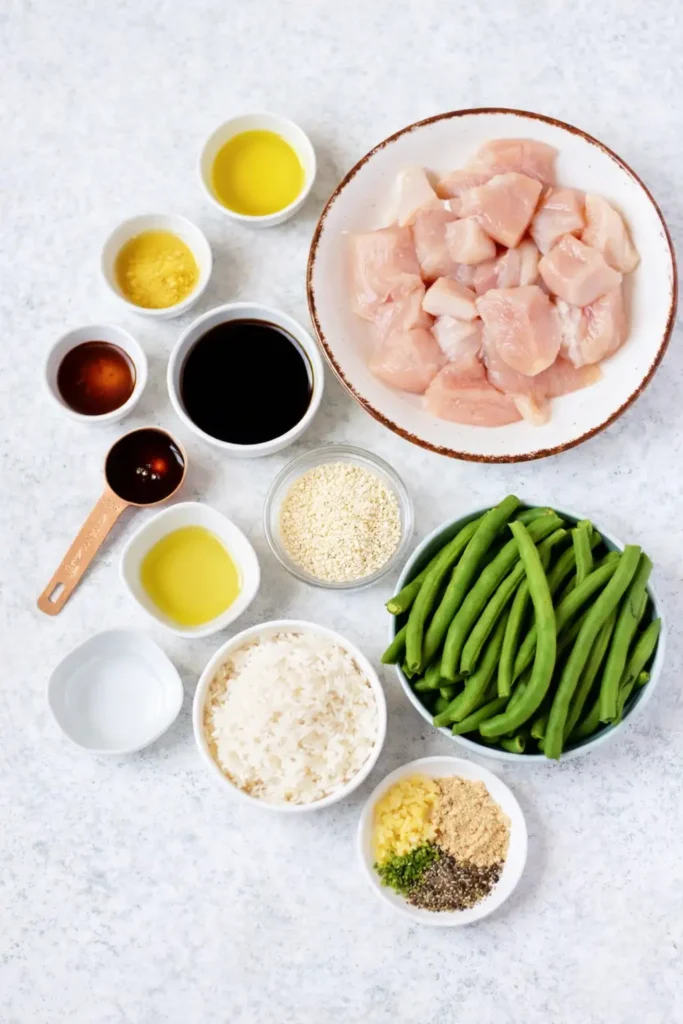
I keep my sesame chicken recipe simple and use ingredients you can find in any grocery store. Here’s what goes into it:
- Chicken breast or thighs: I prefer boneless, skinless chicken breast for leaner results, but thighs are juicier.
- Cornstarch: For a light coating, helps make the sauce stick and gives a crisp edge without deep frying.
- Sesame oil: Adds that classic nutty aroma.
- Low-sodium soy sauce: Cuts down on salt but keeps the umami.
- Honey: Natural sweetness, a healthier swap for refined sugar.
- Rice vinegar: Brings a tangy balance.
- Garlic and ginger: Fresh is best, but powders work in a pinch.
- Water: To thin the sauce.
- Sesame seeds: Toasted for topping.
- Green onions: For freshness and crunch.
- Optional veggies: Broccoli, snap peas, or bell peppers (I love tossing in whatever’s in my fridge).
A few tips I learned after many tries: don’t skip the cornstarch—it really helps the sauce coat the chicken and gives a slight crisp. Also, using real honey makes a difference in both flavor and texture.
Here’s a quick comparison of chicken choices:
| Type | Texture | Calories (per 4 oz) | Protein (g) |
|---|---|---|---|
| Chicken Breast | Lean, firm | 120 | 24 |
| Chicken Thigh | Juicy, tender | 160 | 21 |

Step-by-step: How I Make Healthy Sesame Chicke
I cook this recipe in three easy stages: prep, cook, and finish. Here’s how I do it:
1. Prep The Chicken
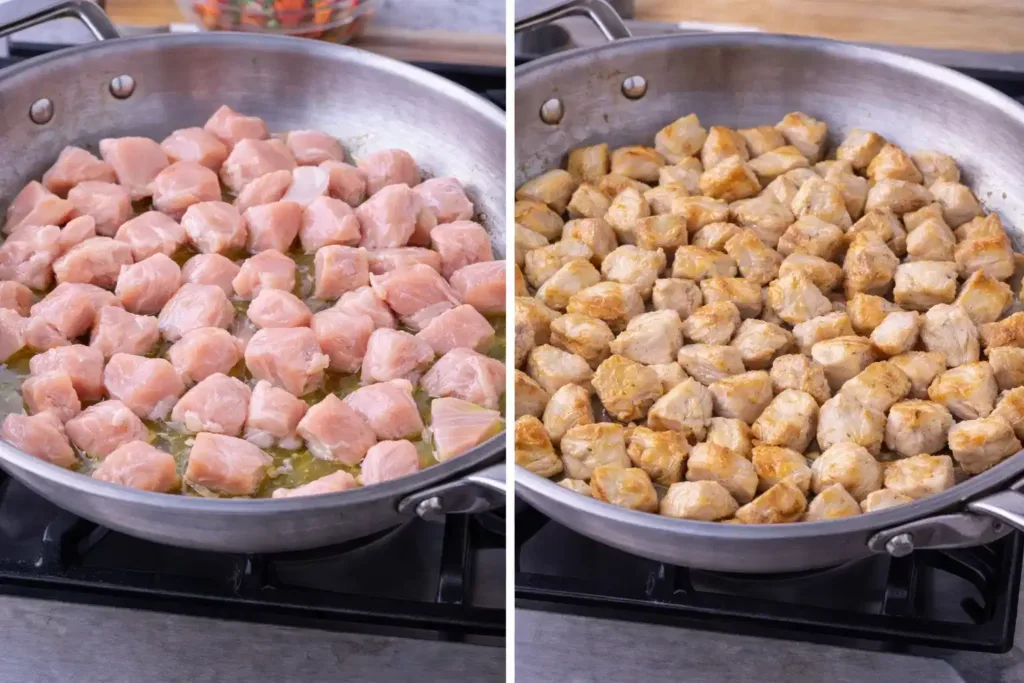
- Cut chicken into bite-size pieces (about 1-inch cubes).
- Toss the chicken with 2 tablespoons of cornstarch. This light coating is key for that takeout-style texture.
- Season with a pinch of salt and pepper.
2. Make The Sauce
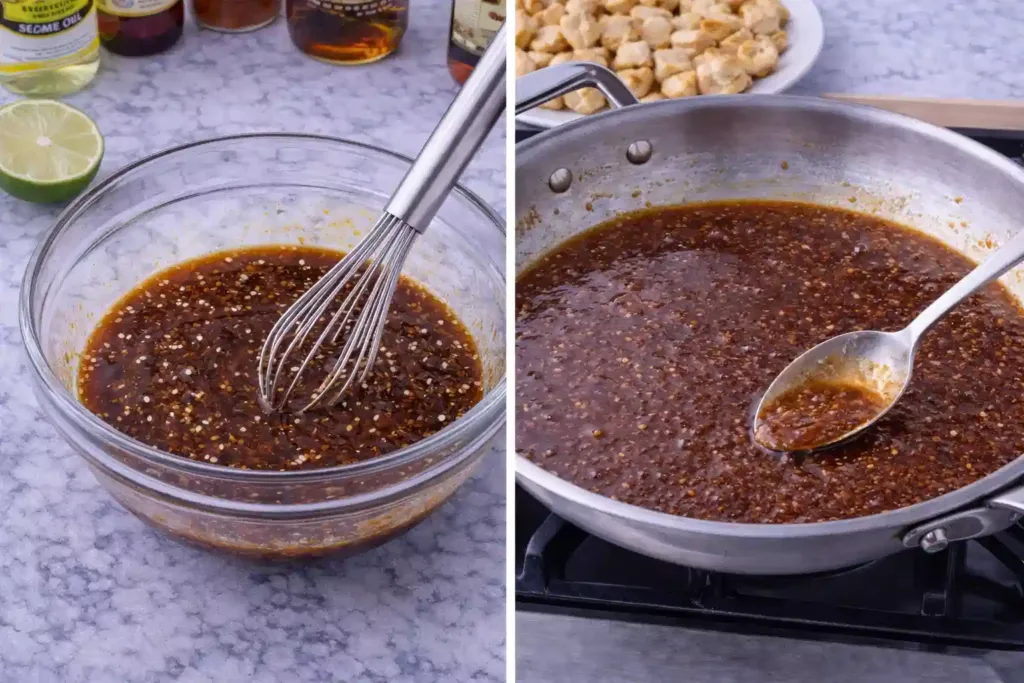
- In a bowl, mix:
- 3 tablespoons low-sodium soy sauce
- 2 tablespoons honey
- 1 tablespoon rice vinegar
- 1 teaspoon sesame oil
- 2 tablespoons water
- 2 cloves garlic, minced
- 1 teaspoon grated ginger
- Stir until honey is dissolved.
3. Cook Everything
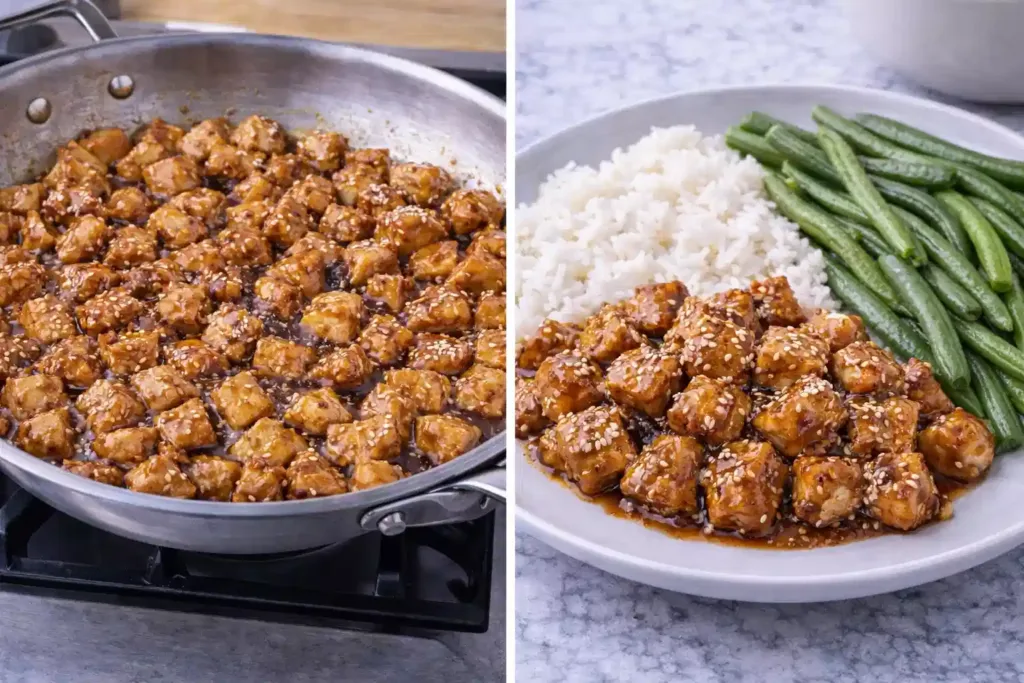
- Heat 1 tablespoon vegetable or avocado oil in a large skillet over medium-high.
- Add chicken pieces in a single layer. Let them cook undisturbed for 2–3 minutes, then stir and cook another 3–4 minutes until golden and cooked through.
- If using veggies, add them when the chicken is halfway done.
- Pour in the sauce and stir to coat everything. The sauce will bubble and thicken fast.
- Sprinkle in 2 tablespoons toasted sesame seeds and sliced green onions.
- Cook for another minute, then remove from heat.
I’ve timed myself—this whole process takes about 25–30 minutes, even when I’m moving slowly.
Serving Suggestions And Flavor Boosts
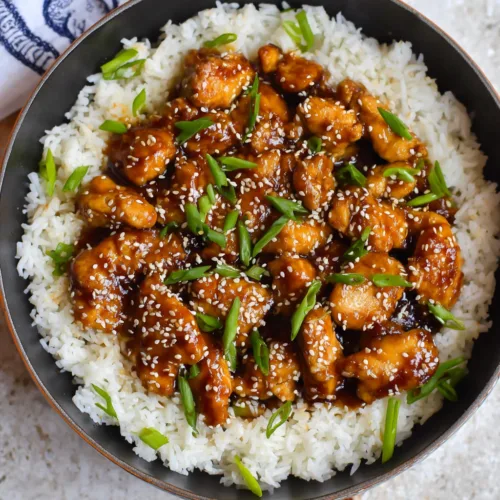
I like serving sesame chicken with steamed rice or cauliflower rice for a lighter meal. Sometimes I add broccoli or snap peas for more crunch. If I want extra heat, I toss in a pinch of red pepper flakes or a drizzle of sriracha.
Here are some ways to customize:
- Brown rice: Adds fiber, keeps you full longer.
- Quinoa: Higher protein, nutty flavor.
- No rice: Serve over salad greens for a low-carb option.
A helpful tip: If you want the chicken extra crisp, try air frying the pieces after tossing with cornstarch. The texture is amazing and still healthy.

What Makes This Recipe Healthier?
After experimenting, I found a few tricks that really make this sesame chicken lighter:
- Less sugar: Using honey means you get sweetness with fewer calories.
- No deep frying: Sautéing uses much less oil.
- Lean chicken: Chicken breast cuts down fat.
- More veggies: Adding vegetables increases vitamins and keeps the meal filling.
I also noticed that my homemade sesame chicken keeps me full longer and doesn’t leave me feeling sluggish, unlike takeout versions. The sauce is flavorful, but not overpowering. And I don’t miss the greasy feeling at all.
Here’s a quick ingredient swap table for common allergens or dietary needs:
| Ingredient | Swap | Why |
|---|---|---|
| Soy sauce | Coconut aminos | Gluten-free, lower sodium |
| Honey | Maple syrup | Vegan option |
| Cornstarch | Arrowroot powder | Grain-free alternative |
Real-world Results: My Experience
I’ve made this recipe dozens of times. Every batch tastes slightly different, depending on the honey and soy sauce brands. Sometimes, I experiment with extra veggies or swap chicken for tofu. But the basics never fail.
One thing I realized is how much kids and picky eaters love this dish. It’s sweet but not too sugary, and the sauce has just enough tang. I used to struggle with leftovers, but sesame chicken keeps well—just reheat in the microwave or a skillet, and it’s nearly as good as fresh.
Here are a few unexpected things I learned:
- Don’t overcrowd the pan: If you pile in too much chicken, it steams instead of browning. Cook in batches for the best results.
- Let the sauce bubble: You’ll know it’s ready when it thickens and coats the chicken, not when it’s watery.
- Toast your sesame seeds: Raw seeds don’t have the same nutty flavor. Toast them in a dry pan for a minute or two.
Common Mistakes And How To Avoid Them
Even with a simple recipe, there are pitfalls. Here are mistakes I made and how to fix them:
- Sauce too thin: If the sauce doesn’t thicken, add a slurry of 1 teaspoon cornstarch mixed with 1 tablespoon water.
- Chicken not crisp: Make sure the pieces are dry and coated evenly with cornstarch.
- Too salty: Use low-sodium soy sauce, and taste before adding extra salt.
- Burnt garlic: Add garlic after the chicken is mostly cooked to prevent burning.
Another tip: If you want the sauce to stick better, let the cooked chicken sit for a minute before stirring in the sauce.
Meal Prep And Storage Tips
I often make a double batch and use leftovers for lunch. Sesame chicken is perfect for meal prepping:
- Store in airtight containers in the fridge for up to 4 days.
- Reheat gently to avoid drying out the chicken.
- Freeze portions for up to 2 months (the sauce might separate, but a quick stir fixes it).
If you’re packing for work or school, keep rice and chicken separate. Combine just before eating for the best texture.
How This Recipe Stacks Up Against Takeout
I compared my recipe with several popular takeout spots. Here’s what stood out:
- My homemade version costs about $2.50 per serving, while takeout is $8–$12.
- Cooking at home takes less time than waiting for delivery.
- I feel better after eating my recipe—no “food hangover.”
- The flavor is customizable. If you want it sweeter or spicier, just adjust the sauce.
My friends who tried it said they’d never order sesame chicken again. The freshness is unbeatable, and the recipe is easy enough for beginners. If you want more details on nutrition or ingredient swaps, you can check the Academy of Nutrition and Dietetics for expert guidance.
Frequently Asked Questions
How Can I Make This Sesame Chicken Gluten-free?
Use coconut aminos instead of soy sauce, and make sure your cornstarch is labeled gluten-free. The rest of the recipe stays the same, and the flavor is just as good.
Can I Use Chicken Thighs Instead Of Breast?
Absolutely. Chicken thighs are juicier and have a richer flavor, but they are a bit higher in fat and calories. The cooking steps are the same—just cut into bite-size pieces.
Is Sesame Chicken Healthy For Weight Loss?
Yes, if you use lean chicken breast, skip deep frying, and keep the sauce light. Pairing with steamed veggies or cauliflower rice makes it even better for a low-calorie meal.
Can I Make This Recipe Vegetarian?
Swap the chicken for firm tofu (pressed and cubed). Coat tofu with cornstarch and sauté until crisp, then follow the same sauce steps. It’s a satisfying vegetarian option.
How Do I Get The Sauce To Thicken?
Let the sauce bubble for a minute or two after adding it to the pan. If it’s still thin, stir in a cornstarch slurry (1 teaspoon cornstarch mixed with 1 tablespoon water). The sauce will thicken quickly.
Every time I make this sesame chicken, I feel proud knowing it’s healthier, quick, and just as delicious as any takeout. It’s become my go-to recipe for busy nights, family dinners, and even meal prepping for the week. Try it once, and you’ll see why it’s better than takeout—fresh, easy, and packed with flavor.