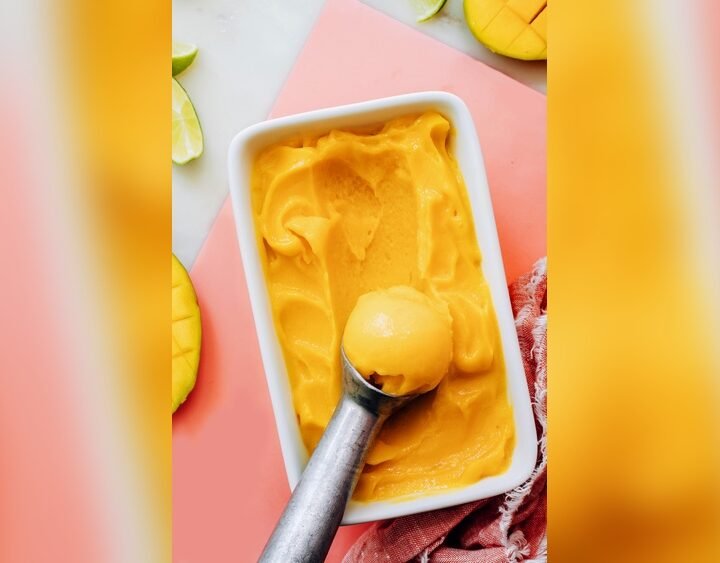
Have you ever craved something cold and sweet, but the idea of all that sugar and cream in ice cream made you pause? That’s exactly what happened to me last summer. The sun was relentless, and I just wanted a cool treat that actually felt refreshing—not heavy. That’s when I started experimenting with making a healthy mango sorbet at home. I wanted it to be simple, full of real fruit, and without all the extra stuff you find in store-bought versions.
What surprised me most was how easy and satisfying it is to make this sorbet using just a few ingredients. Not only did it taste like a tropical escape, but I also felt good about every bite. Over time, I tweaked the recipe, tried different tips, made mistakes, and learned a lot.
Now, I’m sharing everything I know so you can enjoy your own homemade, healthy mango sorbet—no ice cream maker required.
Why Healthy Mango Sorbet Stands Out
Let’s be honest: frozen desserts are everywhere. So why reach for mango sorbet? For me, it’s the perfect mix of taste, simplicity, and nutrition. Mangoes are naturally sweet, so you don’t need to drown them in sugar. When you make sorbet at home, you control every ingredient.
Unlike ice cream or frozen yogurt, there’s no dairy, no eggs, and nothing artificial. It’s naturally vegan and gluten-free, and you can easily make it with no added sugar if your mangoes are ripe. Plus, it’s fast. I can go from craving to eating in about 15 minutes (plus freezing time).
But the real magic? The flavor. Homemade mango sorbet tastes like pure sunshine—a bright, clean sweetness that’s hard to find in anything else.
Ingredients: What Really Matters
Through trial and error, I learned that the right mangoes are everything. Choose fruit that feels slightly soft when pressed and smells sweet at the stem. Hard or under-ripe mangoes make the sorbet bland and icy.
Here’s what you need for about 4 servings:
- 3 large ripe mangoes (about 4 cups chopped)
- 2–3 tablespoons fresh lime juice (to taste)
- 1–2 tablespoons honey or maple syrup (optional, depending on sweetness)
- Pinch of salt
- 1/4 cup water (only if needed for blending)
That’s it. No fancy ingredients, just fruit and a little lime to brighten the flavor.
I’ve tried adding coconut water, mint, and even a splash of ginger juice. While they all work, the classic version is my favorite for its pure mango flavor.
Non-obvious tip: Always taste your mangoes before you start. Some are so sweet, you won’t need any sweetener at all. Others, especially out-of-season, might need a bit of honey.
Equipment: Simple Is Best
You don’t need an ice cream maker for this recipe. I use a high-speed blender or a food processor. Both work well. A regular blender can work if you add a bit more liquid, but the texture will be softer.
Here’s what I use:
- Cutting board and sharp knife
- Blender or food processor
- Spatula
- Freezer-safe container with lid
If you want perfectly scoopable sorbet, a sturdy ice cream scoop helps. But a regular spoon is fine too—no judgment here!
Beginner insight: Don’t worry if your equipment isn’t top-notch. I made this for years with a cheap blender. The key is to blend the mango until completely smooth.
Step-by-step: How To Make Healthy Mango Sorbet
Making this sorbet is less about strict steps and more about trusting your senses. Here’s how I do it:
- Peel and chop the mangoes. Cut off both cheeks, score the flesh in a grid, and scoop it out. Try to get as much as possible from around the seed.
- Freeze the mango chunks. Lay them out on a baking sheet (so they don’t clump together) and freeze for at least 4 hours, or overnight for best results. Freezing before blending gives the sorbet a creamy, scoopable texture.
- Blend the ingredients. Add the frozen mango, lime juice, sweetener (if using), salt, and a splash of water to your blender or food processor.
- Pulse until smooth. Scrape down the sides as needed. Be patient—it may take a few minutes, especially if your machine isn’t very powerful.
- Taste and adjust. This is where you can add more lime, honey, or even a pinch more salt.
- Serve immediately for soft-serve texture, or transfer to a container and freeze for 2–3 hours for a firmer, scoopable sorbet.
Troubleshooting Texture
Sometimes, the sorbet gets too icy or hard. I’ve found a few tricks help:
- If it’s too hard after freezing, let it sit at room temperature for 10 minutes before scooping.
- Adding a tablespoon of honey or maple syrup helps keep the texture softer because sugar prevents ice crystals.
- If your blender is struggling, add a bit more water—but not too much, or it’ll turn slushy.
Unexpected insight: Even a pinch of salt makes a big difference. It brings out the mango’s flavor, just like in baking.
Nutrition Breakdown: Why It’s A Smart Choice
I started making mango sorbet to avoid extra calories and sugar. Here’s how the numbers break down per serving (about 1 cup):
- Calories: 95–120 (depending on sweetener)
- Sugar: 21g (all from fruit if no sweetener added)
- Fat: 0g
- Fiber: 2–3g
- Vitamin C: 60% of daily value
- Vitamin A: 25% of daily value
That’s far healthier than most ice creams, which can have over 200 calories, 20g sugar, and lots of saturated fat per scoop.
Mango Sorbet Vs. Ice Cream Vs. Frozen Yogurt
To see how mango sorbet compares, here’s a quick look:
| Frozen Treat | Calories (per cup) | Sugar (g) | Fat (g) | Dairy |
|---|---|---|---|---|
| Mango Sorbet | 100 | 21 | 0 | No |
| Vanilla Ice Cream | 250 | 28 | 14 | Yes |
| Frozen Yogurt | 180 | 24 | 4 | Yes |
I love that sorbet is light but still feels like a treat. If you’re watching calories or avoiding dairy, it’s an easy win.
Picking The Best Mangoes: The Heart Of The Recipe
Not all mangoes are created equal. I’ve made sorbet with different types, and the results can be dramatic. Here’s what I’ve noticed:
- Ataulfo (Honey) Mangoes: Small, buttery, and sweet. My top pick for sorbet—almost never need extra sugar.
- Kent and Keitt: Larger, less fibrous, and very juicy. Good for blending, but sometimes less sweet.
- Haden or Tommy Atkins: Common in stores but can be stringy and less flavorful. Use only if they’re very ripe.
If you can, smell your mangoes before buying. The best ones always have a strong, fruity scent. If you’re stuck with less-than-perfect mangoes, add a bit of lime juice and sweetener to boost the taste.
Mango Ripeness Guide
Here’s a simple way I judge ripeness:
| Ripeness | Feel | Color | Flavor |
|---|---|---|---|
| Unripe | Very firm | Green/yellow | Bland, starchy |
| Ripe | Slightly soft | Deep yellow/orange | Sweet, fragrant |
| Overripe | Very soft | Dark spots | Very sweet, sometimes fermented |
Overripe mangoes can be great for sorbet, but avoid any with off smells.
Add-ins And Variations: Making It Your Own
I love experimenting. Once you’re comfortable with the basic recipe, try these tweaks:
- Coconut Mango Sorbet: Blend in 1/4 cup coconut milk for a creamier texture.
- Mint Mango Sorbet: Add a handful of fresh mint leaves before blending.
- Spicy Mango Sorbet: Sprinkle in a pinch of chili powder or cayenne for a sweet heat.
- Berry Mango Sorbet: Mix in 1 cup frozen berries for a tangy twist.
- Ginger Mango Sorbet: Add 1 teaspoon fresh grated ginger for a subtle kick.
My favorite is coconut—it adds richness without dairy. The spicy version is a hit with friends who like bold flavors.
Beginner mistake: Too many add-ins can water down the flavor. I try to keep them simple and not overdo the liquids.
Serving Ideas: Beyond The Bowl
Eating mango sorbet straight from the container is tempting, but a little creativity goes a long way. Here are a few ways I like to serve it:
- In a cup with fresh fruit: Top with berries, pineapple, or kiwi for extra color.
- As a layered parfait: Alternate scoops of sorbet with yogurt and granola.
- With sparkling water: Make a quick mango float—just drop a scoop in a glass and pour over sparkling water or kombucha.
- On a stick: Pour the blended sorbet into popsicle molds for healthy frozen treats.
Sometimes, I even serve it between two thin oatmeal cookies for a simple ice cream sandwich. The possibilities are endless.
Storing And Freezing: Keeping It Fresh
Homemade sorbet doesn’t have preservatives, so it won’t last as long as store-bought. Here’s how I keep it at its best:
- Store in an airtight, freezer-safe container.
- Press a piece of parchment paper or plastic wrap on the surface to prevent ice crystals.
- Best eaten within 1–2 weeks. It’s safe to eat after that, but the texture can get icy.
If your sorbet gets too hard, just leave it out for a few minutes. I sometimes microwave it for 10 seconds to make scooping easier.
What I Learned From Making Mango Sorbet
Making sorbet taught me a lot about patience and trusting my senses. Here are a few lessons I wish I knew when I started:
- Texture matters: Blending frozen mango chunks makes all the difference. If you blend fresh mango and freeze it, you’ll get a hard block.
- Lime is the secret: Even a little lime juice balances the sweetness and makes the flavor pop.
- Taste as you go: Mangoes can be wildly different. Always adjust lime and sweetener before freezing.
- Don’t rush freezing: If you want perfect scoops, let the sorbet set for at least 2–3 hours.
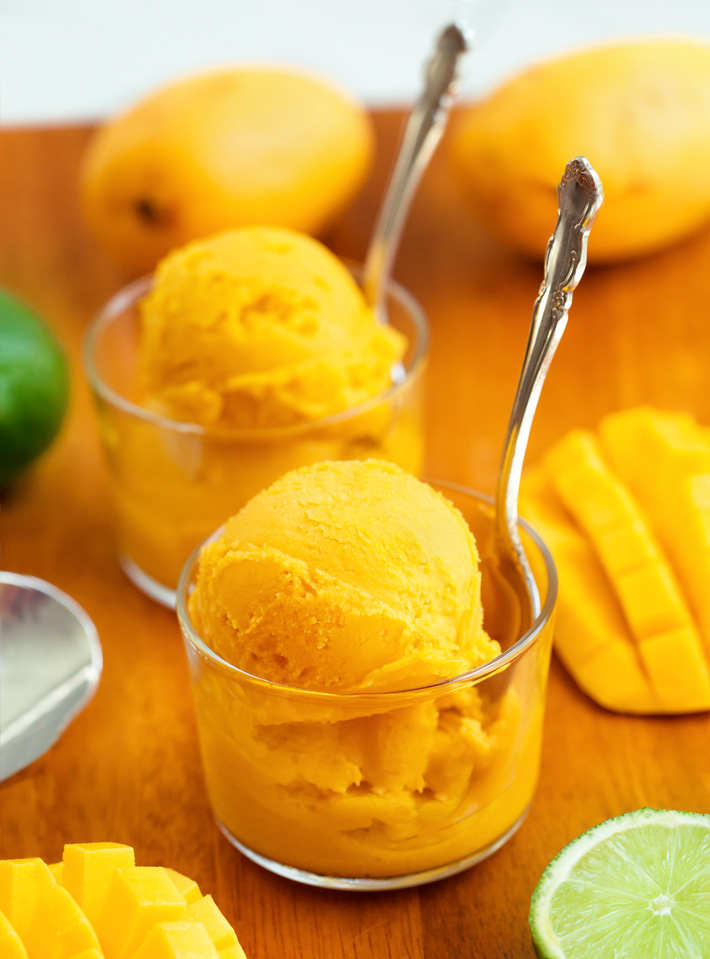
Most importantly, homemade sorbet is forgiving. If it doesn’t look like the pictures, it still tastes amazing.
Common Mistakes And How To Avoid Them
I’ve made my share of missteps. Here’s what I learned:
- Using unripe mangoes: The sorbet will taste bland and icy. Let mangoes ripen on the counter before using.
- Adding too much water: It makes the sorbet slushy and dilutes the mango flavor.
- Not blending enough: Chunks of frozen mango can jam your blender. Pulse and scrape often.
- Forgetting the salt: It’s a small detail, but it makes a huge difference in taste.
If you run into trouble, don’t be afraid to start over. The ingredients are simple, and each batch is a chance to learn.
Real-time Tips For Success
Here are a few tricks that helped me get consistently great results:
- Freeze mango chunks on a single layer, not piled up. This makes blending easier.
- If you have leftover sorbet, scoop it into small silicone molds for snack-sized treats.
- For a sugar-free version, use extra ripe mangoes and skip the sweetener.
- If you like a tart flavor, add more lime juice—it cuts through the sweetness perfectly.
Pro tip: If you want to impress guests, serve the sorbet in hollowed-out mango halves. It looks beautiful and makes cleanup easy.
Health Benefits: More Than Just A Treat
I started making mango sorbet for the taste, but I quickly realized it’s also good for you. Mangoes are packed with nutrients:
- Vitamin C boosts immunity and skin health.
- Vitamin A supports eye health.
- Fiber helps with digestion and makes you feel full.
Because there’s no dairy or heavy cream, it’s easy on the stomach—even for people who are lactose intolerant. And since you control the sweetness, you can keep the sugar content low.
I even served this to friends with food allergies, and it was a hit. It’s naturally free from most common allergens—no nuts, dairy, gluten, or soy.
For more on the health benefits of mangoes, I found the summary from the USDA FoodData Central really helpful.
Mango Sorbet For Special Diets
This recipe fits a surprising number of diets. Here’s what I found:
- Vegan: No animal products at all.
- Gluten-free: No wheat or grains.
- Nut-free: Safe for people with nut allergies.
- Dairy-free: Perfect for lactose intolerance.
If you’re watching sugar, just use ripe mangoes and skip the honey. For keto or low-carb, this probably won’t fit—mangoes are high in natural sugar—but for almost everyone else, it’s a smart choice.

Cost And Convenience: Surprisingly Affordable
One thing I love about homemade sorbet is how affordable it is. Store-bought sorbet can cost $4–$6 per pint, and often has fillers or gums. When I buy mangoes in season, I can make a whole batch for less than half that price.
Plus, no need for special machines or ingredients. Just fruit, a blender, and a little time.
When To Serve Mango Sorbet
This sorbet is perfect for:
- After dinner, instead of heavy desserts
- Hot afternoons when you need a cool snack
- Kids’ parties (they love the bright color)
- Brunches or picnics
- Refreshing palate cleansers between courses
I’ve even served it at holiday gatherings, and it always disappears fast.
My Honest Take: Strengths And Areas For Improvement
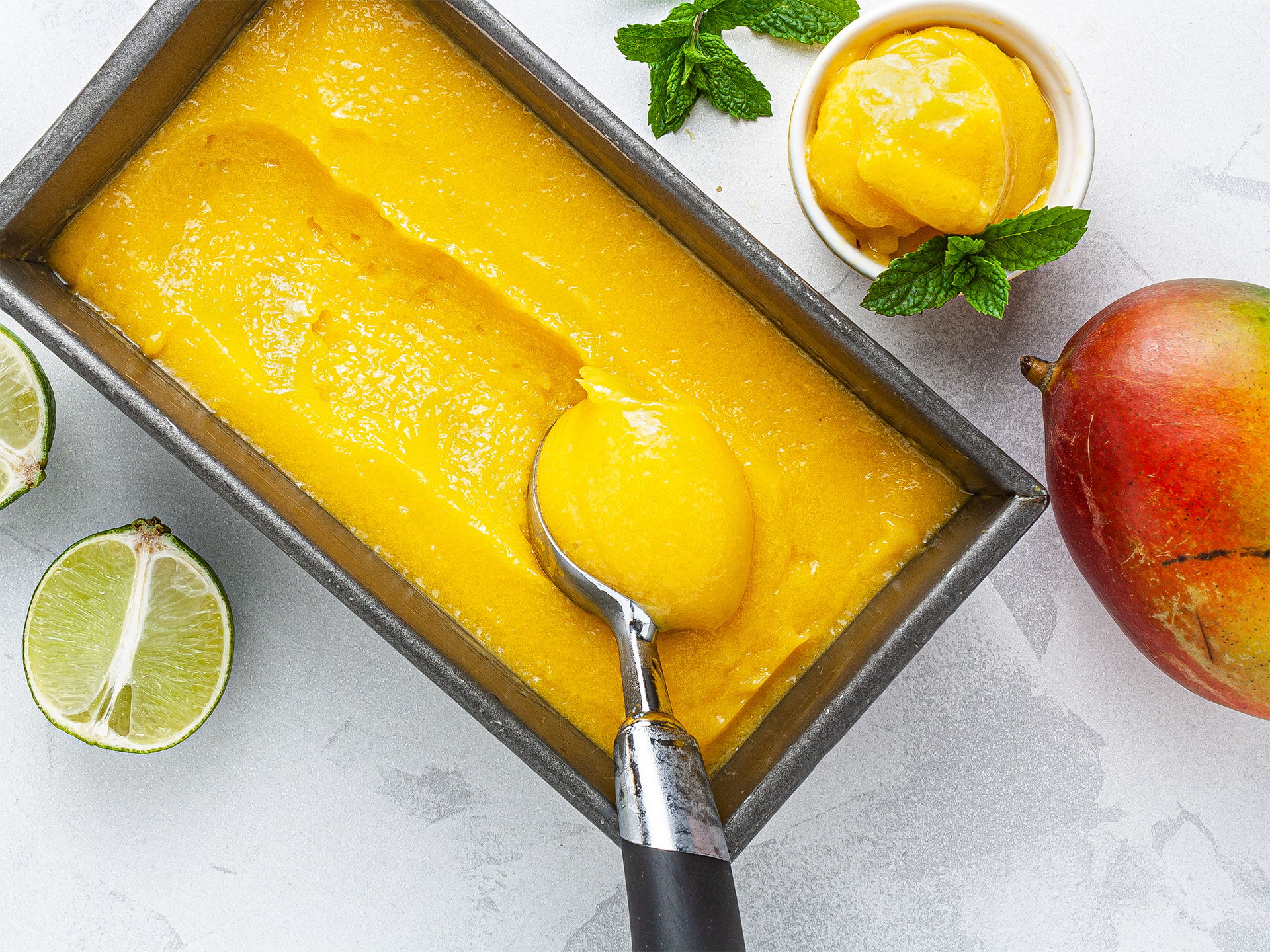
What I love most is how fresh and clean this mango sorbet tastes. The texture is creamy, not icy, and it’s super satisfying. Making it at home gives me peace of mind about what’s in my food.
But there are a few challenges:
- If mangoes aren’t in season, flavor can be weak.
- Sorbet sometimes gets too hard after a day in the freezer.
- It’s best eaten fresh, within a few days.
Still, these are minor issues. With a little care, you can make a treat that’s much better than most store-bought desserts.
Frequently Asked Questions
How Long Does Homemade Mango Sorbet Last In The Freezer?
In my experience, it’s best within the first week. After that, the texture gets a bit icy, but it’s still safe to eat for up to a month. Just let it soften before scooping.
Can I Use Frozen Mango Instead Of Fresh?
Absolutely. I’ve done this many times, especially when mangoes aren’t in season. Just thaw the frozen mango slightly before blending so your machine doesn’t struggle.
Is Mango Sorbet Suitable For People With Diabetes?
Mangoes are high in natural sugars, so portion size is important. You can skip added sweetener and eat a small serving. If you have diabetes, check with your healthcare provider.
Can I Make This Recipe Without A Blender?
It’s tough, but you can try mashing thawed mango with a fork and mixing well. The texture won’t be as smooth, but it will still taste good.
What Can I Do If My Sorbet Is Too Icy?
If your sorbet is too icy, let it sit at room temperature for 10–15 minutes before serving. Adding a little honey or maple syrup in the mix also helps prevent ice crystals.
When I first made mango sorbet, I didn’t expect it to become a regular treat in my home. But honestly, it’s now my favorite way to enjoy mango season—simple, healthy, and bursting with flavor. Whether you’re new to homemade desserts or just looking for something lighter, this recipe is worth a try.
I hope you enjoy making it as much as I do!