No Dairy: My Honest Journey To A Dairy-free Life
Giving up dairy isn’t something I ever thought I’d do. I loved cheese, ice cream, and pizza just like most people. But after years of feeling bloated, dealing with stomach cramps, and having random breakouts, I started to wonder if dairy was the problem. When my doctor suggested trying a no dairy diet, I decided to see what would happen. I want to share what I learned, what changed for me, and what I wish I’d known from the start—so if you’re thinking about going dairy-free, you’re not alone.
Why I Went Dairy-free
For years, I thought my stomach issues were just normal. I often felt tired after eating, had headaches, and my skin was never clear. I tried cutting out fried food and sugar, but nothing really helped. After some research and talking with others who had similar problems, I found out that lactose intolerance and dairy sensitivity are pretty common. In fact, about 65% of people in the world have some trouble digesting lactose as adults. That’s a huge number!
My doctor told me to try removing all dairy for a month and see how I felt. At first, I thought, “No way I can do this. ” Milk, cheese, and yogurt were a big part of my diet. But I was tired of feeling sick, so I gave it a shot.
The First Week Without Dairy
The first week was the hardest. I had to read labels on everything. Dairy hides in so many foods—bread, sauces, even chips. I slipped up a few times, but I started to notice something: my stomach felt calmer, and I didn’t feel as bloated after meals. My cravings for cheese were real. I even dreamed about pizza! But I kept going, telling myself it was just an experiment.
What Happened To My Body
By the second week, I noticed real changes:
- Less bloating and gas
- Fewer headaches
- My skin started to clear up
- I had more energy, especially in the afternoons
I know everyone is different, but for me, these changes were a big deal. I felt lighter and more comfortable in my own skin.
Where Dairy Hides (and How I Learned The Hard Way)
One thing I learned quickly is that dairy is not just in milk or cheese. It pops up in the most random foods. Here’s where I found it:
- Processed snacks: Many crackers, chips, and cookies contain milk powder or whey.
- Restaurant food: Many “vegan” dishes still use butter or cream.
- Bread and baked goods: Some brands use milk, butter, or casein.
- Chocolate: Most regular chocolate has milk solids.
I made mistakes. Once, I ordered a salad with “vinaigrette,” only to find out later it had parmesan cheese mixed in. I learned to ask questions and check ingredients every time.
My Favorite Dairy Alternatives
At first, I thought I’d miss out on all my favorite foods. But now, there are so many good dairy-free options. Here’s what I’ve tried and what actually worked for me:
| Dairy Product | Dairy-Free Substitute | My Rating | Notes |
|---|---|---|---|
| Milk | Oat milk, almond milk, soy milk | 9/10 | Oat milk is my favorite for coffee. Almond is good in smoothies. |
| Cheese | Cashew cheese, coconut-based cheese | 7/10 | Texture is close, but flavor is sometimes off. Great on pizza though. |
| Yogurt | Coconut yogurt, soy yogurt | 8/10 | Coconut yogurt is creamy and works in parfaits. |
| Butter | Vegan butter (Earth Balance, Miyoko’s) | 10/10 | Almost no difference in baking or on toast. |
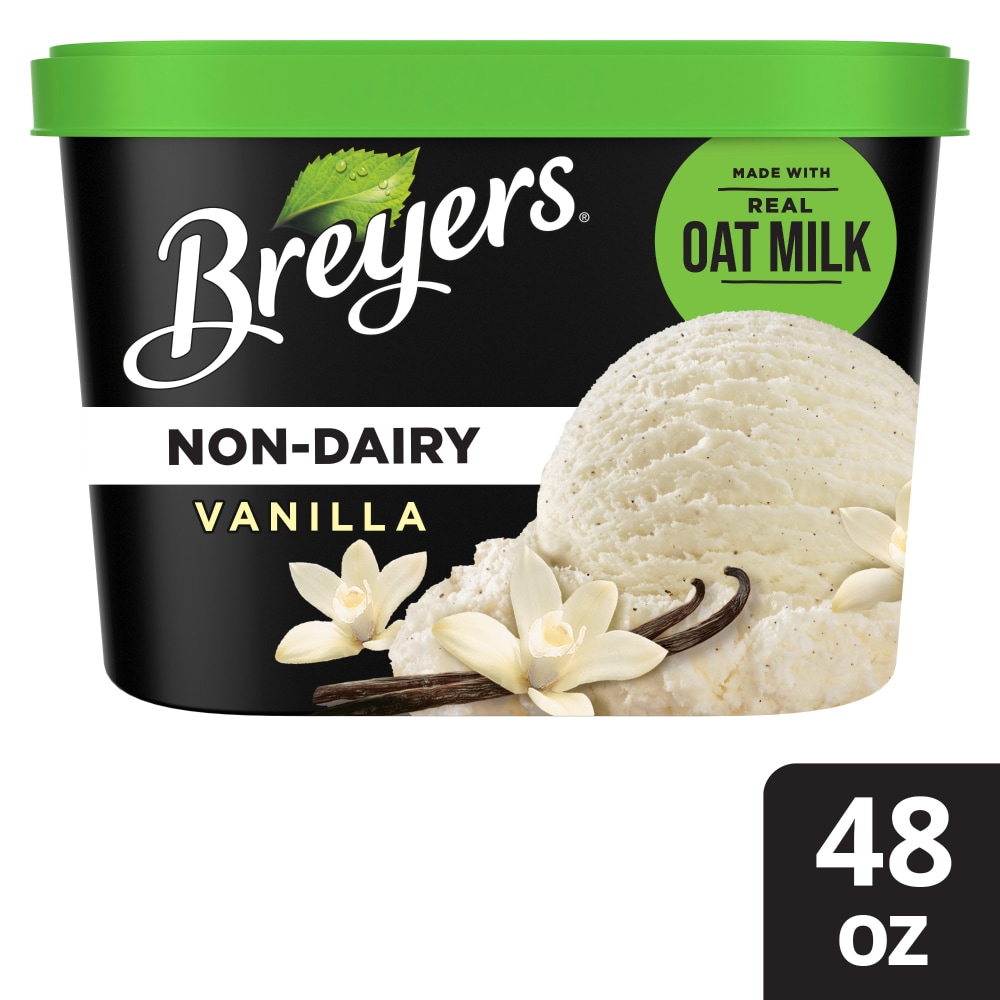
| Ice Cream | Coconut or oat-based ice cream | 8/10 | Some brands are amazing. Others, not so much. |
How To Read Ingredient Labels
I wish someone told me how sneaky dairy can be. Here are words to look out for on labels:
- Casein
- Whey
- Lactose
- Ghee
- Curds
- Milk solids
- Butterfat
If you see these, it’s a sign there’s dairy inside. Some foods say “non-dairy” but still have casein, so always double-check.
Eating Out Without Dairy
This was a challenge at first. I used to just order whatever looked good, but now I ask more questions. I say, “Does this have any milk, butter, or cheese in it? ” Most places are happy to help, and many restaurants now have vegan options.
One thing that helped: looking at menus online before going out. That way, I could plan ahead and not feel stressed at the table. I also started carrying snacks—just in case.
Social Life On A No Dairy Diet
Not going to lie, social events can get awkward. At birthday parties, the cake usually has buttercream frosting. At family dinners, creamy casseroles are everywhere. I felt weird at first, but I learned to bring my own dish or eat before I went.
My friends and family got used to it, and now they ask what I can eat. That means a lot.
How A No Dairy Diet Changed My Health
After three months, I went back to see my doctor. She was happy with my progress. My skin was clearer, my digestion was better, and I felt less tired. I even lost a few pounds without trying. Here’s what I learned:
- Bloating: Gone, unless I accidentally ate dairy.
- Energy: More steady, no afternoon crashes.
- Skin: Fewer pimples, less redness.
- Mood: Better, less irritable.
It felt like my body was finally working with me, not against me.
The Hard Parts Of Going Dairy-free
It wasn’t all perfect. There were tough days when I wanted cheese pizza or real ice cream. Some dairy-free cheese tastes weird, and not all restaurants have good options. Also, eating out takes more planning.
Another thing: I had to pay more attention to getting enough calcium and vitamin D. Dairy is a big source of these, so I started eating more leafy greens, almonds, and taking a supplement just in case.
Real-life Tips For Going No Dairy
If you’re thinking about trying a no dairy diet, here’s what helped me:
- Start slow: Try cutting out one dairy food at a time.
- Plan your meals: Makes it easier to avoid hidden dairy.
- Stock up: Keep non-dairy milk and snacks at home.
- Read labels: Even foods that look “safe” can have dairy.
- Talk to your people: Let friends and family know why you’re doing it.
- Find support: Online groups and social media are full of tips and recipes.
Most of all, be patient with yourself. It takes time for cravings to fade and for your body to adjust.
Common Mistakes I Made
I want to share a few things I wish I’d known:
- Thinking all “vegan” food is dairy-free: Sometimes vegan dishes still have butter or cheese.
- Not checking supplements: Some vitamins contain milk powder.
- Forgetting about sauces: Many salad dressings and dips have dairy.
- Assuming “lactose-free” means no dairy: These still contain milk, just without the lactose.
How My Grocery List Changed
Shopping took longer at first. Now, I have my staples. Here’s what my cart usually looks like:
- Oat milk or almond milk
- Vegan butter
- Coconut yogurt
- Cashew cheese or nutritional yeast (for cheesy flavor)
- Dark chocolate (check the label!)
- Leafy greens (for calcium)
- Almonds and seeds
- Fresh fruits and veggies
I learned to love simple, whole foods. They’re usually dairy-free by nature.
Is No Dairy Expensive?
This is a common worry. Some substitutes are more expensive, like fancy vegan cheese. But I found that by eating more whole foods—beans, rice, veggies—I actually spent less. I just avoided processed “fake” cheese unless I really wanted a treat.
Here’s a quick look at how my weekly grocery bill changed:
| Before (With Dairy) | After (No Dairy) | Notes |
|---|---|---|
| $80 | $75 | Swapping cheese for beans and greens saved money. |
It’s all about choices. If you stick to basics, it’s not much more expensive. Specialty items add up, but they’re not required.
What About Calcium And Protein?
When I gave up dairy, my first question was, “Will I get enough calcium and protein? ” Dairy is known for these nutrients, but there are many other sources.
- Calcium: Broccoli, kale, almonds, tofu, chia seeds, fortified plant milk.
- Protein: Lentils, beans, chickpeas, quinoa, nuts, seeds.
I also started using a calcium-fortified plant milk for my coffee and cereal. If you’re worried, you can ask your doctor about getting your levels checked.
My Go-to Dairy-free Recipes
Cooking at home became more fun. Here are a few of my favorite dairy-free recipes that I make often:
1. Creamy Cashew Alfredo Pasta
Soak 1 cup raw cashews for 2 hours. Drain, then blend with 1 cup water, 2 tablespoons nutritional yeast, 2 garlic cloves, and a pinch of salt. Pour over cooked pasta and toss. Tastes just like Alfredo sauce, but without any dairy.
2. Overnight Oats
Mix ½ cup rolled oats with 1 cup oat milk, 1 tablespoon chia seeds, and your favorite fruit. Let it sit overnight in the fridge. In the morning, add some almond butter. Easy, filling, and dairy-free.
3. Vegan Queso Dip
Blend 1 cup boiled potatoes, ½ cup carrots, ¼ cup cashews, ½ cup water, 2 tablespoons nutritional yeast, and spices. Heat and serve with tortilla chips. Even my cheese-loving friends like it.
What Surprised Me Most
One thing I didn’t expect was how much my taste buds changed. After a few months, I stopped craving cheese. Fruits and veggies tasted sweeter and more flavorful. I started enjoying food again, without feeling heavy or sick afterwards.
Another surprise: there’s a whole community out there of people living dairy-free. I found new recipes, tips, and support online. It made the journey easier and more fun.
Are There Downsides?
I want to be real—no diet is perfect. There are things I miss, like certain desserts or the ease of ordering anything at a restaurant. Some dairy-free cheese is still not great, and there’s a learning curve with recipes.
But for me, the benefits far outweigh the downsides. My body feels better, my mind is clearer, and I found new foods I actually like.
Who Should Consider A No Dairy Diet?
Going dairy-free isn’t for everyone. But you might want to try it if you:
- Have stomach issues after eating dairy
- Experience skin problems that don’t clear up
- Feel tired or sluggish after meals
- Have family history of lactose intolerance
It’s always good to talk to a doctor before making big changes. For some, dairy isn’t a problem. For others, like me, it makes a world of difference.
The Science Behind No Dairy
I wanted to understand why dairy affected me so much. Turns out, as people get older, their bodies make less lactase, the enzyme that digests lactose (milk sugar). That’s why so many adults have trouble with dairy—even if they didn’t as kids.
Research also shows that some people are allergic to the proteins in milk, not just the lactose. Symptoms can be mild (bloating, skin issues) or more serious. If you want to dig into the science, check out the National Institutes of Health.
How To Reintroduce Dairy (if You Want)
After three months, I wanted to see if my body still reacted to dairy. I tried eating a small piece of cheese. Within an hour, my stomach hurt. That was enough proof for me. Some people can add back small amounts, but for me, it’s not worth it.
If you want to test dairy again, do it slowly. Start with a little and see how you feel. Listen to your body.
The Social And Emotional Side
This part surprised me. At first, I felt left out at events, or guilty for being “difficult. ” But I learned that most people are understanding, and being honest about my needs is important. I also learned to let go of “food FOMO.
” There are so many good things I can eat. Focusing on what I can have, not what I can’t, changed my attitude.
Dairy-free Living: What I Wish I Knew
Looking back, here are a few things I’d tell myself:
- You won’t miss cheese forever.
- There are more dairy-free products every year.
- Eating whole foods is usually the easiest way to avoid dairy.
- It’s okay to mess up—just get back on track.
- Your body will thank you.
Key Takeaways
- Going no dairy changed my health for the better.
- It takes time to adjust, but cravings do fade.
- There are good (and not-so-good) substitutes—find what works for you.
- Social situations can be hard, but planning helps.
- Most of all, listen to your body and do what feels right.
Frequently Asked Questions
What Foods Should I Avoid On A No Dairy Diet?
You should avoid milk, cheese, butter, yogurt, cream, and anything that lists ingredients like casein, whey, lactose, or milk solids. Always check labels, because dairy can hide in bread, sauces, and snacks.
Can I Get Enough Calcium Without Dairy?
Yes. Leafy greens, almonds, tofu, chia seeds, and fortified plant milks are great sources. You can also take a supplement if you’re worried.
Are Dairy-free Cheeses Healthy?
Some are, but many are processed and high in oils. I use them as an occasional treat, not every day. Eating whole foods is a better choice for most meals.
How Can I Eat Out Without Dairy?
Check menus online first, ask the staff about ingredients, and don’t be afraid to make special requests. Many restaurants now offer vegan or dairy-free options.
Will I Lose Weight If I Stop Eating Dairy?
Some people do, mostly because they eat less processed food. But it depends on your whole diet and activity level. For me, I lost a few pounds without trying.
Living dairy-free changed my life. I hope my story helps you decide if it’s right for you. If you’re curious, try it for a few weeks. Your body will let you know if it’s the right choice.